Writing practice Extra Challenge Worksheets for Ages 3-4
4 filtered results
-
From - To
Unlock your child's creativity with our "Writing Practice Extra Challenge Worksheets for Ages 3-4"! Designed specifically for preschool learners, these engaging worksheets help little ones develop essential writing skills through fun and interactive activities. Each worksheet is thoughtfully crafted to encourage handwriting practice, letter recognition, and essential motor skills, all while making learning an enjoyable experience. Ideal for parents and educators seeking to enrich their students' pre-writing abilities, our extra challenge worksheets offer a perfect supplement to any early childhood curriculum. Start building strong writing foundations today and watch your child's confidence soar as they master each exciting challenge!
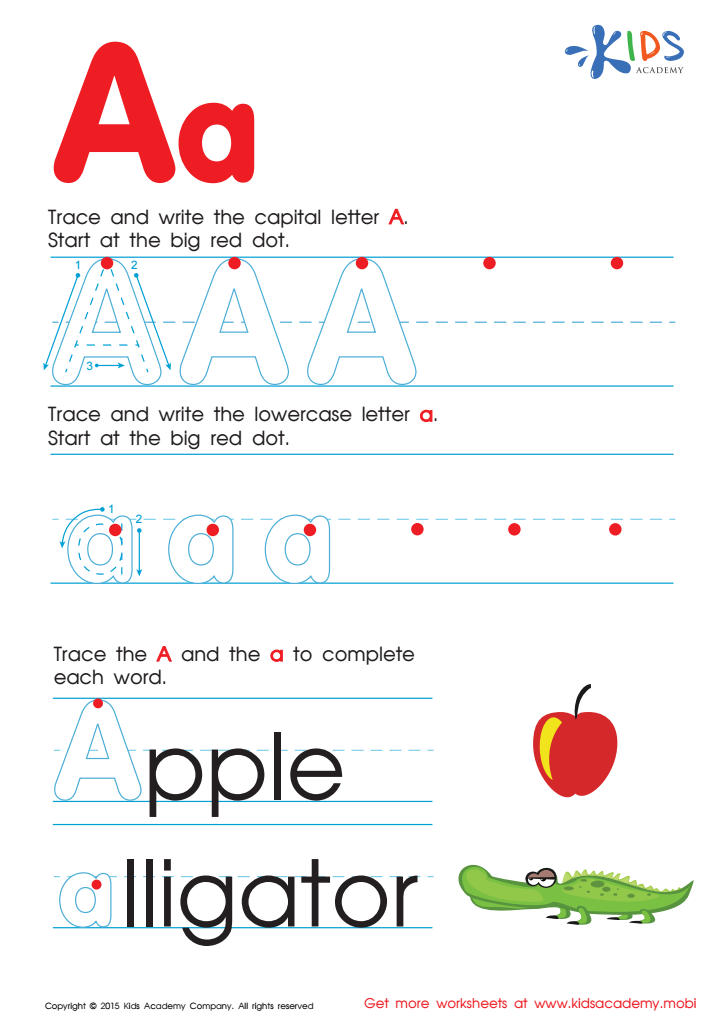
Letter A Tracing Page
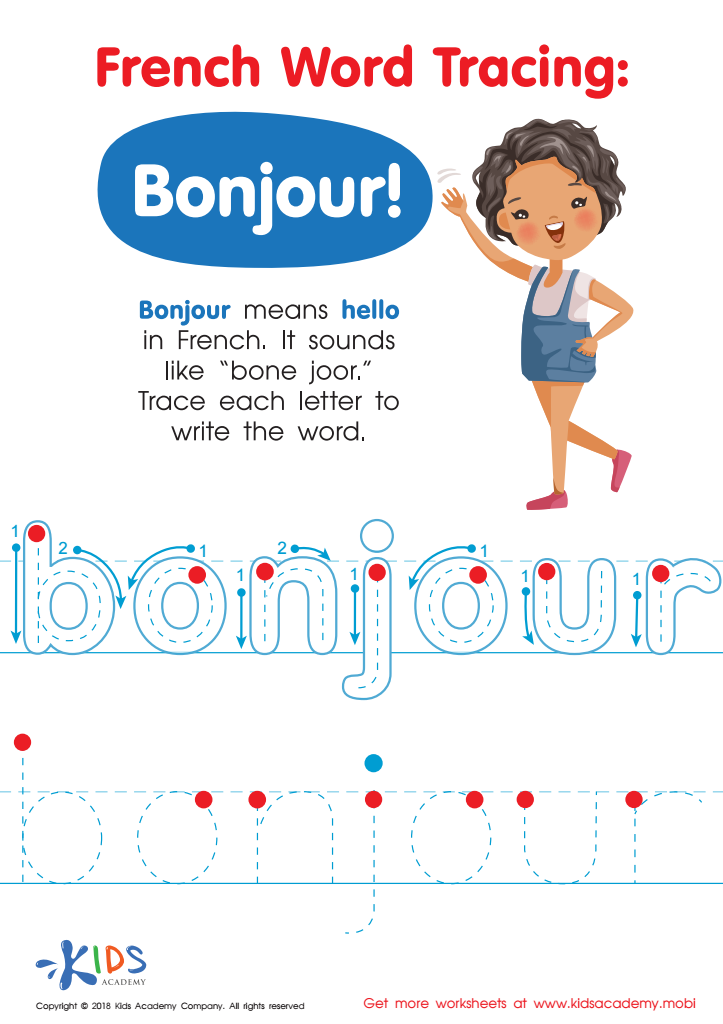
French Word Tracing: Bonjour Worksheet
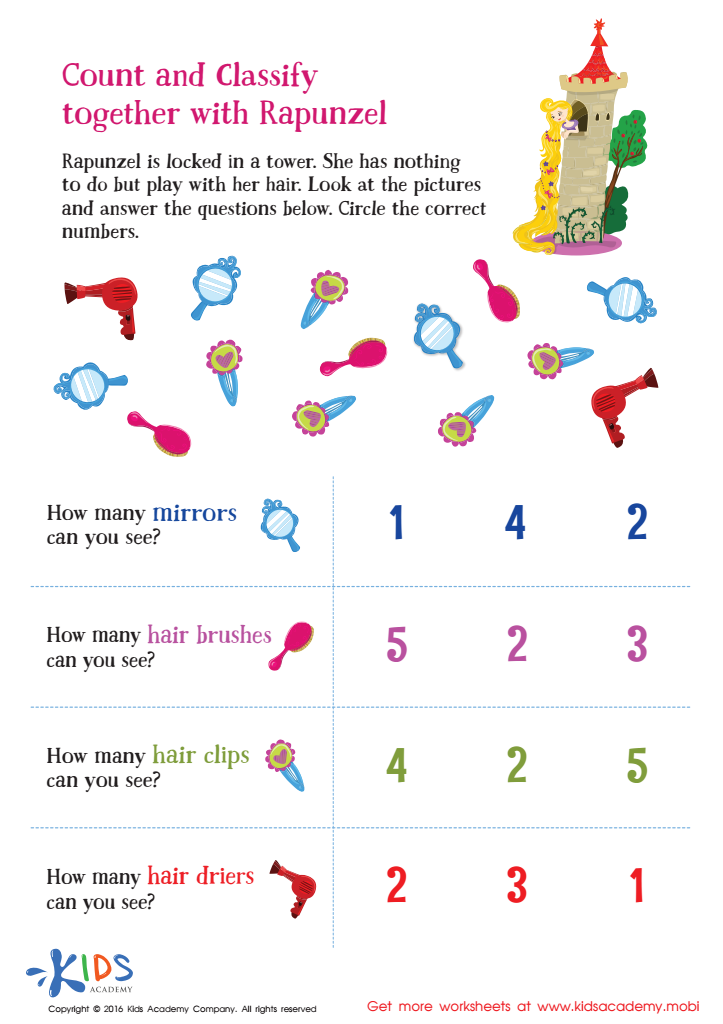
Fairy Tale Worksheet: Count and Classify with Rapunzel
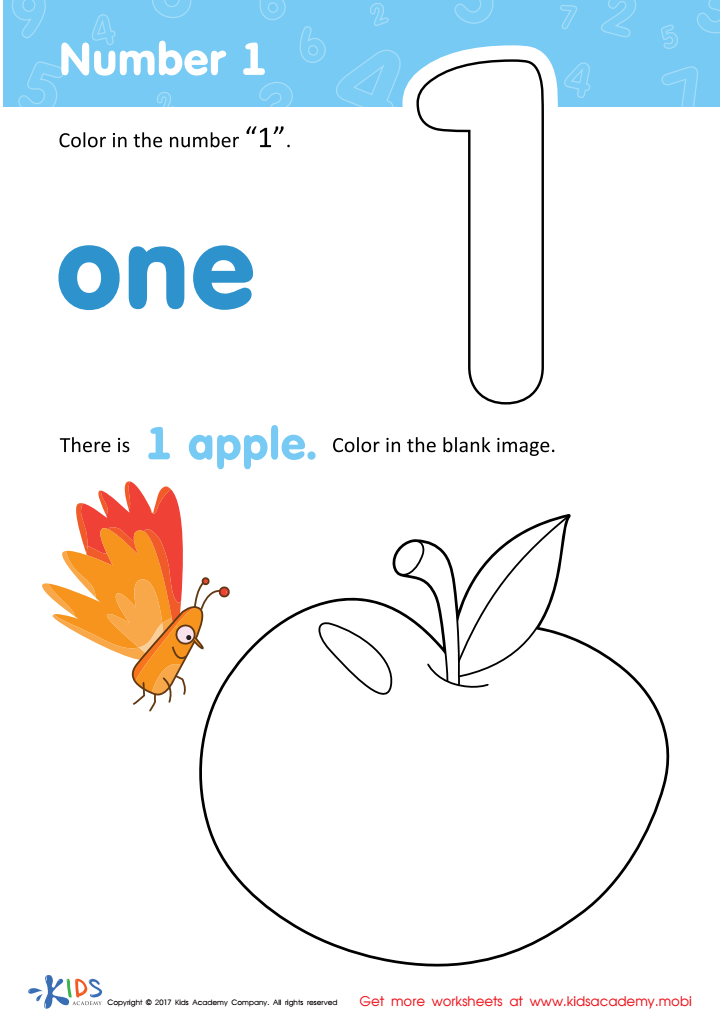
Number 1 Printable
 Assign to My Students


.jpg)




Writing practice is essential for children aged 3-4 as it serves as a foundation for their overall literacy development. During this critical stage, young learners begin to explore language and strengthen their fine motor skills. Engaging them in writing activities not only improves their hand-eye coordination but also enhances their ability to express thoughts and ideas.
As parents and teachers, it is important to recognize that early writing experiences can foster creativity and boost self-confidence. Providing challenges, such as tracing letters or drawing shapes, helps children gain a sense of accomplishment that can motivate them to explore writing further. Furthermore, encouraging children to practice writing can aid in their cognitive development, allowing them to process information and make connections.
Research shows that practices like these can significantly contribute to later academic success. By nurturing a love for writing at a young age, caregivers can help children develop essential communication skills, setting them up for effective interactions in school and beyond. In essence, Writing Practice Extra Challenge serves not only to prepare children for future educational endeavors but also to enrich their personal expression and understanding of the world around them. Thus, it is essential for parents and teachers to invest time in these early writing experiences.








