Animal recognition Extra Challenge Math Worksheets for Ages 3-4
5 filtered results
-
From - To
Introduce your little ones to the exciting world of animal recognition with our Extra Challenge Math Worksheets for Ages 3-4! These engaging printables are designed to enhance early math skills while helping children identify animals. Each worksheet provides fun, interactive activities that promote critical thinking and problem-solving. Kids will enjoy matching animals with numbers, counting, and completing patterns, all while learning about various creatures. Perfect for home or classroom use, these worksheets make learning fun and effective. Help your child build a strong foundation in math and animal recognition with our specially curated extra challenge worksheets today!
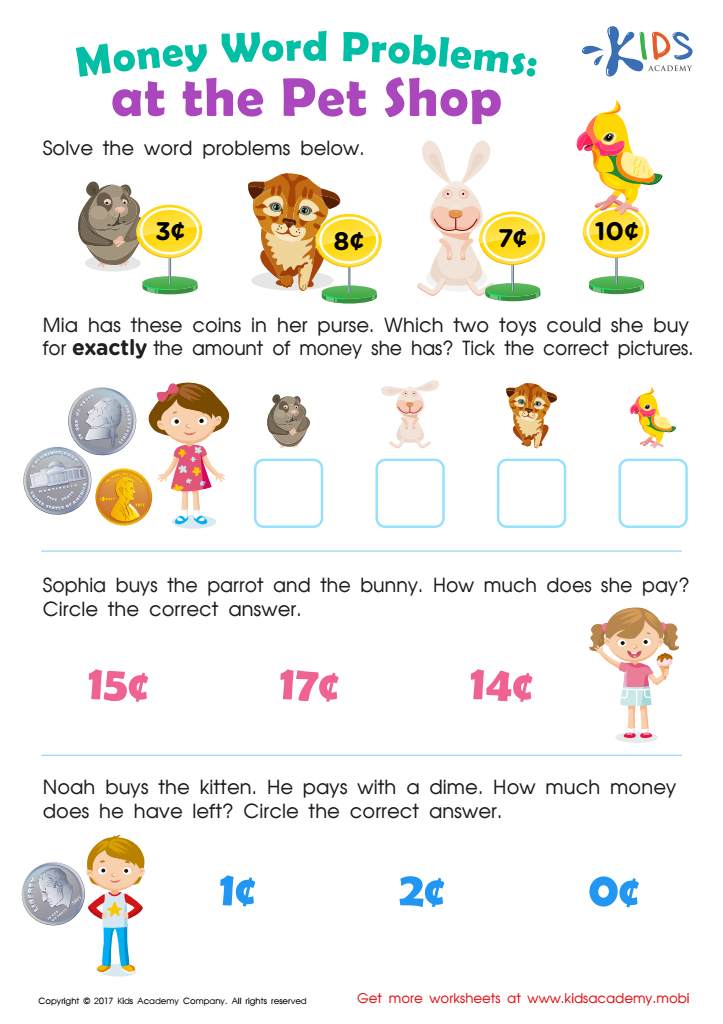
Pet Shop Worksheet
 Assign to My Students
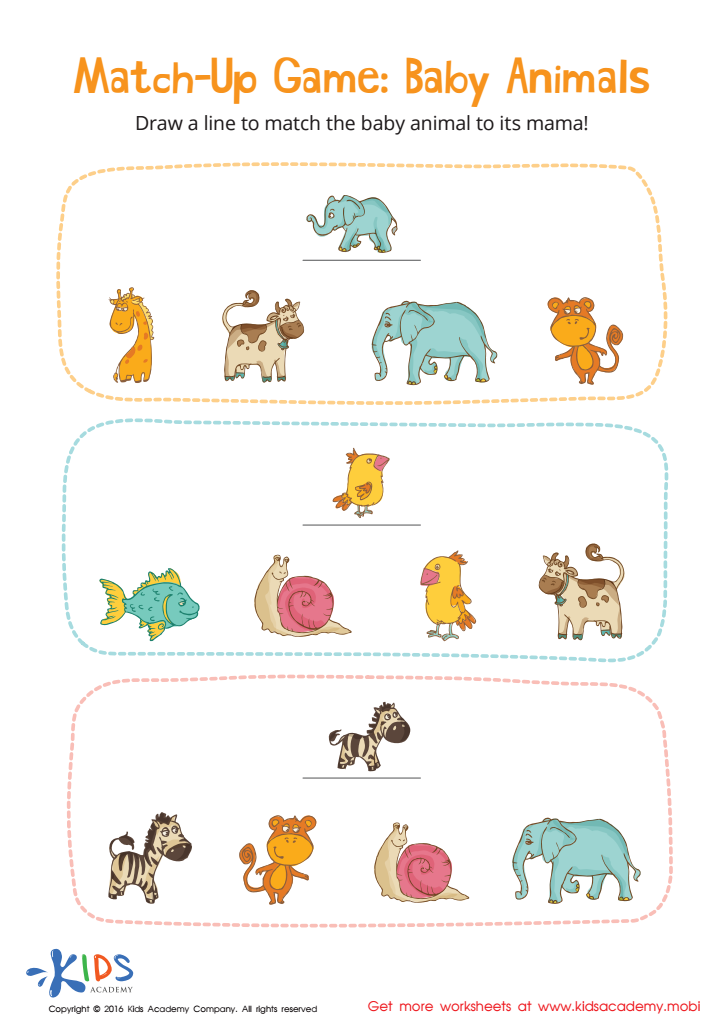
Baby Animals Match-Up Worksheet
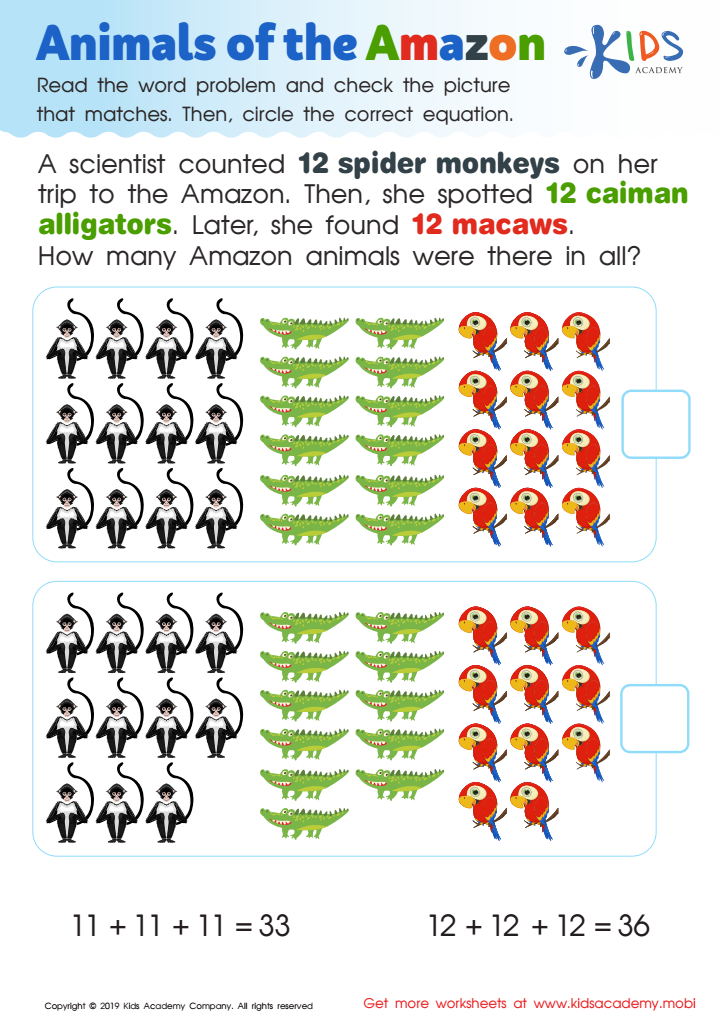
Animals of Amazon Worksheet
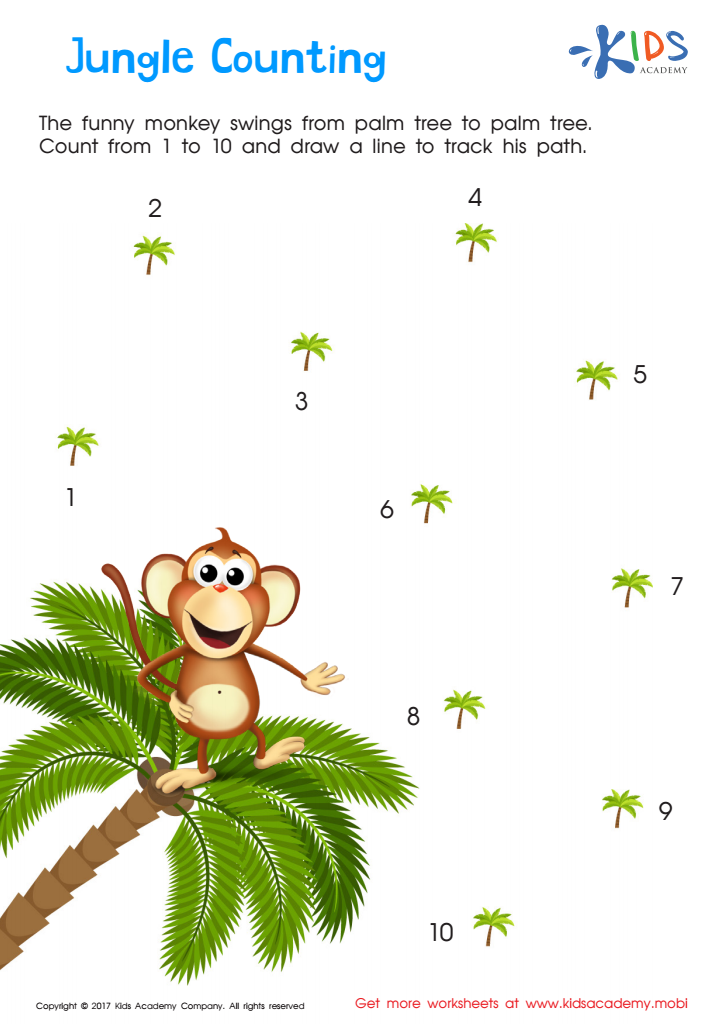
Jungle Counting Connect Dots Worksheet
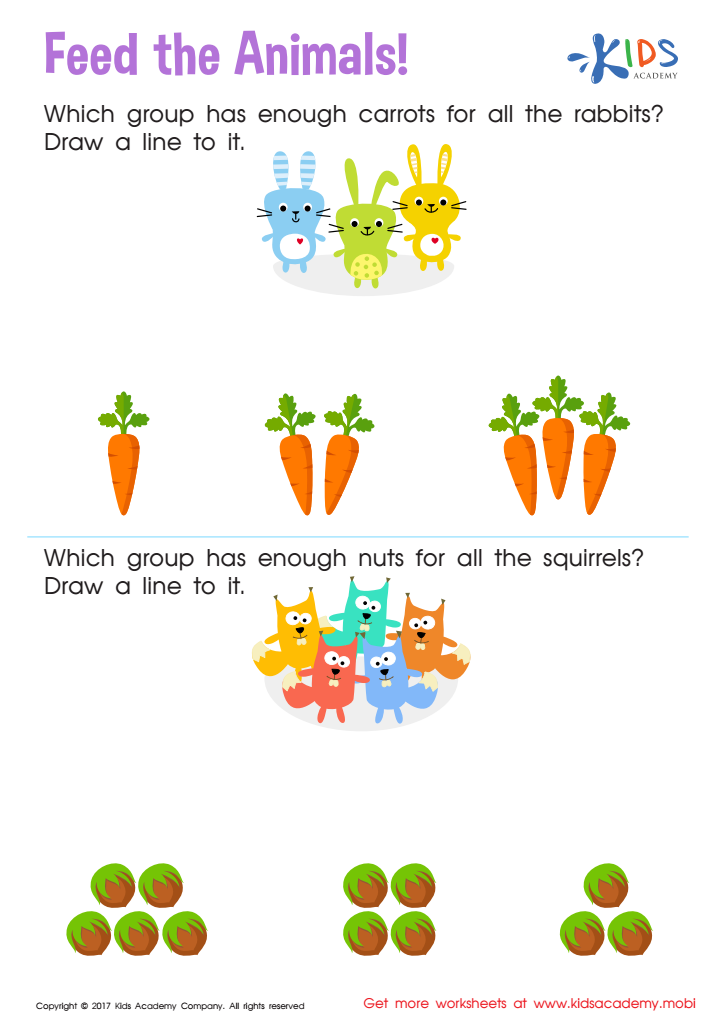
Count and Match: Feed the Animals Worksheet








Animal Recognition Extra Challenge Math for Ages 3-4 is an essential educational tool that combines early animal recognition with foundational math skills, making learning engaging and interactive. For parents and teachers, this resource is vital because it not only enhances children's cognitive development but also fosters a love for learning. At this age, children are naturally curious, and engaging them through animals, something they are often fascinated by, significantly boosts their attention and participation.
This program encourages critical thinking and problem-solving by integrating math concepts, such as counting and patterns, into fun animal-themed activities. Parents and teachers should care because it supports the development of essential skills linked to future academic success, such as number sense and recognition of basic shapes. Furthermore, it promotes sensory experiences and improves fine motor skills through hands-on activities.
Additionally, it nurtures social skills as children often collaborate or share their insights during activities, building their communication abilities. Overall, Animal Recognition Extra Challenge Math is not just about learning math; it's an enriching experience that fosters emotional and intellectual growth, preparing children for a successful educational journey. Investing in such resources can yield long-term benefits in a child’s academic and social development.








