Fine Motor Skills Extra Challenge Worksheets for Ages 3-5 - Page 2
40 filtered results
-
From - To
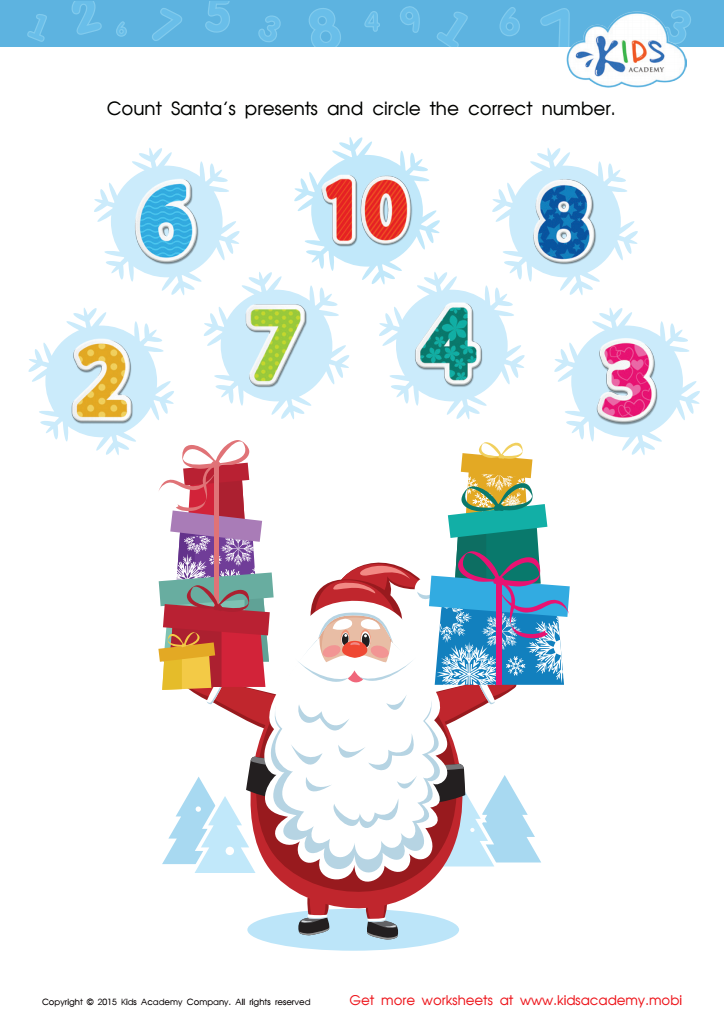
Count Santa's Presents Worksheet
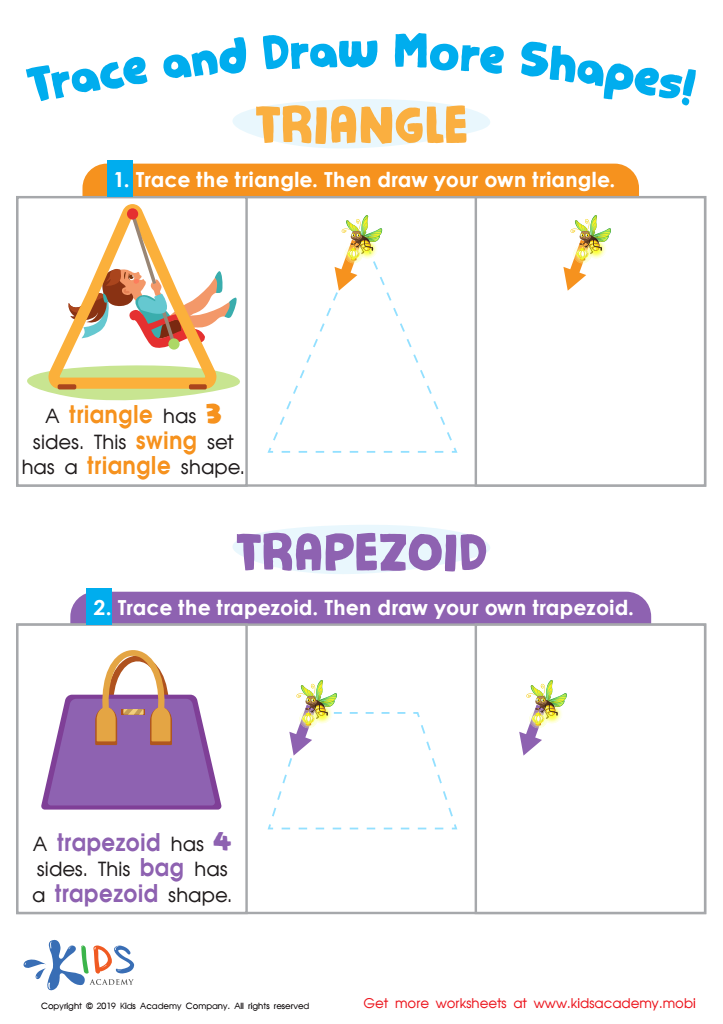
Trace and Draw More Shapes Worksheet
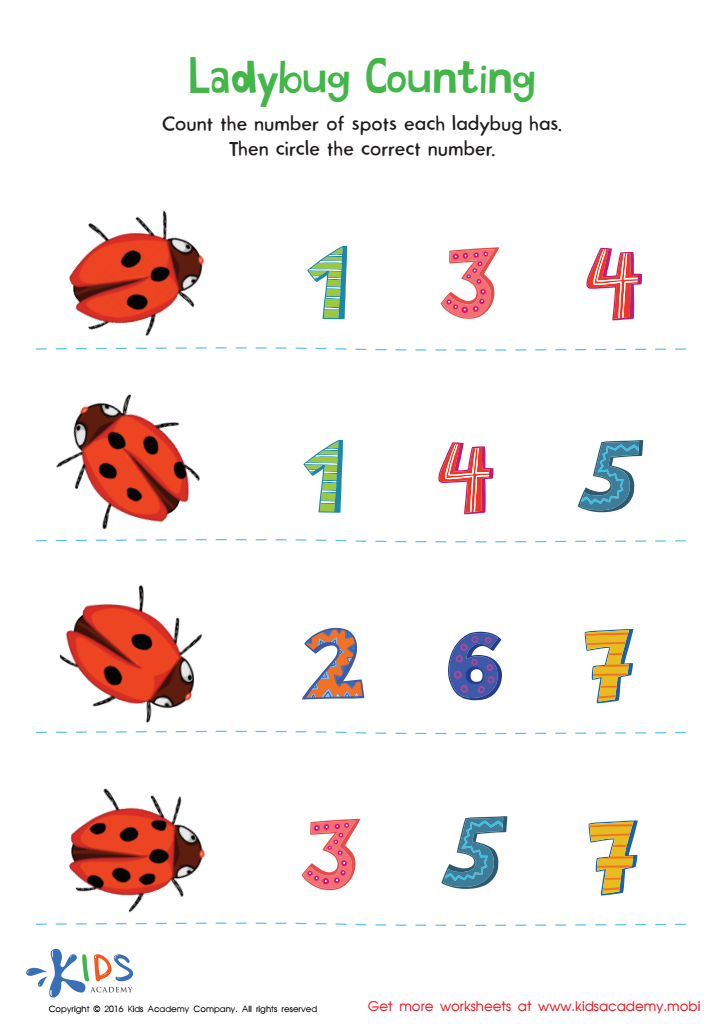
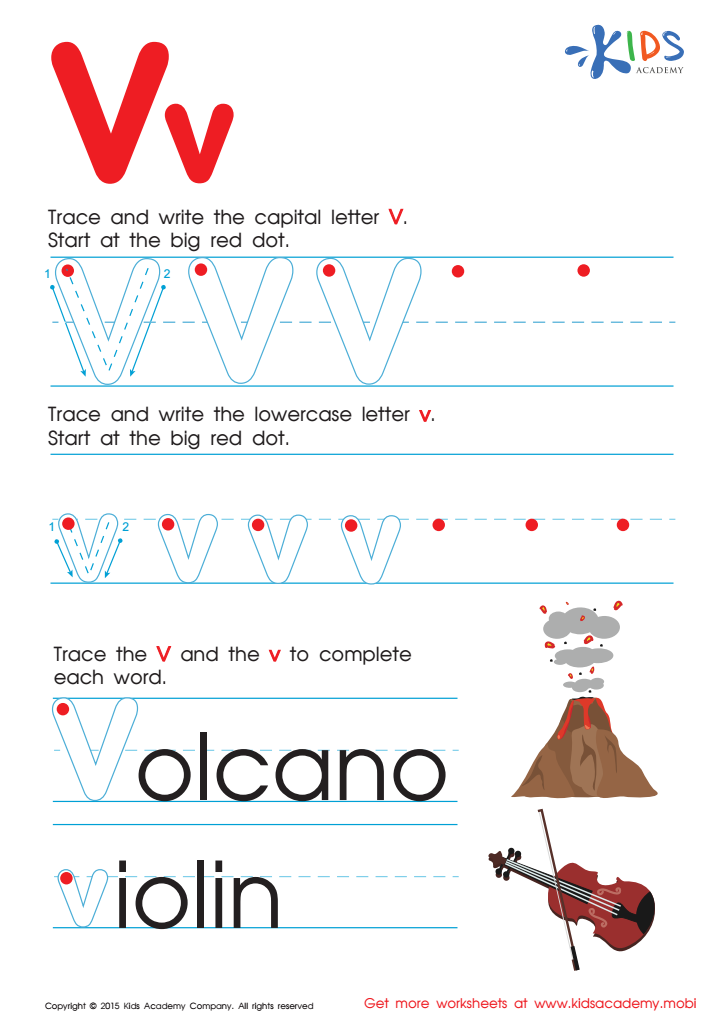
Letter V Tracing Page
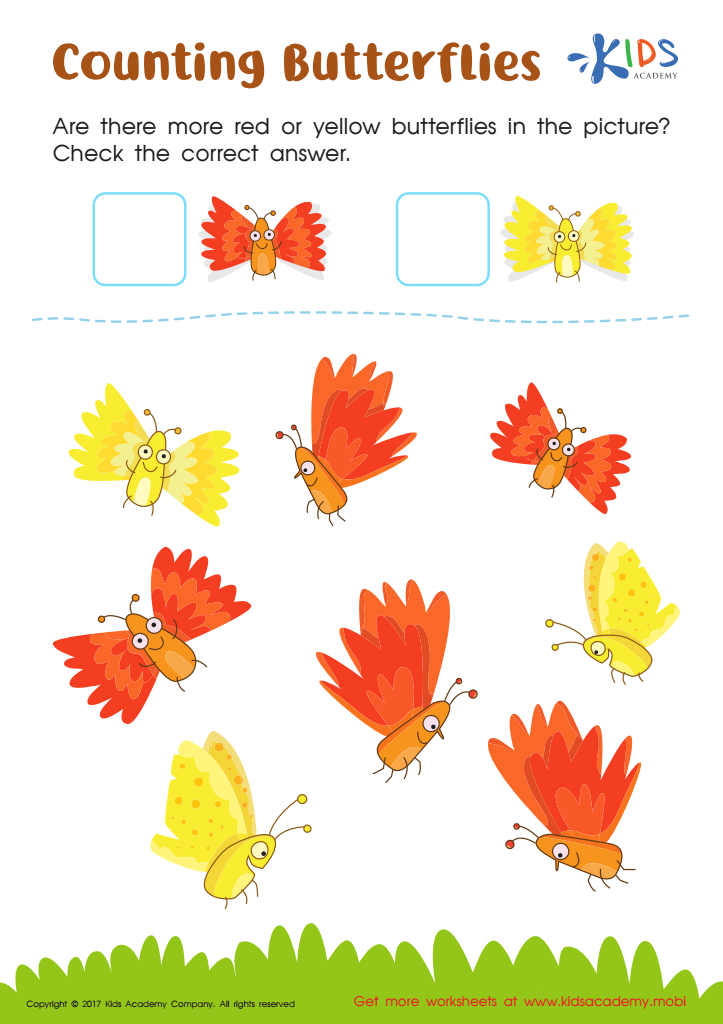
Counting Butterflies Worksheet
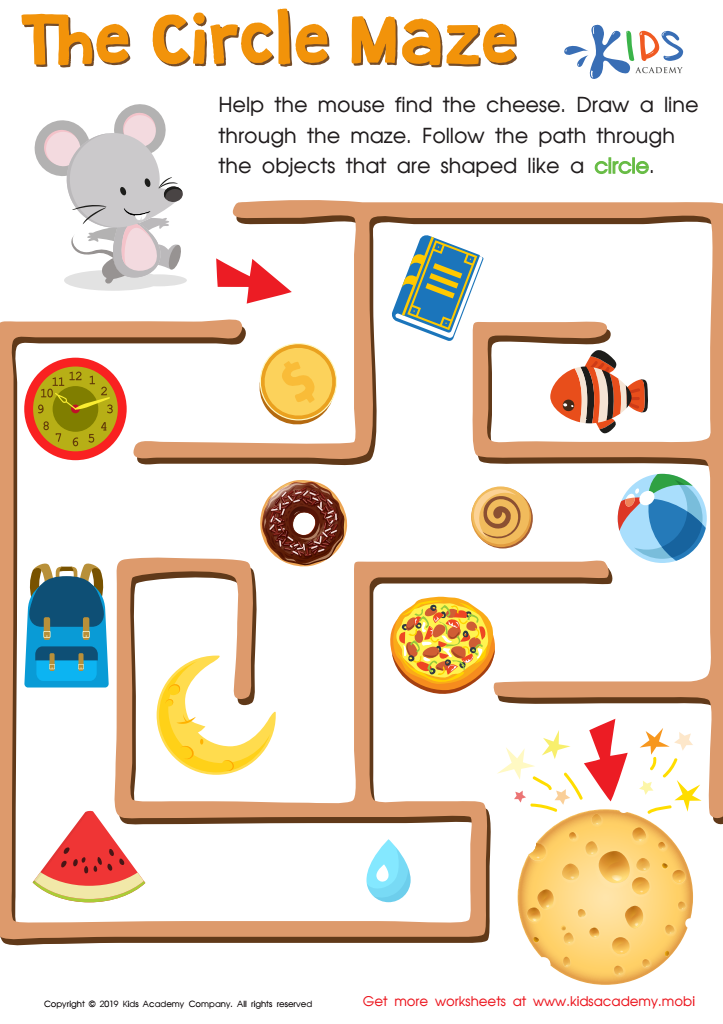
The Circle Maze Worksheet

Santa Claus Tracing Winter Words Worksheet

Pirate Ship Connect Dots Worksheet
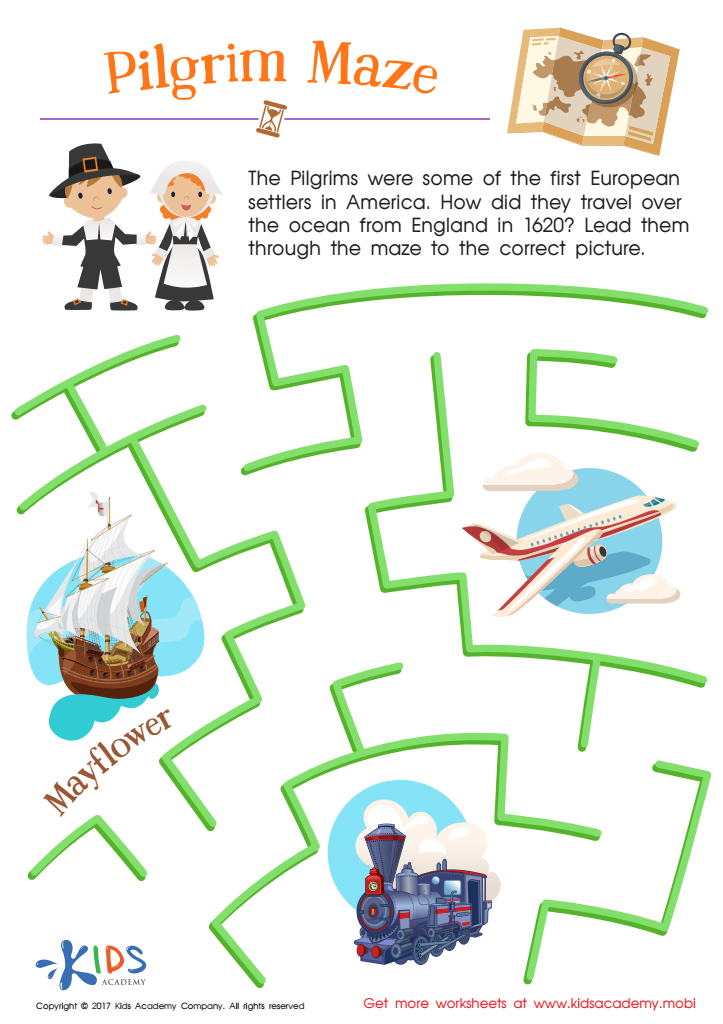
Pilgrim Maze Worksheet
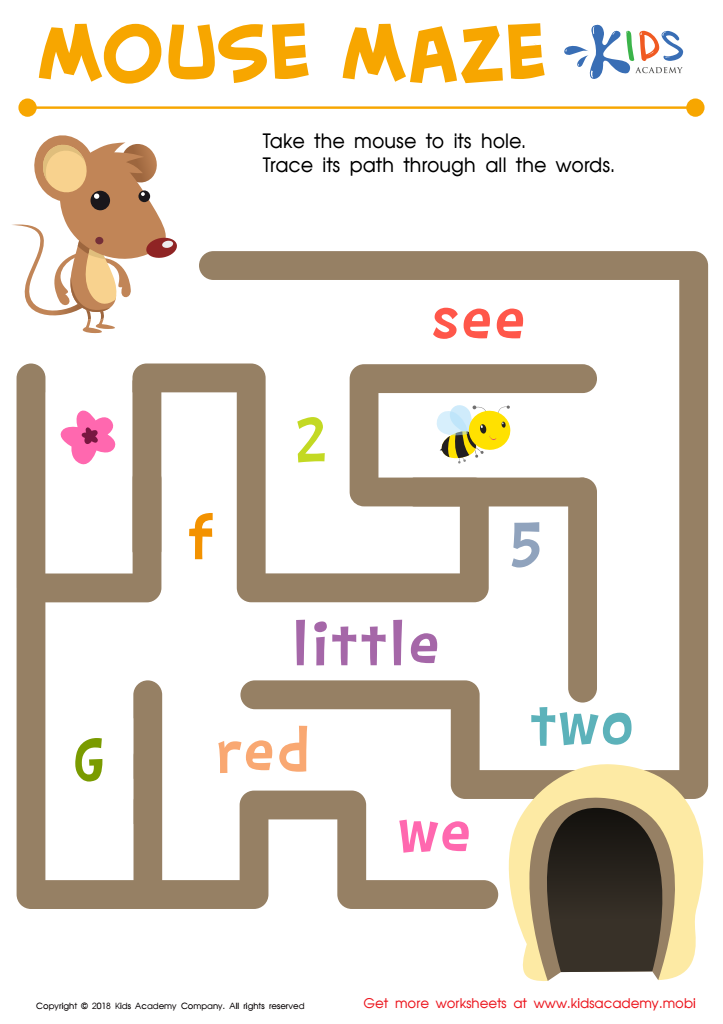
Find Words Mouse Maze Worksheet
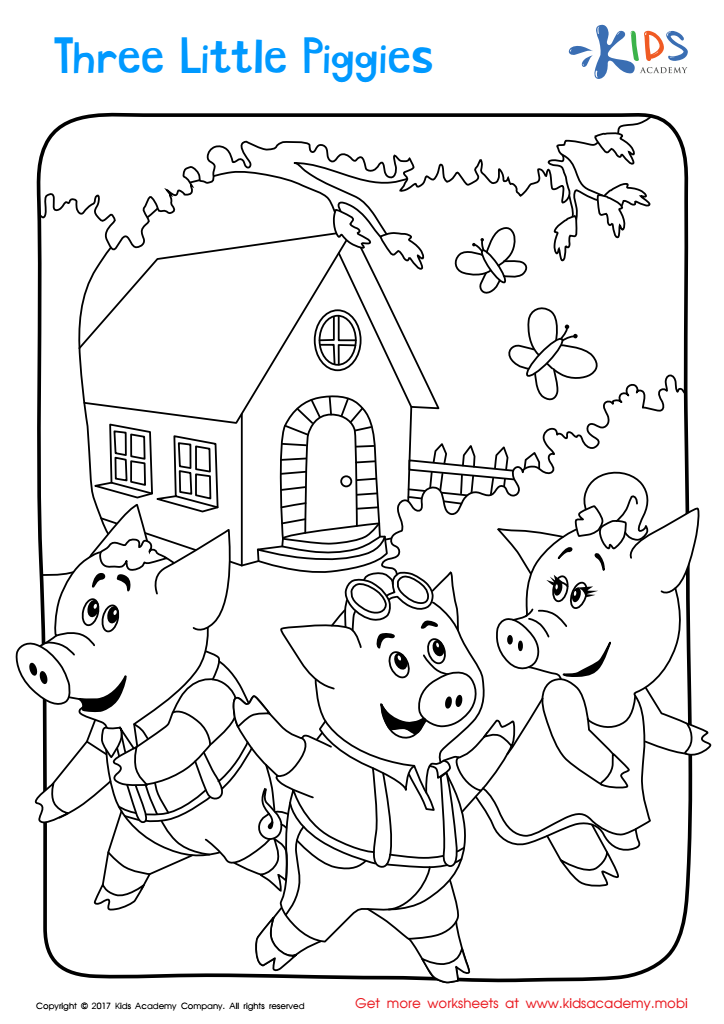
Three Little Piggies Printable Coloring Page
 Assign to My Students
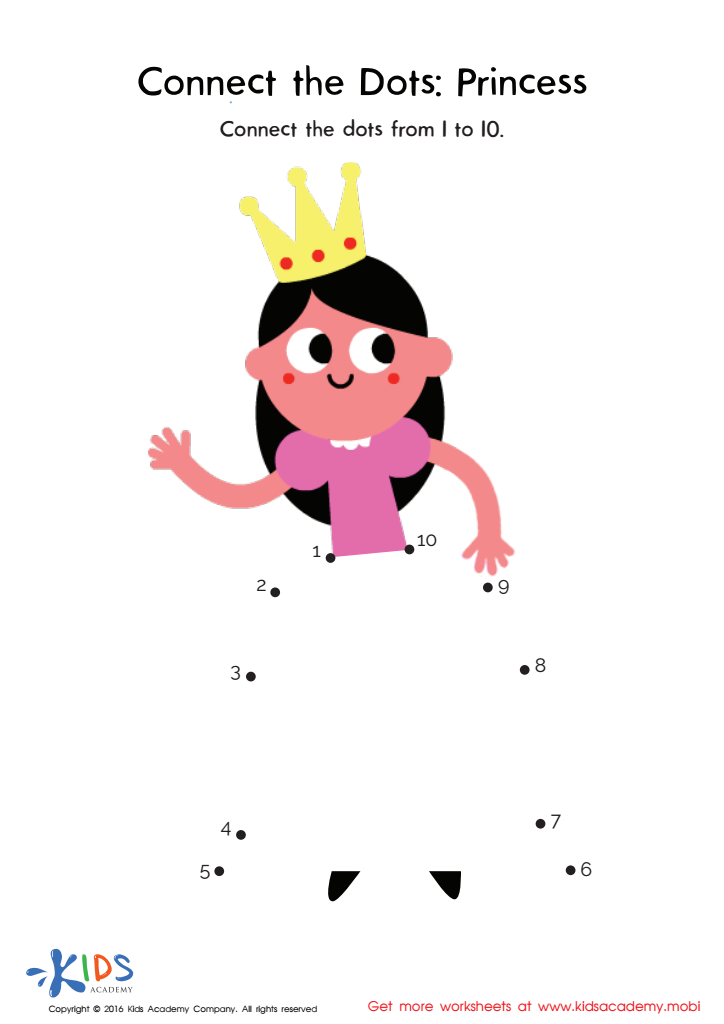
Princess Connect Dots Worksheet
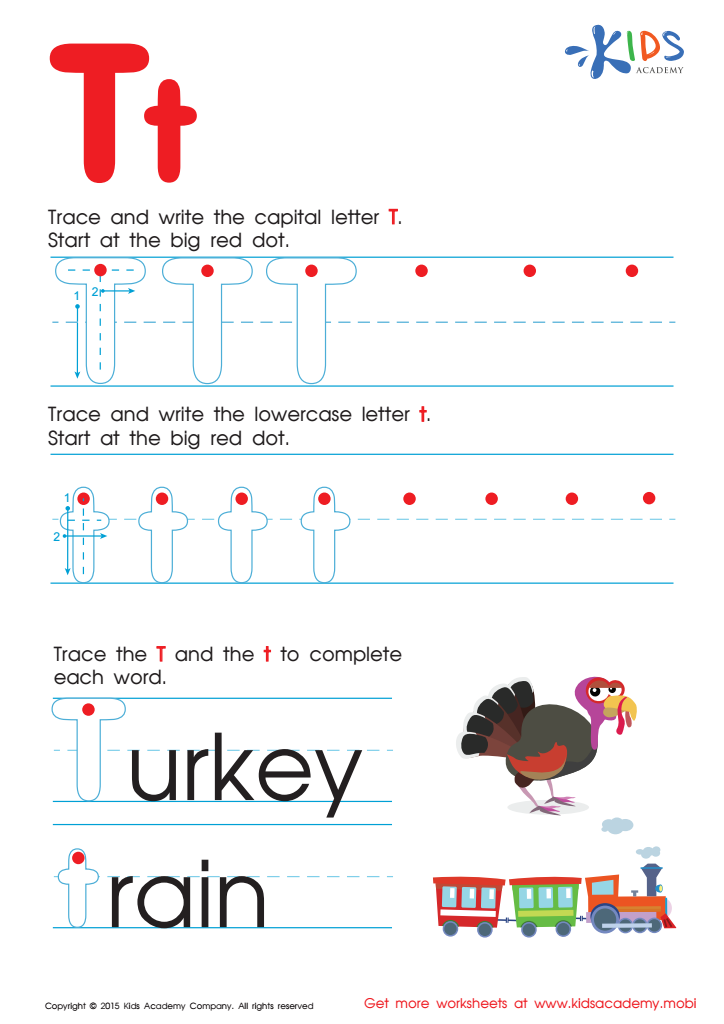
Letter T Tracing Page
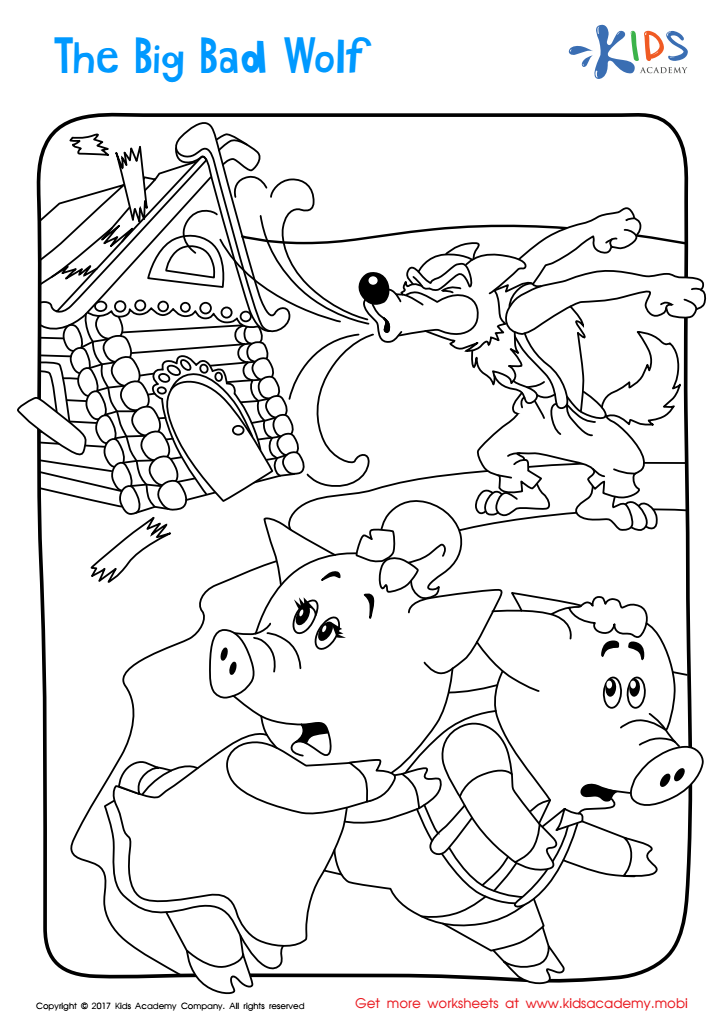
Big Bad Wolf Printable Coloring Page
Assign to My Students
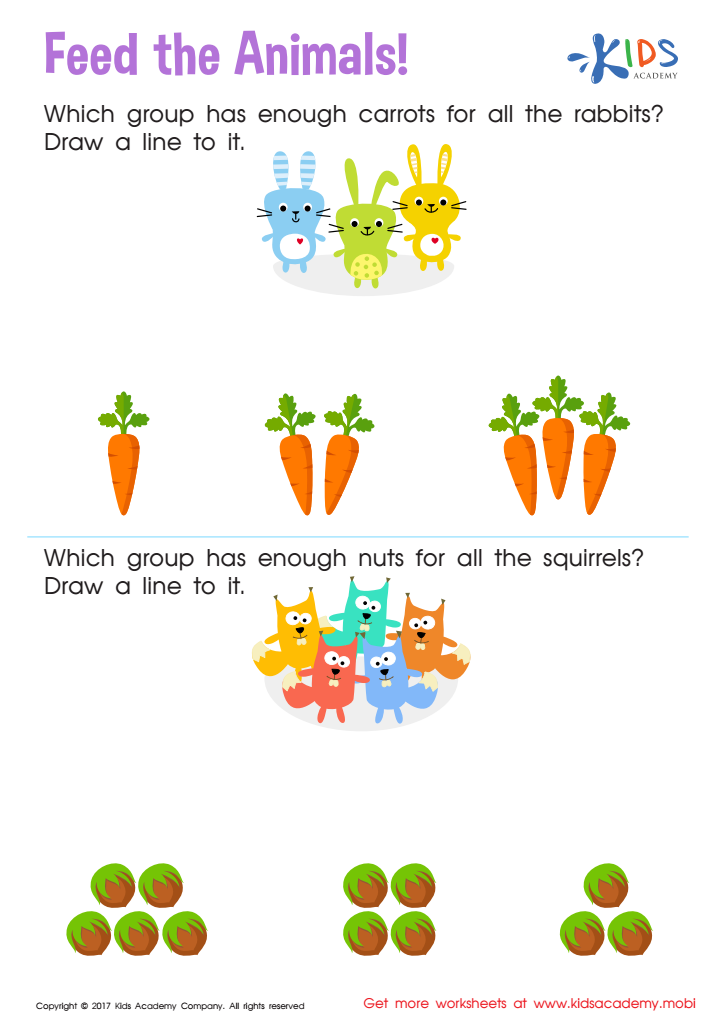
Count and Match: Feed the Animals Worksheet







Fine motor skills are crucial for young children's development, as they are the foundation for everyday tasks such as writing, drawing, and self-care activities like buttoning shirts or tying shoes. For children ages 3-5, engaging in extra challenges focused on fine motor skills offers numerous developmental benefits.
Firstly, these activities encourage hand-eye coordination and precision, which are vital as children start school and face new academic challenges. Strengthening these skills also enhances their ability to manipulate writing instruments, which lays the groundwork for effective handwriting.
Moreover, fine motor skill activities promote cognitive development. Children learn to solve problems and develop spatial awareness while engaging in tasks like threading beads or assembling puzzles. This multifaceted skill-building fosters concentration, patience, and perseverance—all essential traits for lifelong learning.
For parents and teachers, facilitating fun, hands-on challenges not only keeps children engaged but also nurtures their confidence and independence. By actively participating in these activities with children, adults strengthen familial bonds while reinforcing essential skills. In essence, prioritizing fine motor skills through extra challenges cultivates well-rounded children ready to tackle both creative and academic endeavors, paving the way for future success.








