Number identification Extra Challenge Worksheets for Ages 3-5
3 filtered results
-
From - To
Enhance your young learner's number identification skills with our Extra Challenge Worksheets designed for ages 3-5. These engaging activities provide a fun and interactive way for preschoolers to explore numbers through colorful visuals and creative exercises. Each worksheet is carefully crafted to challenge children while reinforcing their understanding of numbers, helping them recognize, count, and compare quantities. Ideal for both classroom settings and at-home learning, our worksheets encourage fine motor skills and critical thinking. Perfect for early education, these number identification tasks will make learning an enjoyable adventure for your little ones! Download your worksheets today and guide your child’s mathematical journey!
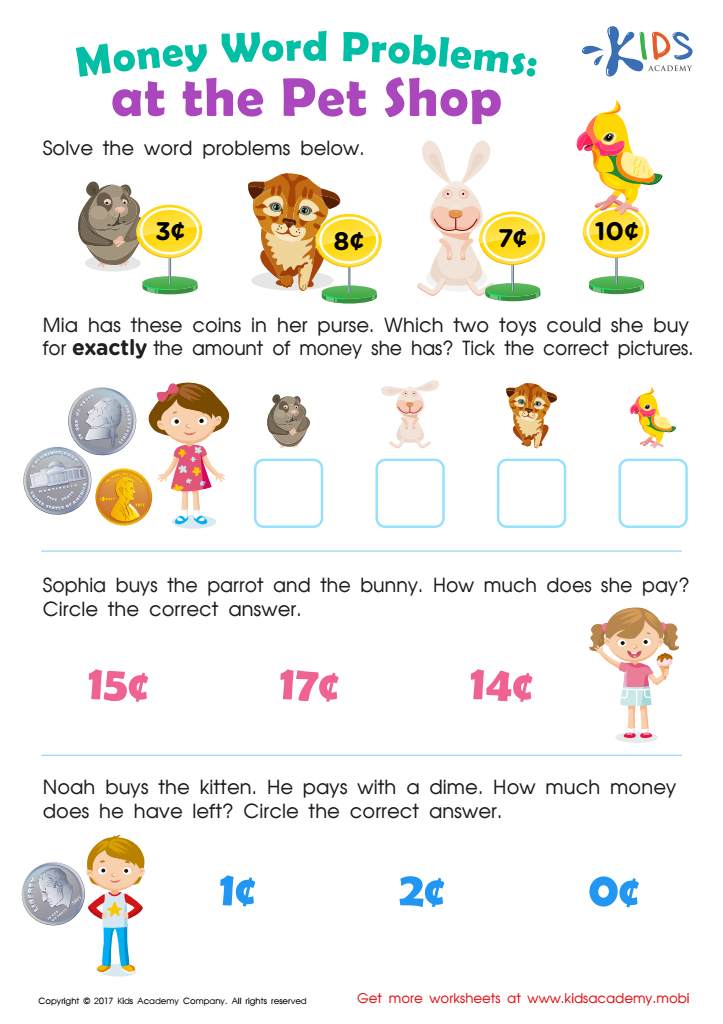
Pet Shop Worksheet
 Assign to My Students
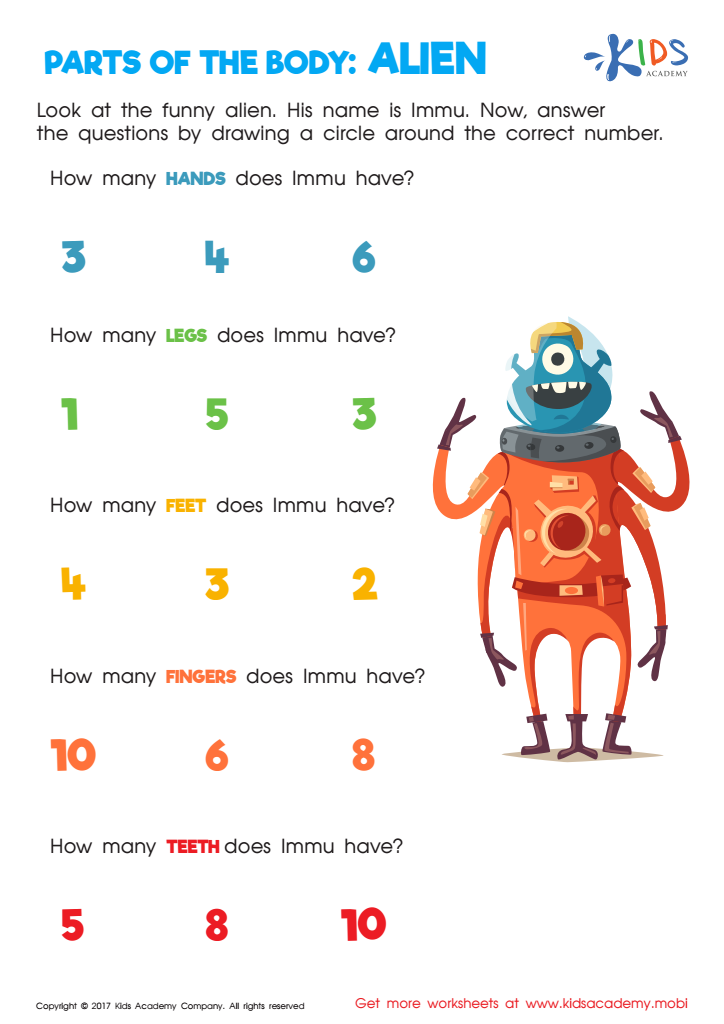
Alien Worksheet
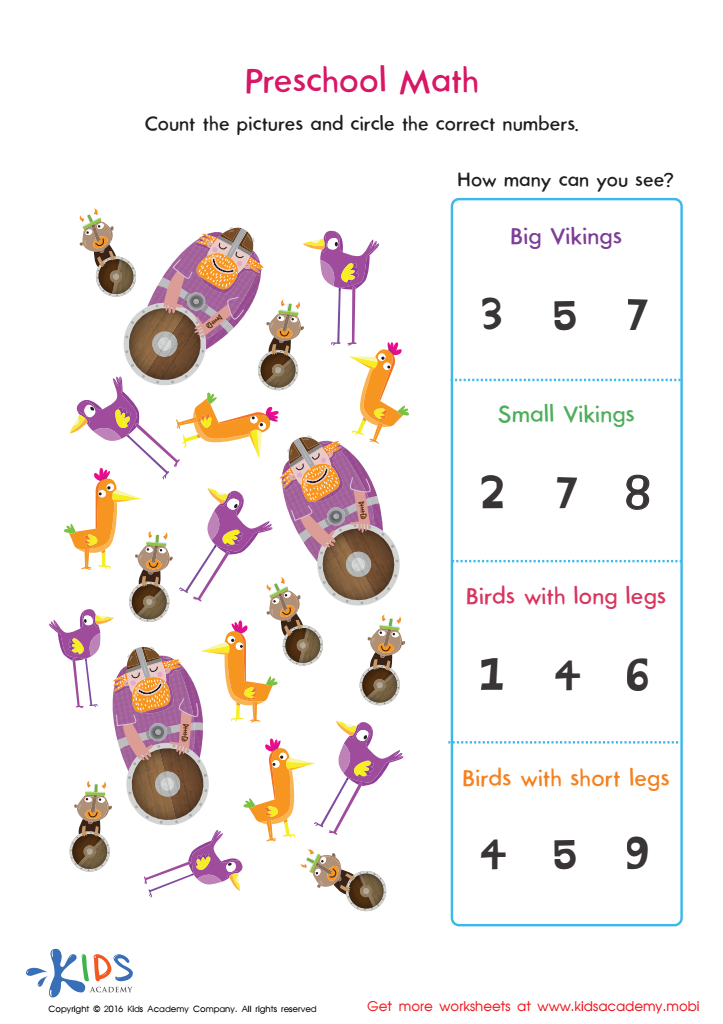






Number identification is a fundamental skill critical for early mathematics development in children ages 3-5. Parents and teachers should care about this milestone for several reasons. First, recognizing numbers lays the groundwork for future math concepts, such as counting, addition, and subtraction. When children can identify numbers, they develop confidence and a positive attitude towards math, setting the stage for academic success.
Additionally, number identification fosters cognitive skills, such as problem-solving and critical thinking. Engaging in activities that challenge children to recognize and manipulate numbers enhances their ability to think logically. Many educational approaches encourage play-based learning, making number recognition both fun and effective, which captures children's interests and keeps them engaged.
Practicing number identification can also support social skills. Many activities can be done in group settings, helping children learn to share, cooperate, and communicate with peers. Lastly, as parents and teachers model number recognition, they create an enriched learning environment that values mathematics in daily life. By prioritizing number identification in the early years, we lay a strong foundation for children's future learning, helping them succeed in mathematics and beyond.








