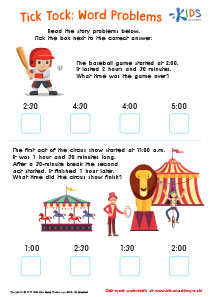
Subtraction practice Extra Challenge Addition and Subtraction Word Problems Worksheets for Ages 3-5
3 filtered results
-
From - To
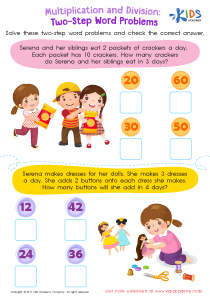
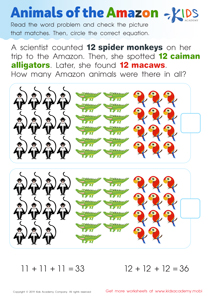
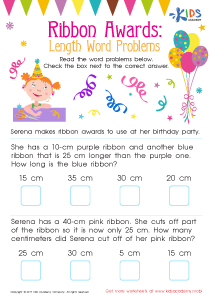
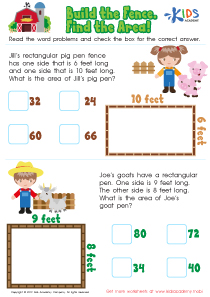
Welcome to our "Subtraction Practice Extra Challenge Addition and Subtraction Word Problems Worksheets" page, designed specifically for children ages 3-5. These engaging worksheets offer a fun and interactive way for young learners to develop their math skills. Featuring colorful illustrations and easy-to-understand word problems, your child will enhance their subtraction abilities while tackling addition challenges simultaneously. Our thoughtfully crafted exercises promote critical thinking and problem-solving in a playful manner, ensuring a positive learning experience. Perfect for parents and teachers, these worksheets make math enjoyable and accessible, laying a strong foundation for future mathematical success. Let's embark on this fun journey together!
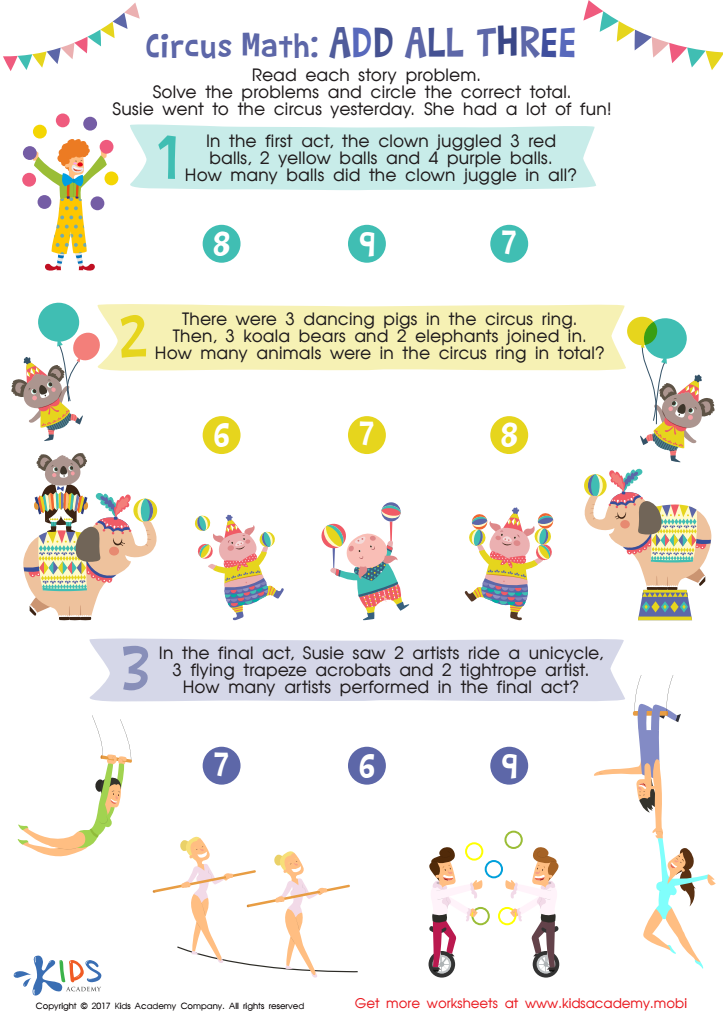
Circus Math Printable
 Assign to My Students
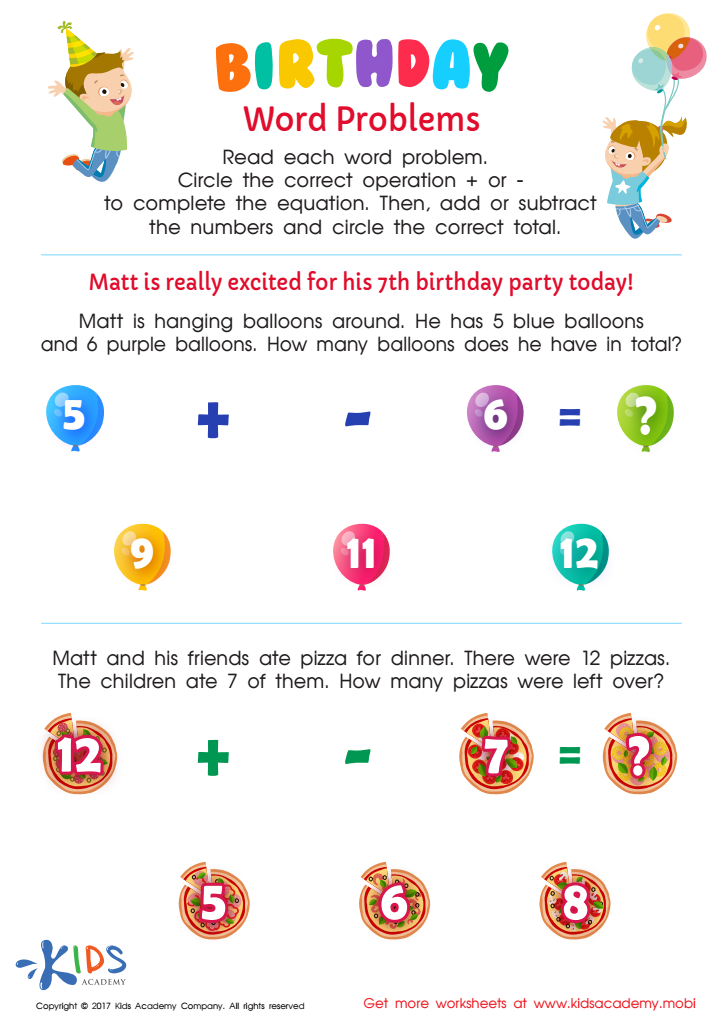
Birthday Word Problems Substraction Worksheet
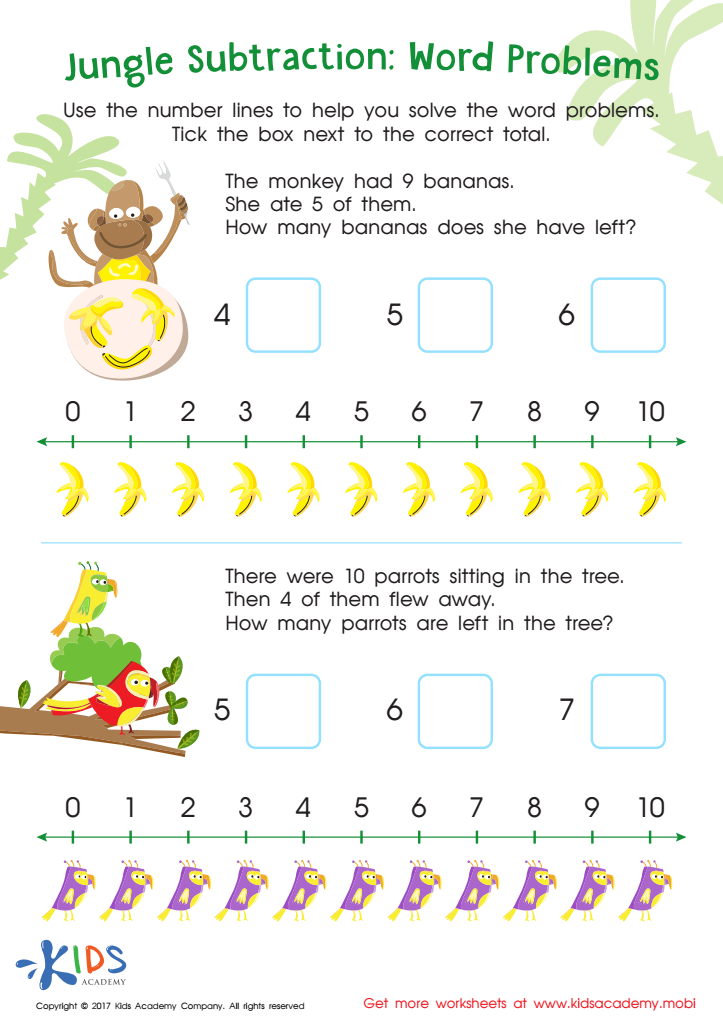
Jungle Subtraction Word Problems Substraction Worksheet








Parents and teachers should prioritize subtraction practice and extra challenge addition and subtraction word problems for children aged 3-5 for several compelling reasons. Early math skills lay the foundation for future academic success. At this developmental stage, children are naturally curious and eager to learn, making it a prime time to introduce mathematical concepts in an engaging way.
Practicing subtraction helps young learners develop critical thinking and problem-solving skills. They begin to understand the relationship between numbers, which is crucial for grasping more complex math operations later on. Subtraction activities, especially those that involve real-world scenarios through word problems, enhance cognitive development by fostering comprehension and reasoning.
Moreover, these challenges prepare children for future learning milestones, fostering confidence and a love for math at an early age. When children encounter word problems that reflect their everyday experiences, they begin to see mathematics as relevant and enjoyable, rather than abstract.
Integrating fun subtraction practice into daily routines or classroom activities promotes a positive attitude toward math, setting the stage for lifelong learning. By challenging them appropriately, parents and teachers can help children build essential skills they will rely on throughout their education.