Basic Addition Extra Challenge Numbers Worksheets for Ages 3-5
5 filtered results
-
From - To
Elevate your child's math skills with our “Basic Addition Extra Challenge Numbers Worksheets” designed specifically for ages 3-5! These engaging and interactive worksheets introduce young learners to foundational addition concepts through fun and colorful activities. Each worksheet offers various levels of challenges to stimulate curiosity and enhance number recognition and simple addition skills. Perfect for preschool or kindergarten classrooms, these resources promote critical thinking and problem-solving while keeping learning enjoyable. Transform your child’s early math journey with these exciting worksheets that will build confidence and pave the way for future math success. Download now and watch your little one flourish!
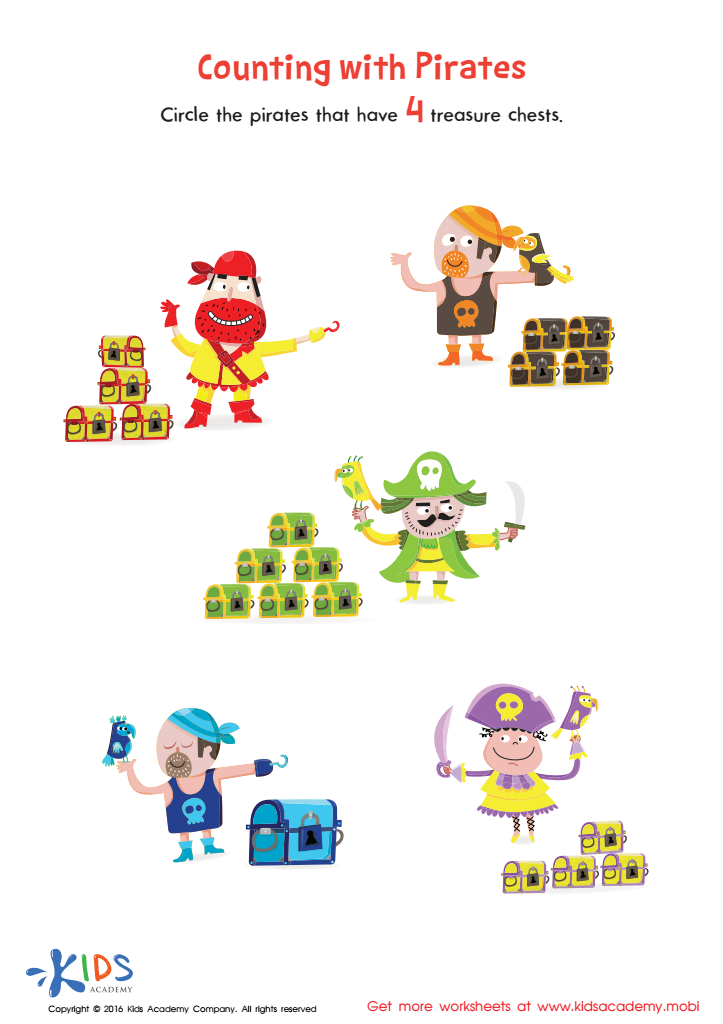
Counting With Pirates Worksheet
 Assign to My Students
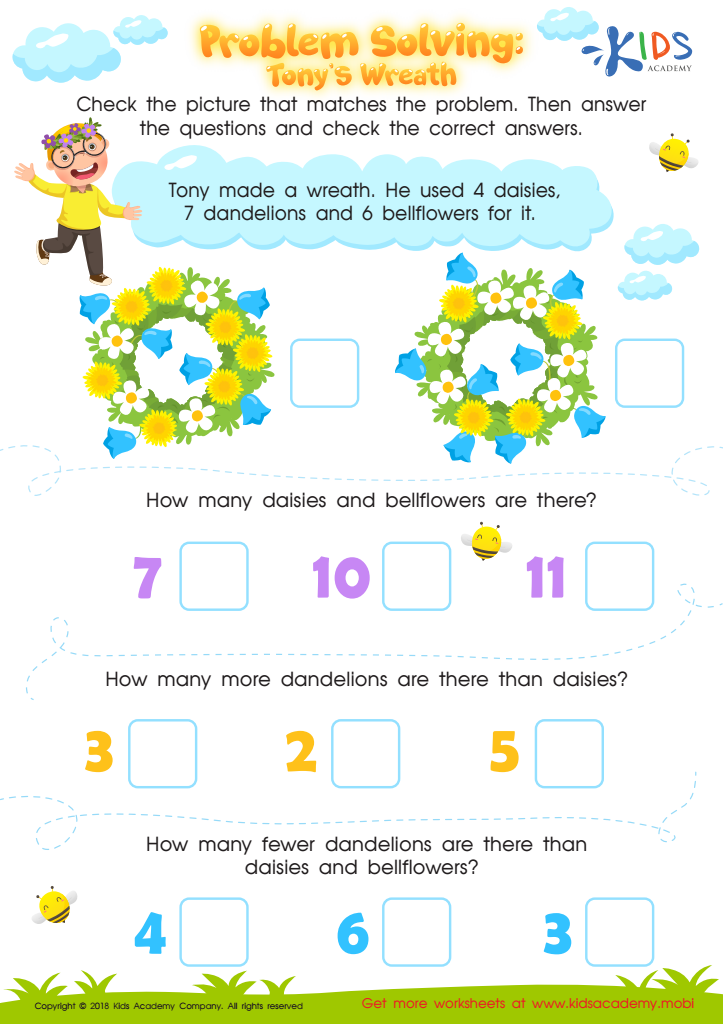
Problem Solving: Tony's Wreath Worksheet
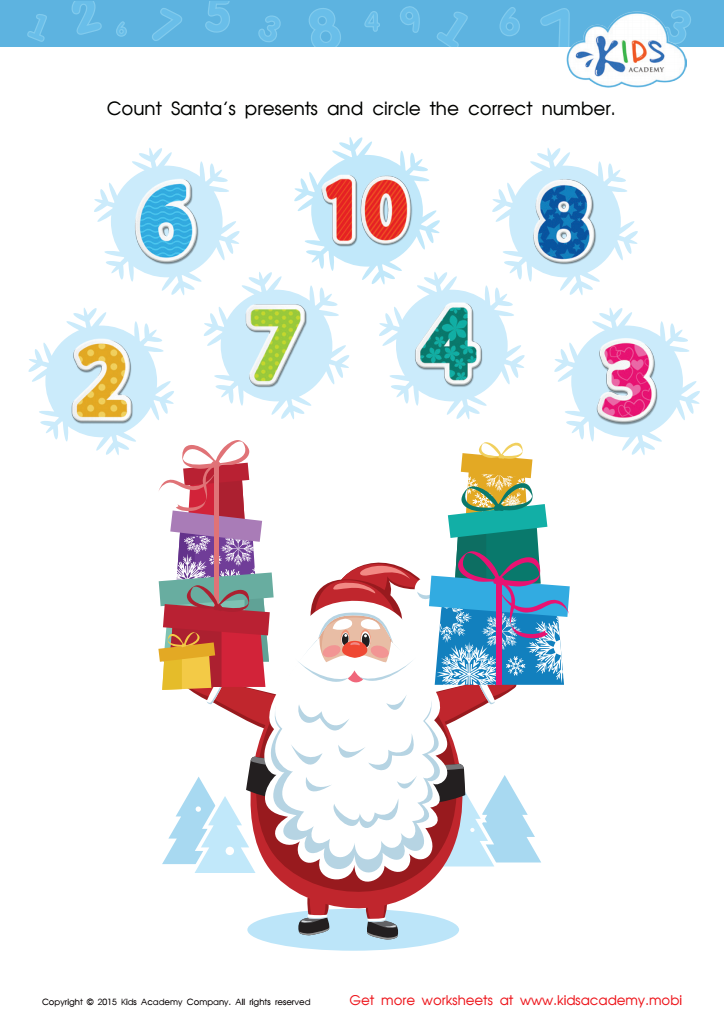
Count Santa's Presents Worksheet
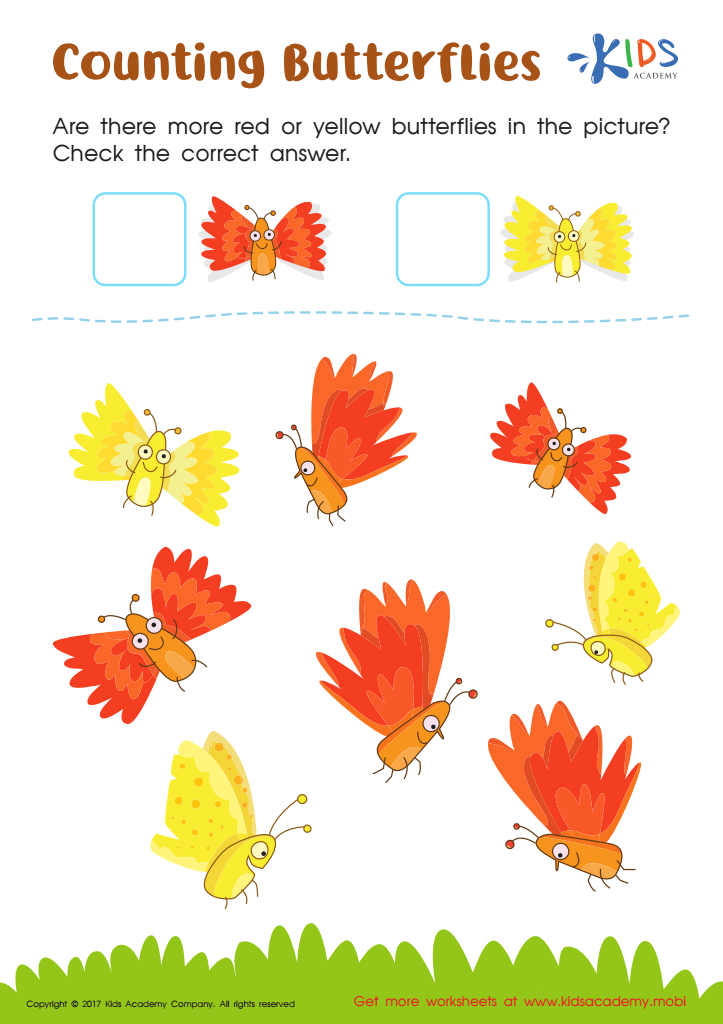
Counting Butterflies Worksheet
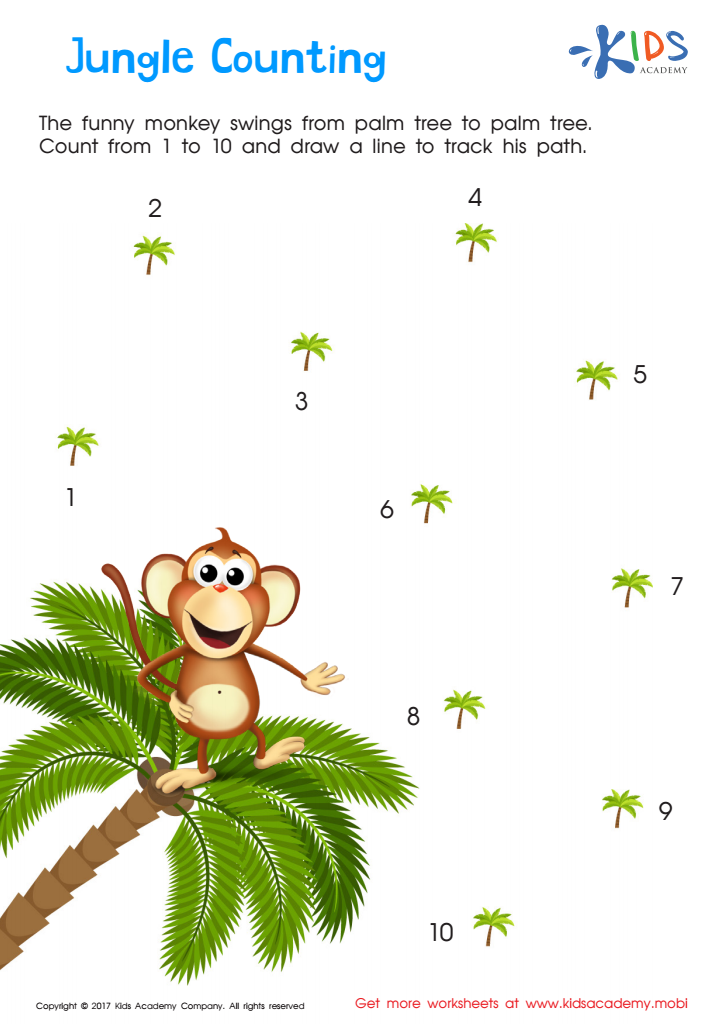
Jungle Counting Connect Dots Worksheet








Parents and teachers should care about basic addition extra challenge numbers for children ages 3-5 as it lays the groundwork for essential mathematical skills and cognitive development. At this developmental stage, children are naturally curious and eager to explore concepts. Introducing addition through engaging activities helps them build foundational skills, making learning enjoyable and effective.
Basic addition challenges encourage problem-solving and critical thinking. When children tackle extra challenges, they develop perseverance and resilience, which are vital for their overall success in academics and life. These activities also promote number sense, allowing young learners to understand quantities and relationships between numbers, setting the stage for more complex math concepts as they progress.
Further, communal play and learning activities associated with basic addition foster social skills. Collaboration and communication with peers provide opportunities for children to share ideas, negotiate solutions, and support one another—key skills for their future interactions.
By prioritizing these activities, parents and teachers create a stimulating environment that nurtures a love for learning. This early engagement in mathematics not only builds confidence but also conforms to developmental milestones, nurturing well-rounded individuals ready for future challenges. Ultimately, investing in early mathematical experiences cultivates lifelong learners who value and enjoy education.