Basic geometry understanding Extra Challenge Math Worksheets for Ages 3-5
3 filtered results
-
From - To
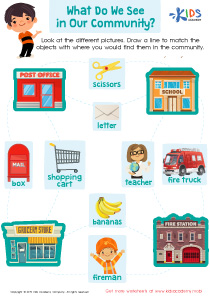
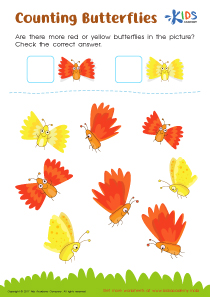
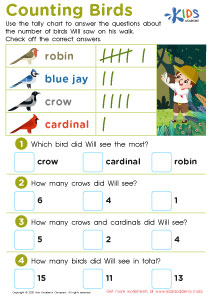
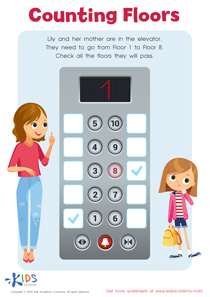
Enhance your child's geometric skills with our "Basic Geometry Understanding Extra Challenge Math Worksheets for Ages 3-5." Designed for young learners, these engaging worksheets introduce fundamental geometric concepts through fun activities. Children will explore shapes, sizes, and spatial relationships while boosting their problem-solving abilities. Our extra challenge worksheets encourage hands-on learning, fostering a solid foundation in geometry. These resources are perfect for early educators and parents aiming to complement classroom learning. Support your child's mathematical development with challenging, age-appropriate worksheets that make learning enjoyable and rewarding. Ignite a passion for math in your little ones today!
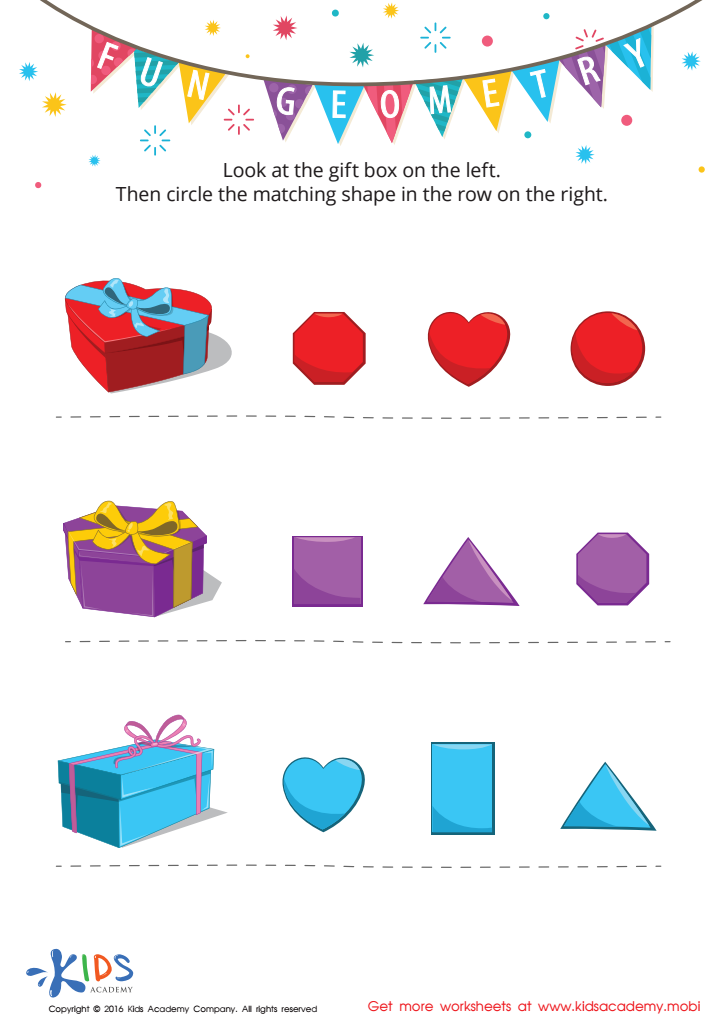
Fun Geometry Worksheet
 Assign to My Students
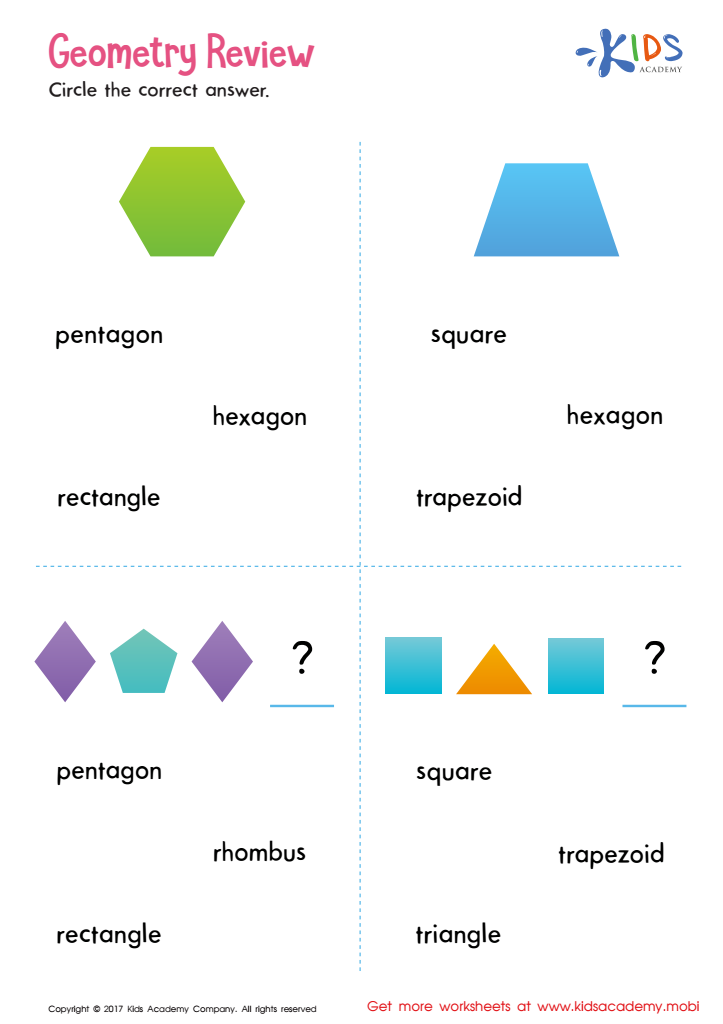
Geometry Review Printable
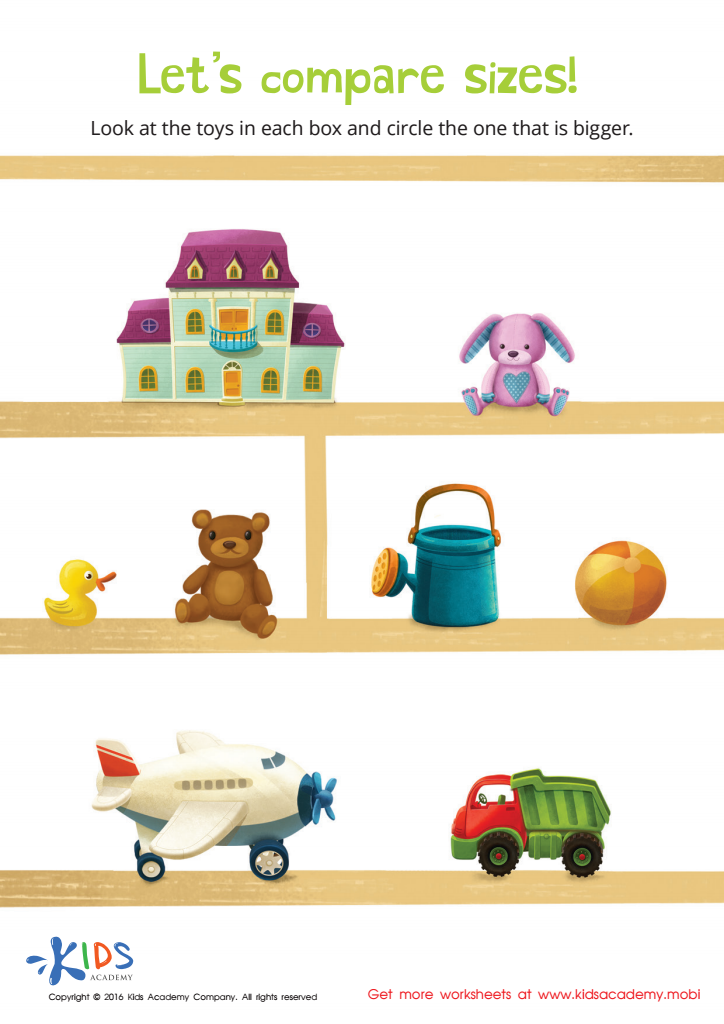
Classifying by Size Sorting Worksheet







Basic geometry understanding is foundational for children aged 3-5, and it is essential for both parents and teachers to prioritize this area of learning. Developing geometric skills at an early age lays the groundwork for logical thinking and problem-solving abilities. Children learn to identify shapes, understand spatial relationships, and recognize patterns, all of which are crucial cognitive skills that extend beyond math.
Furthermore, geometry enhances everyday experiences, helping children make sense of the world around them. For example, toddlers can grasp concepts like size, shape, and position while playing with blocks or sorting objects, which aids in their spatial awareness. Engaging with geometric activities also supports fine motor skill development—drawing shapes or constructing frameworks improves hand-eye coordination.
By introducing concepts through playful methods, parents can create a fun and interactive learning environment that encourages curiosity and exploration. Teachers can incorporate hands-on lessons and visual aids to keep young learners engaged. Ultimately, fostering an early understanding of basic geometry provides children a solid base for future math learning, making it critical for caregivers and educators to invest in these early formative experiences.