Basic Math Skills Extra Challenge Matching Worksheets for Ages 3-5
3 filtered results
-
From - To
Introducing "Basic Math Skills Extra Challenge Matching Worksheets for Ages 3-5," designed to give your little learner a fun and engaging way to develop essential math skills. These worksheets focus on improving number recognition, counting, and pattern-matching abilities through interactive exercises and colorful illustrations. Tailored for preschoolers and kindergarteners, each worksheet presents a new challenge to stimulate young minds and build a strong mathematical foundation. Ideal for parents and teachers looking to supplement educational efforts, these printables ensure your child experiences a balanced blend of fun and learning. Explore today and watch their confidence in math grow!
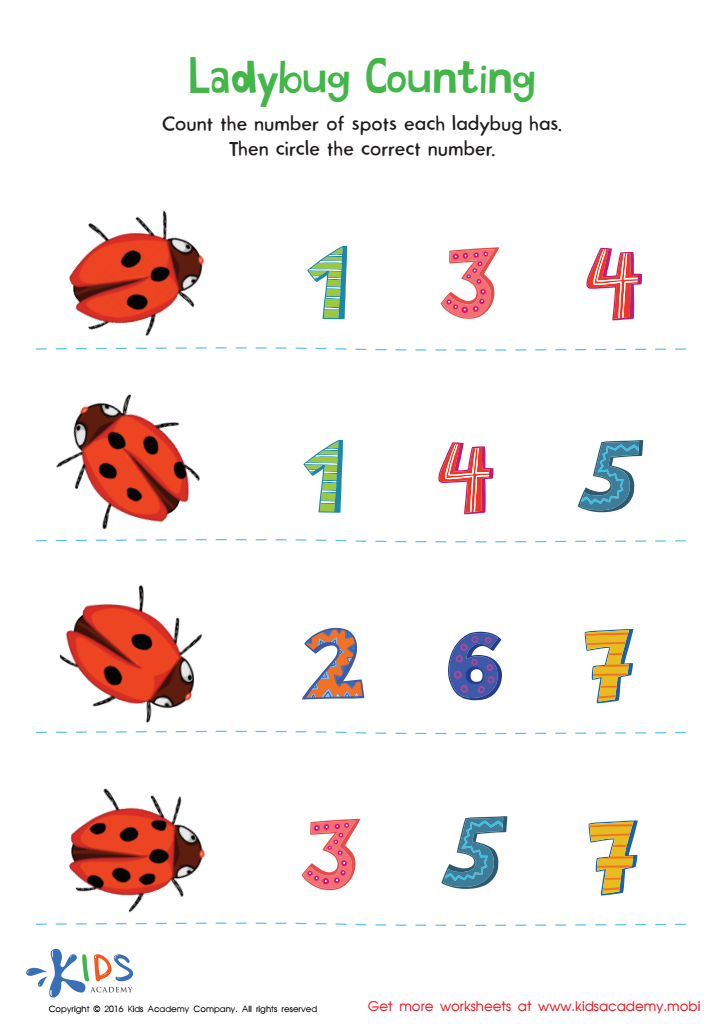
 Assign to My Students
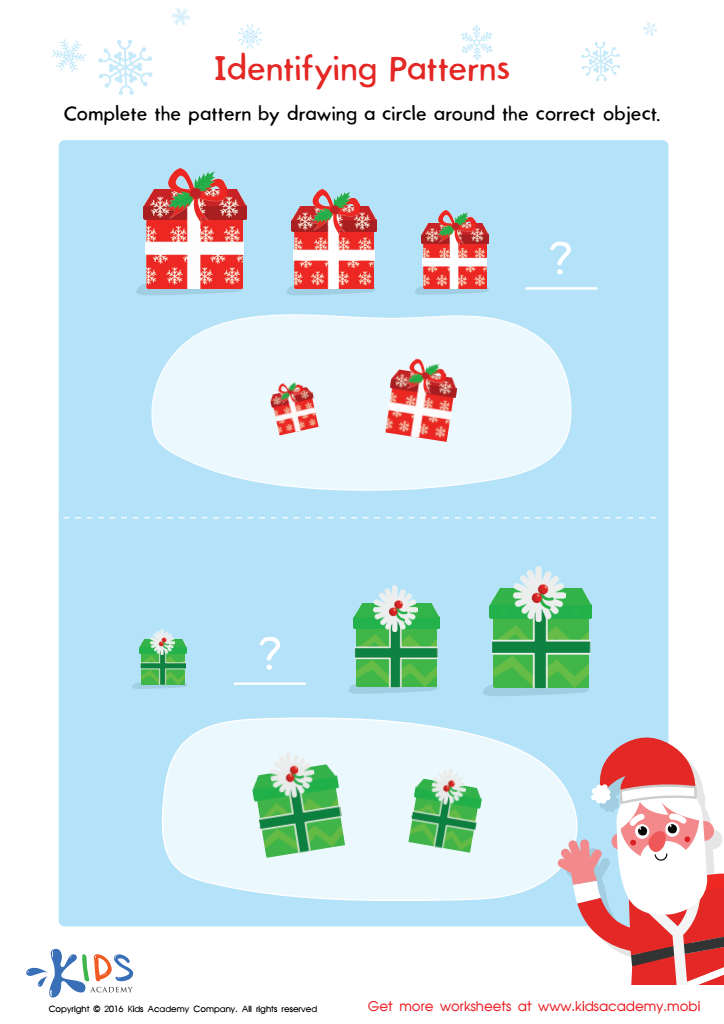
Identifying Patterns Worksheet
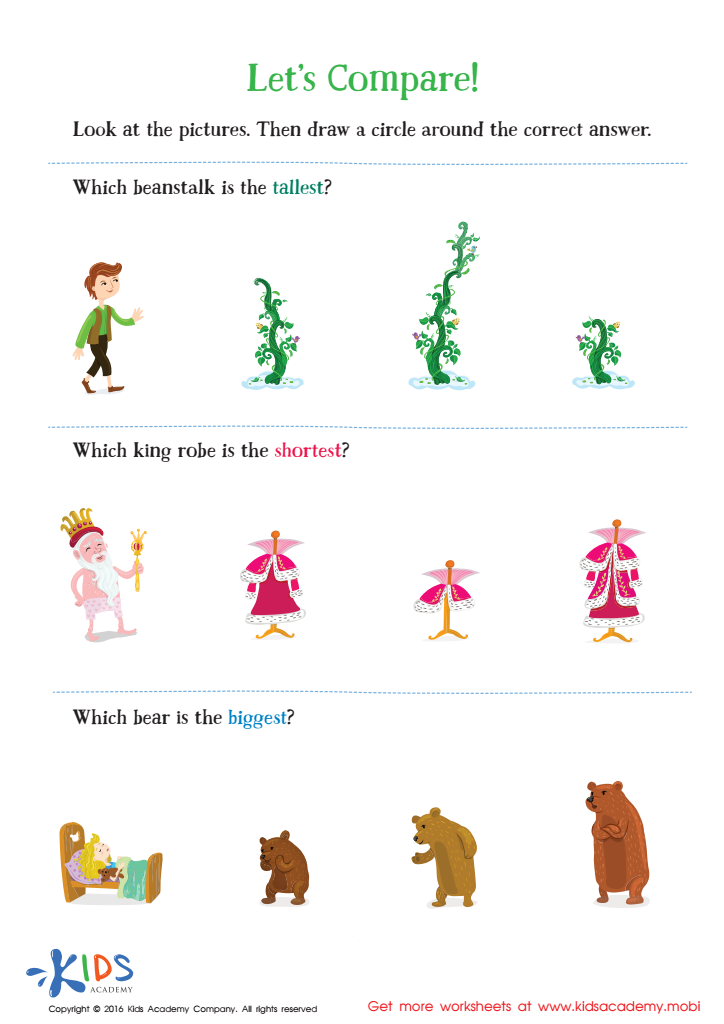
Fairy Tale Worksheet: Let's Compare








Parents and teachers should care about "Basic Math Skills Extra Challenge Matching" for ages 3-5 because early childhood is a critical period for cognitive development. Engaging children in activities that challenge their basic math skills sets a strong foundation for future academic success. These formative years are when children develop the ability to recognize patterns, understand numbers, and grasp simple mathematical concepts, all of which are vital for problem-solving and logical thinking.
Matching activities, in particular, aid in reinforcing number recognition, counting abilities, and shape identification. They often incorporate visual and kinesthetic learning, which caters to diverse learning styles. For instance, matching games can help children better internalize concepts by associating numbers with quantities or connecting shapes with their names. This interactive learning helps children to retain information more effectively than rote memorization.
Furthermore, these activities can enhance fine motor skills and hand-eye coordination, as children often have to manipulate pieces to match them correctly. The sense of accomplishment they experience upon completing a challenge boosts their confidence and fosters a positive attitude towards learning.
Overall, investing in these foundational activities enables parents and teachers to support a child’s holistic development, ensuring they are well-prepared for more advanced math concepts and academic settings in the future.