Comparing objects Extra Challenge Worksheets for Ages 3-6
3 filtered results
-
From - To
Enhance your child's cognitive skills with our Comparing Objects Extra Challenge Worksheets designed for ages 3-6. These engaging worksheets encourage young learners to explore differences and similarities among various objects, fostering critical thinking and observational skills. Filled with vibrant illustrations and interactive activities, children will enjoy sorting, classifying, and comparing items based on size, color, and shape. Ideal for home or classroom use, these worksheets promote early mathematical concepts and scientific reasoning while ensuring a fun learning experience. Perfect for parents and educators looking to support early development in preschoolers, our worksheets offer excellent value for enhancing foundational skills. Download and print today!
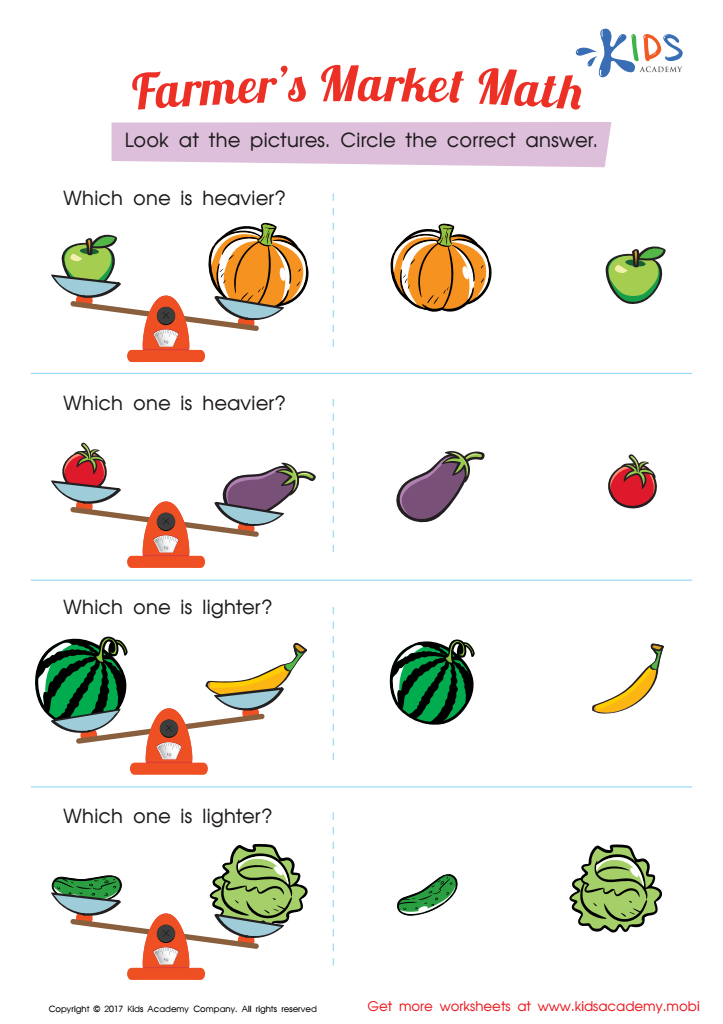
Which One Is Heavier Worksheet
 Assign to My Students
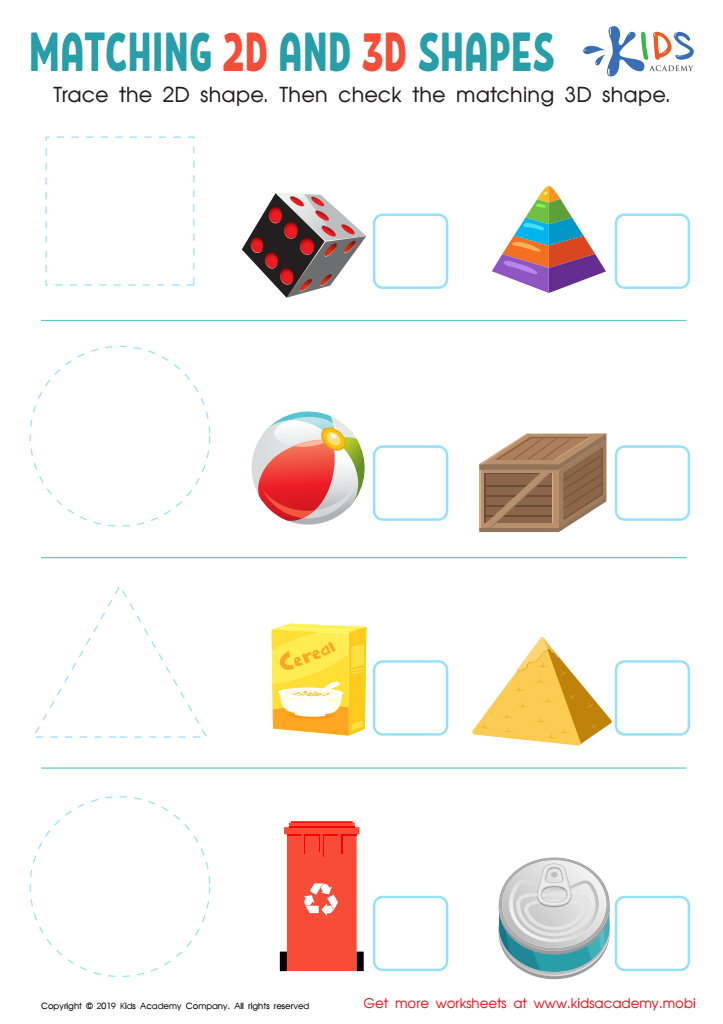
Matching 2D and 3D Shapes Worksheet
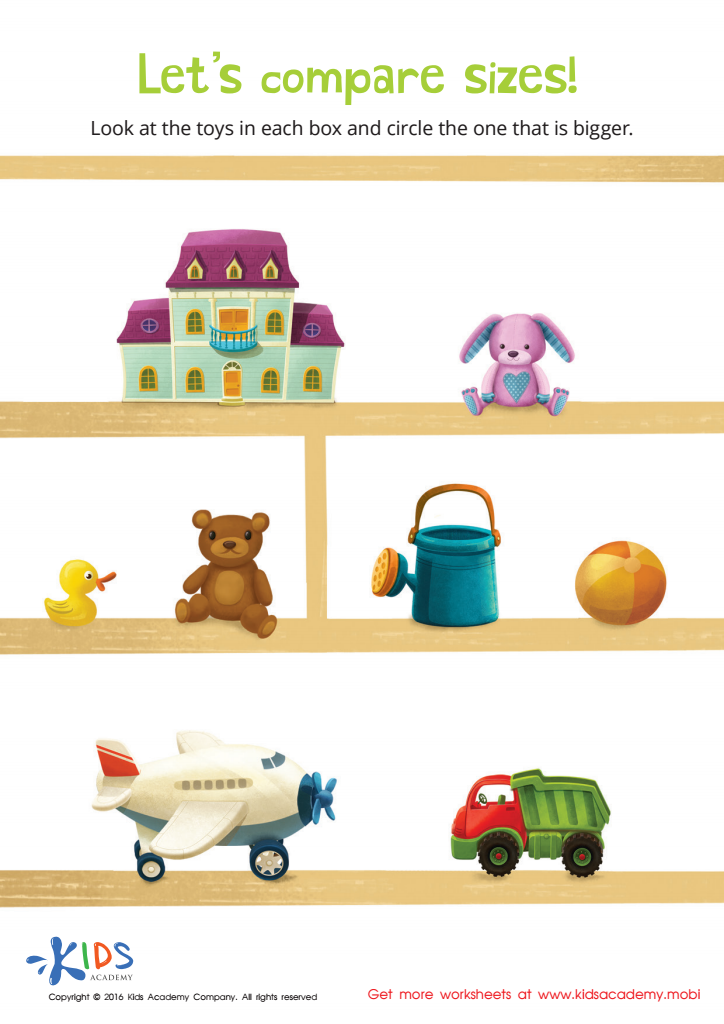
Classifying by Size Sorting Worksheet






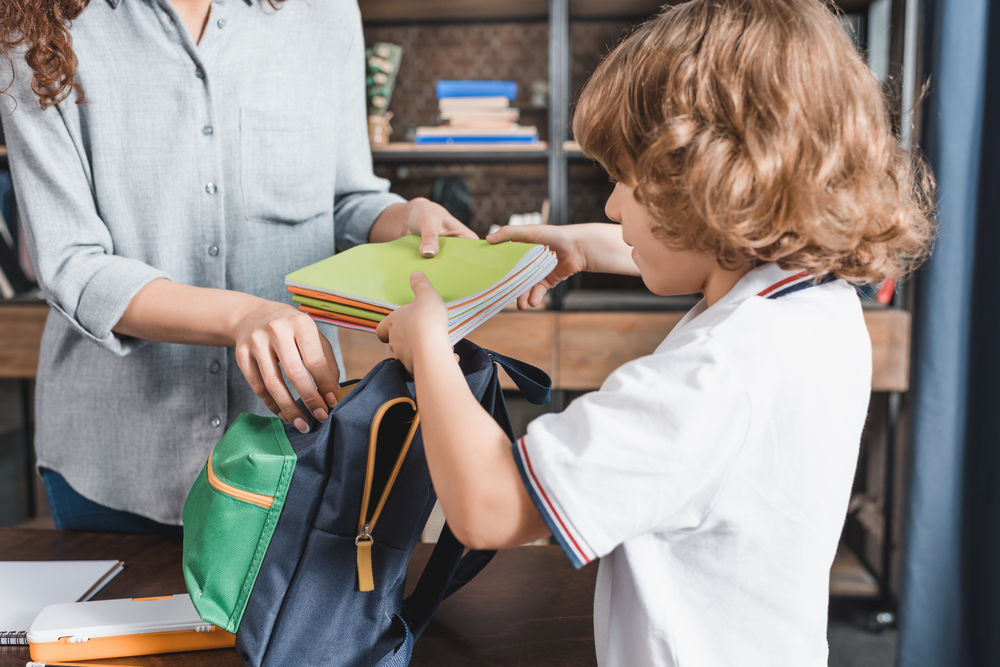
Comparing objects is a crucial skill for young children, particularly those aged 3-6, as it lays the foundation for their mathematical understanding and critical thinking abilities. Parents and teachers should prioritize this extra challenge because it encourages children to recognize differences and similarities, which enhances their analytical skills.
When children compare objects—whether sorting by size, color, shape, or quantity—they engage in active problem-solving and develop a sense of number concepts, fostering essential pre-mathematical skills. This process can also promote language development as they describe and discuss what they observe, enhancing their vocabulary.
Furthermore, comparing objects nurtures children's cognitive and social-emotional skills. It allows them to learn to make decisions and develop confidence in their reasoning abilities as they make choices based on their observations. Engaging in these activities also encourages collaboration and communication when children work together to compare items, thus building social skills.
Moreover, these early experiences of comparison set the stage for future academic learning. Skills such as categorization and differentiation are foundational to subjects steeped in logic, science, and mathematics. Therefore, integrating comparing objects into play and learning activities provides a fun, hands-on way for parents and teachers to contribute significantly to the child's development.








