Logical thinking improvement Extra Challenge Worksheets for Ages 3-6
3 filtered results
-
From - To
Nurture your child’s budding mind with our Logical Thinking Improvement Extra Challenge Worksheets for Ages 3-6. Designed to develop critical learning skills, these engaging activities ignite young imaginations through puzzles, pattern recognition, and problem-solving tasks. Perfect for curious minds, each worksheet introduces new concepts in reasoning, strategy, and logic, ensuring a fun, educational journey tailored to their developmental stages. Captivate your learners and watch their confidence soar as they tackle challenges tailored just for them. Ideal for both classroom and at-home enrichment, our worksheets provide an invaluable resource for fostering intellectual growth at a formative age.
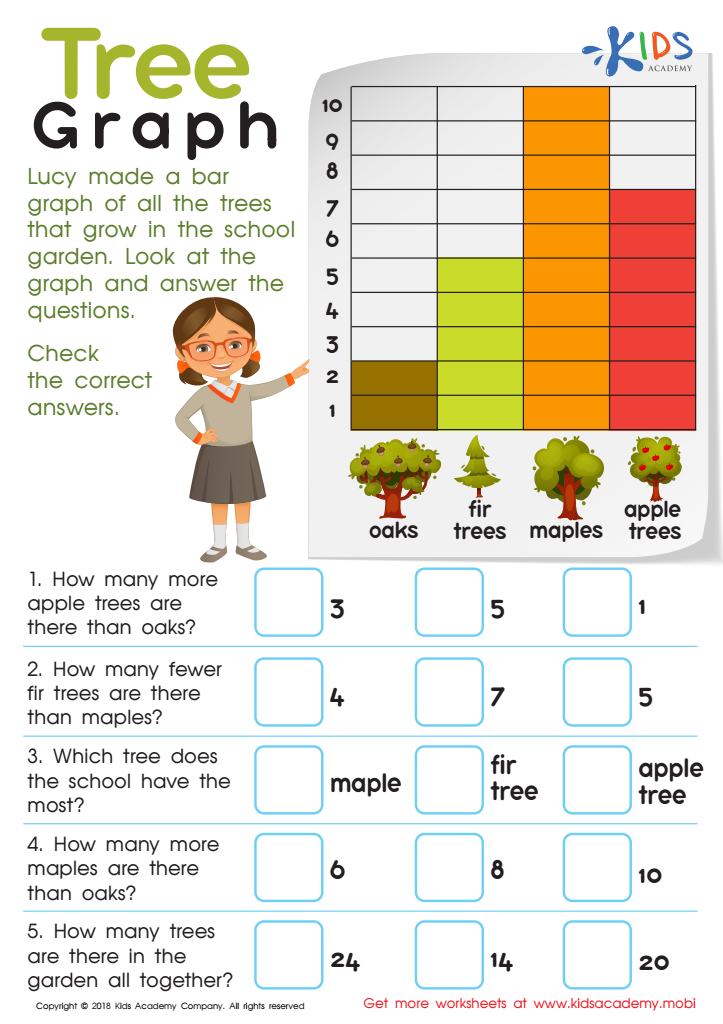
Tree Graph Worksheet
 Assign to My Students
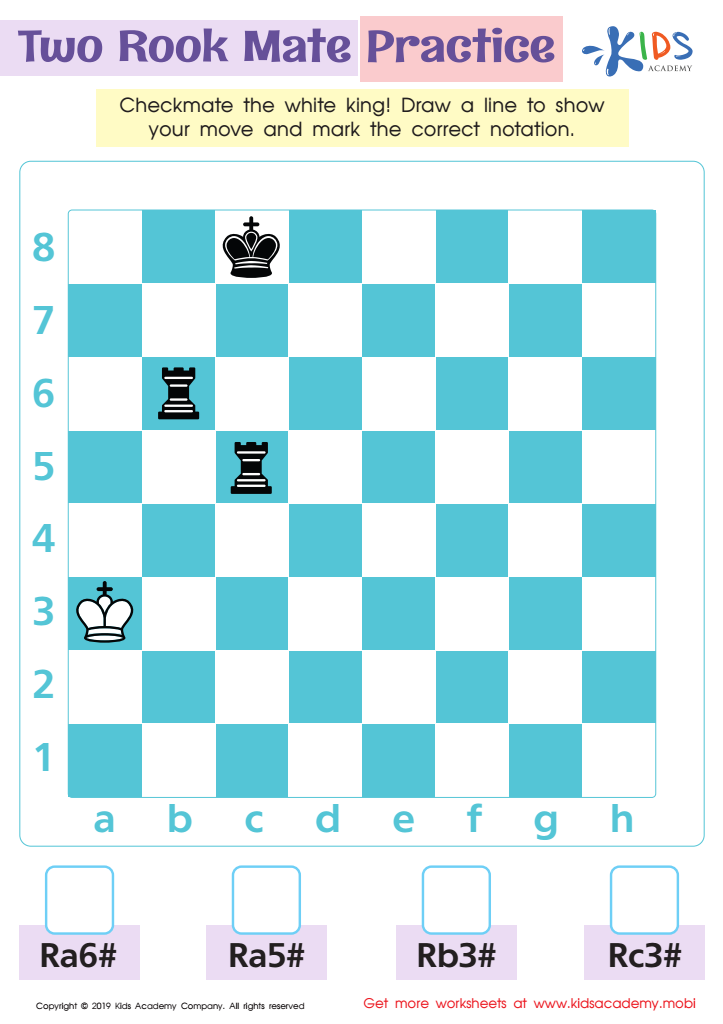
Two Rook Mate Practice Worksheet
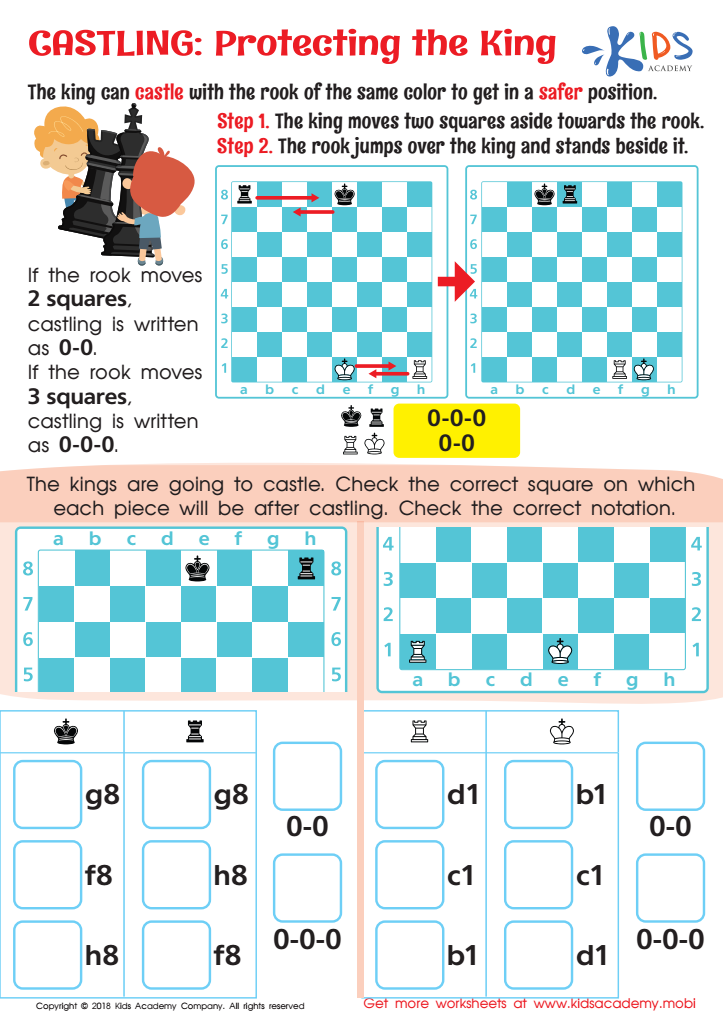
Castling: Protecting the King Worksheet


.jpg)




Logical thinking is a pivotal skill for early childhood development, and creating opportunities for children ages 3-6 to enhance this skill can have profound, long-lasting benefits. At this stage, children's brains are highly malleable and receptive to learning new concepts. Logical thinking helps children make sense of the world around them, promoting cognitive development and problem-solving skills that are fundamental for academic success.
By introducing logical thinking challenges early on, parents and teachers can foster an environment where children learn to reason systematically and make connections between different pieces of information. Activities like puzzles, sequencing games, and simple "if-then" scenarios can cultivate a child's ability to critically evaluate situations and predict outcomes. This not only aids in understanding basic math and literacy concepts but also promotes social-emotional growth by teaching children to think before they act and consider other perspectives.
Moreover, engaging in these challenges improves a child’s attention span, memory, and concentration. As they work through problems, they develop patience and persistence—traits beneficial well beyond the classroom. Early mastery of logical thinking lays a foundation that supports future learning endeavors, making children more adaptable and resilient. Therefore, prioritizing this aspect of cognitive development in early years is indispensable for nurturing well-rounded, intelligent thinkers prepared for the complexities of life.








