Spelling practice Extra Challenge Phonics Worksheets for Ages 3-7
8 filtered results
Difficulty Level
Grade
Age
-
From - To
Subject
Activity
Standards
Discover the "Spelling Practice Extra Challenge Phonics Worksheets for Ages 3-7," designed to enhance your child's literacy skills through engaging and interactive activities. Our worksheets offer a fun way for young learners to practice spelling, develop phonemic awareness, and build essential reading skills. Each worksheet is tailored to reinforce letter recognition, sound association, and vocabulary development, making literacy enjoyable and accessible. With colorful visuals and age-appropriate challenges, your child will feel motivated to progress in their spelling journey. Perfect for classroom use or at-home learning, these worksheets are a valuable resource for nurturing early readers and writers. Start challenging your little ones today!
Favorites
With answer key
Interactive
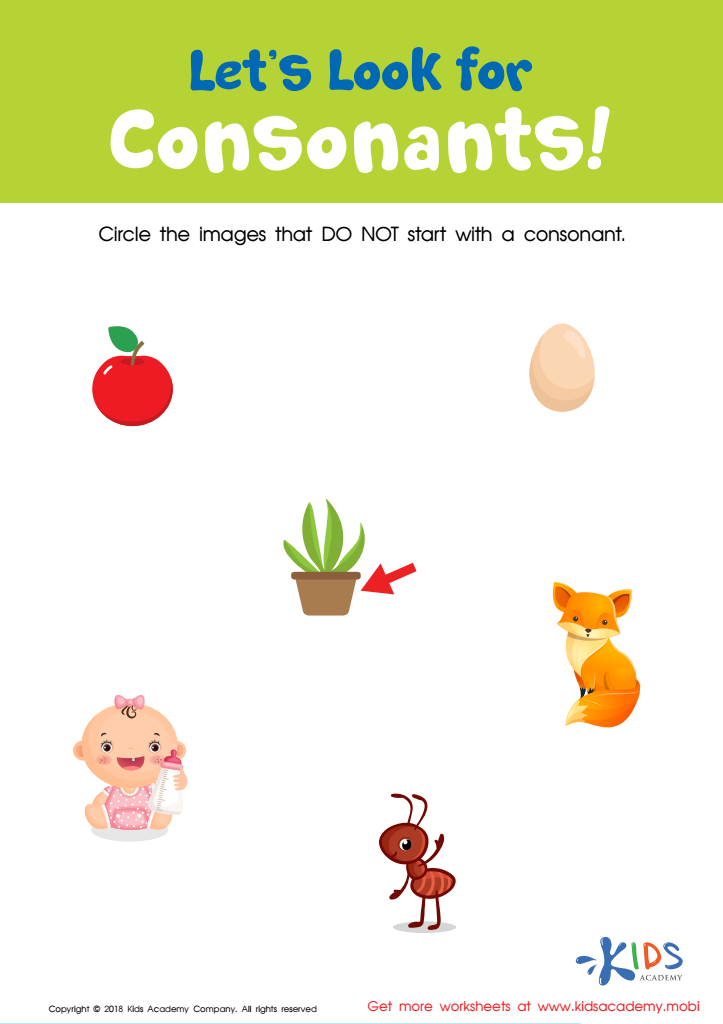
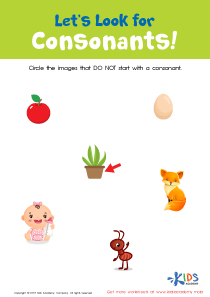
Let's Look for Consonants Worksheet
Help kids learn consonants and words that start with them. Ask them to recite the alphabet, then explain consonants are all letters but the 5 vowels. Use the worksheet to ask them to circle items without a consonant. Emphasize that's 21 consonants.
 Assign to My Students
Let's Look for Consonants Worksheet
Worksheet
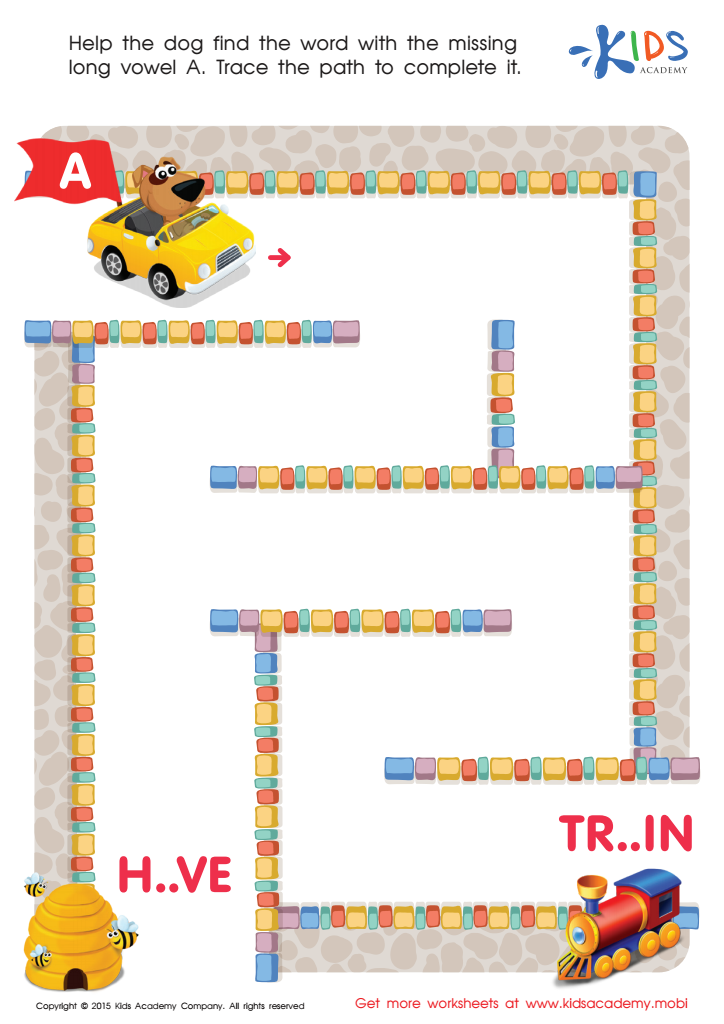
Long Vowel Sound A Worksheet
Teach your young learner about the long vowel A with this colorful free printable phonics worksheet. The long vowel A says its name while the short vowel A does not. Complete the worksheet by tracing the root to the toy train and helping the dog by filling in the missing letter A. Have them practice writing and spelling with phonics while having fun!
Long Vowel Sound A Worksheet
Worksheet
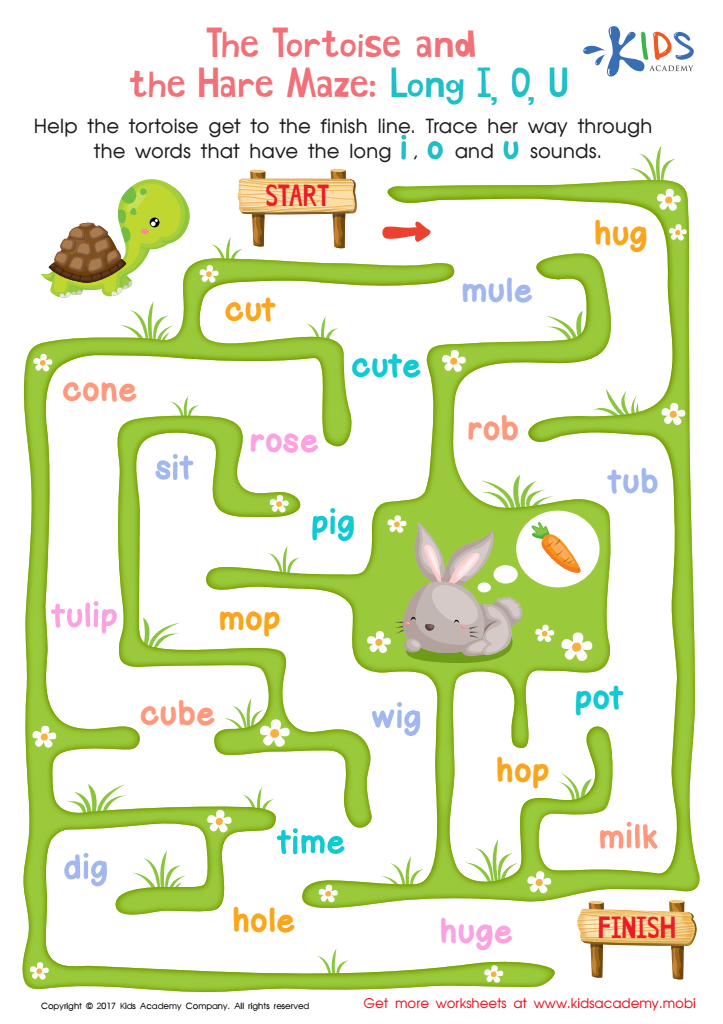
Long I, O, U Words Worksheet
This fun phonics worksheet has your child race the tortoise and hare to the finish line. Find all the long vowel sounds to win! It'll help your child's recognition of long I, O, and U words without him realizing it!
Long I, O, U Words Worksheet
Worksheet
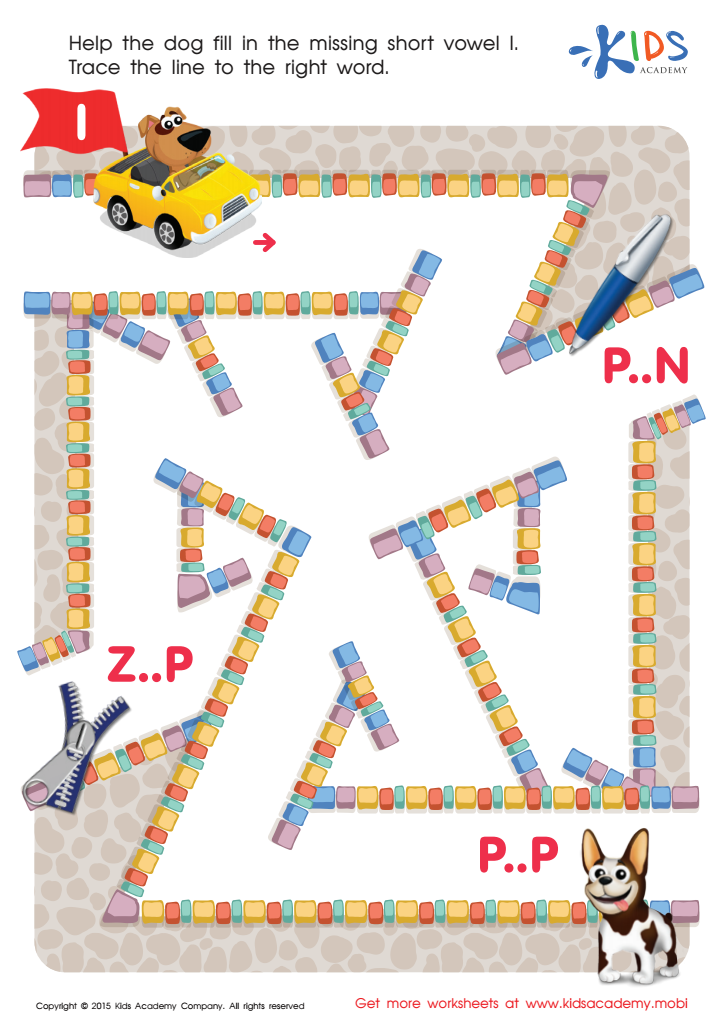
Short Vowel Sound I Worksheet
This free printable phonics worksheet will get your kid prepped for reading! It's a maze to help the dog complete the word “zip” with the missing letter I. Have your kid say the word aloud to learn the I sound. It's a great way to practice reading, writing and spelling skills. Check out here for more phonics worksheets!
Short Vowel Sound I Worksheet
Worksheet
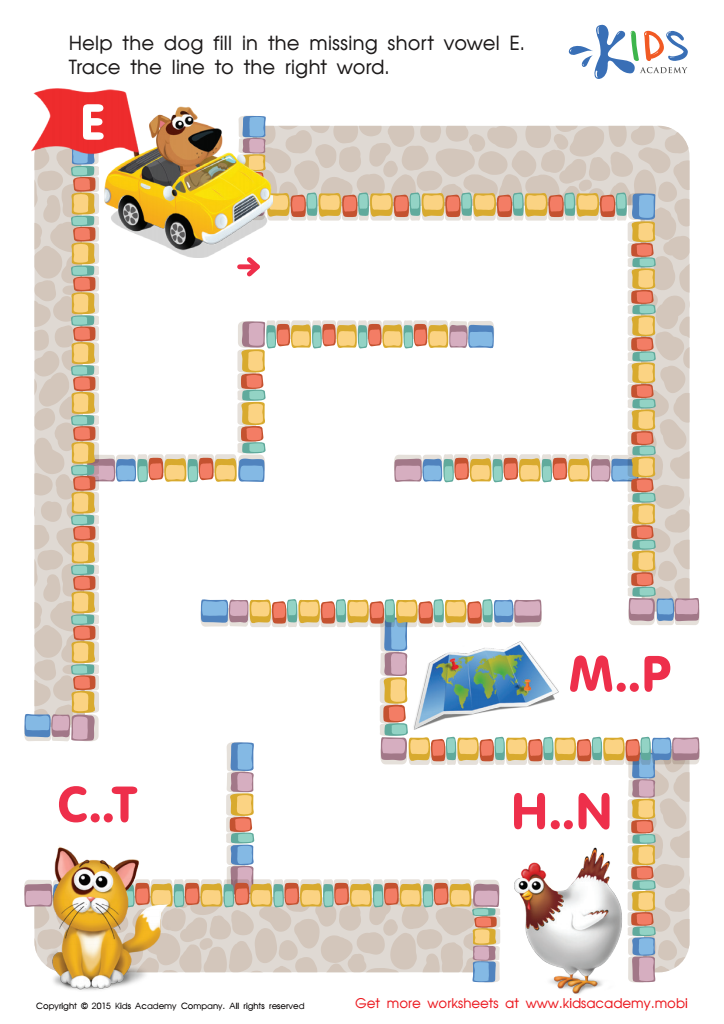
Short Vowel Sound E Worksheet
This free printable phonics worksheet helps kids learn the short vowel sound E. Kids need to help the dog complete the word “hen” by finding their way through a maze. It teaches kids to see the connection between letters and sounds and also strengthens their writing and spelling skills. Fun and educational, this phonics worksheet is great for kids. Want more? Check out here.
Short Vowel Sound E Worksheet
Worksheet
Short Vowel Sound O Worksheet
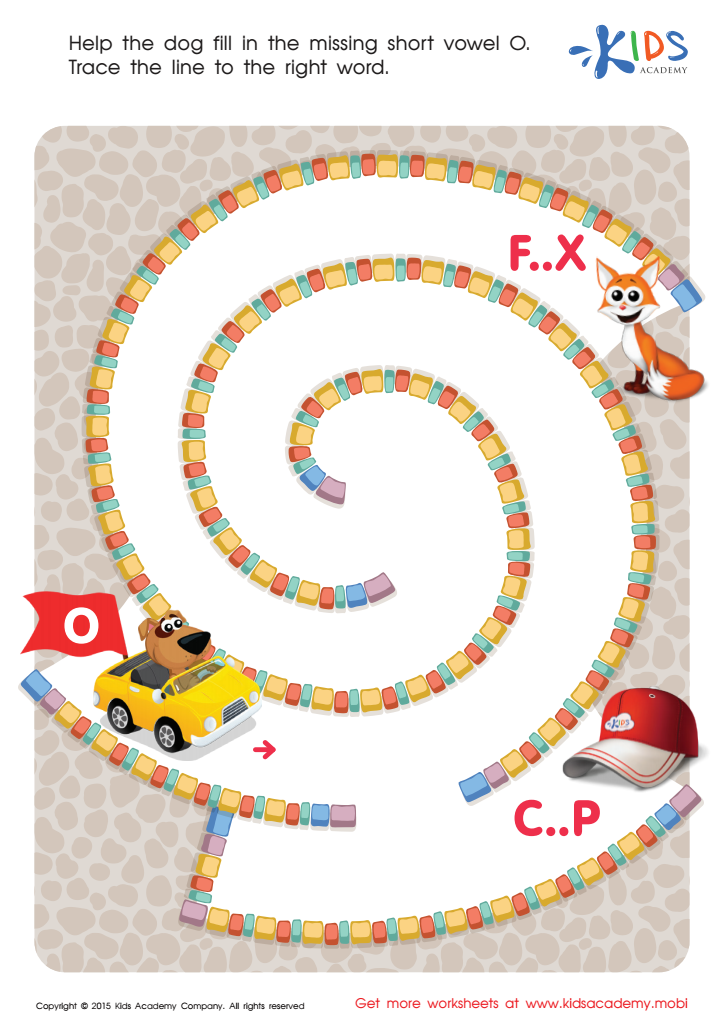
Help your child learn the short vowel sound O with this fun and free printable phonics worksheet! They'll need to complete the maze to help the dog finish the word "fox" with the missing letter O. Engage their fine motor muscles while they color or trace the maze with crayon or pencil. This educational activity is sure to bring a smile to your little learner's face! For more phonics worksheets, check here.
Short Vowel Sound O Worksheet
Worksheet
Make a New Word Worksheet
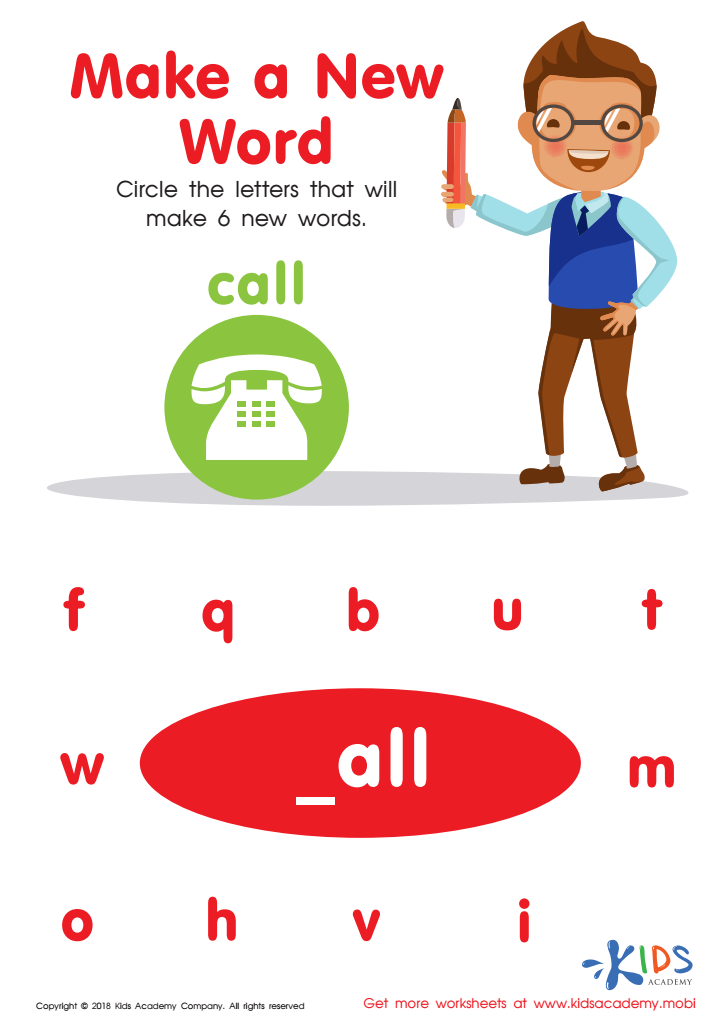
Young readers and writers can enhance their skills with this fun PDF worksheet. They'll trace letters to create new words and feel like super readers and writers after finding six words. They'll also practice building words with the "all" word family.
Make a New Word Worksheet
Worksheet
Long Vowel Sound O Worksheet
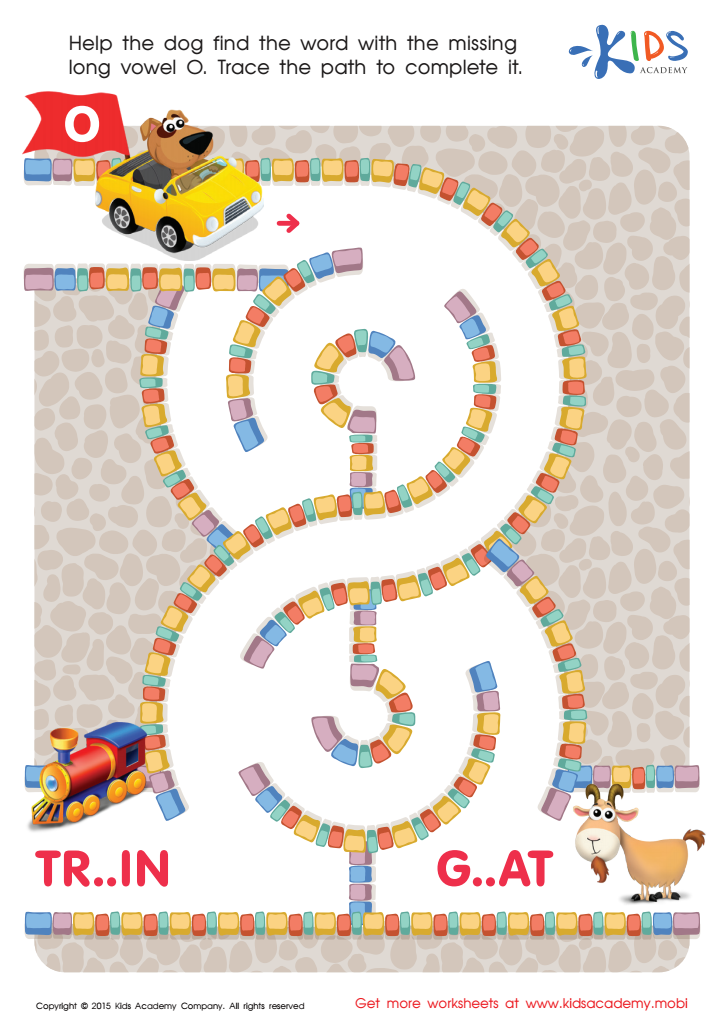
Help the goat find her missing O! Guide your little learner through this fun maze to help the goat get its vowel sound back. Make phonics learning engaging and enjoyable with this free printable worksheet.
Long Vowel Sound O Worksheet
Worksheet
Join Kids Academy for Free
Who is primarily going to use this learning content?








Parents and teachers should care about Spelling practice and Extra Challenge Phonics for Ages 3-7 because these foundational skills are critical for early literacy development. During these formative years, children are not only learning to read but also to write, spell, and understand language. Implementing effective spelling practice ensures that students become familiar with the sounds and patterns of language, which enhances their ability to decode and encode words.
Phonics programs specifically targeted for this age group provide students with tools to recognize letter sounds and combination, fostering both their reading fluency and comprehension. Such early intervention can prevent reading difficulties later on. Moreover, regular practice helps to boost confidence, encourages a love for learning, and promotes independence in literacy tasks.
Furthermore, engaging with spelling and phonics activities can be a fun and interactive experience with a wide range of creative resources available. It invites parents and teachers to work collaboratively in a child's learning journey, emphasizing the importance of a solid educational foundation. Ultimately, strong spelling and phonics skills pave the way for academic success across all subjects, making it vital for parents and teachers to prioritize these practices for young learners.