Observational skills Extra Challenge Worksheets for Ages 3-7
3 filtered results
-
From - To
Enhance your child's observational skills with our Extra Challenge Worksheets, designed specifically for ages 3-7! These engaging and colorful worksheets aim to sharpen critical thinking and attention to detail through fun activities that encourage exploration and discovery. Each worksheet features a variety of tasks, including identifying differences, matching images, and completing patterns, all tailored to develop essential cognitive skills. Perfect for home or classroom use, these resources promote active learning while nurturing curiosity in young minds. Download our Observational Skills Extra Challenge Worksheets today and watch your child thrive as they playfully engage with the world around them!
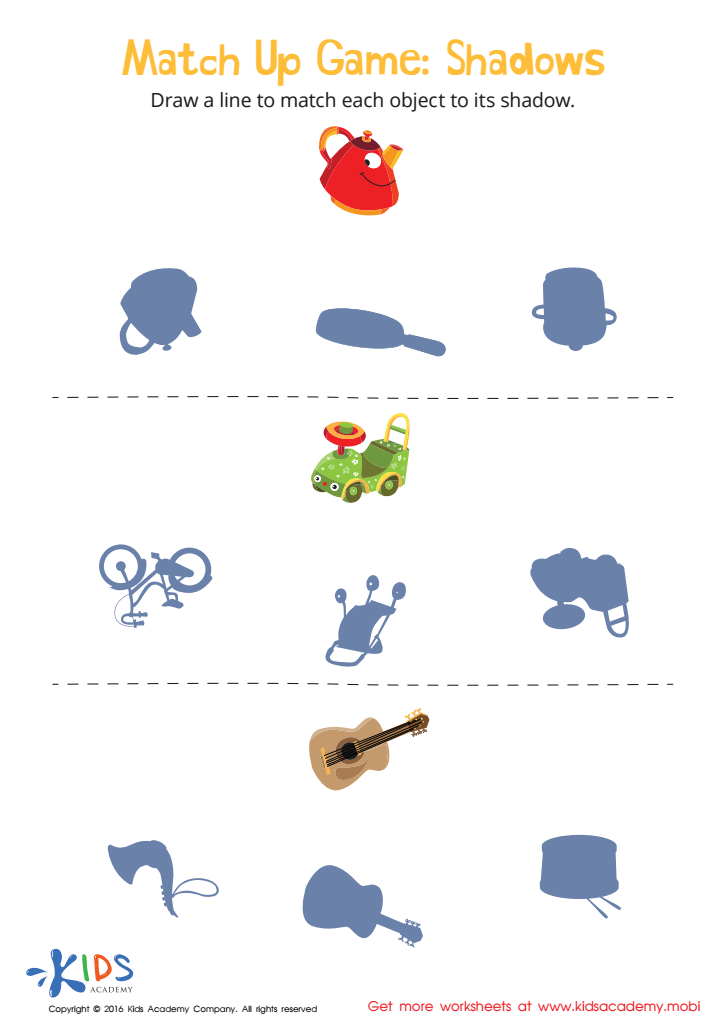
 Assign to My Students
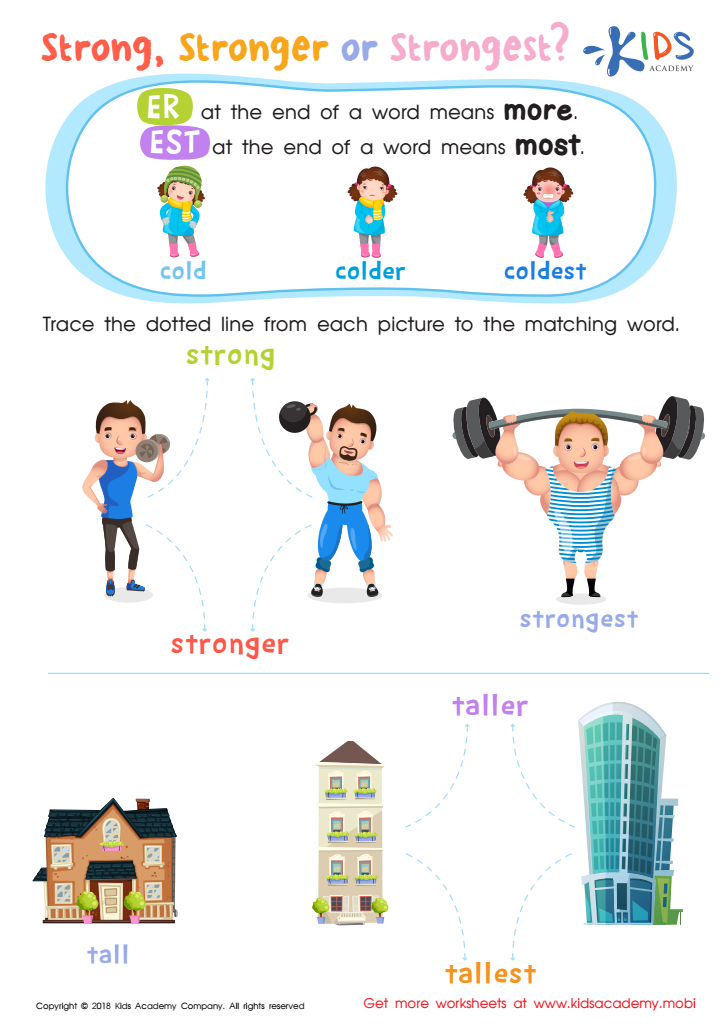
Strong or Stronger? Worksheet
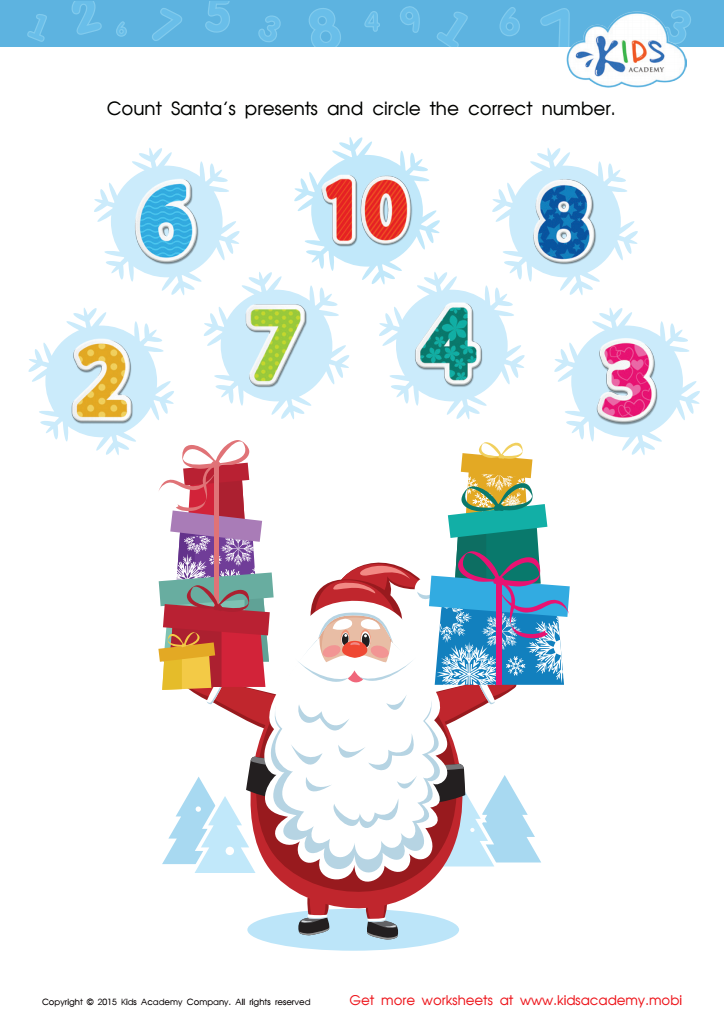
Count Santa's Presents Worksheet




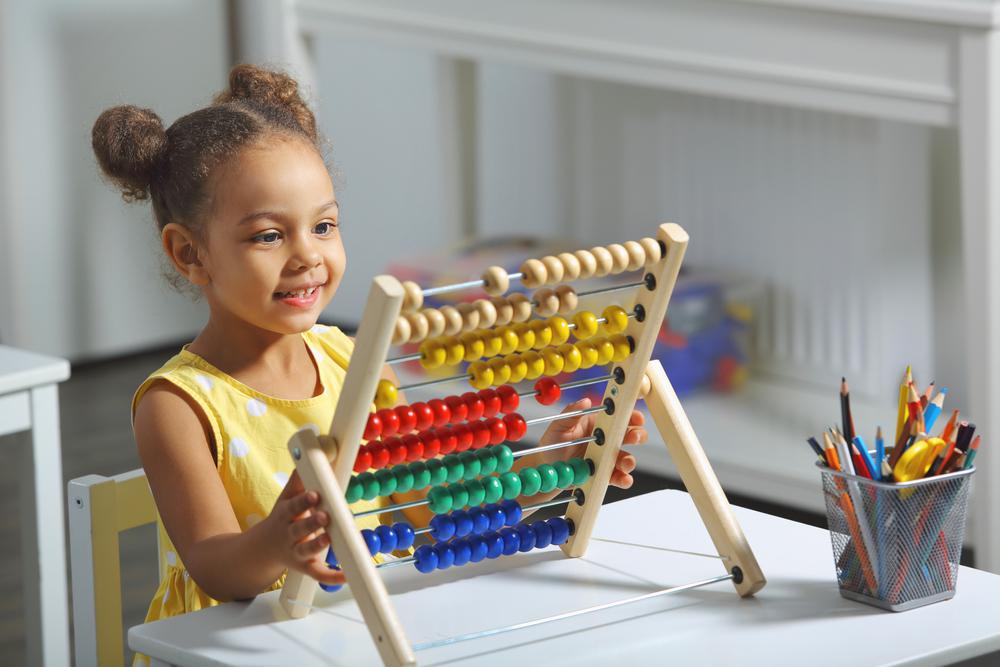

Observational skills are crucial for early childhood development, particularly for children aged 3-7, as they lay the foundation for learning and understanding the world around them. Parents and teachers should prioritize these skills for several reasons.
First, observational skills enhance children's ability to gather information from their environment. By cultivating these skills, children learn to notice details, recognize patterns, and make connections, which are essential for critical thinking and problem-solving. Engaging in activities that challenge their observation can significantly boost cognitive development.
Second, strong observational skills foster language development. When children describe what they see, they expand their vocabulary and improve their descriptive language. This interaction can enhance communication skills essential for social development.
Moreover, observational skills contribute to emotional intelligence. By being aware of body language and social cues, children learn to recognize feelings, not only in themselves but also in others, leading to empathy and improved relationships.
Finally, investing in observational challenges can make learning enjoyable and interactive. Play-based activities inspire curiosity and a love for inquiry, creating a supportive learning environment. In essence, the development of observational skills paves the way for lifelong learning and adaptability, making it a priority for parents and educators alike.








