Vocabulary Building Extra Challenge Worksheets for Ages 3-7
16 filtered results
-
From - To
Unlock your child's potential with our "Vocabulary Building Extra Challenge Worksheets" designed specifically for ages 3-7! These engaging and interactive worksheets are perfect for early learners looking to enhance their vocabulary in a fun way. Our carefully crafted activities focus on additive learning approaches, encouraging curiosity and creativity while building essential language skills. Each worksheet is tailored to challenge young minds with puzzles, matching games, and filling-in-the-blank exercises, making learning enjoyable and effective. Ideal for use at home or in the classroom, these worksheets foster a lifelong love of language. Start your child’s vocabulary journey today with stimulating challenges!
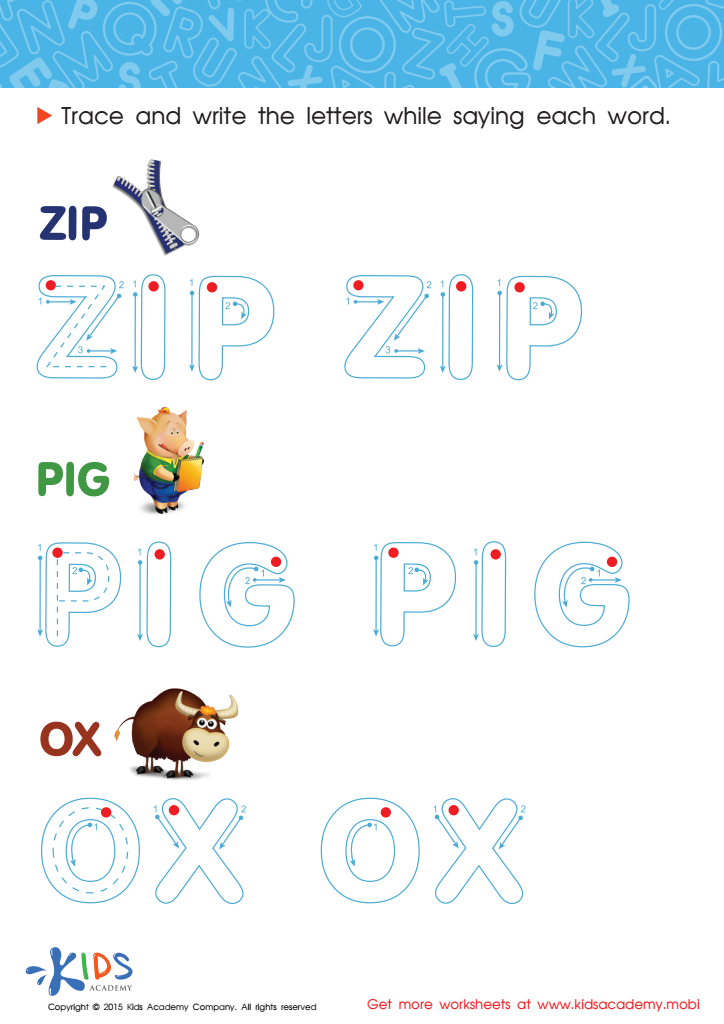
A Zip, a Pig and an Ox Spelling Worksheet
 Assign to My Students
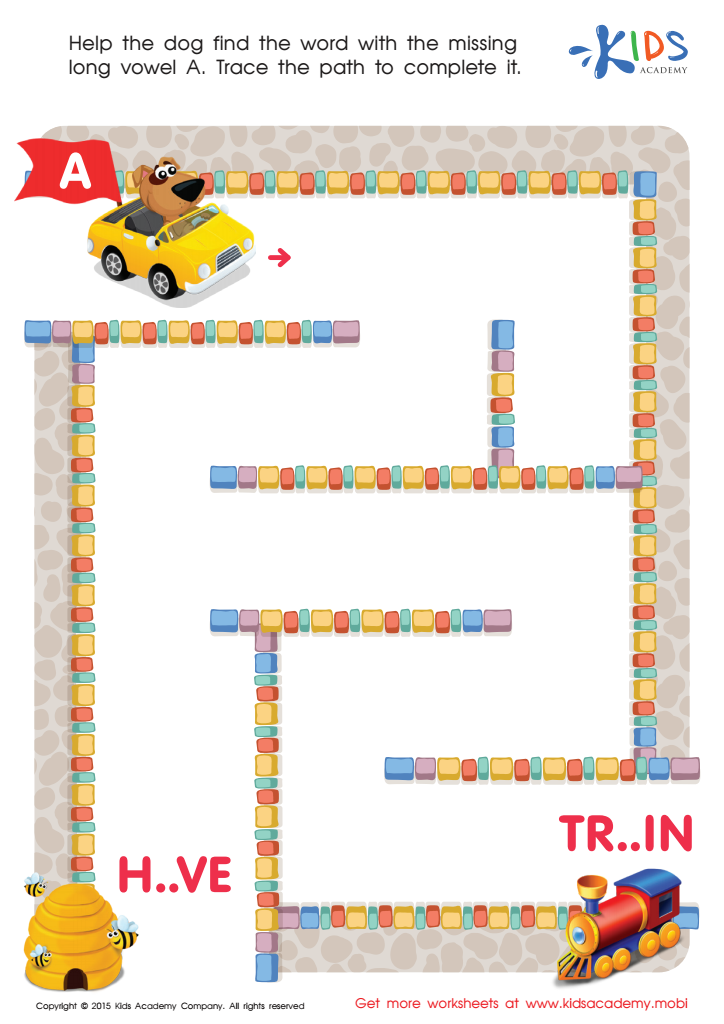
Long Vowel Sound A Worksheet
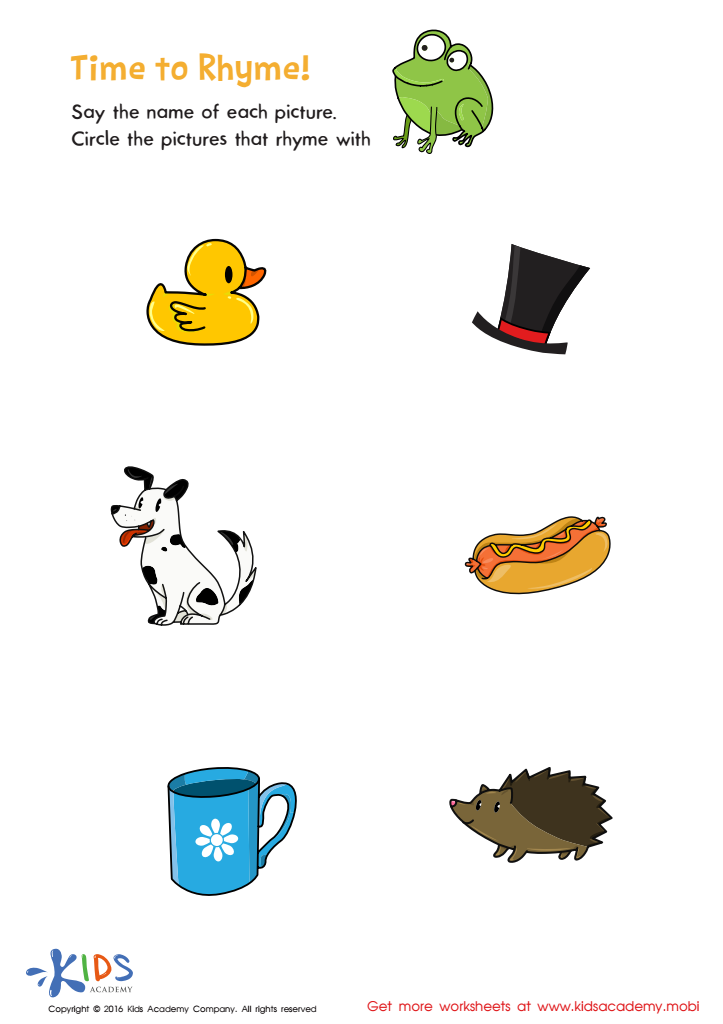
Rhyming Worksheet: Time to Rhyme Rhyming Worksheet
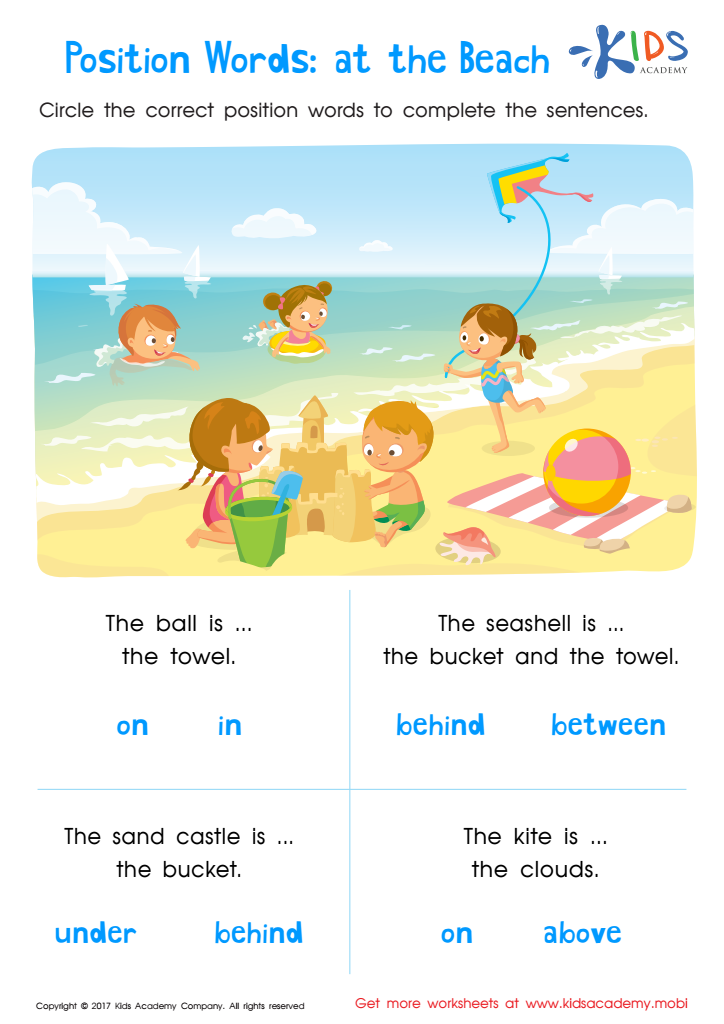
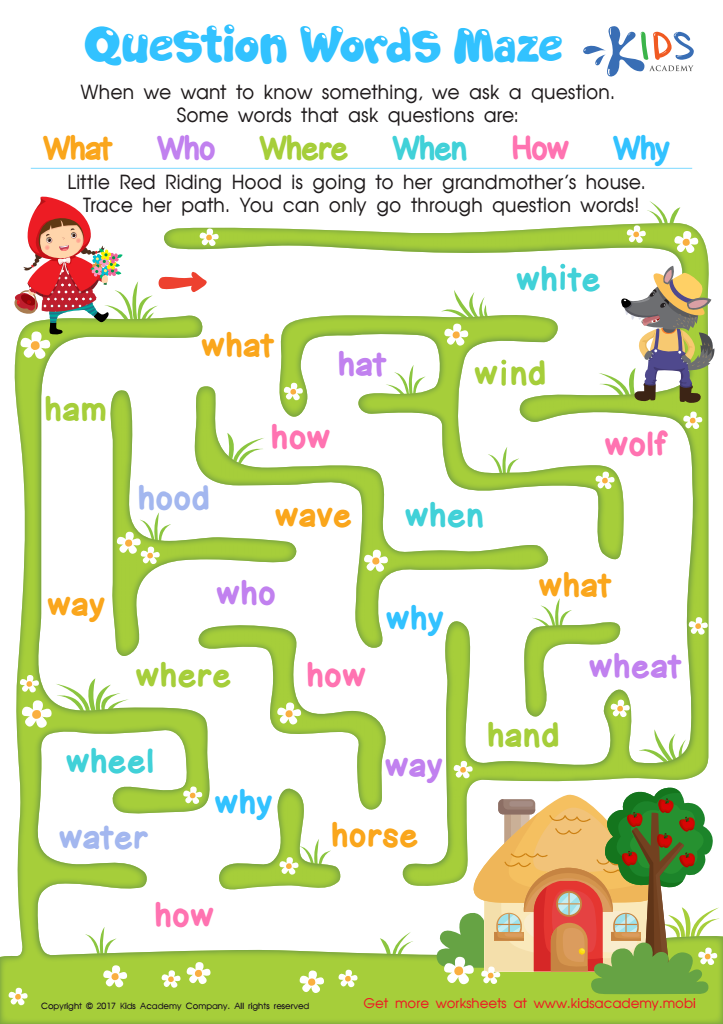
Question Words Maze Worksheet
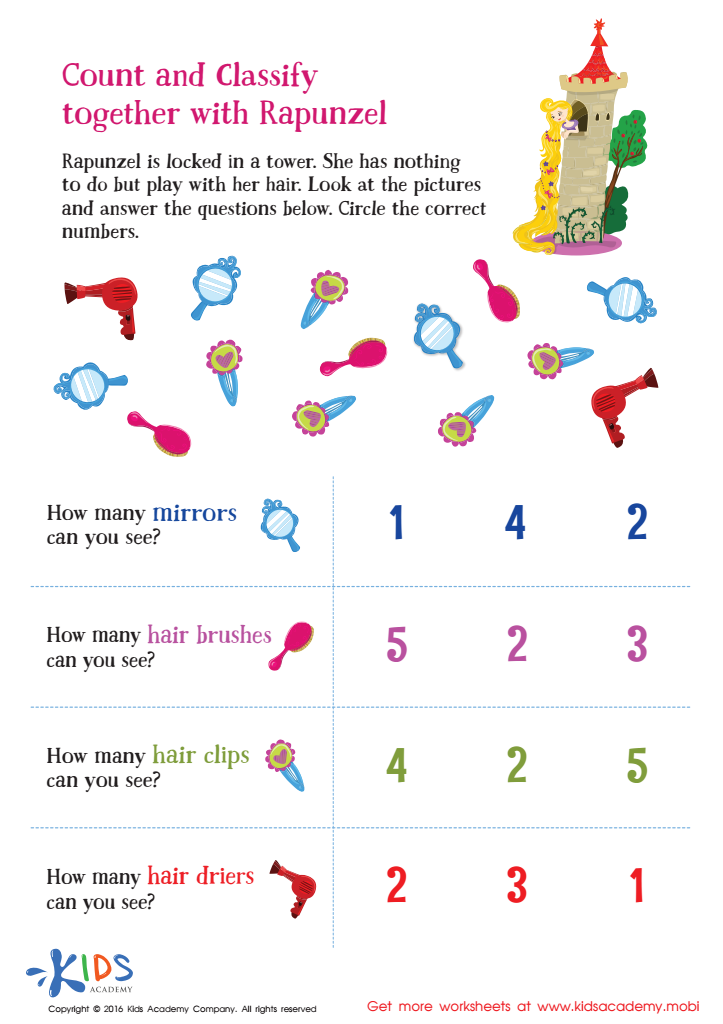
Fairy Tale Worksheet: Count and Classify with Rapunzel
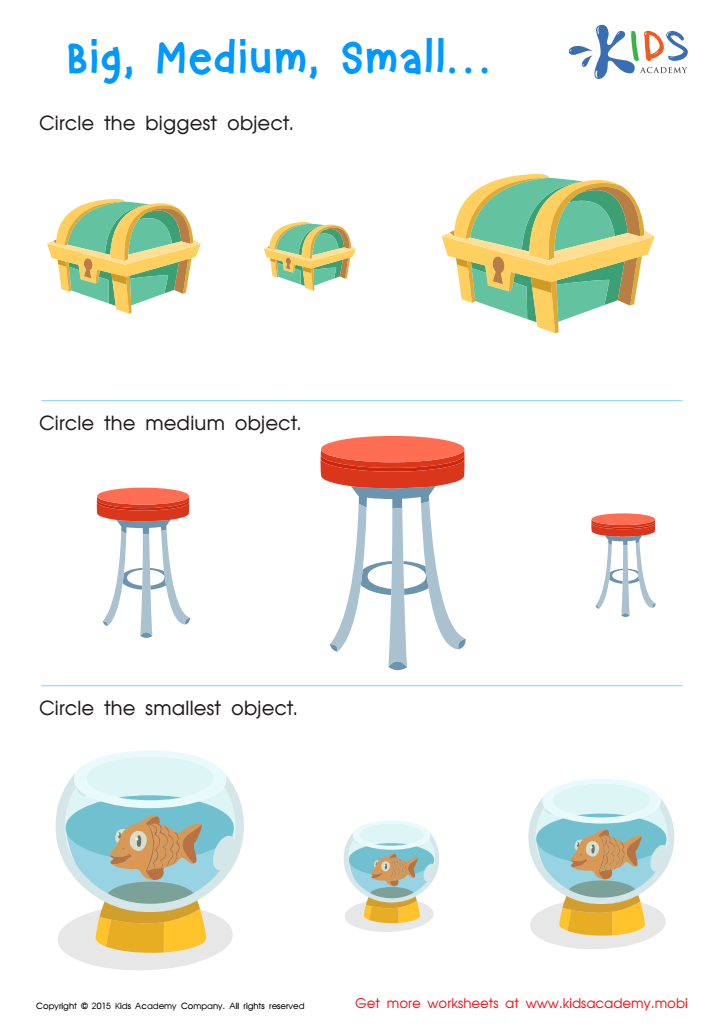
Big Medium Small Worksheet
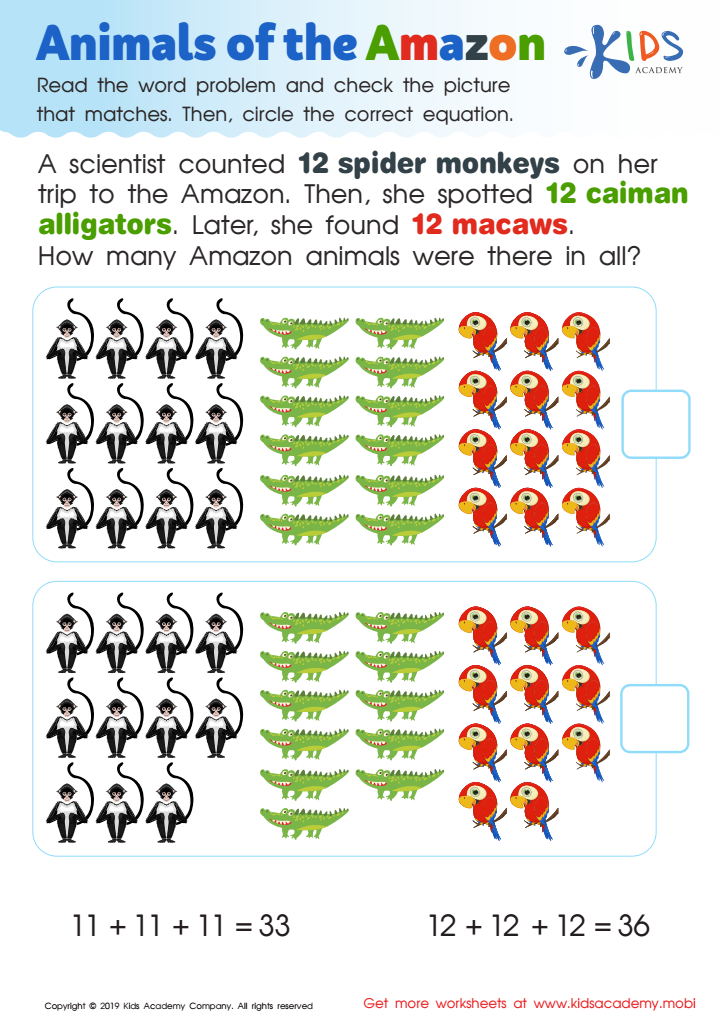
Animals of Amazon Worksheet
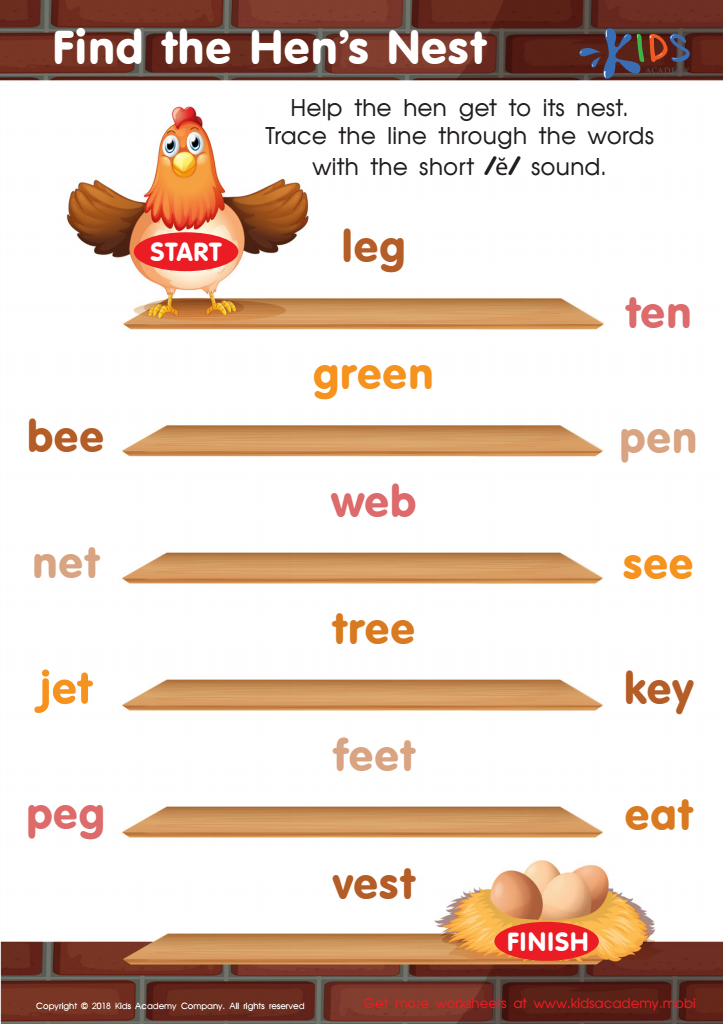
Find Hens Nest Reading Worksheet
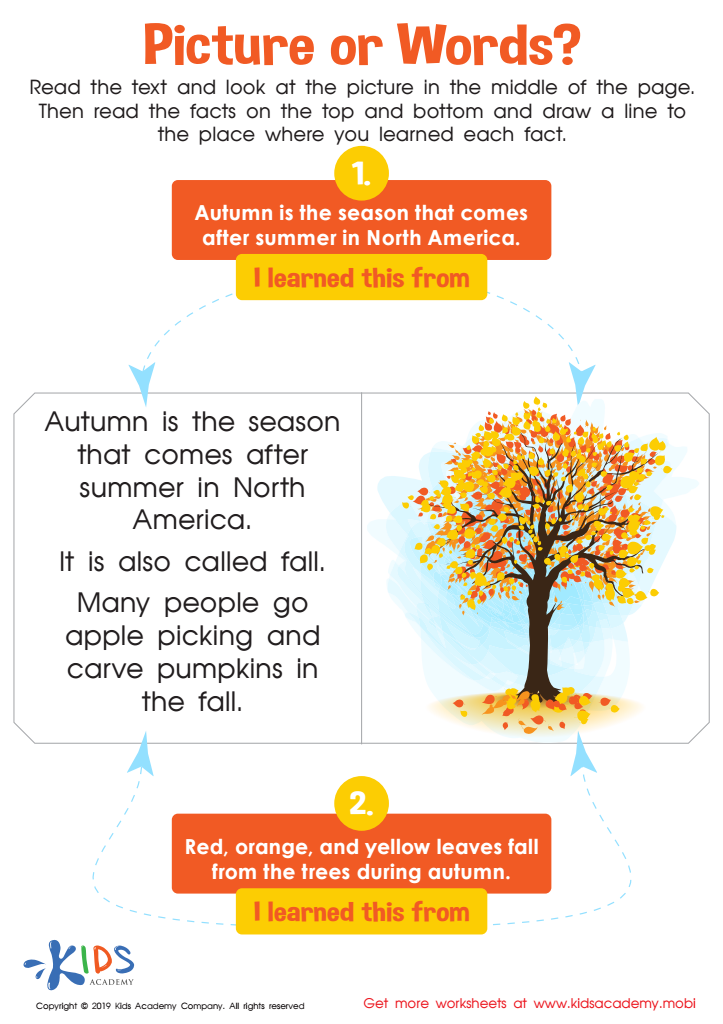
Picture Words Worksheet
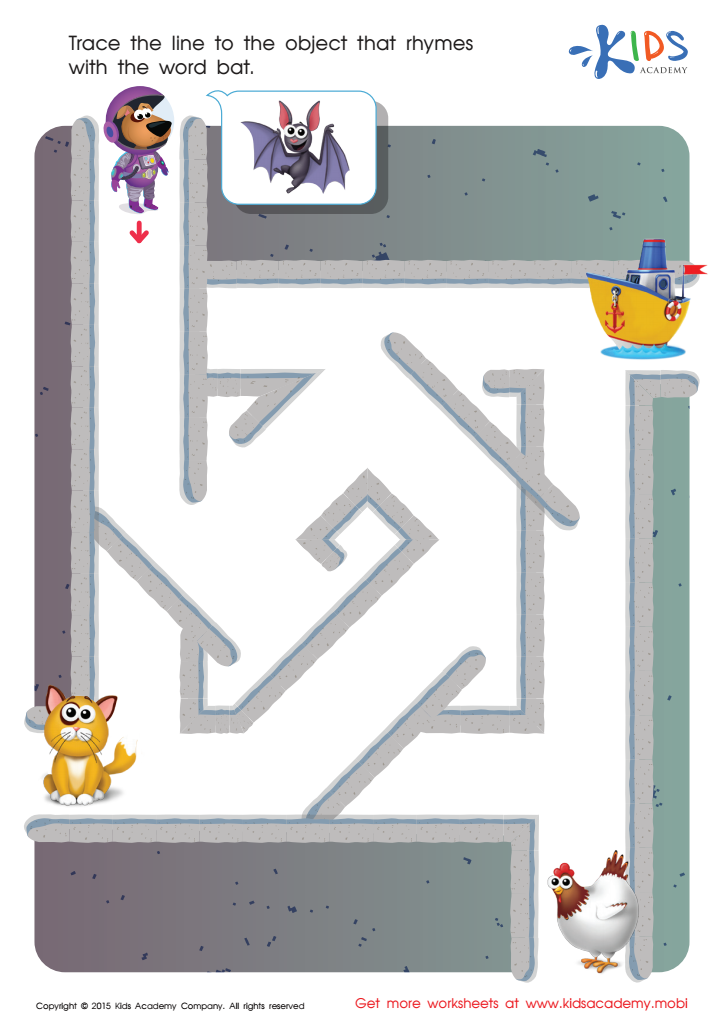
Bat Rhyming Words Worksheet
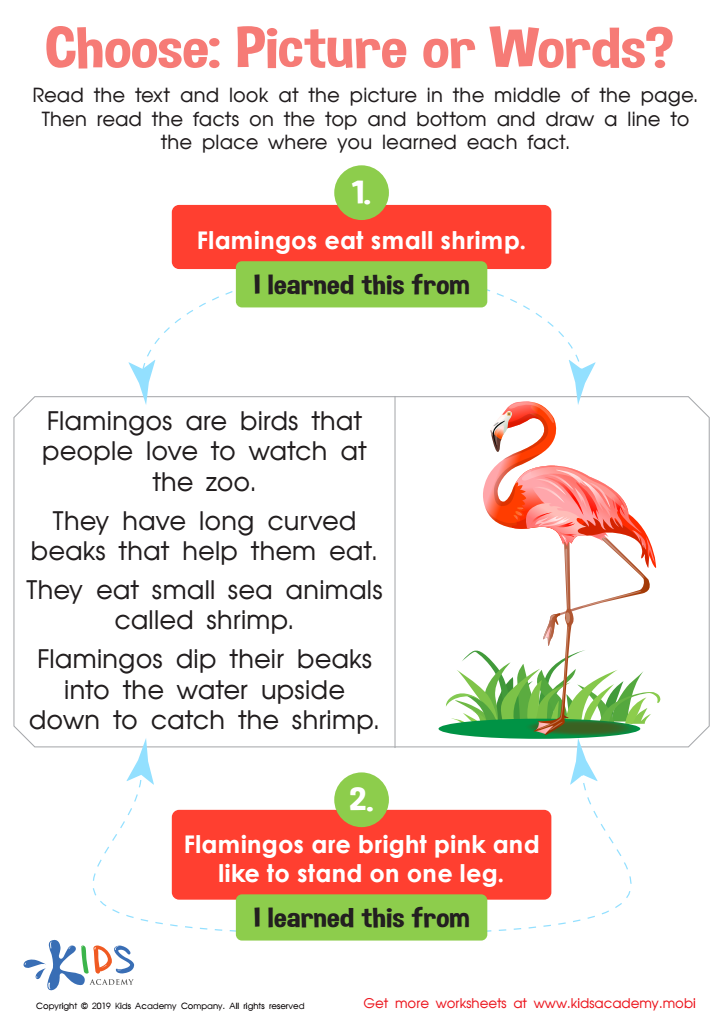
Choose Picture Words Worksheet
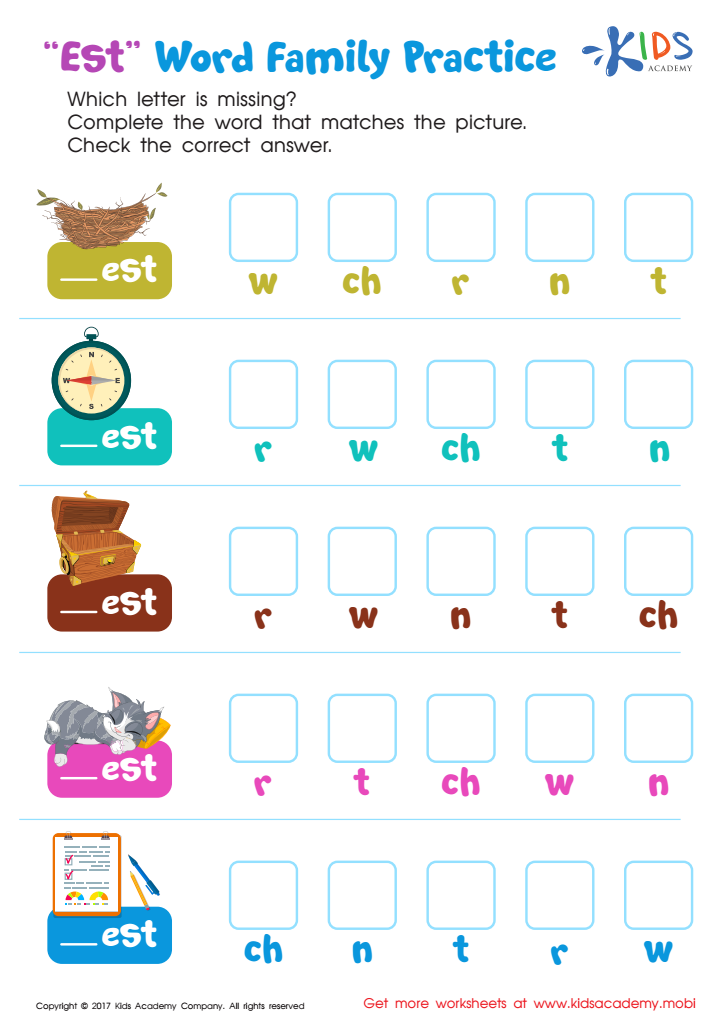
Words Family "est" Spelling Worksheet
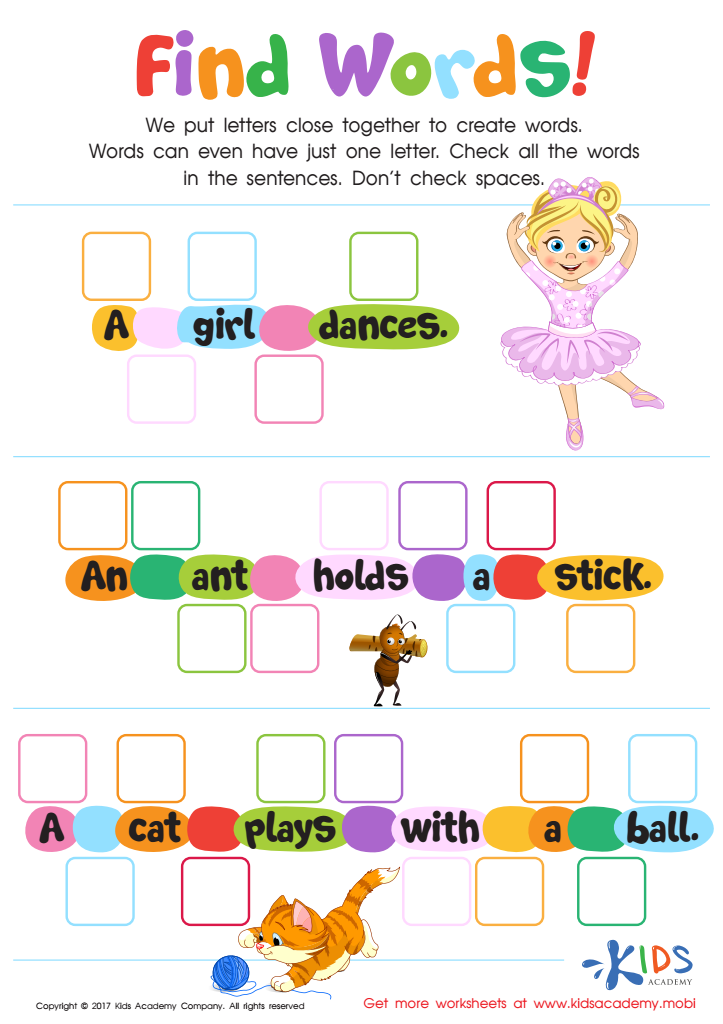
Find Words Worksheet
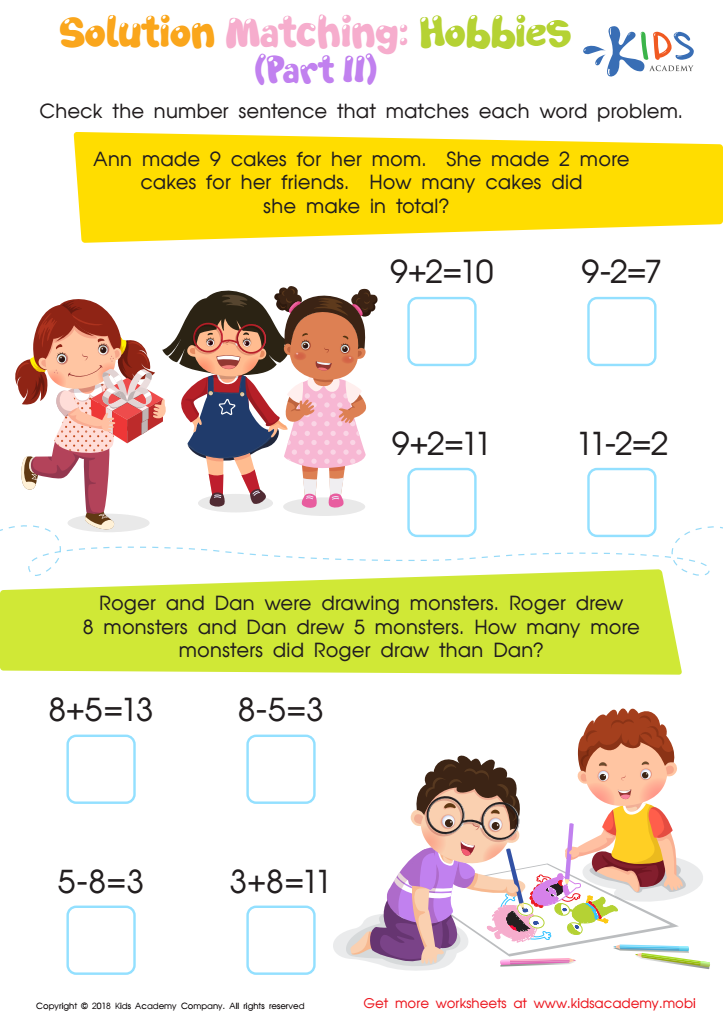
Solution Matching: Hobbies. Part 2 Worksheet
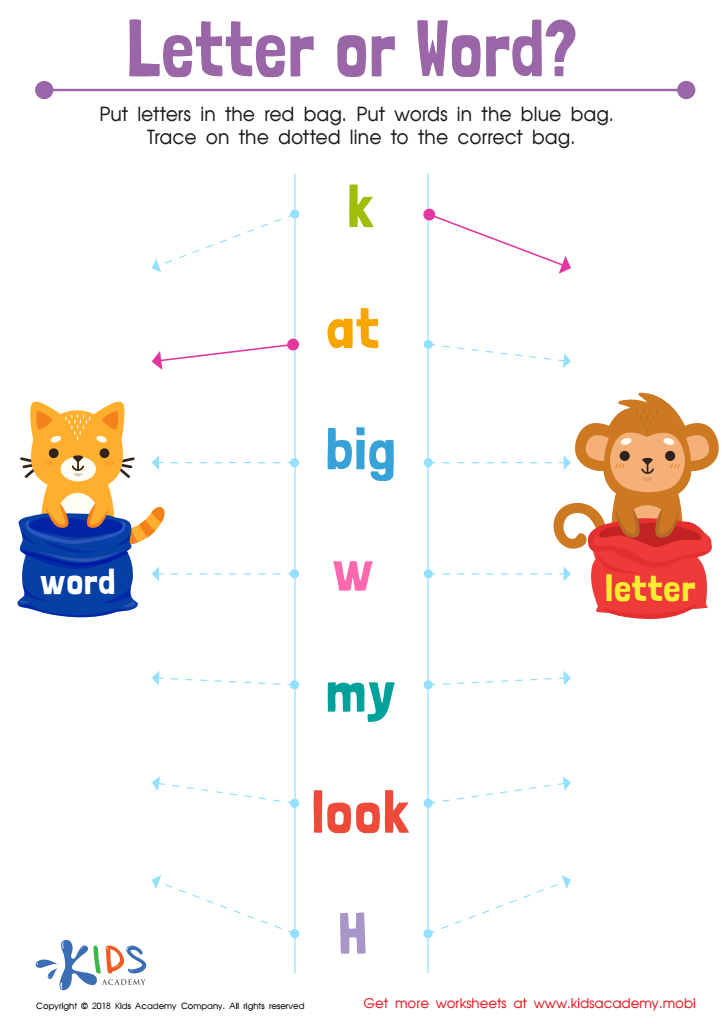
Letter or Word? Worksheet




.jpg)



Vocabulary building is a critical component of early childhood education, especially for children aged 3 to 7, as this period lays the foundation for future academic success. A robust vocabulary correlates strongly with reading comprehension, writing skills, and overall communication abilities. Engaging children in vocabulary-building activities provides extra challenges that foster cognitive development and critical thinking.
Parents and teachers should prioritize vocabulary development for several reasons. First, a rich vocabulary enhances a child's ability to express thoughts and emotions clearly. This improves social interactions and confidence in communication. Moreover, vocabulary growth is linked to increased literacy skills; children with a stronger word base tend to excel in reading and writing, opening doors to further educational opportunities.
Additionally, vocabulary-building activities can be designed to be fun and interactive, supporting a love for learning and exploration. These activities can spark curiosity about language and encourage children to seek out new words in their everyday lives.
Lastly, enhancing vocabulary is not just about academic performance; it's essential for developing critical thinking and comprehension in an increasingly complex world. By emphasizing these extra challenges, parents and teachers can significantly impact a child's lifelong language abilities.








