Spatial awareness Extra Challenge 2D Shapes Worksheets for Ages 3-7
3 filtered results
-
From - To
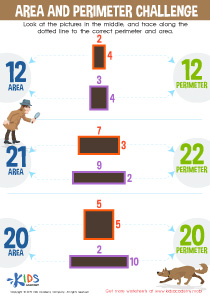
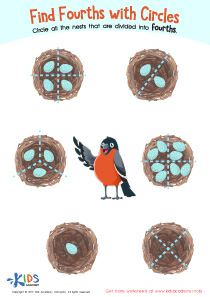
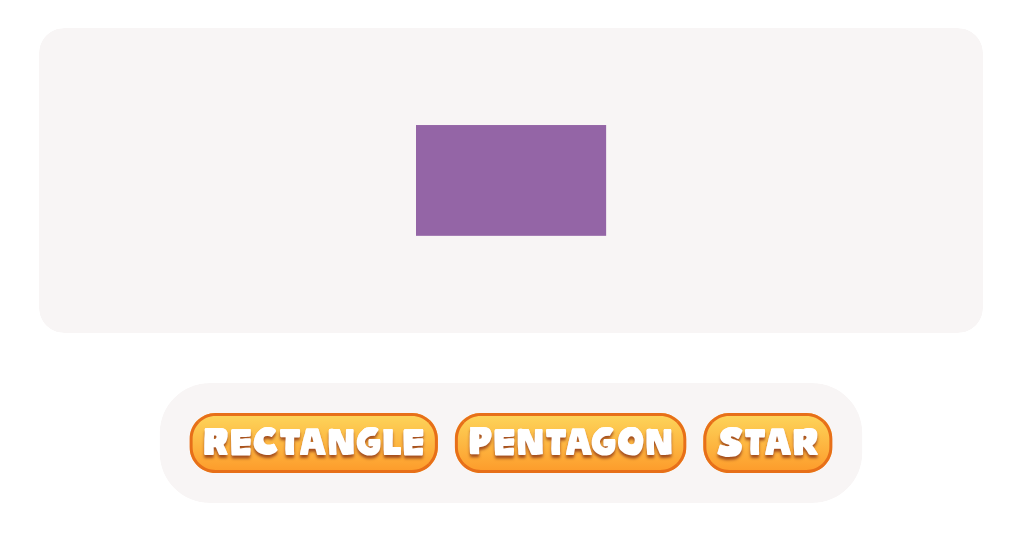
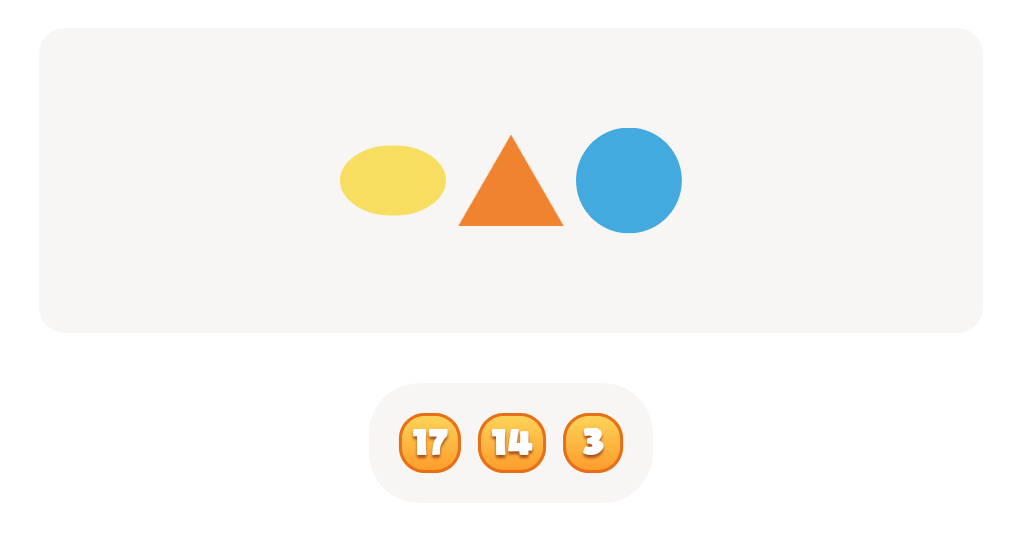
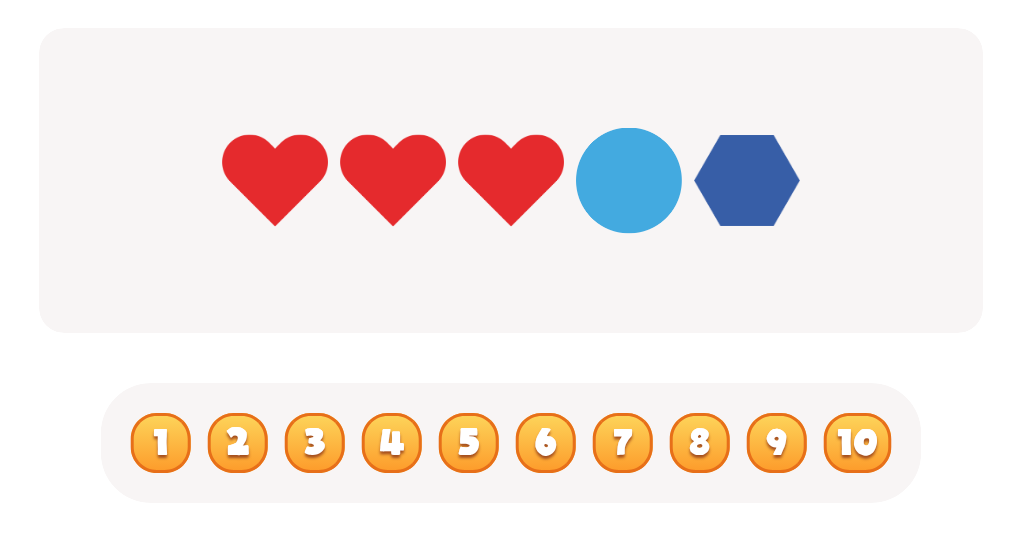
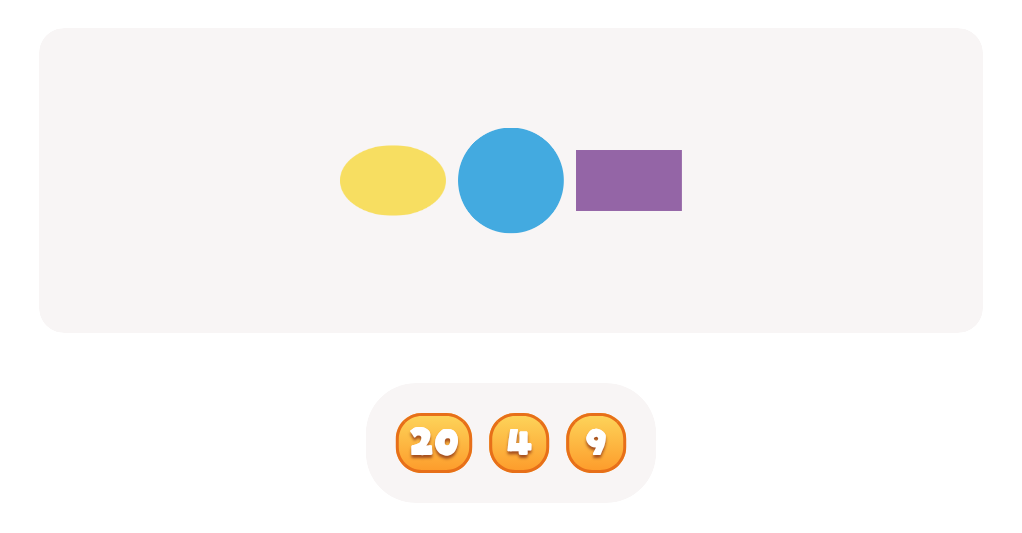
Enhance your child's spatial awareness with our engaging Extra Challenge 2D Shapes Worksheets, designed for ages 3-7! These worksheets introduce fun activities that help young learners recognize, compare, and manipulate 2D shapes through interactive exercises. By challenging their spatial skills, children will develop critical thinking and problem-solving abilities while building a solid foundation in geometry. Our carefully crafted worksheets feature vibrant visuals and engaging tasks that keep kids motivated and excited about learning. Perfect for home or classroom use, these worksheets offer an entertaining way to support early math education and foster a love for shapes and spatial relationships. Start exploring today!
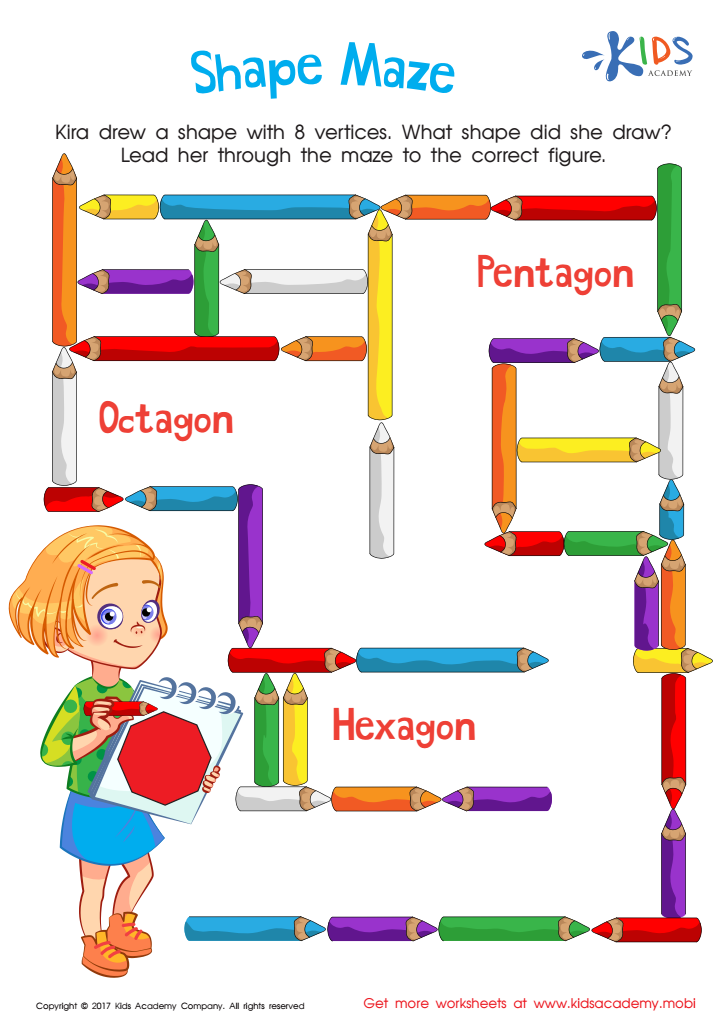
Shape Maze Worksheet
 Assign to My Students

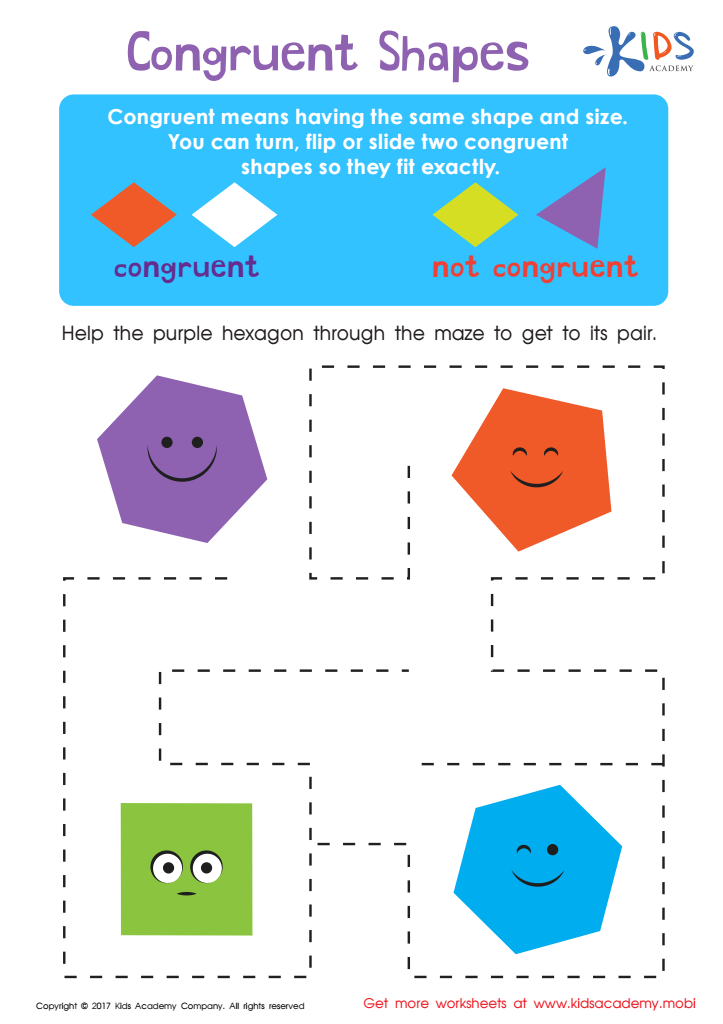
Congruent Shapes Worksheet
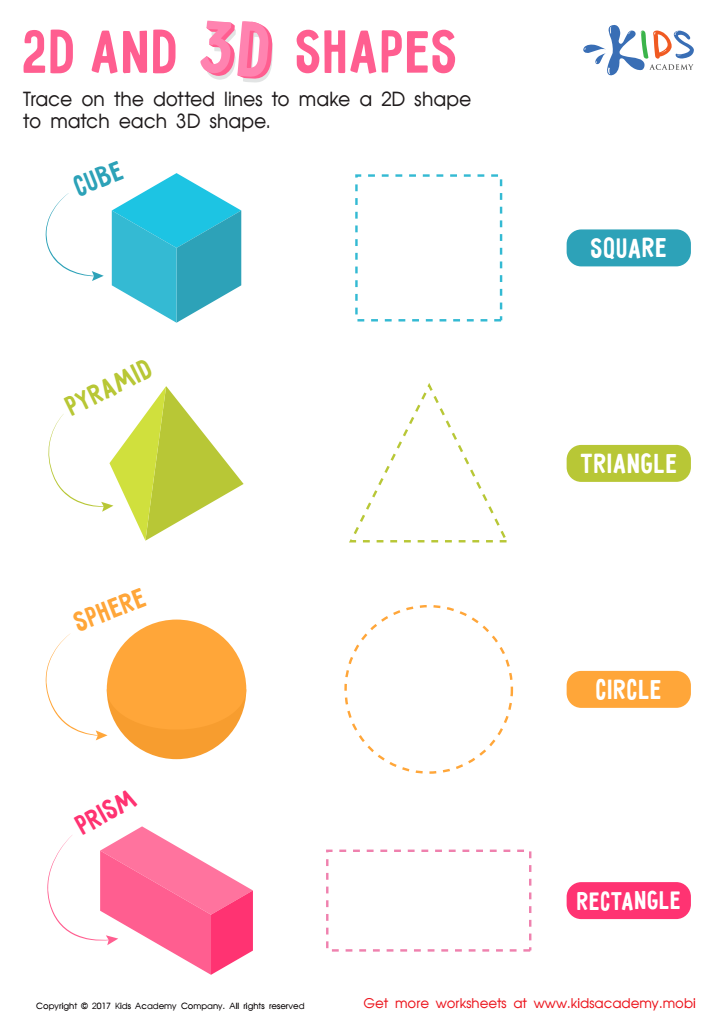
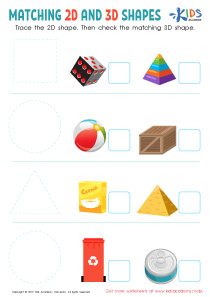
2D and 3D Shapes Worksheet








Spatial awareness is a crucial foundational skill that significantly impacts a child's overall learning and development. For children aged 3-7, mastering spatial awareness helps them navigate their environment, understand their relationship with objects, and develop problem-solving skills. Engaging children in activities focused on 2D shapes encourages critical thinking and enhances their ability to visualize and understand shapes and their properties.
When parents and teachers prioritize spatial awareness through 2D shape challenges, they aid in the development of a child's mathematical reasoning. Recognizing shapes and understanding their attributes fosters early geometry skills, setting the stage for more complex mathematical concepts later on. In addition, spatial awareness is linked to literacy skills, as children who can better comprehend spatial relationships are often more adept at understanding narratives and the organization of text.
Interactive play with 2D shapes also promotes fine motor skills, as children trace, cut, and manipulate shapes with their hands. Ultimately, by nurturing spatial awareness from an early age, parents and teachers empower children to explore, create, and think critically, providing them with skills beneficial across all areas of learning and in everyday life. It's not just about shapes; it’s about equipping children for future success.