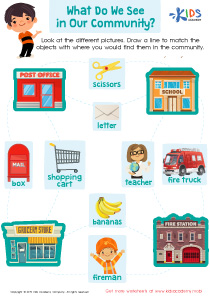
Mathematical reasoning Extra Challenge Addition & Subtraction Worksheets for Ages 3-7
5 filtered results
-
From - To
Unlock your child's potential with our "Mathematical Reasoning Extra Challenge Addition & Subtraction Worksheets for Ages 3-7." Specially designed to enhance critical thinking and problem-solving skills, these worksheets provide varied and engaging exercises that make learning fun. Ideal for young learners, each worksheet combines vibrant illustrations with challenging math problems to improve understanding and fluency in addition and subtraction. Whether used at home or in a classroom, our worksheets stimulate curiosity, bolster confidence, and pave the way for future success in math. Empower your child with the tools they need to excel with our comprehensive and enjoyable math resources.
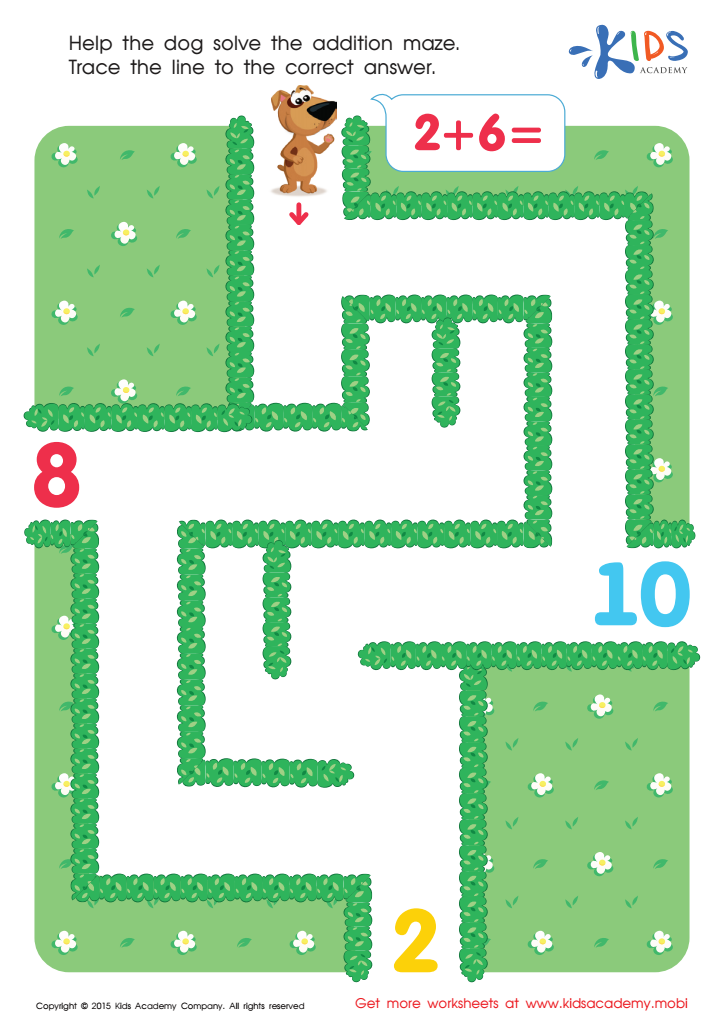
Two Plus Six Addition Worksheet
 Assign to My Students
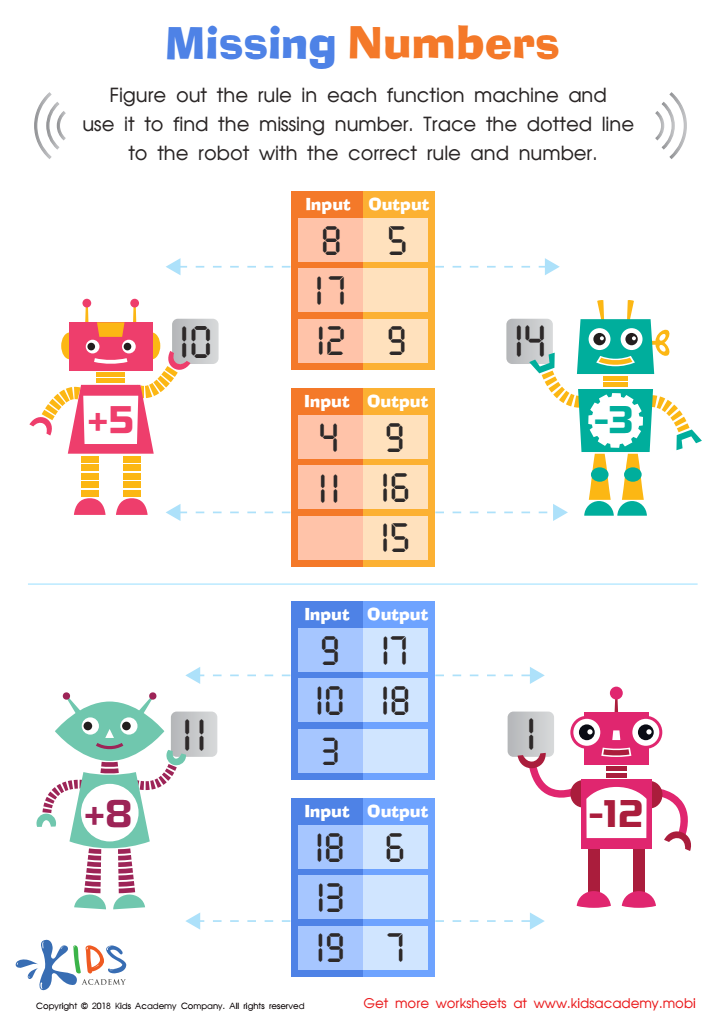
Missing Numbers Worksheet
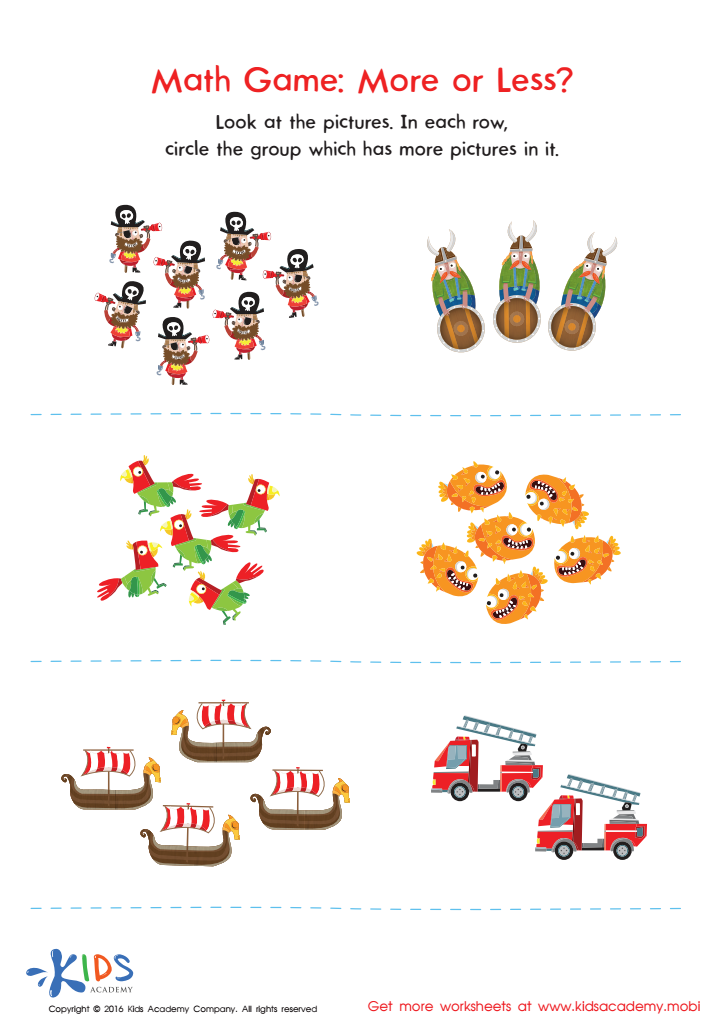
More or Less Worksheet
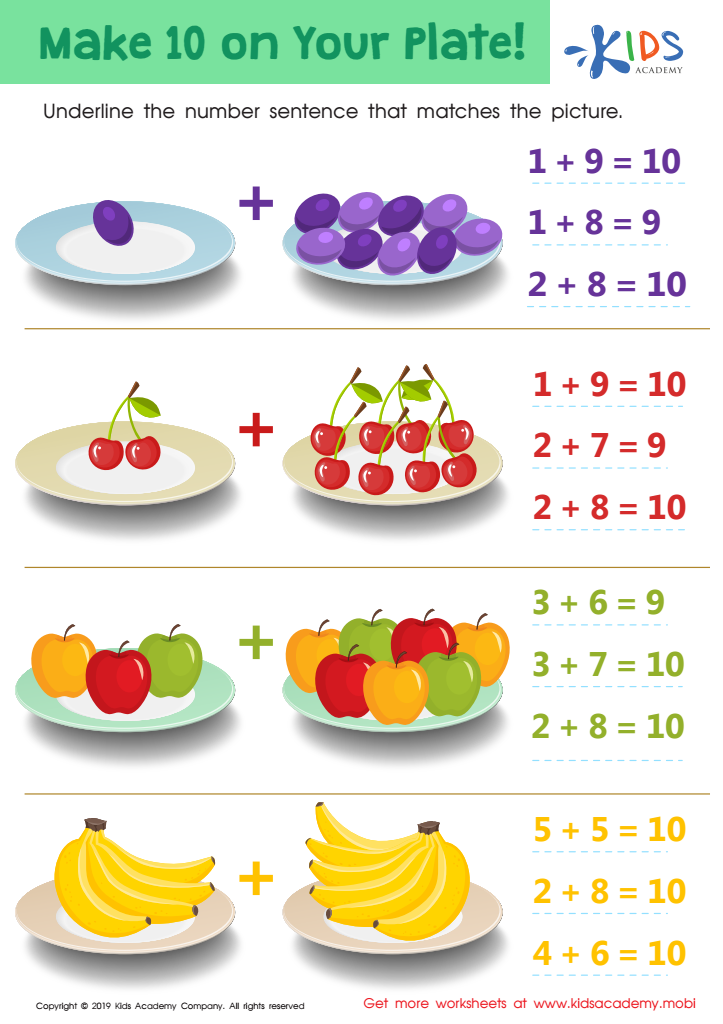
Make 10 on Your Plate! Worksheet
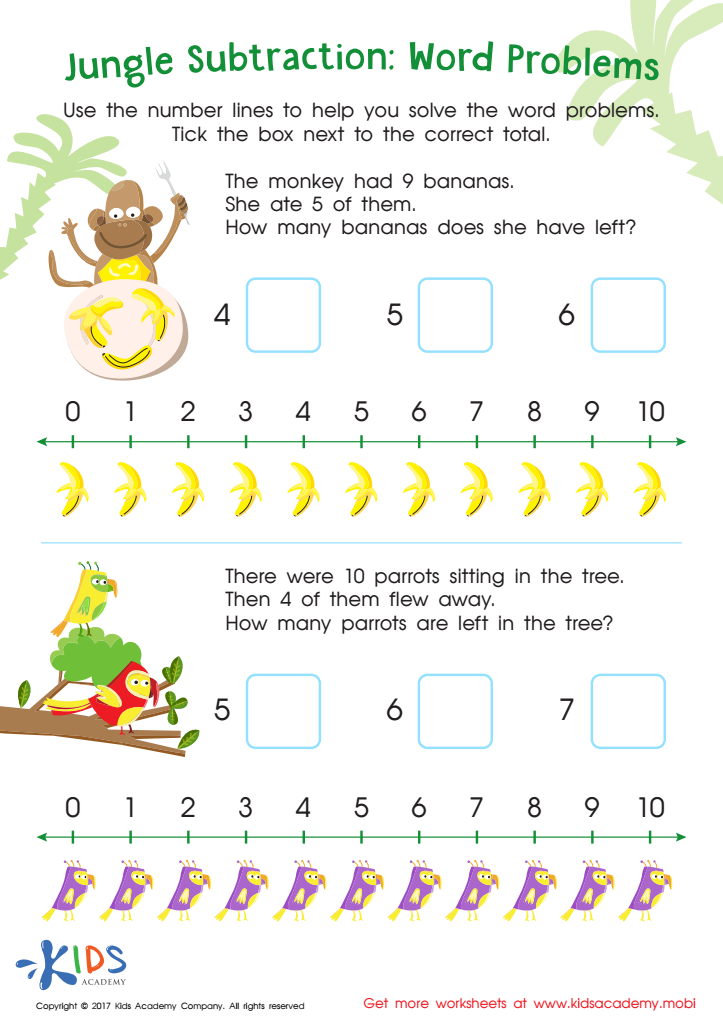
Jungle Subtraction Word Problems Substraction Worksheet








Fostering mathematical reasoning in children aged 3-7 through extra challenges in addition and subtraction is crucial for several reasons. First, these formative years are pivotal for cognitive development. Engaging in mathematical reasoning exercises helps build a strong foundational understanding of numbers, which is essential for more complex mathematical concepts later in life.
Second, problem-solving skills developed through these exercises extend beyond mathematics. Children learn to approach problems methodically, think critically, and develop perseverance. These are valuable life skills that contribute positively to a child’s overall academic performance and ability to tackle challenges in various areas.
Third, early exposure to mathematical reasoning can help identify and nurture natural mathematical talents. For students who find these concepts challenging, early intervention can provide the support needed to bridge any gaps, thus preventing future learning difficulties.
Additionally, math-related activities can improve spatial awareness, sequencing, and logical thinking. They also promote collaborative learning when done in groups, teaching children how to work effectively as a team.
Finally, fostering a positive attitude towards math from an early age can reduce math anxiety, leading to greater confidence and academic success in the future. Therefore, both parents and teachers should prioritize these extra challenges to maximize children's long-term cognitive and emotional development.