Visual discrimination Extra Challenge Math Worksheets for Ages 3-7
3 filtered results
-
From - To
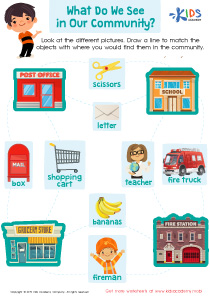
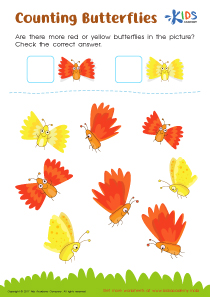
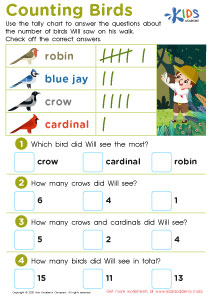
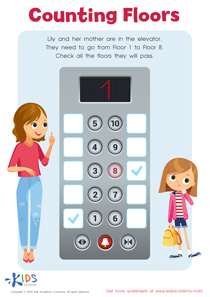
Introducing our "Visual Discrimination Extra Challenge Math Worksheets" designed for children aged 3-7. These engaging worksheets enhance essential visual skills by helping young learners differentiate shapes, sizes, and patterns in fun, interactive ways. Perfect for reinforcing math concepts, these challenging activities encourage critical thinking and observation while promoting essential foundational skills. Each worksheet is crafted to captivate young minds, making learning enjoyable and effective. Ideal for classrooms or at-home learning, our materials support various learning styles and paces. Empower your child's learning journey with tailored resources that spark curiosity and confidence in math! Download now and watch your child excel!
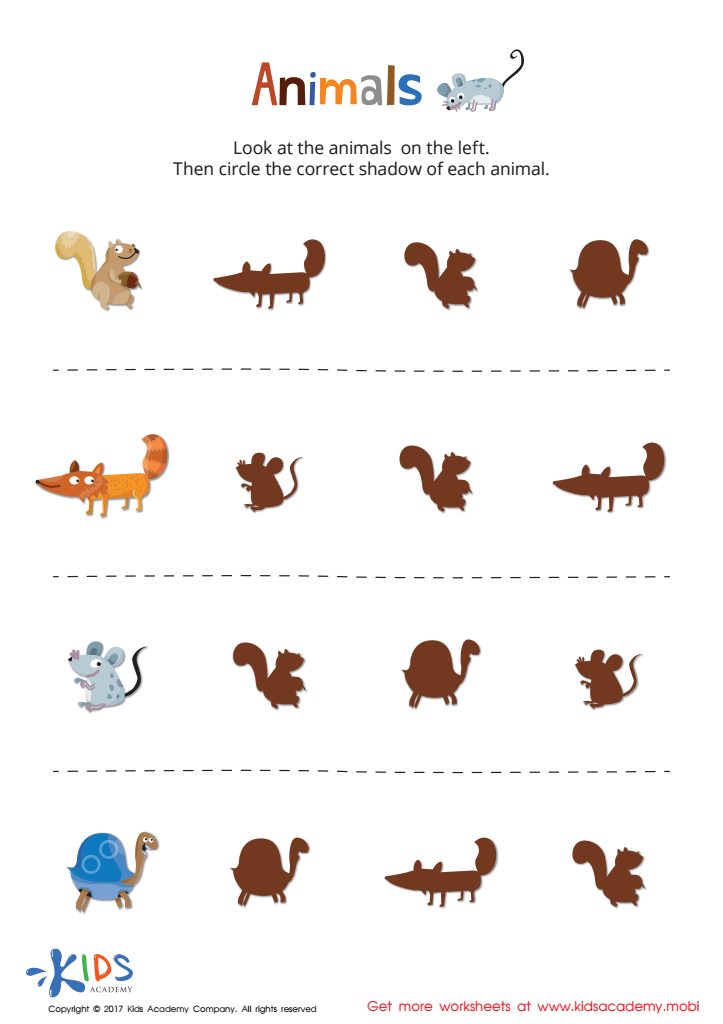
Animal Shadows Sorting Worksheet
 Assign to My Students
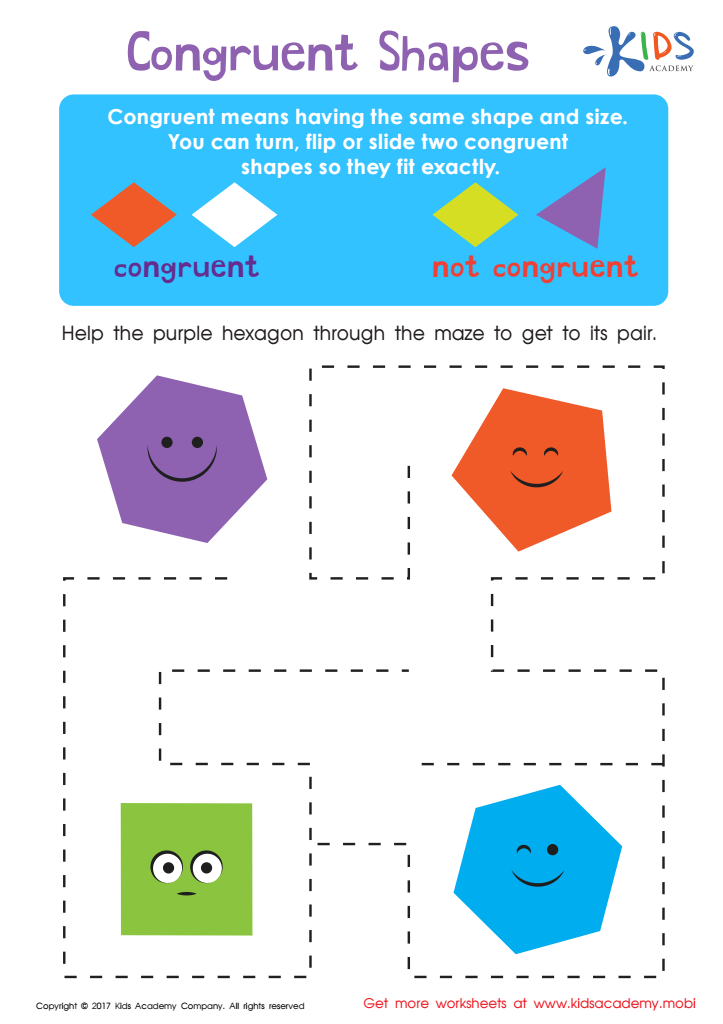
Congruent Shapes Worksheet
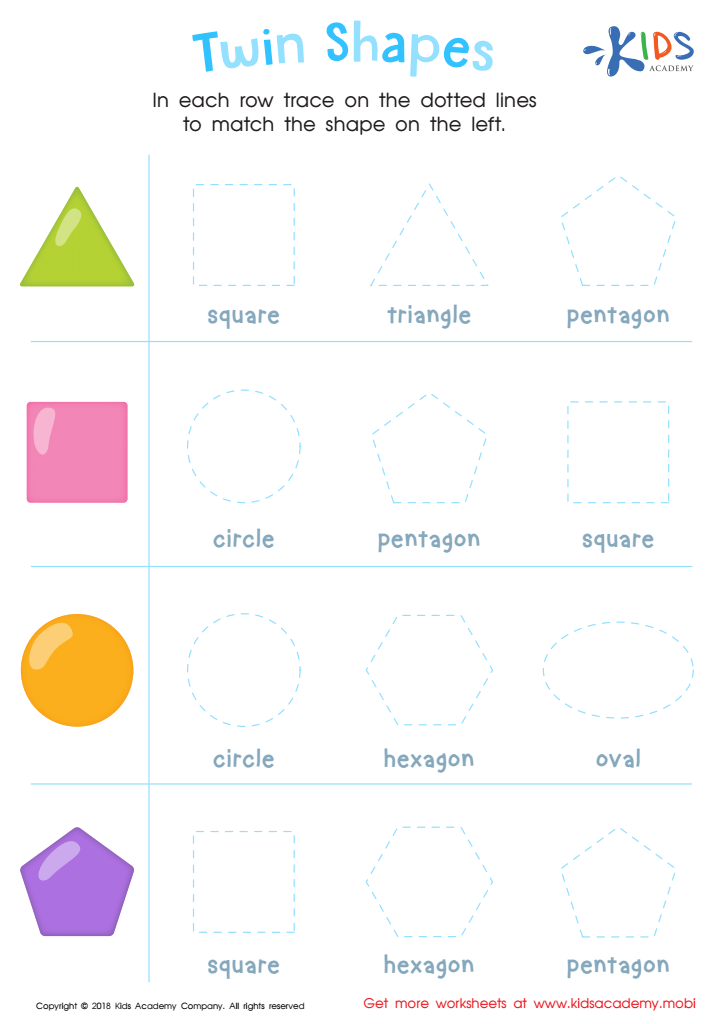
Twin Shapes Dot-to-Dot Worksheet








Visual discrimination is a crucial cognitive skill that allows young children to identify similarities and differences in shapes, letters, numbers, and patterns. For parents and teachers, focusing on Visual Discrimination Extra Challenge Math for ages 3-7 is essential for several reasons.
Firstly, strong visual discrimination skills lay the foundation for effective math problem-solving. Children who can accurately discern patterns and numbers are better equipped to tackle addition, subtraction, and other mathematical concepts. This early proficiency often translates to long-term academic success.
Secondly, engaging in visual discrimination activities enhances children's focus and attention to detail, skills that are beneficial across all areas of learning, not just math. As children sort objects, recognize shapes, and match patterns, they develop critical thinking skills and visual processing abilities.
Moreover, these challenges promote inclusion and adaptability, supporting diverse learning styles and paces. By emphasizing visual discrimination, teachers and parents can create tailored learning experiences that meet the needs of each child, ensuring no learner is left behind.
In conclusion, prioritizing Visual Discrimination Extra Challenge Math illuminates the importance of developing essential cognitive skills in early childhood that benefits overall educational development and lifelong learning.