Alphabet Recognition Extra Challenge Letter Recognition Worksheets for Ages 3-8
4 filtered results
-
From - To
Enhance your child's alphabet recognition skills with our Extra Challenge Letter Recognition Worksheets, designed specifically for ages 3-8! These engaging and interactive worksheets promote early literacy by encouraging letter identification and sound association through fun activities. Suitable for home or classroom use, our worksheets feature vibrant illustrations and a variety of exercises to keep young learners motivated. As kids progress through different difficulty levels, they'll gain confidence in their abilities while enjoying the learning process. Perfect for budding readers, these resources simplify the letter recognition process while preparing them for future academic success. Explore our collection today and make learning letters fun!

Letter A Tracing Page
 Assign to My Students
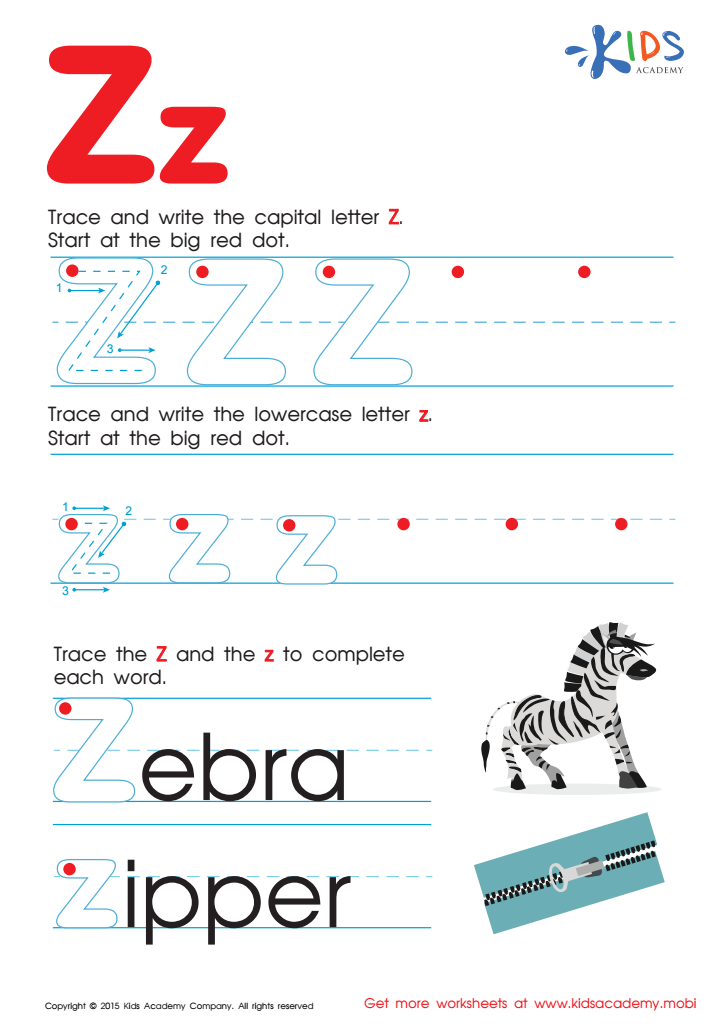
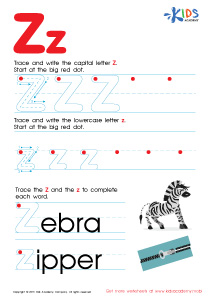
Letter Z Tracing Page
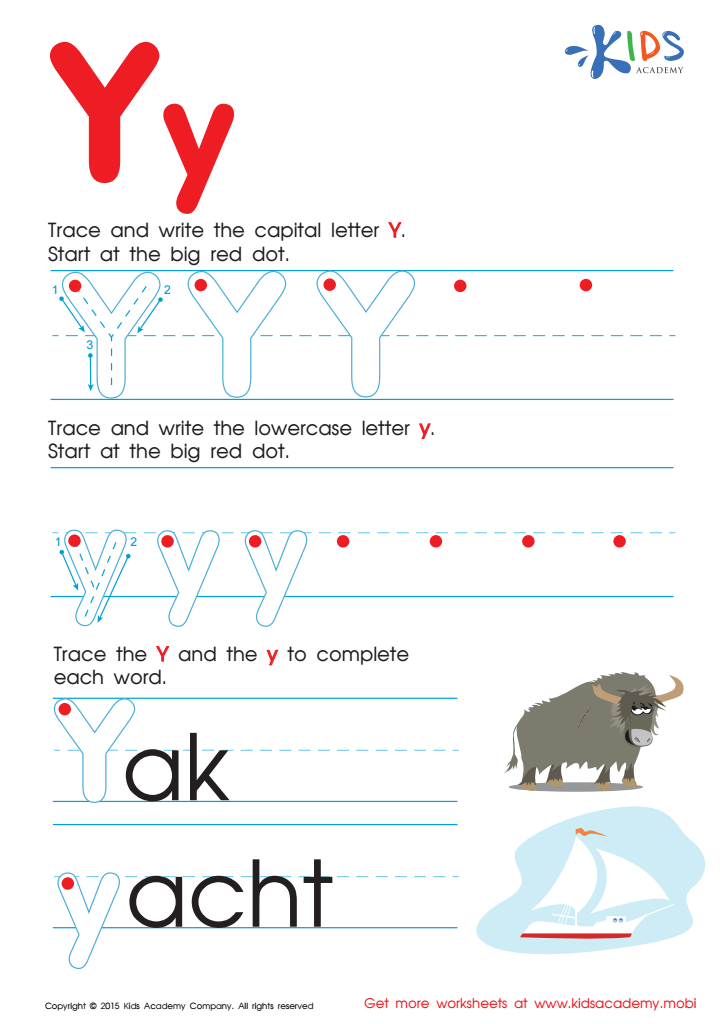
Letter Y Tracing Page
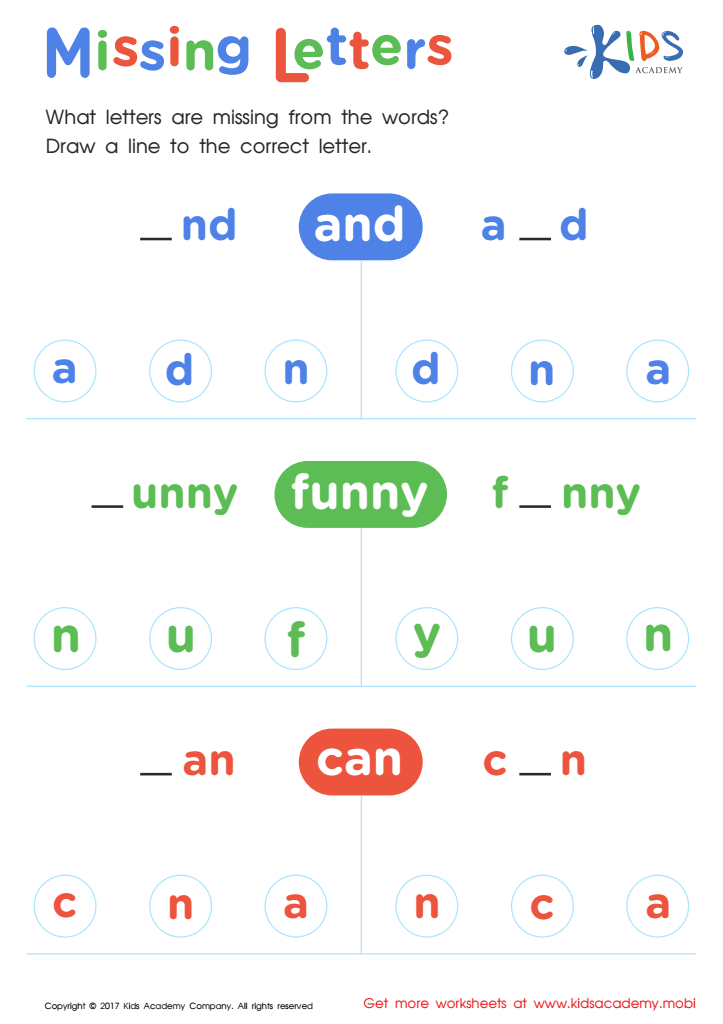
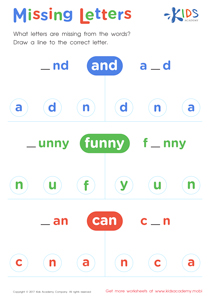
Missing Letters Worksheet








Alphabet recognition is a foundational skill crucial in early literacy development for children ages 3-8. Parents and teachers should prioritize this skill because it serves as the basis for reading and writing. When children can recognize letters, they are better equipped to understand phonics, leading to improved decoding and spelling abilities.
Incorporating an extra challenge in letter recognition can enhance cognitive engagement for young learners. By expanding the complexity of alphabet activities, children are encouraged to think critically, fostering problem-solving skills and adaptability—all vital competencies in lifelong learning.
Additionally, letter recognition activities can be incorporated into everyday routines, making learning fun and relatable. This not only reinforces the alphabet but also strengthens the bond between parents, teachers, and students, creating a collaborative and supportive learning environment.
Moreover, children who struggle with letter recognition might face challenges in later academic stages. Early intervention through extra challenges helps identify and support those who may need additional assistance, ensuring that all children build a solid literacy foundation. Ultimately, understanding and promoting alphabet recognition can shape more confident, capable learners as they embark on their educational journey.