Fine Motor Skills Extra Challenge Tracing Letters Worksheets for Ages 3-8
7 filtered results
-
From - To
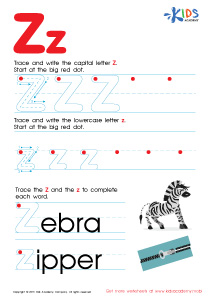
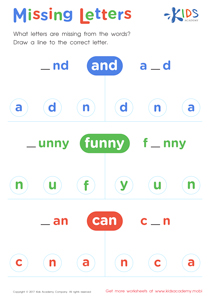
Enhance your child's fine motor skills with our engaging Tracing Letters Worksheets designed for ages 3-8! These extra challenge worksheets provide an exciting way for young learners to practice letter formation while refining their hand-eye coordination and dexterity. Each worksheet features a mix of uppercase and lowercase letters, with fun illustrations to keep children motivated and intrigued. Ideal for homeschooling, classroom activities, or extra practice at home, our worksheets encourage creativity as children trace, color, and engage with learning. Make letter tracing a delightful experience and build a strong foundation for future literacy skills. Explore our collection today!
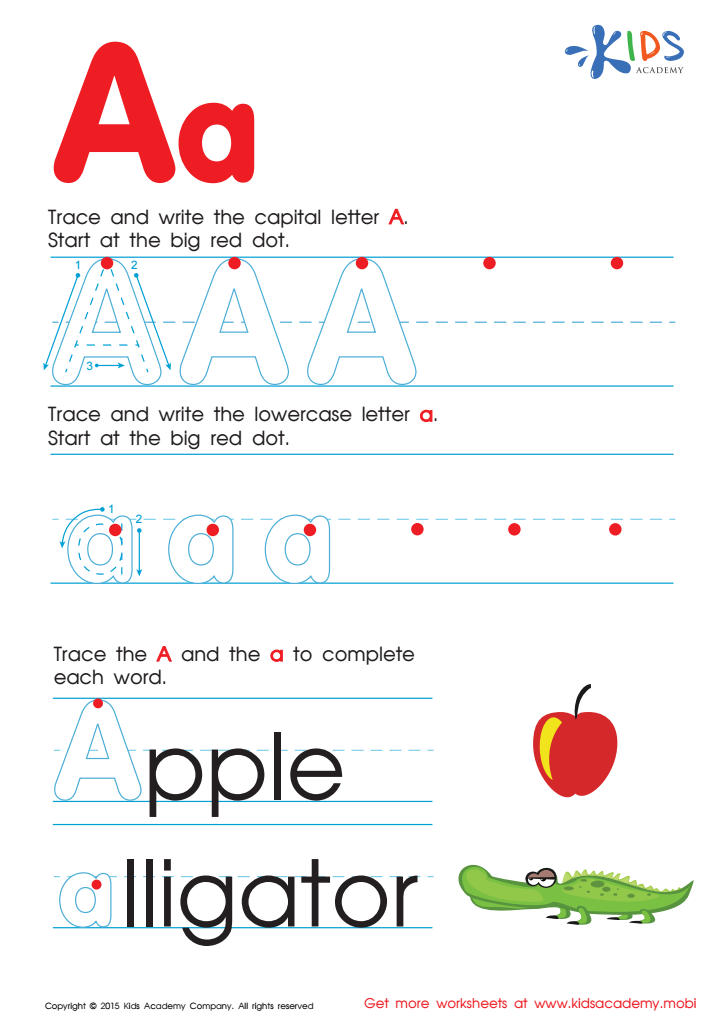
Letter A Tracing Page
 Assign to My Students
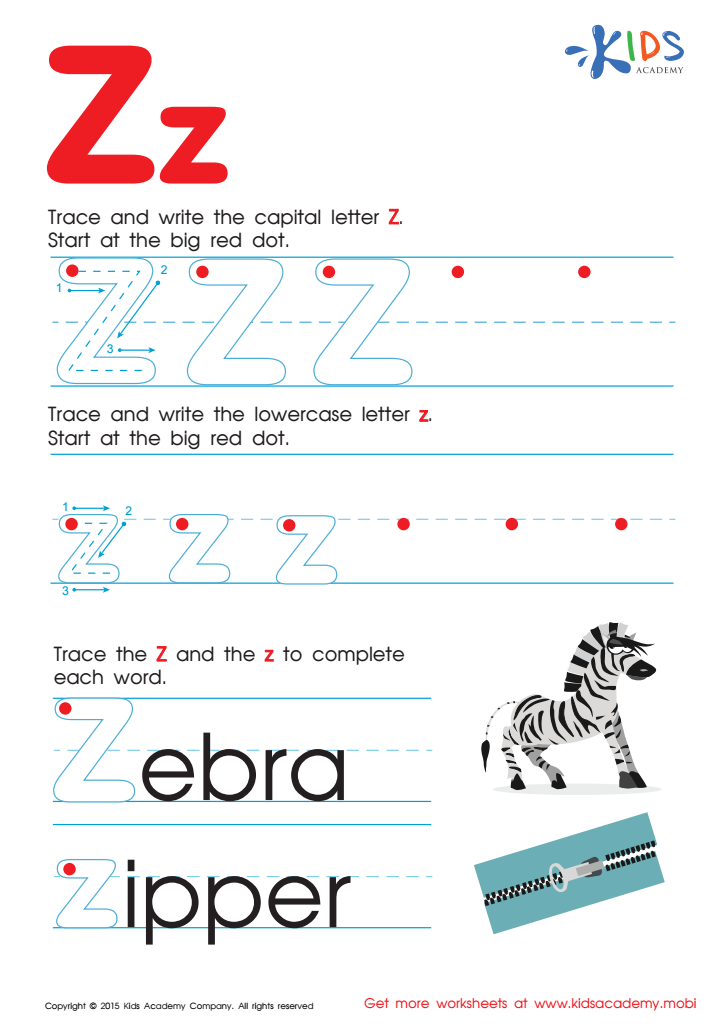
Letter Z Tracing Page
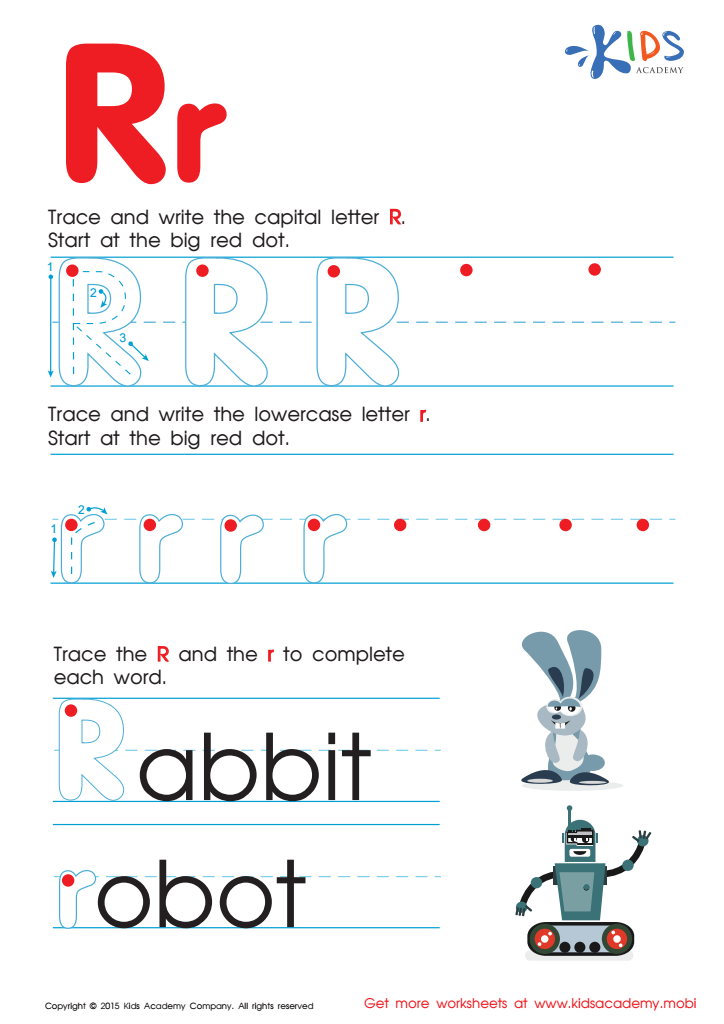
Letter R Tracing Page
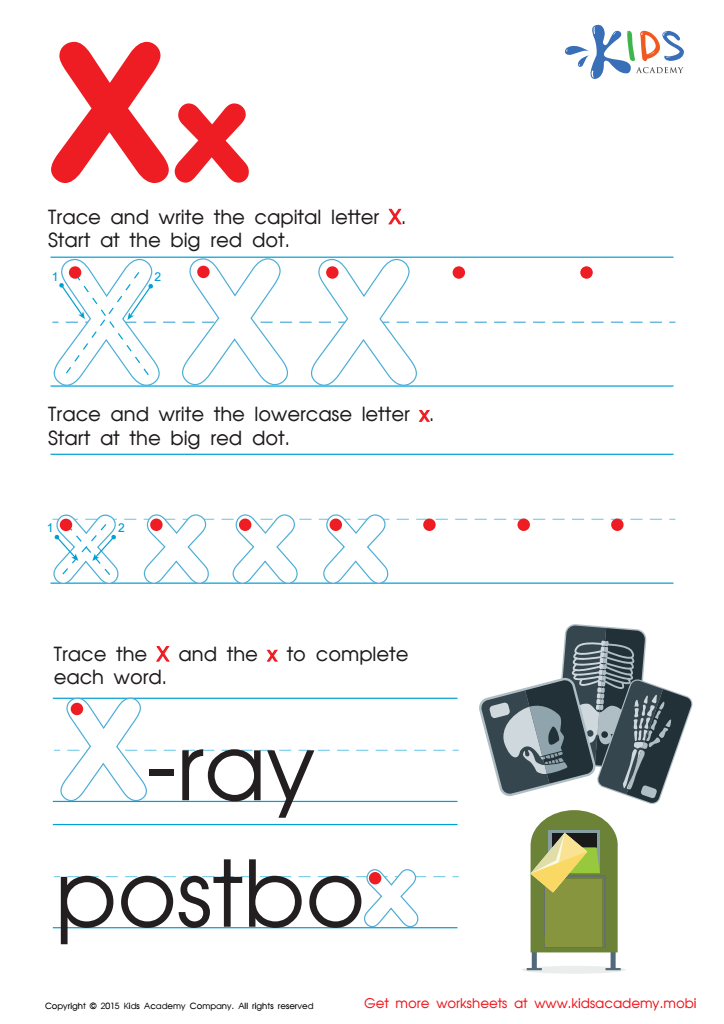
Letter X Tracing Page
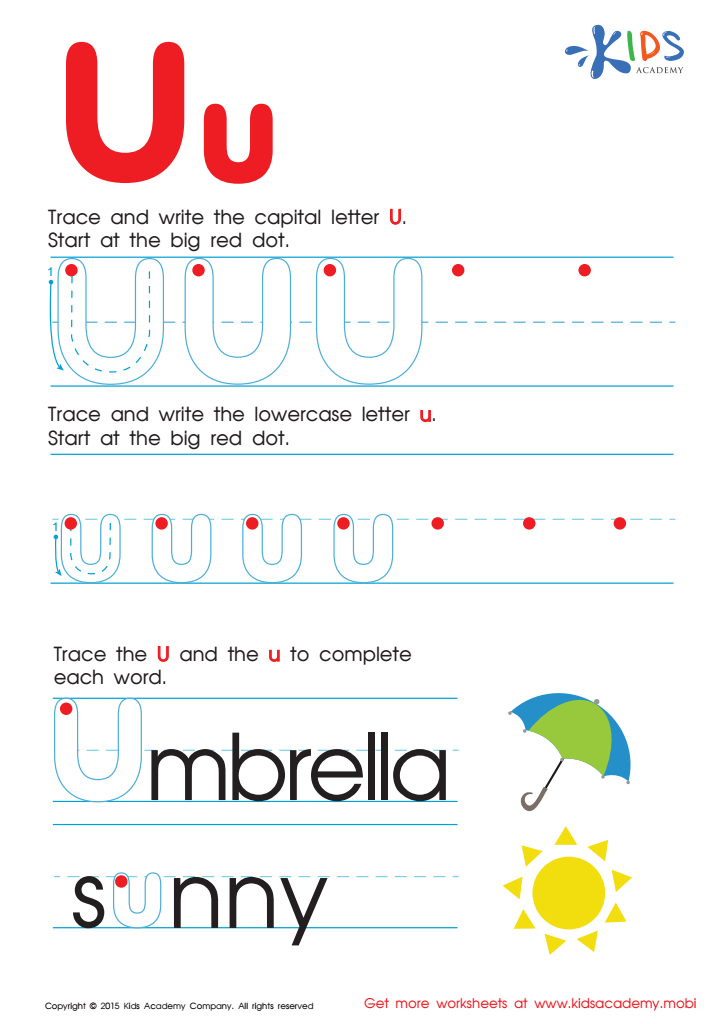
Letter U Tracing Page
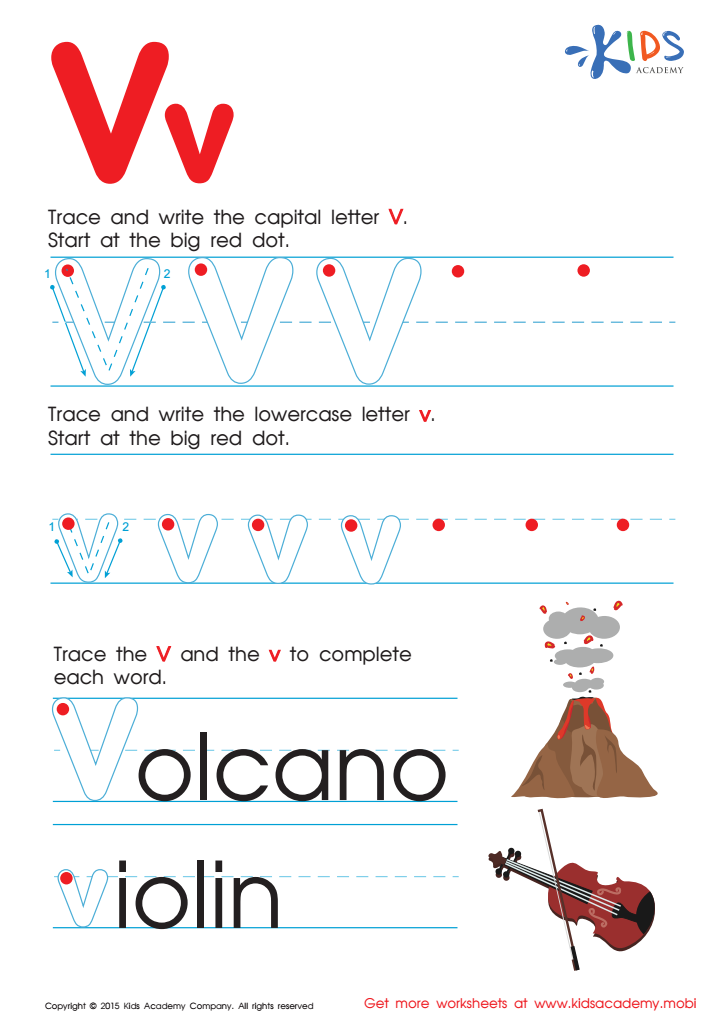
Letter V Tracing Page
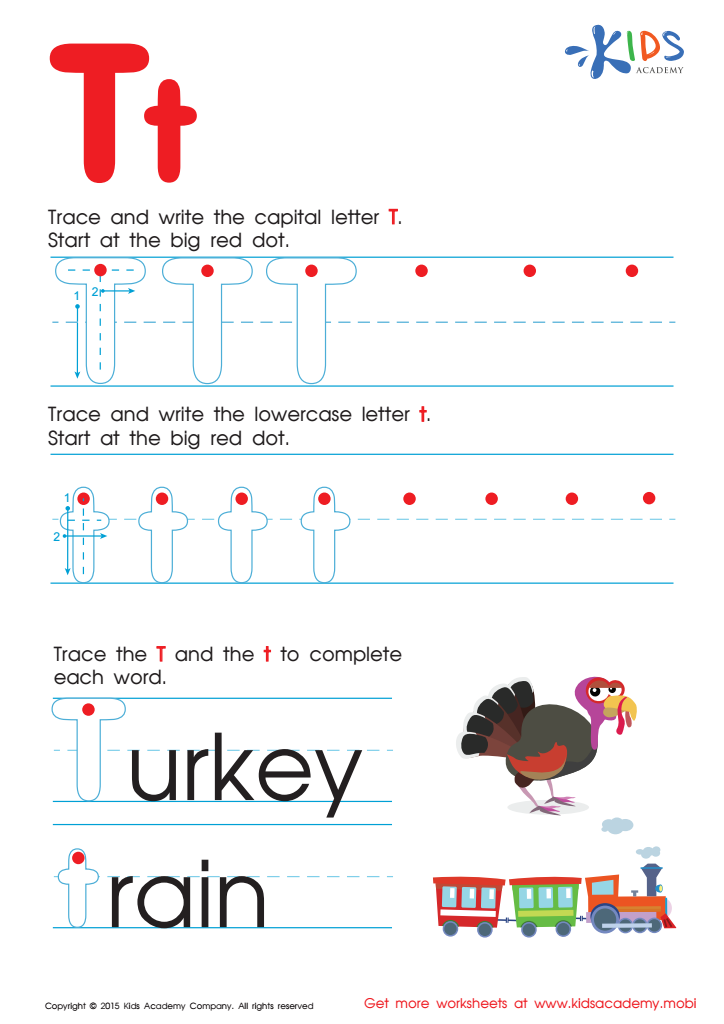
Letter T Tracing Page








Fine motor skills are crucial for children's overall development, particularly for those aged 3-8. Engaging in activities like letter tracing provides essential benefits for young learners and warrants the attention of both parents and teachers.
Firstly, fine motor skills are foundational for everyday tasks, such as writing, buttoning clothes, and using utensils. Tracing letters helps improve hand-eye coordination, pencil grip, and finger strength, which are vital for successful writing later on.
Additionally, developing fine motor skills through tracing activities aids cognitive development. As children practice letter formation and recognition, they also enhance their cognitive abilities related to language and literacy. These skills set the groundwork for reading, spelling, and comprehension, which are critical milestones in early education.
Moreover, fine motor activities promote concentration and focus. The process of tracing not only requires physical control but also engages their thinking skills, improving their attention span over time.
Encouraging children to practice tracing letters fosters confidence in their abilities. A strong foundation in fine motor skills translates to greater academic success and overall independence, making it imperative for parents and teachers to prioritize these activities in early education.