Alphabet Recognition Extra Challenge English for Beginners Worksheets for Ages 3-8
3 filtered results
-
From - To
Welcome to our "Alphabet Recognition Extra Challenge" worksheets designed specifically for English language beginners aged 3-8! These engaging worksheets are crafted to enhance kids' letter recognition skills while making learning fun and interactive. With vibrant illustrations and thoughtful exercises, children will explore the alphabet through various activities that promote recognition, pronunciation, and writing. Each worksheet is tailored to accommodate different learning styles, ensuring that every child can succeed. Perfect for home or classroom use, our extra challenge worksheets will help children build a strong foundation in English while encouraging their love for learning. Unlock their potential today!
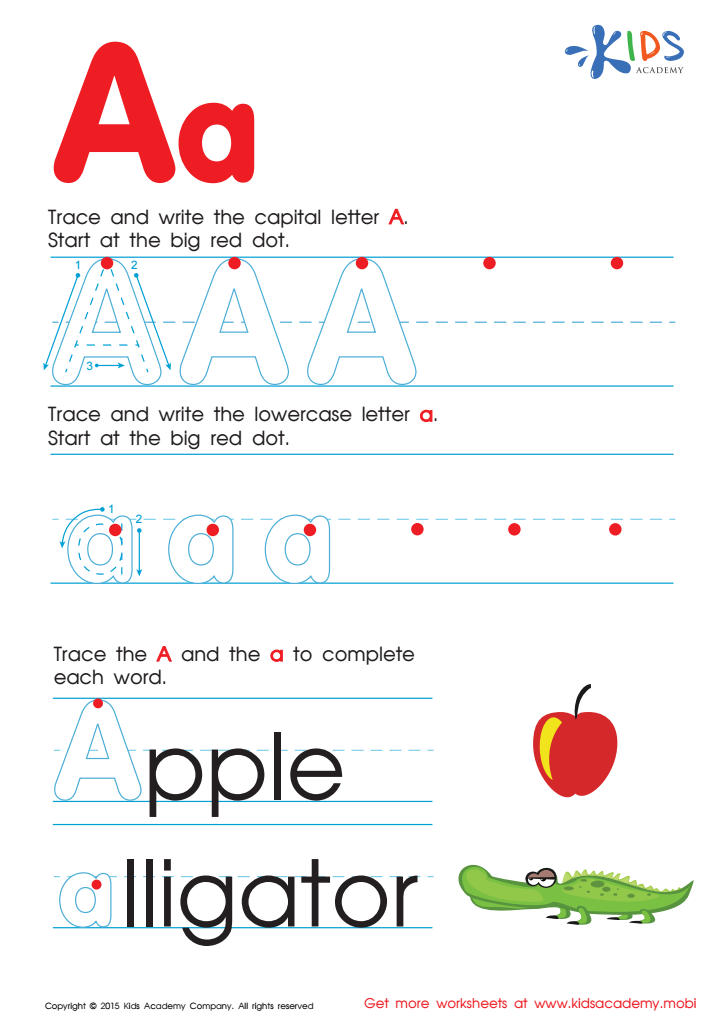
Letter A Tracing Page
 Assign to My Students
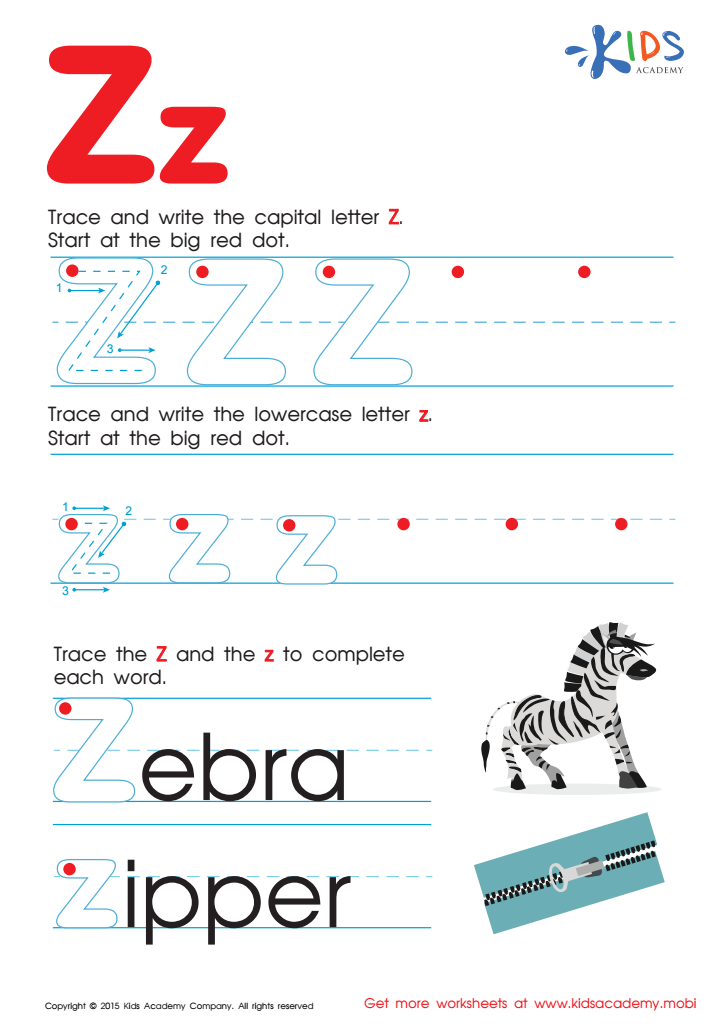
Letter Z Tracing Page
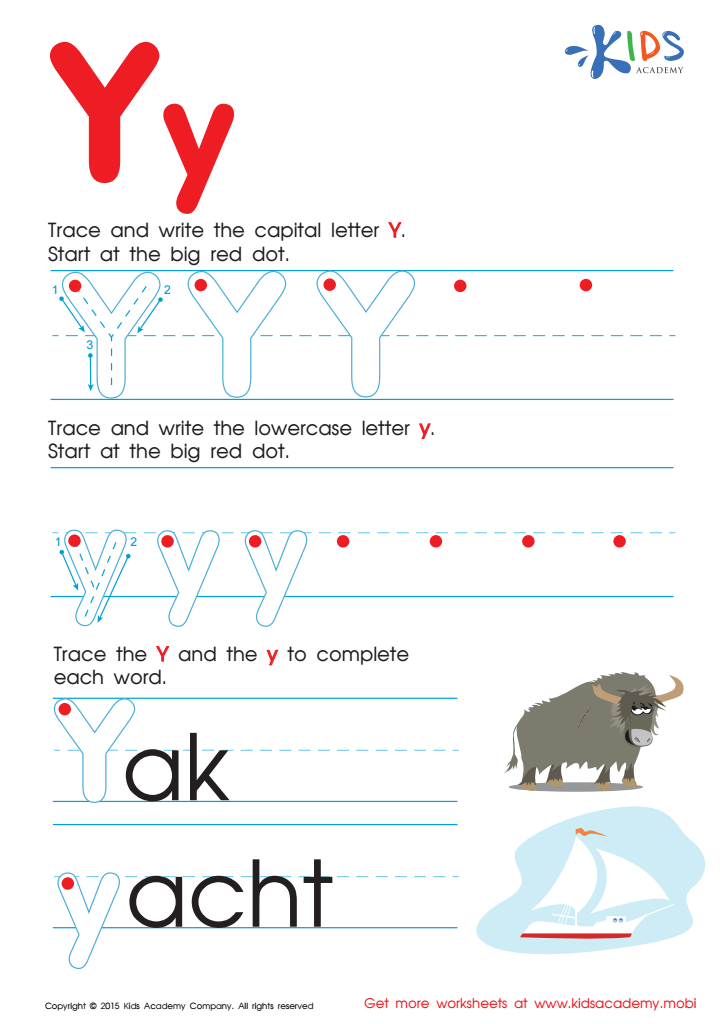
Letter Y Tracing Page





Alphabet recognition is a fundamental building block for literacy, making it crucial for parents and teachers to prioritize this skill, especially for children ages 3-8. The "Alphabet Recognition Extra Challenge" offers an engaging and interactive way for beginners to learn the letters of the alphabet, forming the basis for reading and writing.
For young learners, recognizing letters is not just about memorization; it boosts their confidence and curiosity about language. This program caters to multiple learning styles, incorporating visual, auditory, and kinesthetic activities that make learning enjoyable. Engaging children through games, songs, and hands-on activities fosters a positive attitude towards education, setting the stage for a lifelong love of learning.
Additionally, early literacy skills have long-lasting impacts on academic achievement. Children who recognize letters early are better equipped to decode words, understand phonics, and ultimately read at grade level. Furthermore, strong literacy skills enhance communication abilities, boost self-esteem, and empower children to express themselves effectively.
In summary, investing time in alphabet recognition through engaging methods enriches early childhood education, laying a solid foundation for a child’s future academic success and a love for reading. Parents and teachers play a critical role in fostering these essential early literacy skills.








