Improving reading comprehension Extra Challenge Worksheets for Ages 3-8
3 filtered results
-
From - To
Enhance early reading skills with our "Improving Reading Comprehension Extra Challenge Worksheets" designed for ages 3-8. These engaging and educational worksheets are created to help young learners boost their understanding of texts. Each worksheet provides varied activities that challenge children to think critically about what they've read, from identifying main ideas and details to making inferences and predictions. Perfect for use at home or in the classroom, our fun, colorful exercises make learning enjoyable and effective. Download today to give your kids the extra practice they need to build a strong reading foundation and excel in literacy!
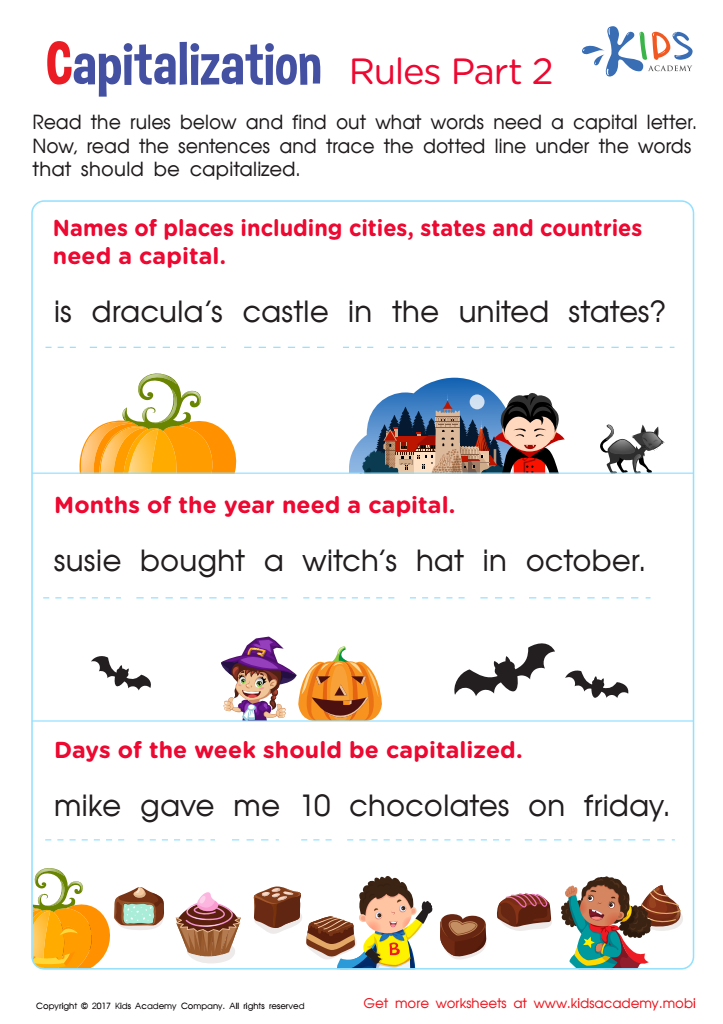
Capitalization Rules: Part 2 Worksheet
 Assign to My Students
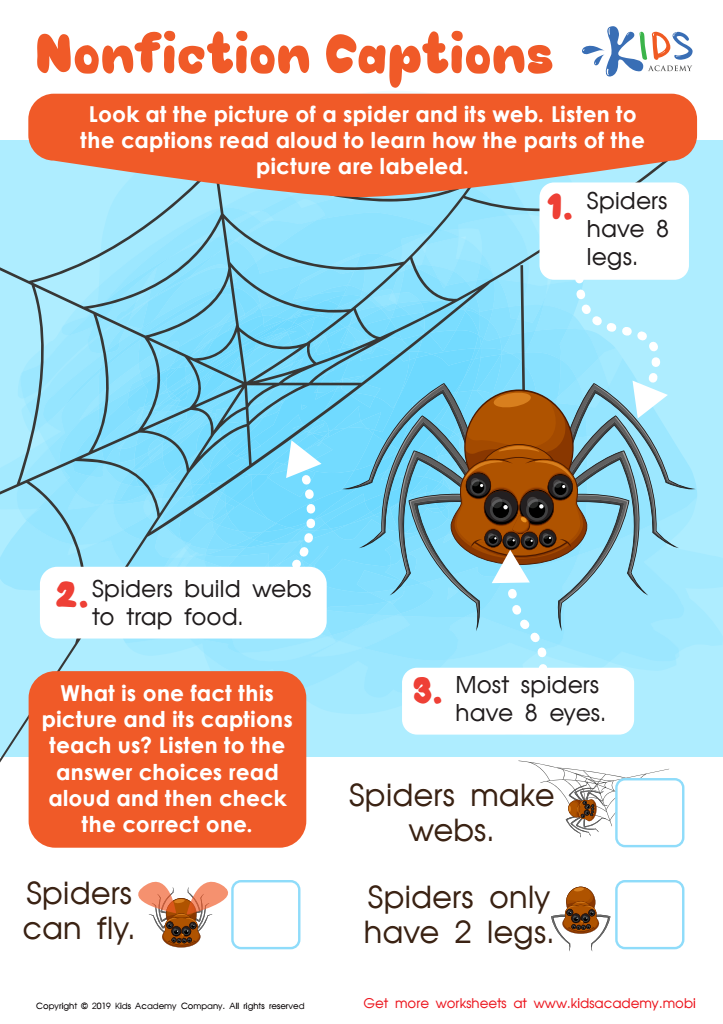
Nonfiction Captions Worksheet
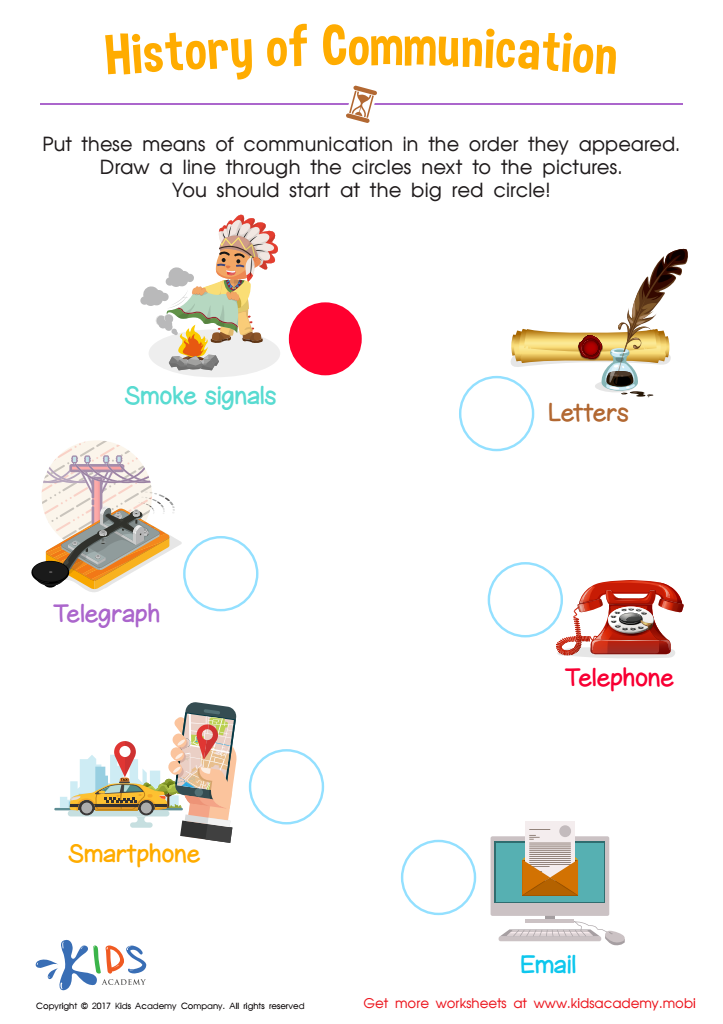
History of Communication Worksheet







Improving reading comprehension in children aged 3-8 is foundational for their academic success and lifelong learning. During these formative years, children's brains are highly receptive, making it the optimal time to nurture essential cognitive and language skills. Comprehension is not just about reading words, but it's about understanding their meaning, leading to better communication, critical thinking, and problem-solving abilities.
For parents and teachers, focusing on reading comprehension provides children with the tools to explore new concepts and ideas, expanding their knowledge base across all subjects. When kids grasp what they read, they can perform better in school, exhibiting greater confidence and enthusiasm toward learning. Moreover, strong comprehension skills are linked to better writing abilities; children who understand texts are more likely to express themselves clearly and effectively.
Additionally, fostering a love for reading in the early years raises curious, informed, and empathetic individuals who are able to engage thoughtfully with the world around them. Reading together with an engaging, extra challenge can also strengthen the bond between parents, teachers, and children. Ultimately, investing time in improving reading comprehension sets the stage for a continuous cycle of learning, thinking, and growing. This early investment pays off by equipping children with the skills they need to succeed academically and beyond.








