Spelling improvement Extra Challenge Worksheets for Ages 3-8
6 filtered results
-
From - To
Boost your child's spelling skills with our Extra Challenge Worksheets designed specifically for ages 3-8! These engaging worksheets provide a fun and interactive way for young learners to enhance their spelling proficiency. Featuring various activities, from fill-in-the-blanks to word searches, our resources cater to different learning styles and keep kids motivated. Parents and teachers will appreciate the fresh content, tailored to challenge children while promoting essential literacy skills. Ideal for reinforcement at home or in the classroom, these worksheets make spelling practice enjoyable and effective. Start your child on the path to spelling success today!
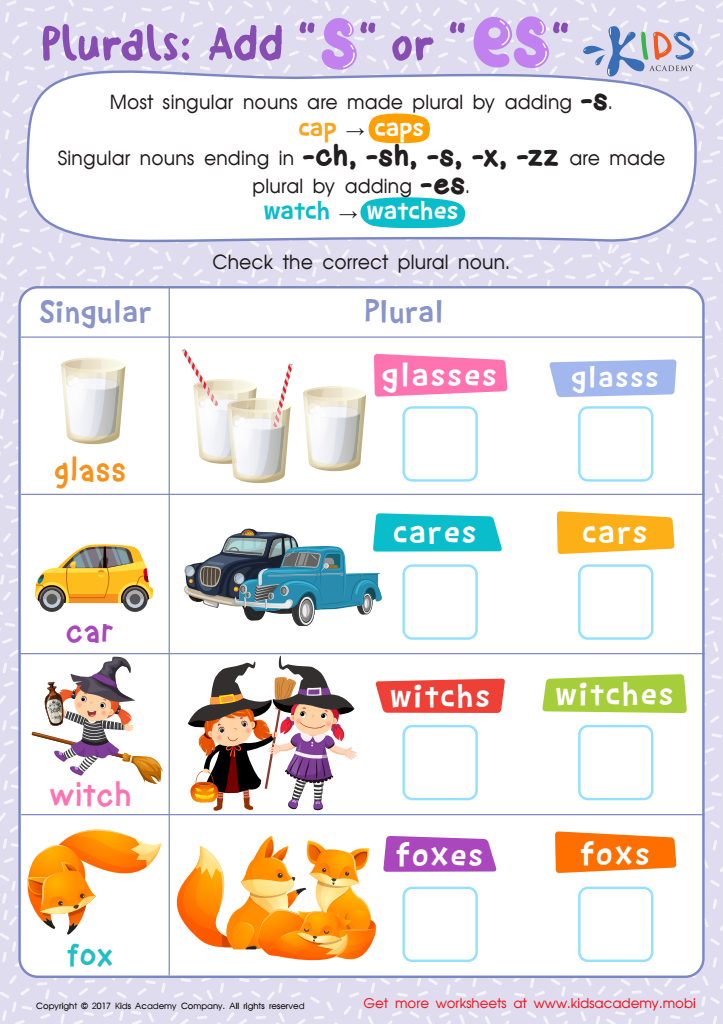
Plurals: "–es" or "–es"? Worksheet
 Assign to My Students
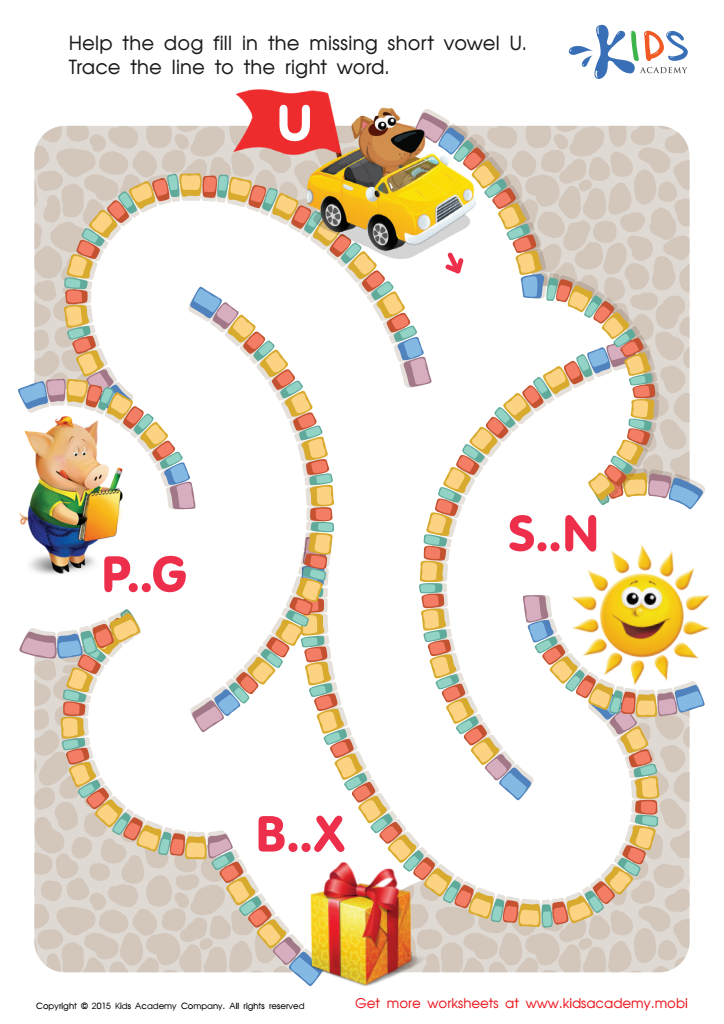
Short Vowel Sound U Worksheet
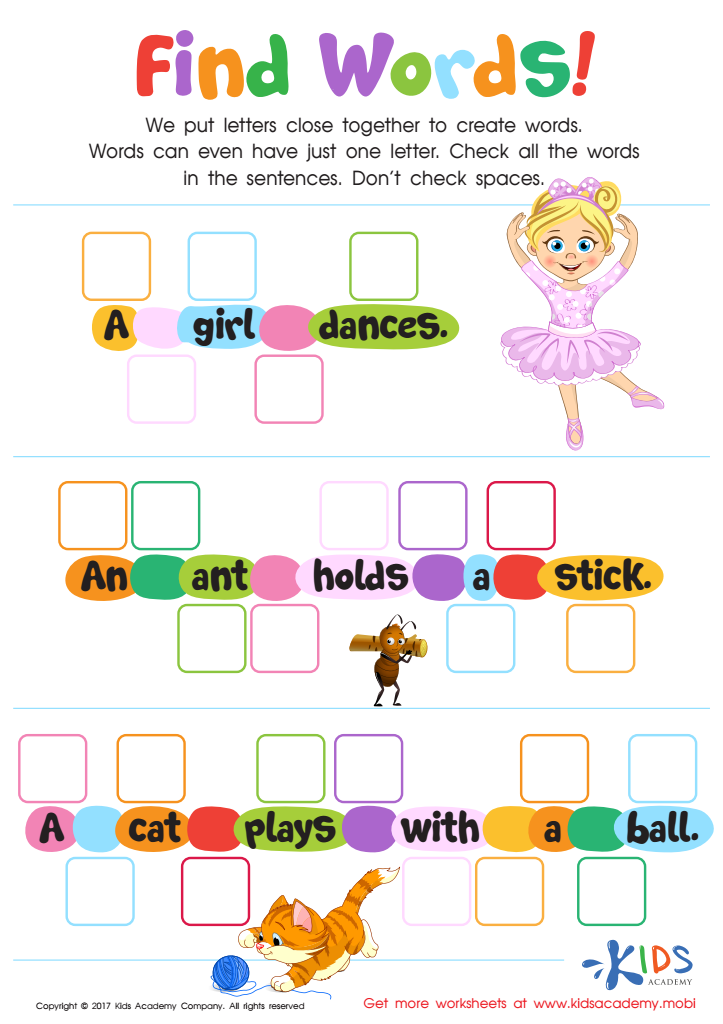
Find Words Worksheet
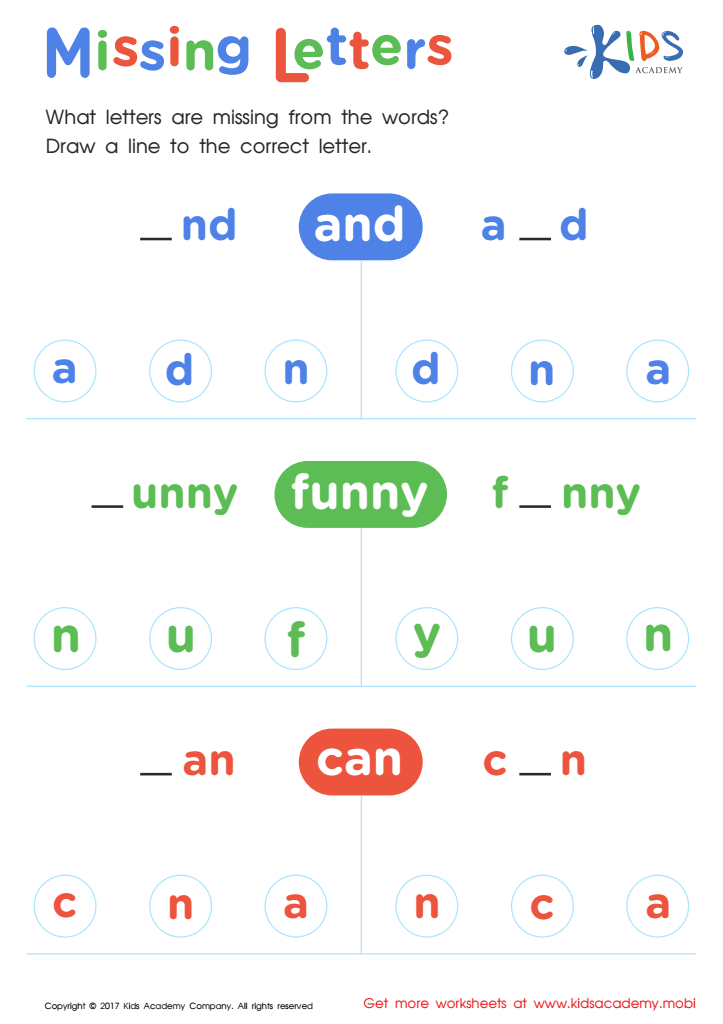
Missing Letters Worksheet
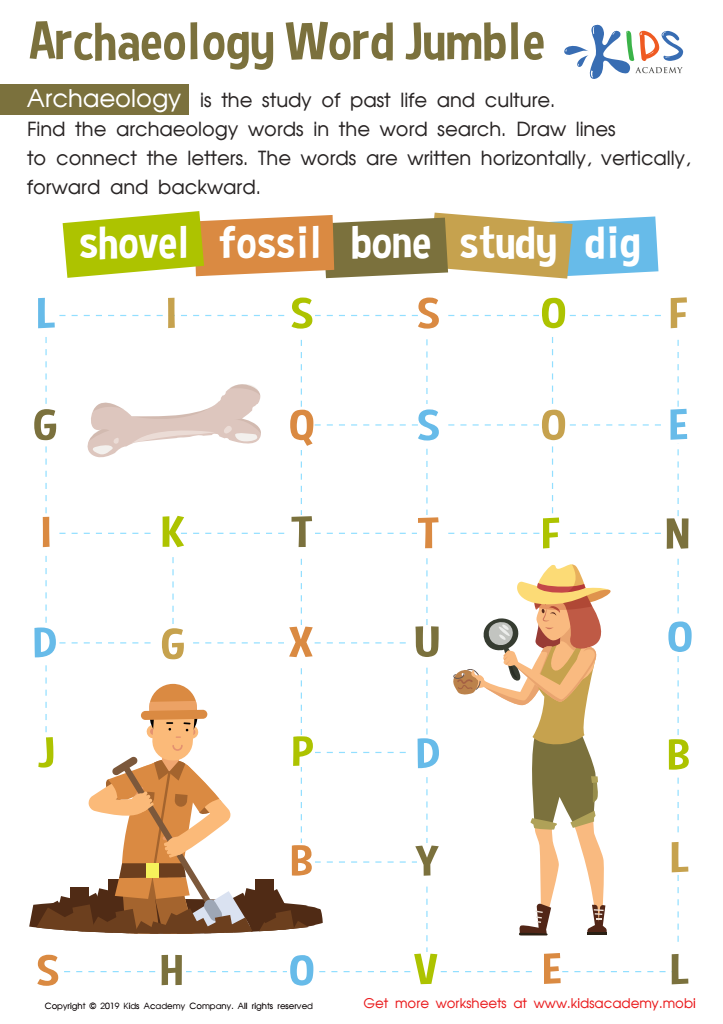
Archaeology Word Jumble Worksheet
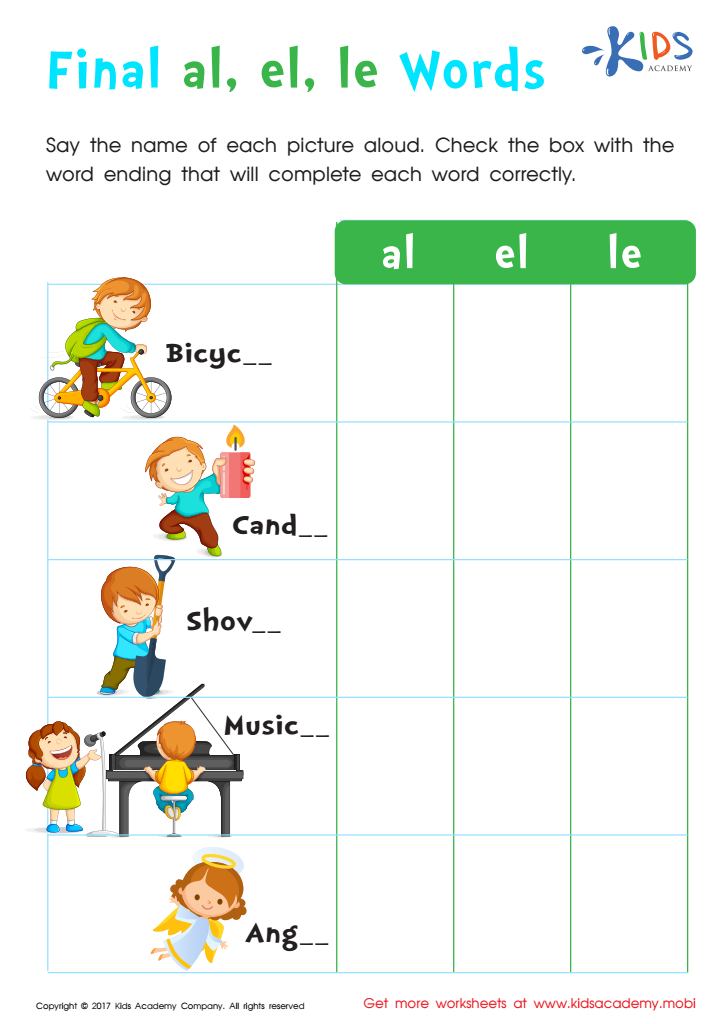
Spelling Words Ending with –le, –el and –al Worksheet








Spelling is a fundamental skill that lays the groundwork for effective communication and literacy. For children aged 3 to 8, improving spelling is particularly essential as it enhances their reading and writing capabilities, builds their confidence, and fosters a love for learning. When parents and teachers prioritize spelling improvement, they enable young learners to understand the connection between sounds and letters, which is critical for phonemic awareness.
Moreover, mastering spelling aids in vocabulary development, allowing children to express their thoughts more clearly and creatively. A robust vocabulary enhances comprehension skills, leading to better academic performance across subjects. Additionally, spelling proficiency helps children avoid frustration and discouragement as they encounter reading and writing challenges, promoting a positive attitude towards education.
Incorporating fun and engaging activities—such as games, songs, or apps—can motivate young learners and make spelling enjoyable. This extra challenge encourages them to practice regularly and reinforces their learning. Ultimately, prioritizing spelling improvement boosts children's self-esteem and sets them on a path toward successful communication and lifelong learning, making it a worthy investment for both parents and teachers.








