Understanding patterns Extra Challenge Worksheets for Ages 3-8
7 filtered results
-
From - To
Our "Understanding Patterns Extra Challenge Worksheets" are specially designed for children ages 3-8 to enhance their learning skills. These engaging and interactive worksheets help young learners to recognize, comprehend, and create various patterns. Through fun activities, kids develop critical thinking and problem-solving skills by identifying sequences and predicting what comes next. Suitable for preschool to early elementary-aged children, these worksheets provide an extra challenge to stimulate young minds, build a strong foundation in mathematics, and encourage an early love for learning. Perfect for both classroom and home use, watch your child's confidence soar with every completed page!
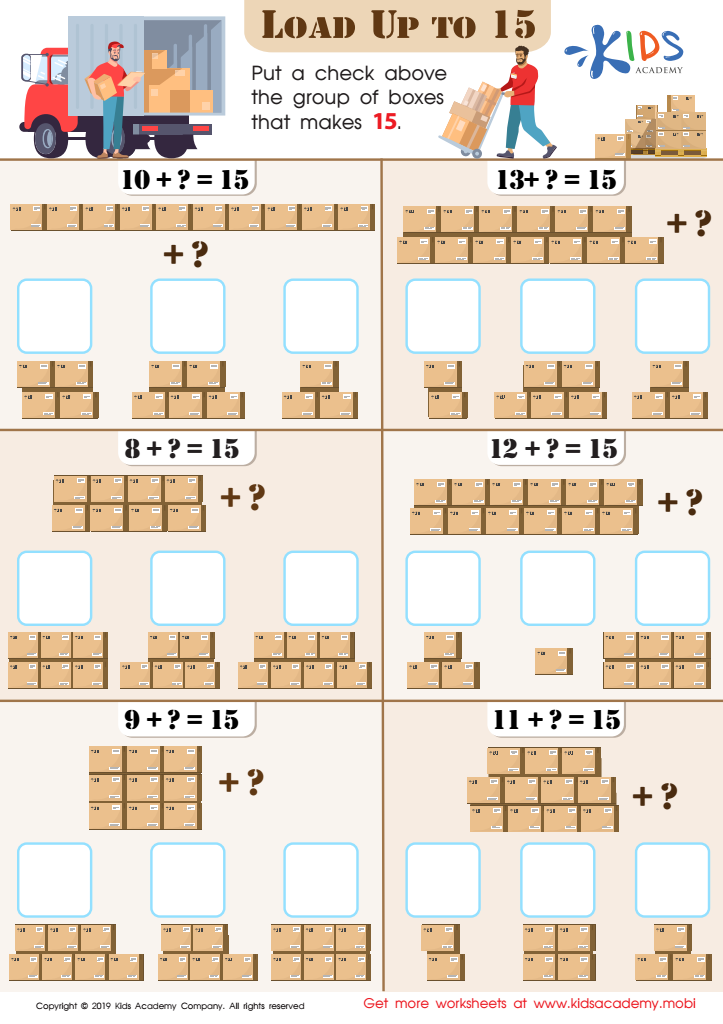
Load up to 15 Worksheet
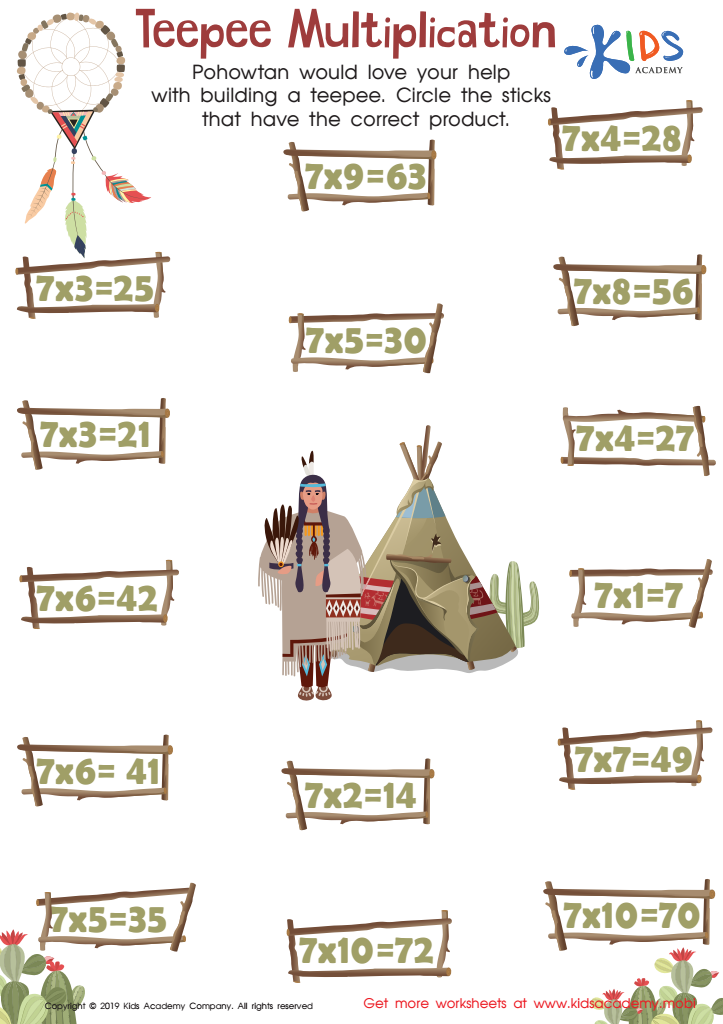
Teepee Multiplication Worksheet
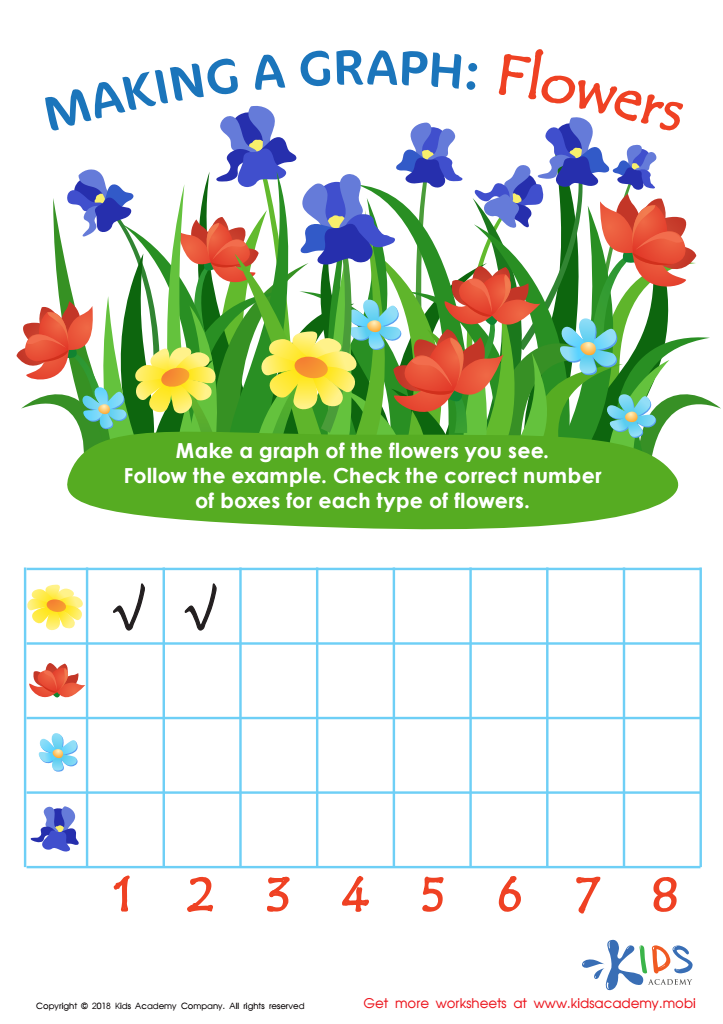
Making a Graph: Flowers Worksheet
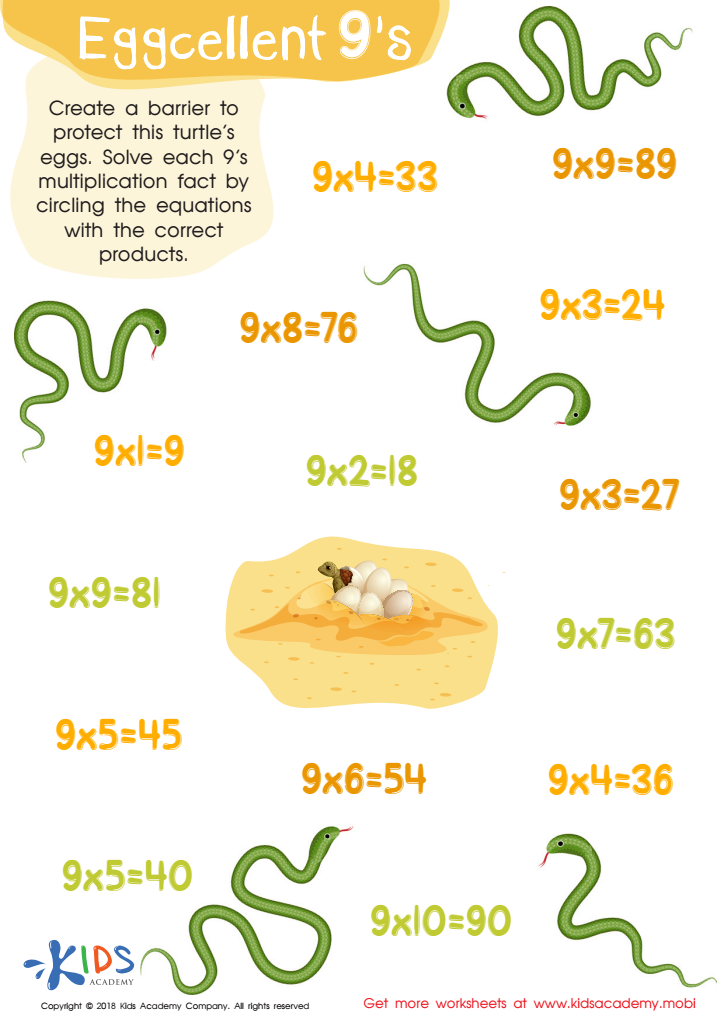
Eggcellent 9’s Worksheet
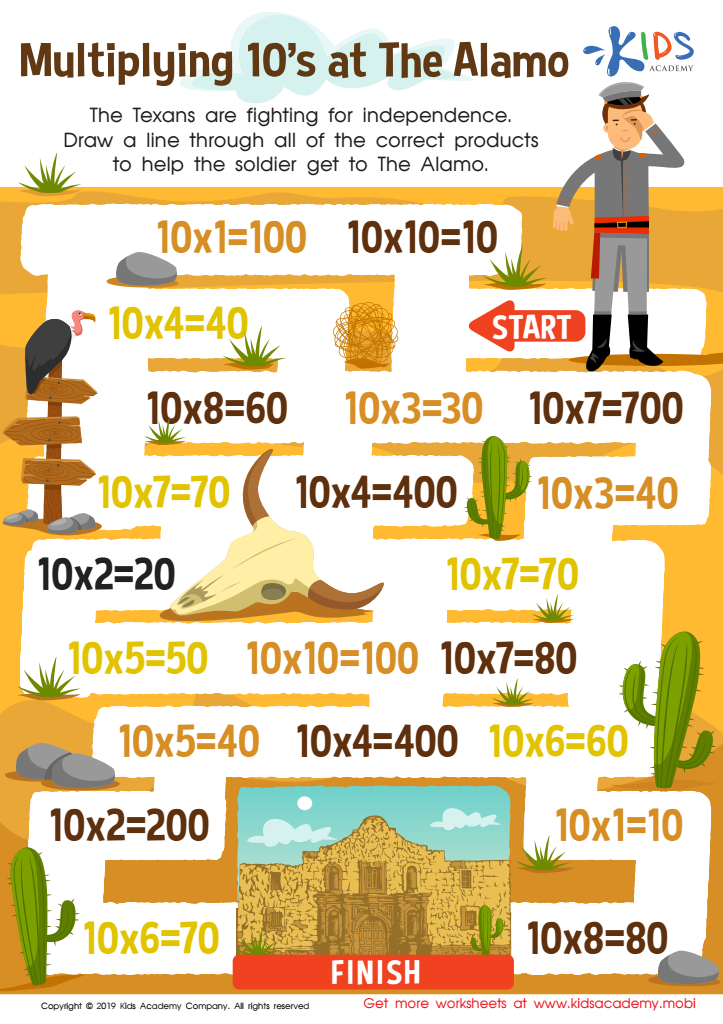
Multiplying 10’s at The Alamo Worksheet
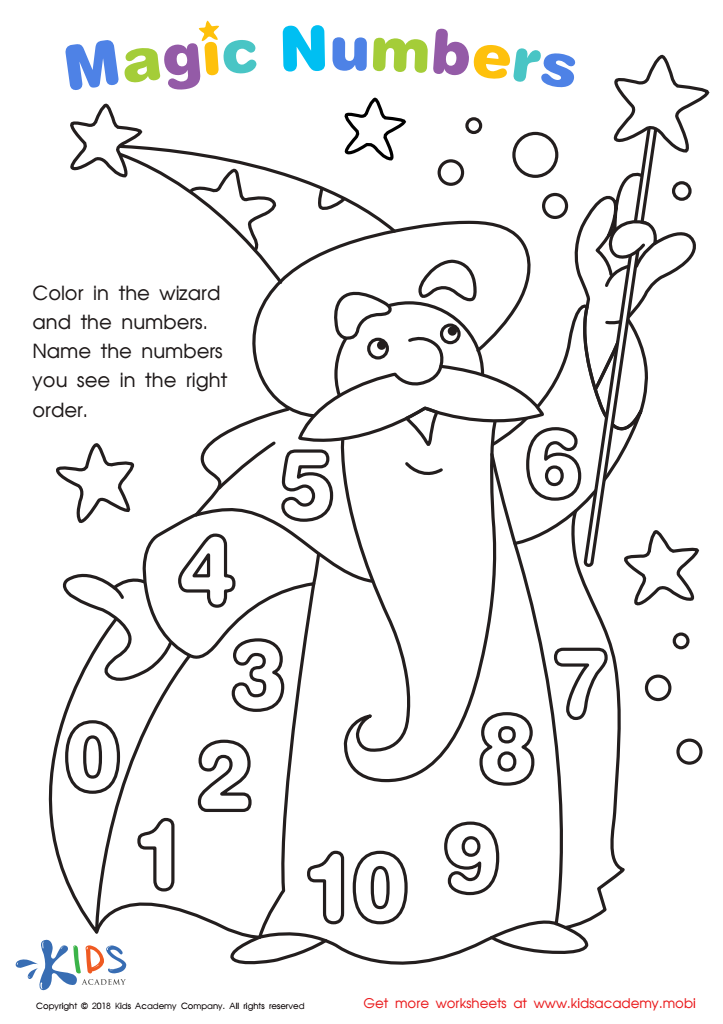
Magic Numbers Worksheet
 Assign to My Students
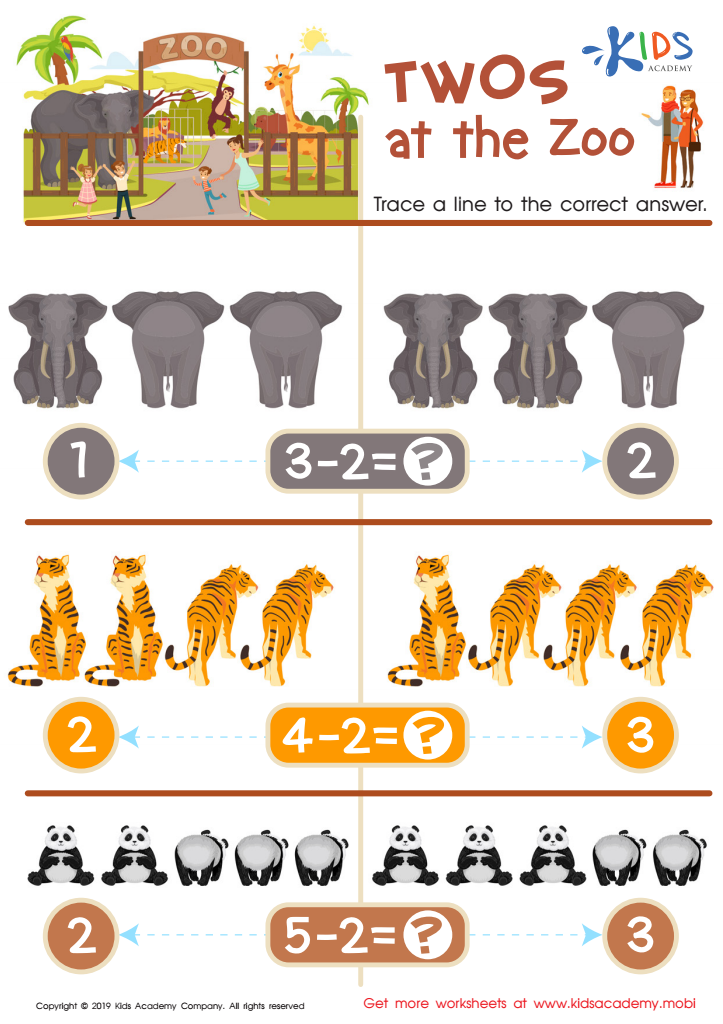
Twos at the Zoo Worksheet







Understanding patterns is a fundamental skill for young children, ages 3-8, as it underpins critical areas of early learning and development. Parents and teachers who prioritize pattern recognition help strengthen a child's mathematical abilities, language skills, and cognitive development. Recognizing and creating patterns enhances children's ability to predict and understand the world around them, honing their problem-solving skills.
Patterns are at the core of math concepts such as counting, addition, and understanding shapes. By spotting sequences and regular arrangements, children develop a sense of order that is essential for more complex mathematical reasoning.
In language and literacy, patterns help in recognizing rhythmic and rhyming words, which are crucial for early reading skills. When children identify letter patterns, it assists them in decoding unfamiliar words and boosts their reading fluency.
Cognitively, pattern recognition enhances memory, improves the ability to make connections, and builds logical thinking. Essentially, patterns help children understand routines and sequences in daily life, making transitions smoother and fostering discipline.
Providing an extra challenge in understanding patterns keeps young minds engaged and sets a strong foundation for future academic success. It encourages perseverance and intellectual curiosity, which are fundamental traits for lifelong learning. Engaging in pattern recognition activities therefore plays a crucial role in developing well-rounded, analytically skilled children.








