Vocabulary Building Extra Challenge Worksheets for Ages 3-8
17 filtered results
-
From - To
Enhance your child's vocabulary skills with our Vocabulary Building Extra Challenge Worksheets designed for ages 3-8. These engaging and colorful worksheets are perfect for young learners eager to expand their word knowledge and comprehension. Featuring a variety of fun activities such as matching, fill-in-the-blank, and word searches, these worksheets make learning interactive and enjoyable. They're ideal for homeschooling, classroom use, or supplemental practice at home. Encourage your child's language development and cognitive skills through our thoughtfully crafted challenges that cater to different learning levels. Explore the joy of vocabulary building and watch your child's confidence and communication skills soar!
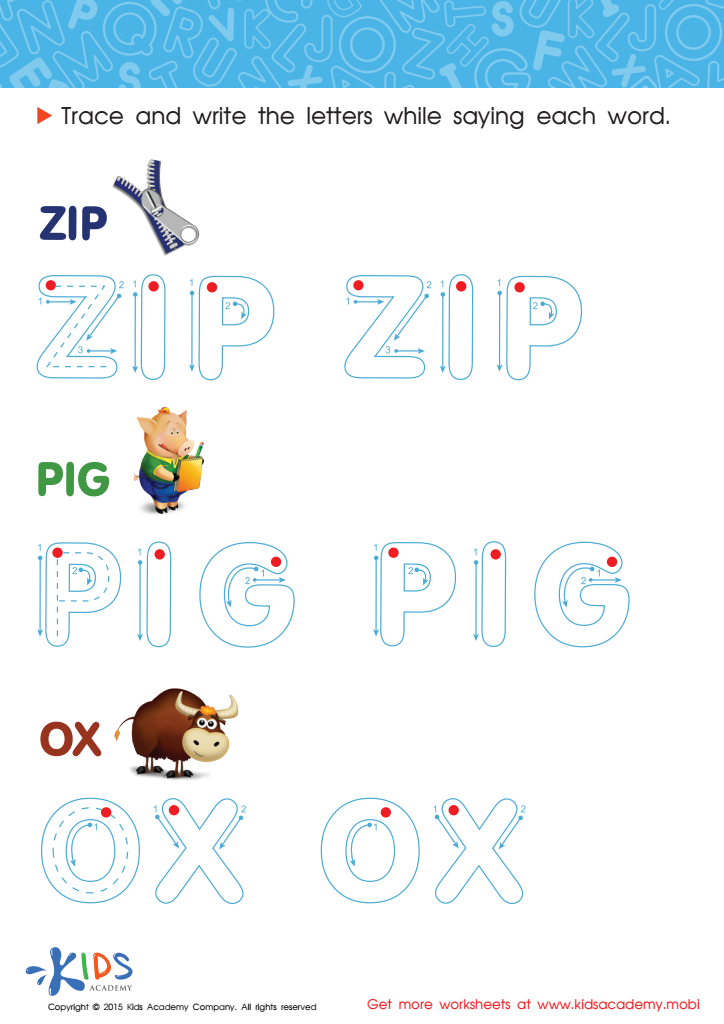
A Zip, a Pig and an Ox Spelling Worksheet
 Assign to My Students
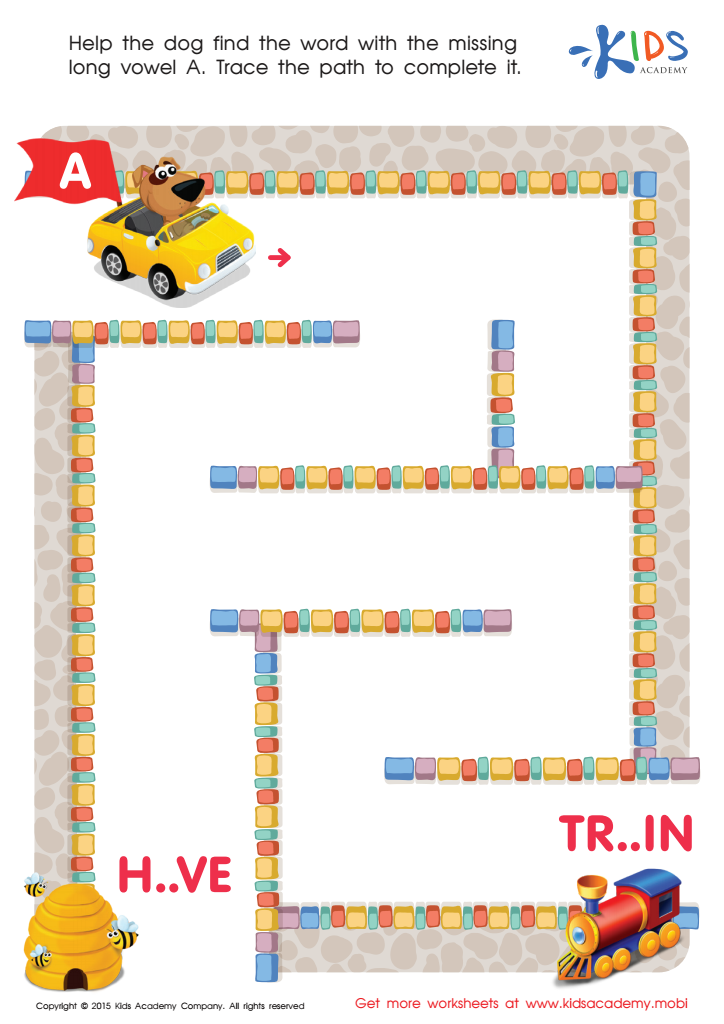
Long Vowel Sound A Worksheet
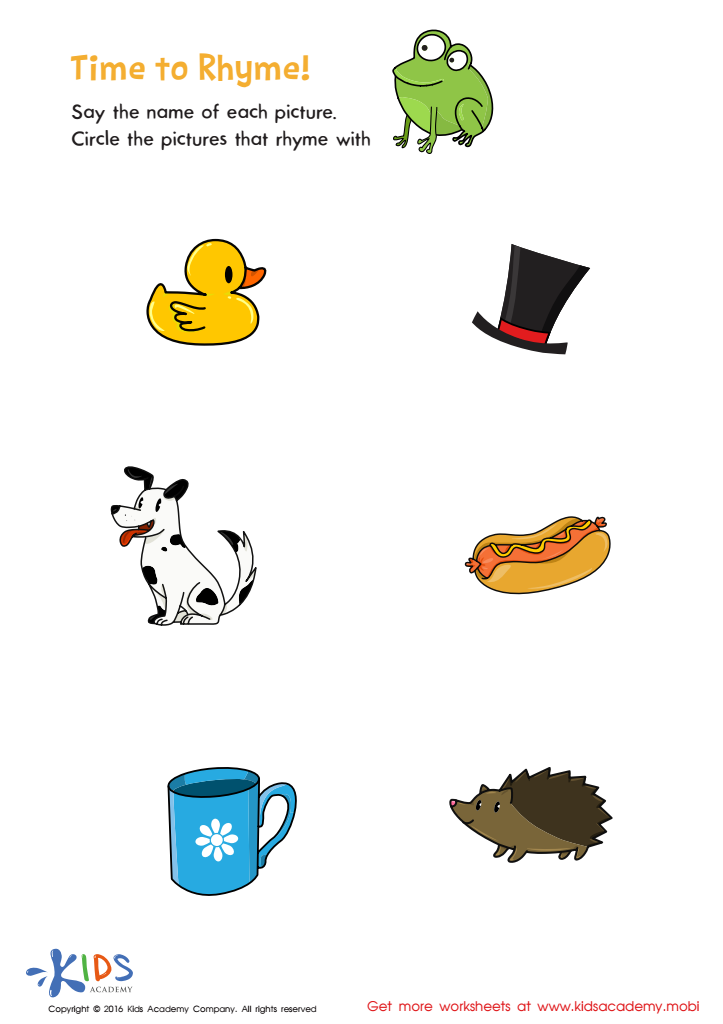
Rhyming Worksheet: Time to Rhyme Rhyming Worksheet
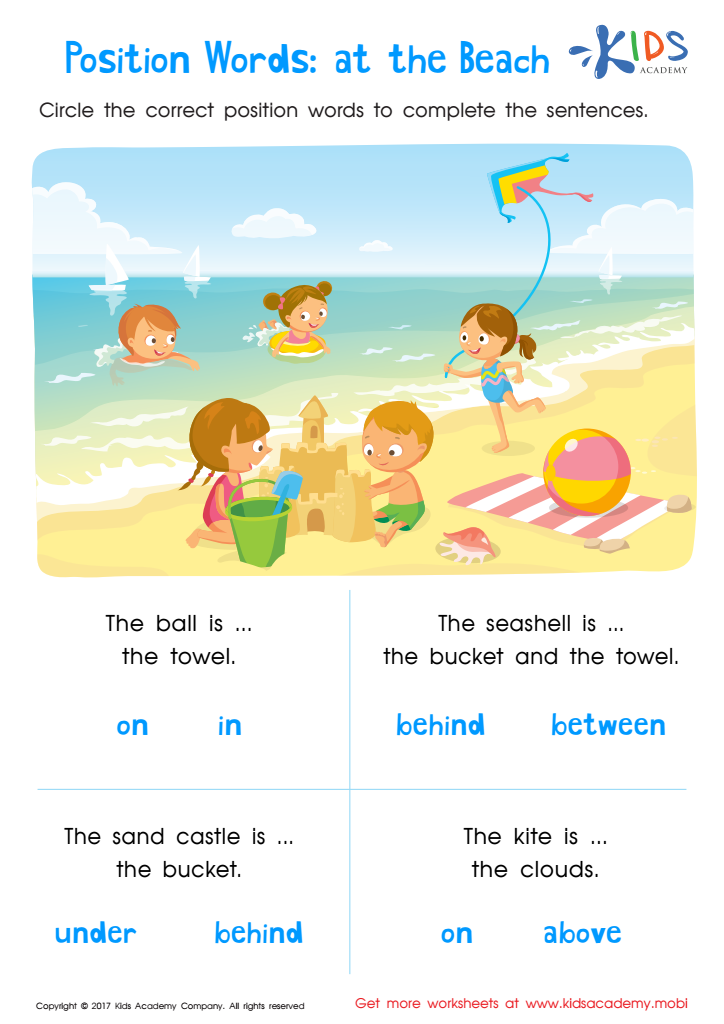
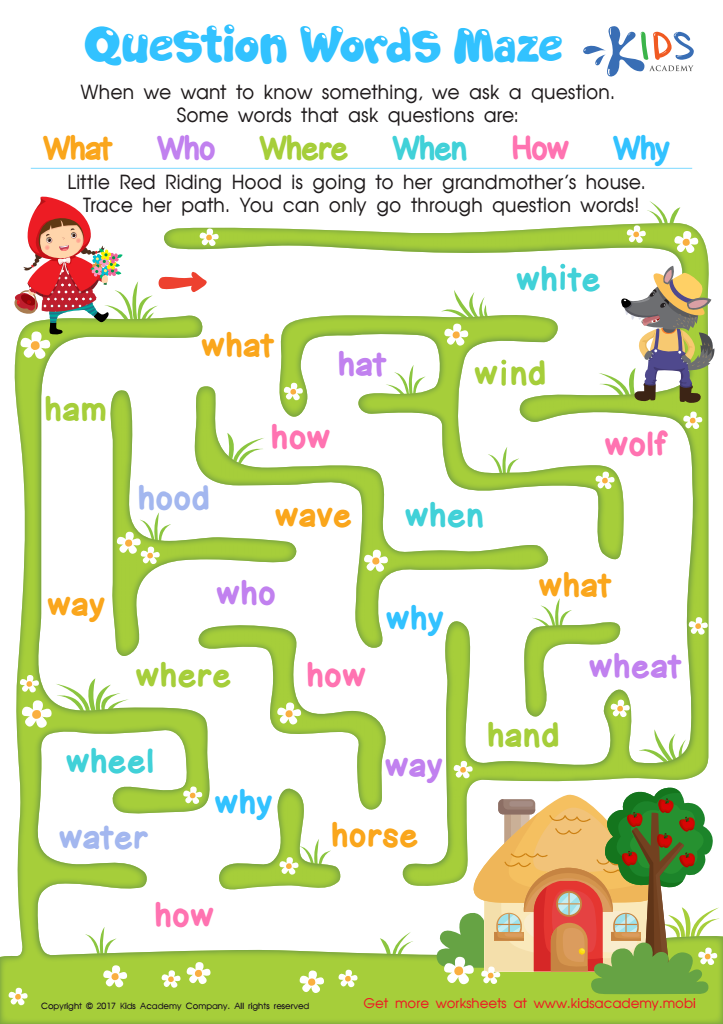
Question Words Maze Worksheet
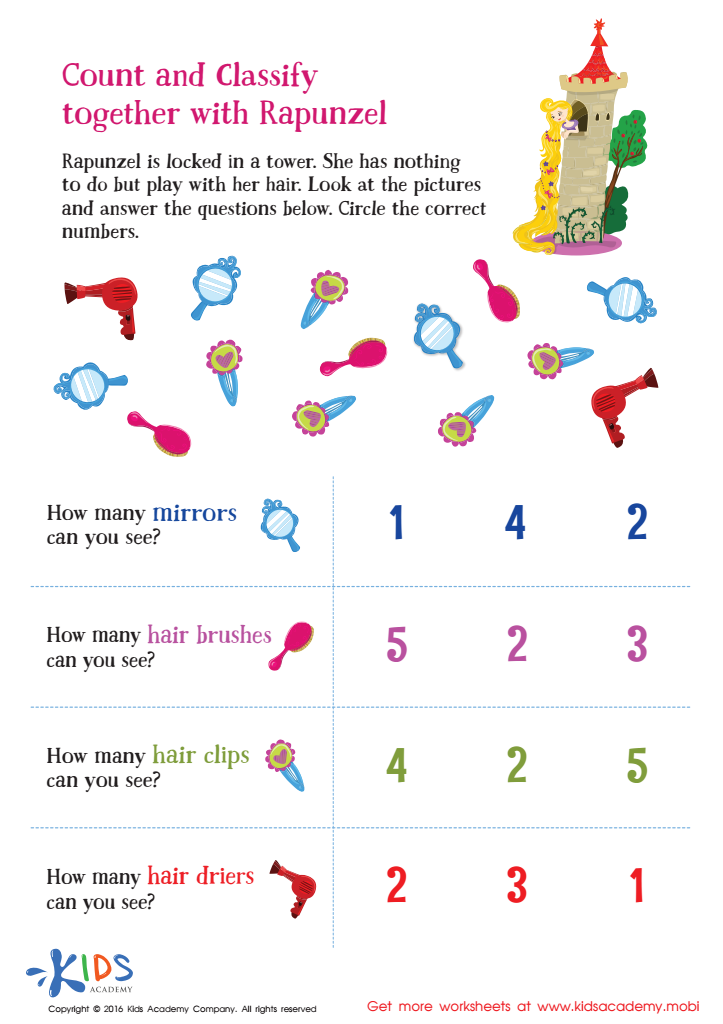
Fairy Tale Worksheet: Count and Classify with Rapunzel
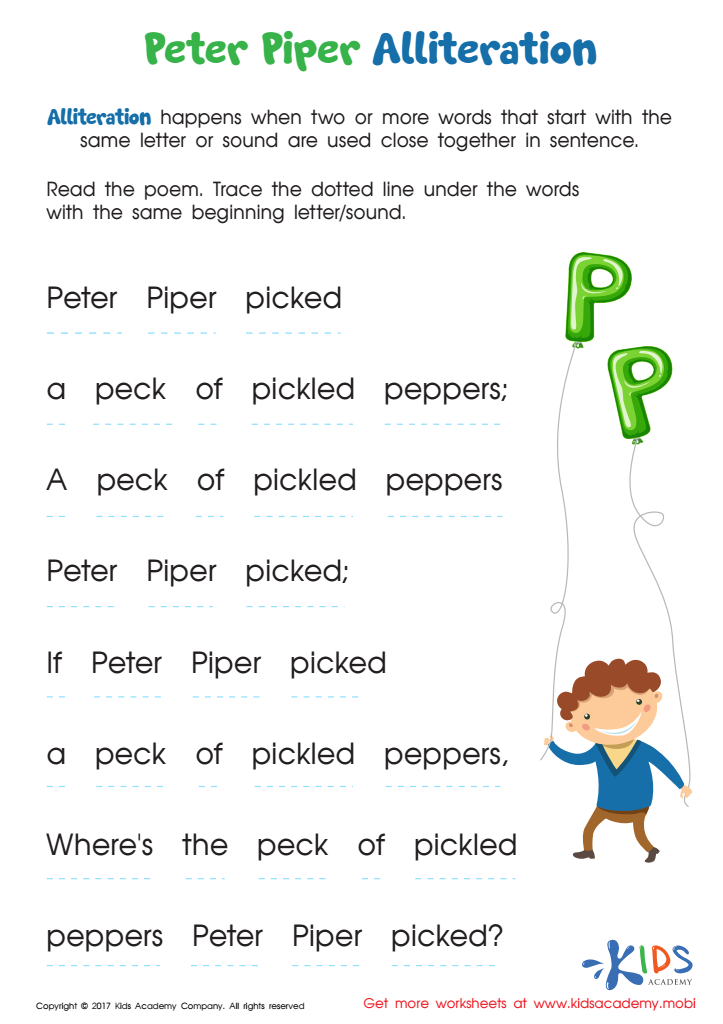
Peter Piper Alliteration Worksheet
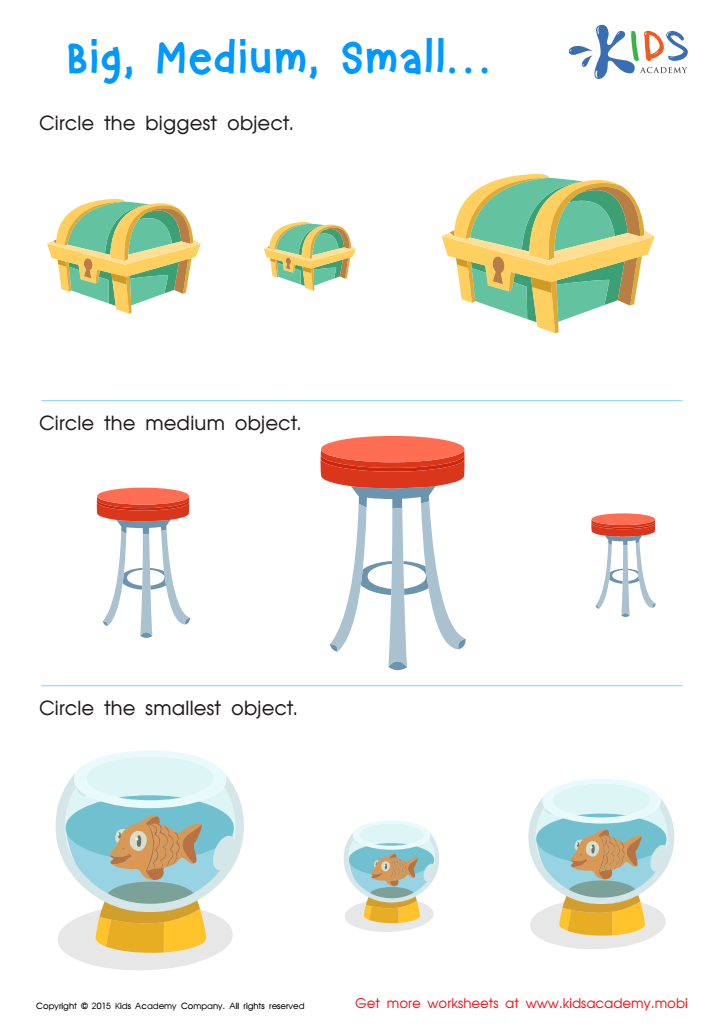
Big Medium Small Worksheet
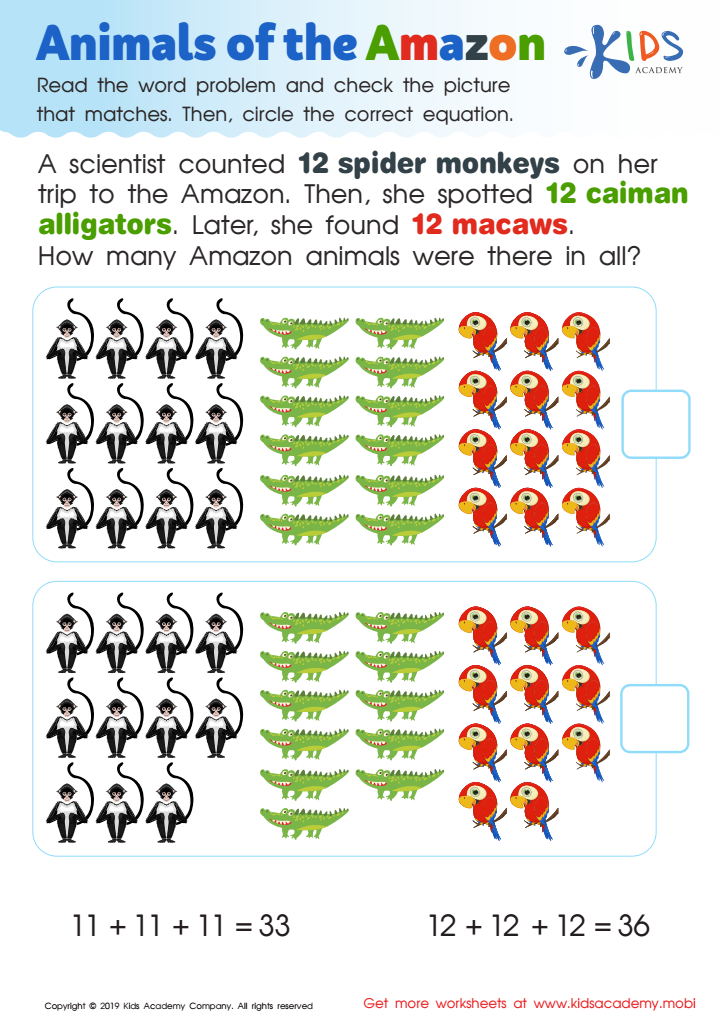
Animals of Amazon Worksheet
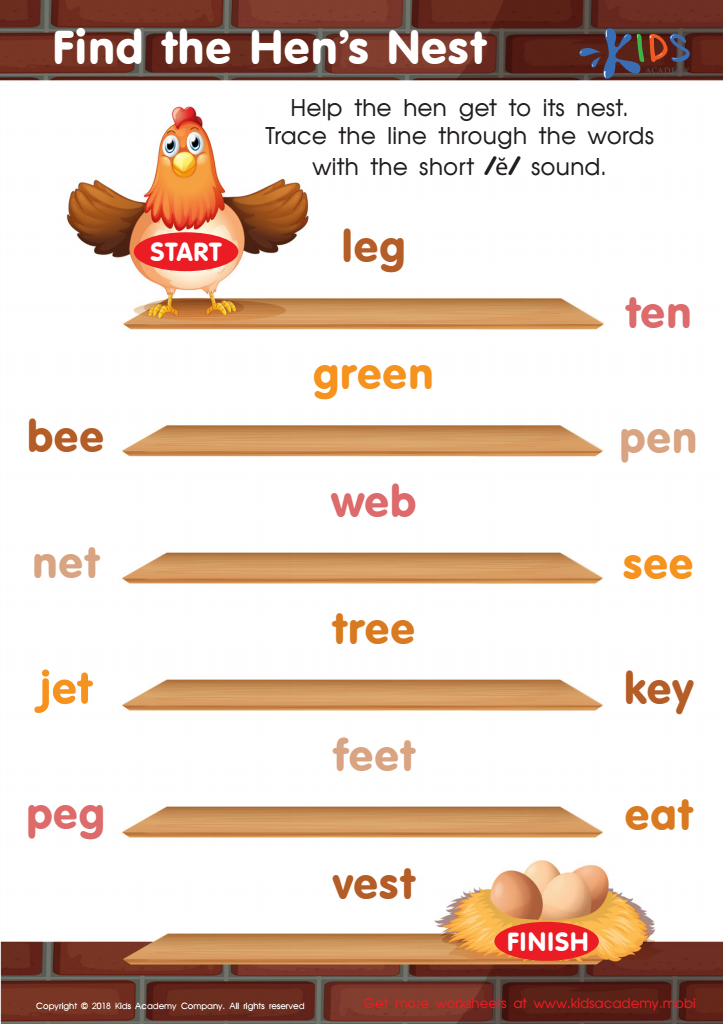
Find Hens Nest Reading Worksheet
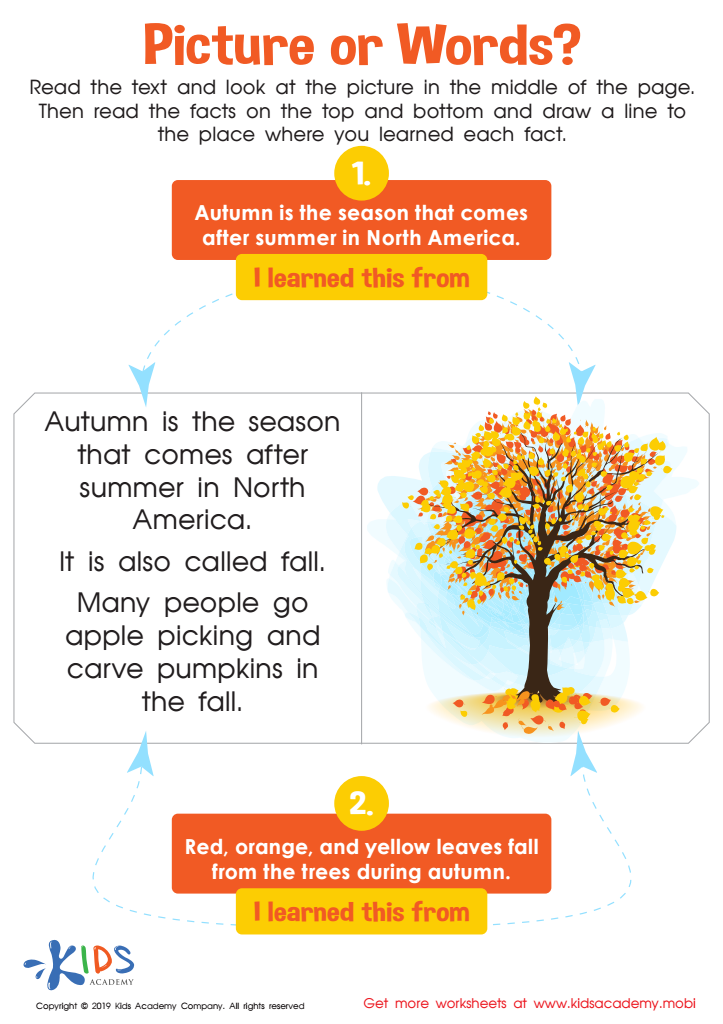
Picture Words Worksheet
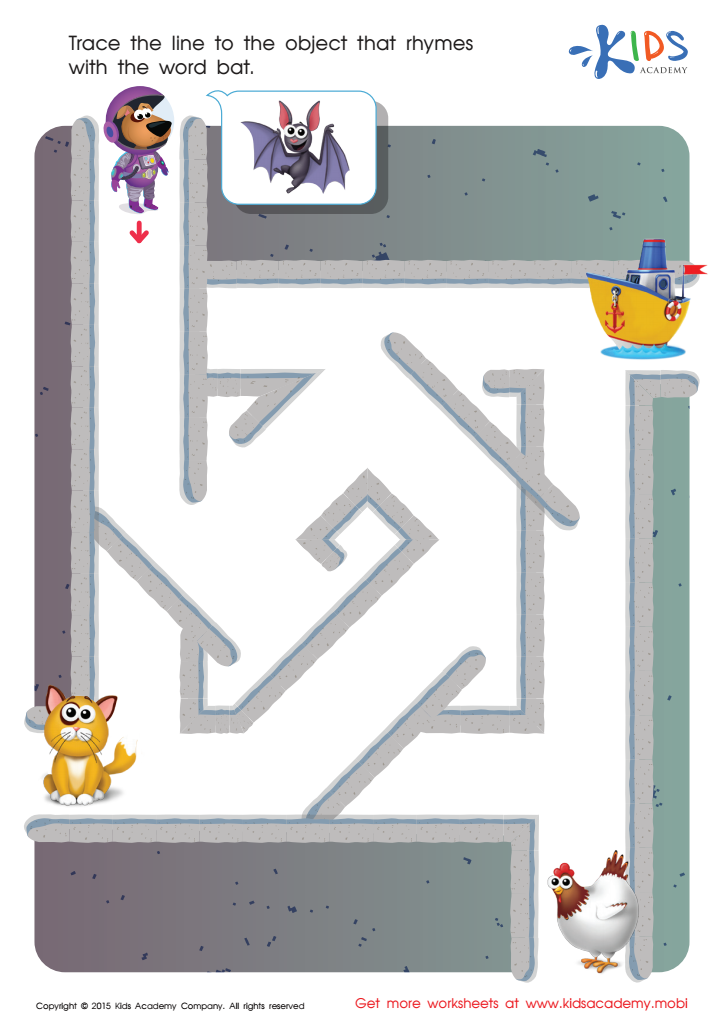
Bat Rhyming Words Worksheet
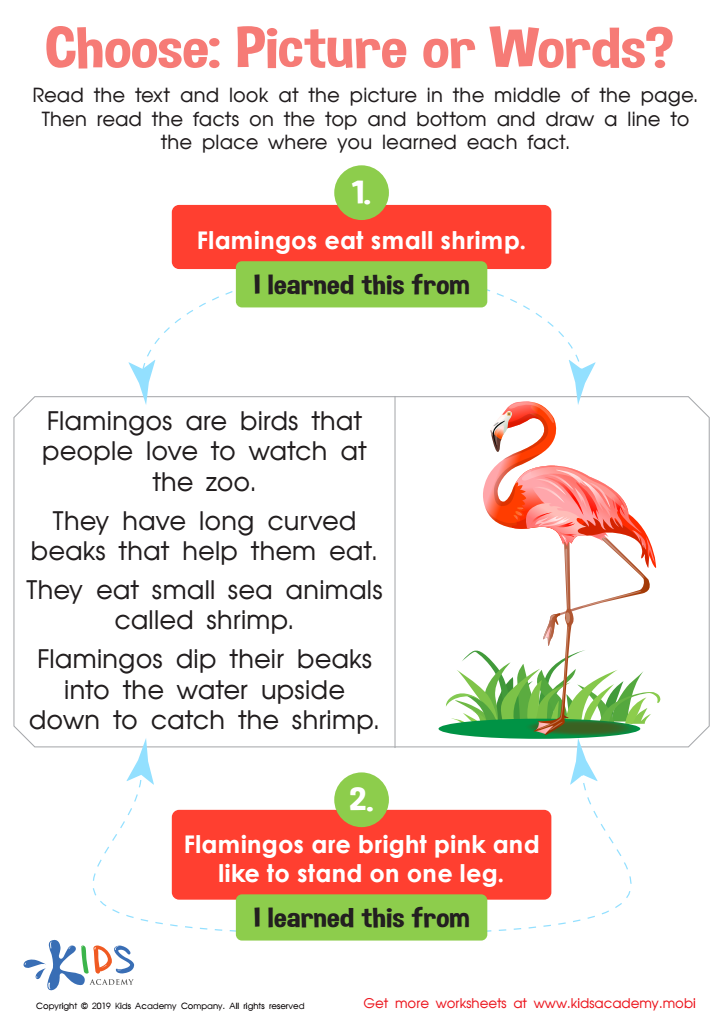
Choose Picture Words Worksheet
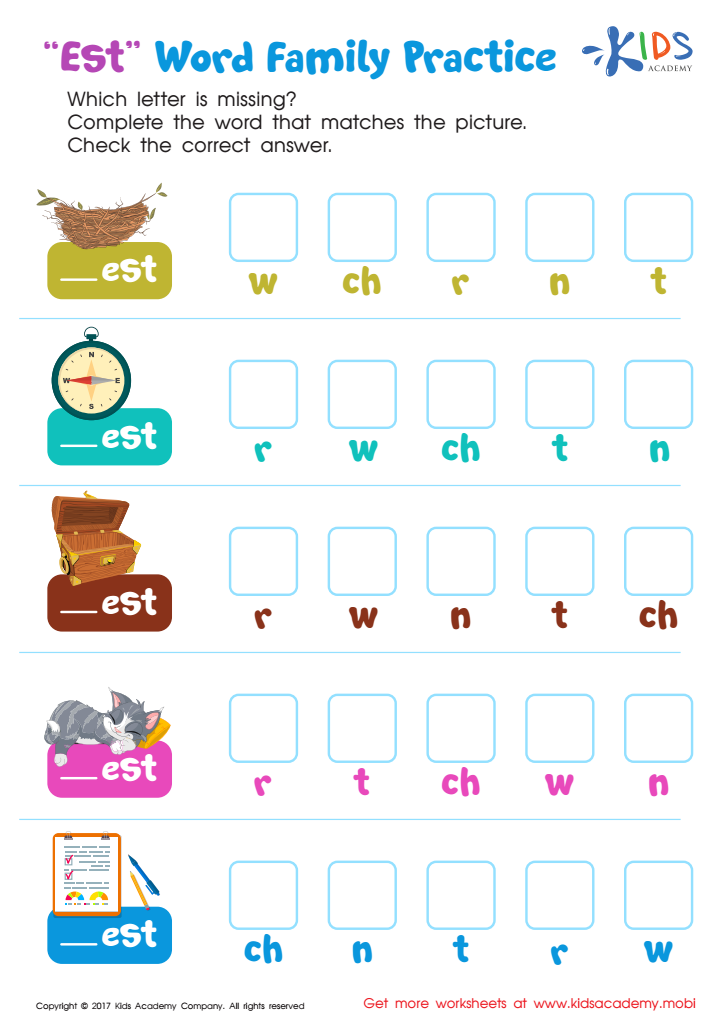
Words Family "est" Spelling Worksheet
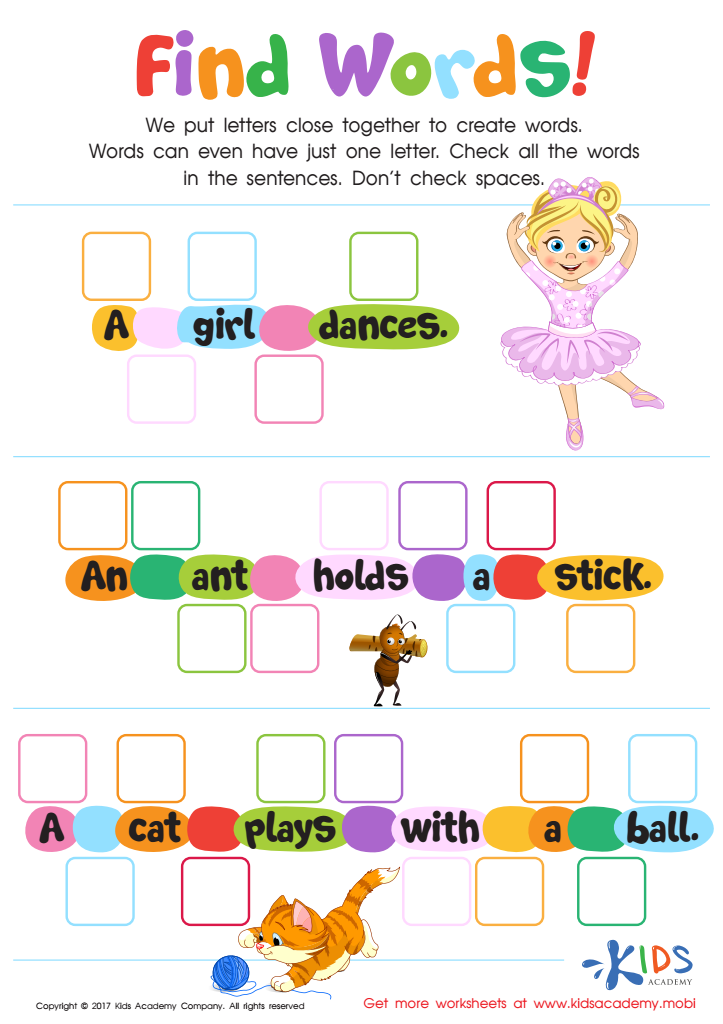
Find Words Worksheet
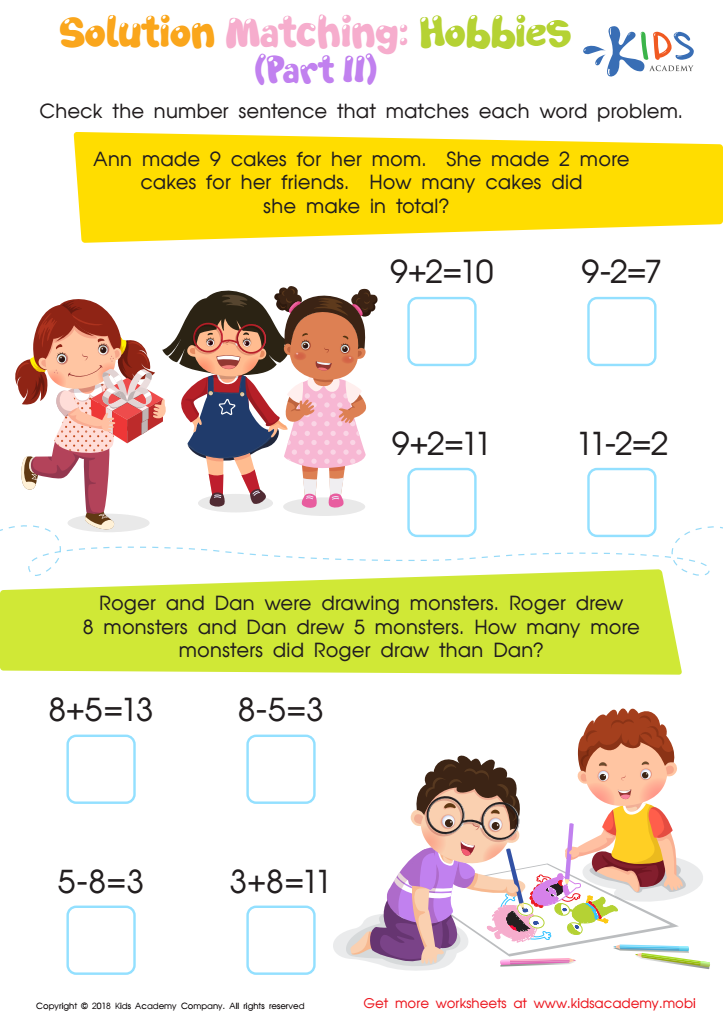
Solution Matching: Hobbies. Part 2 Worksheet
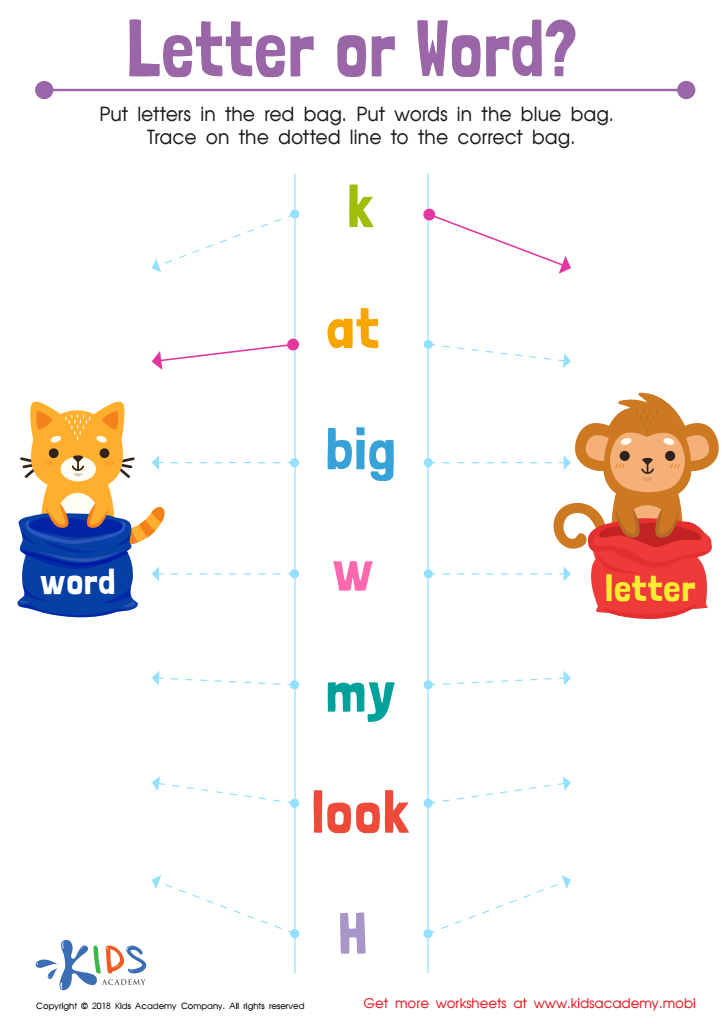
Letter or Word? Worksheet






Vocabulary building for children aged 3-8 is crucial for early development and academic success. During these formative years, children are rapidly acquiring language skills, making it an opportune time for parents and teachers to foster robust vocabulary through extra challenges. A rich vocabulary enhances communication, enabling children to express their thoughts and needs effectively.
Moreover, a well-developed vocabulary is linked to reading comprehension—a vital predictor of future academic achievement. Children with a stronger vocabulary are better equipped to understand and engage with texts, paving the way for lifelong learning.
Additionally, vocabulary challenges encourage critical thinking and curiosity, allowing children to explore new concepts and ideas, promoting cognitive growth. Engaging in structured vocabulary-building activities fosters a love for language, subsequently enhancing social skills as children learn to articulate their feelings and ideas.
Furthermore, these activities can bridge gaps in language development, particularly in diverse classrooms where children may have varying levels of exposure to language. Ultimately, investing in vocabulary-building challenges benefits children's overall literacy skills, boosts self-confidence, and helps prepare them for future academic challenges—objectives that parents and teachers share in providing the best foundation for their children's education.








