Visual perception Extra Challenge Matching Worksheets for Ages 3-8
3 filtered results
-
From - To
Enhance your child's visual perception skills with our Extra Challenge Matching Worksheets, specially designed for ages 3-8. These engaging worksheets provide a fun and educational approach to matching tasks, fostering cognitive development and visual discrimination. Each worksheet presents colorful illustrations that captivate young learners while promoting critical thinking and focus. As children work through various challenges, they’ll improve their memory, strengthen attention spans, and enhance problem-solving abilities. Perfect for parents and educators looking to create an enriching learning environment, these worksheets are easy to integrate into daily activities. Download now and watch your child's visual perception skills soar!
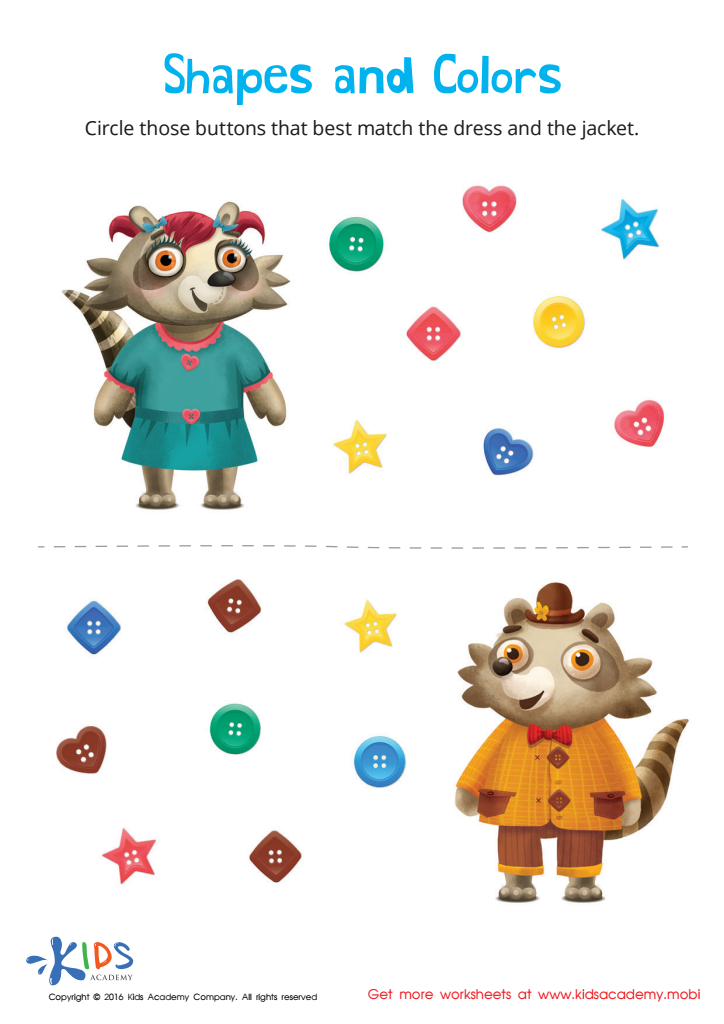
Matching: Shapes and Colors Worksheet
 Assign to My Students
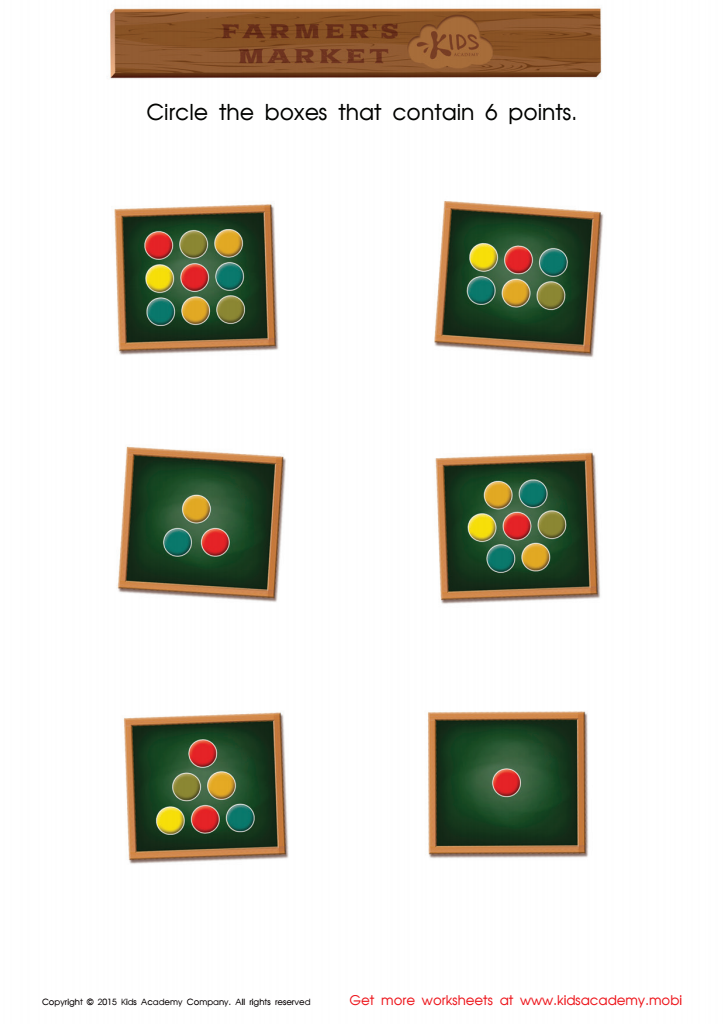
Count and Match Points 6 Math Worksheet
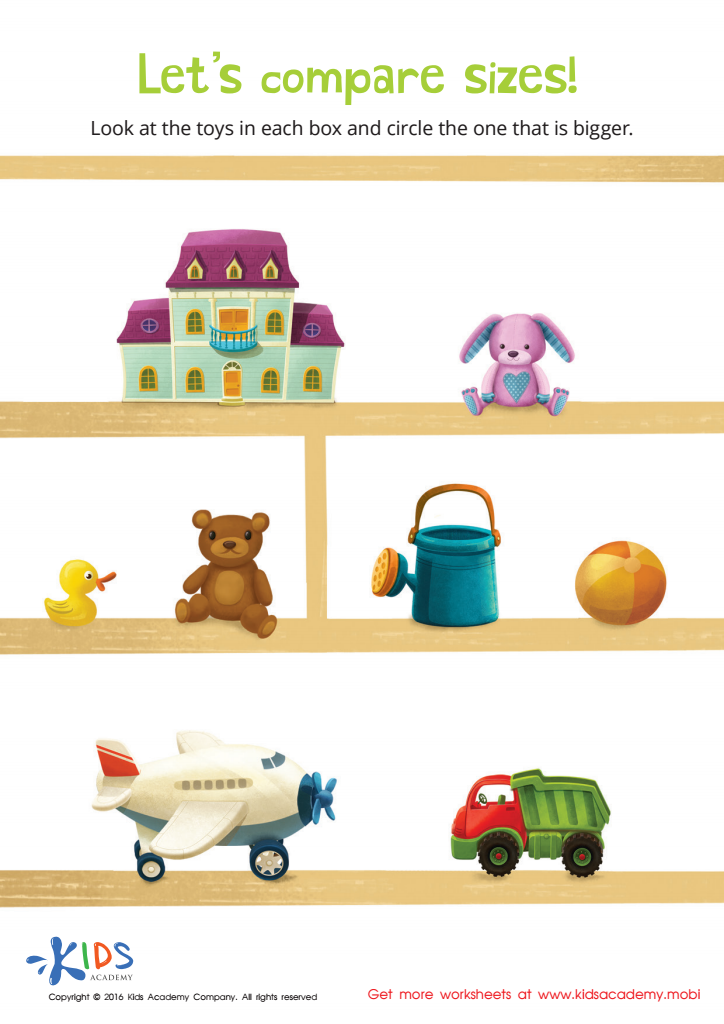
Classifying by Size Sorting Worksheet




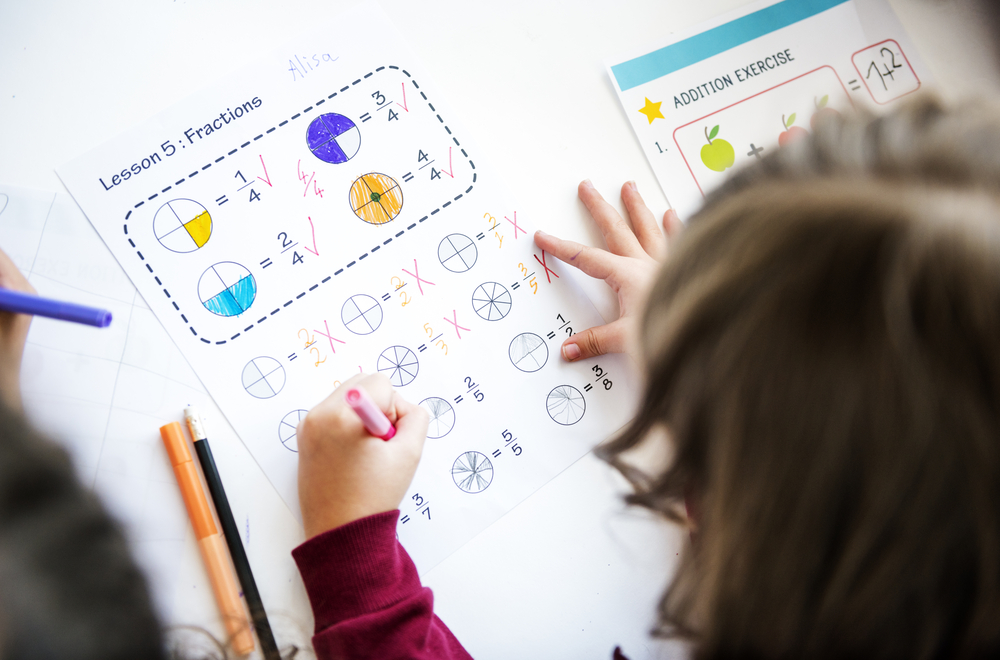



Visual perception is fundamental in early childhood development, forming the basis for learning and various skills. For children aged 3-8, developing strong visual perception abilities is crucial for tasks such as letter recognition, reading, and math problem solving. Visual perception encompasses the brain's ability to interpret and make sense of what the eyes see, impacting everything from fine motor skills to spatial awareness.
Parents and teachers should care about visual perception, particularly through activities like Extra Challenge Matching, as it enhances cognitive development, improves attention span, and promotes critical thinking. Engaging in matching exercises helps children recognize patterns, categorize information, and develop memory skills—all essential components of a well-rounded education.
Beyond academics, strong visual perception skills encourage confidence and social interactions; children learn to interpret visual cues in their environment, fostering better communication. Additionally, these skills can mitigate future learning challenges, promoting a smoother transition into more complex concepts in later grades.
By prioritizing activities that strengthen visual perception, parents and teachers can support children's overall development, setting a solid foundation for lifelong learning success. Engaging in such activities not only nurtures skills but also makes learning enjoyable and interactive, fostering a love for learning early on.