Extra Challenge Building Vocabulary Worksheets for Ages 3-8 - Page 2
31 filtered results
-
From - To
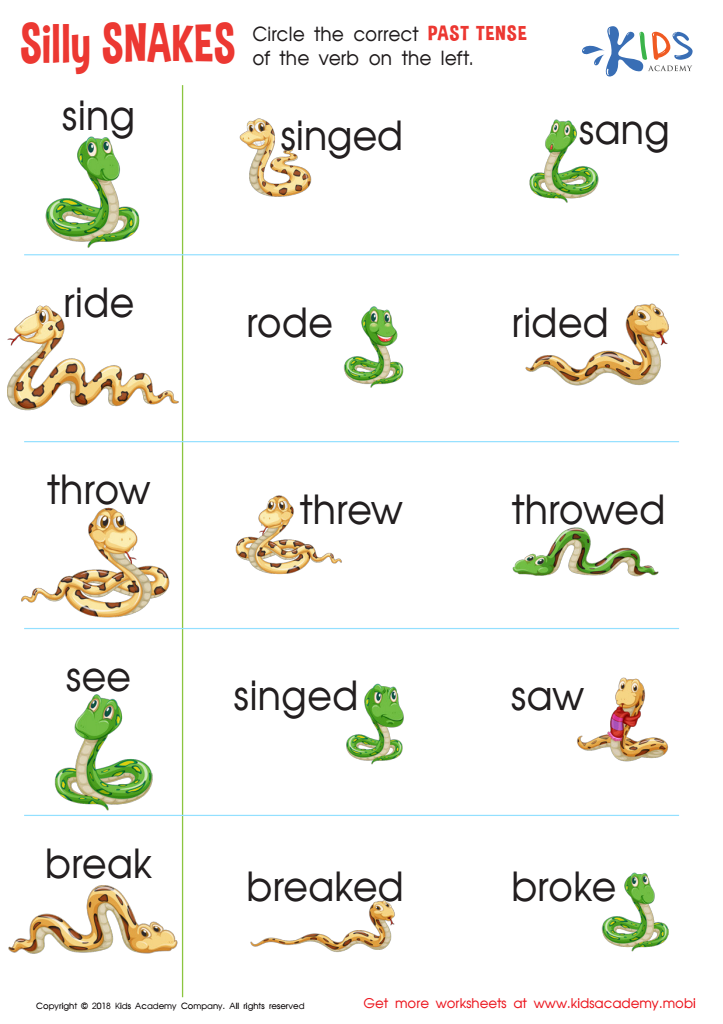
Silly Snakes Worksheet
 Assign to My Students











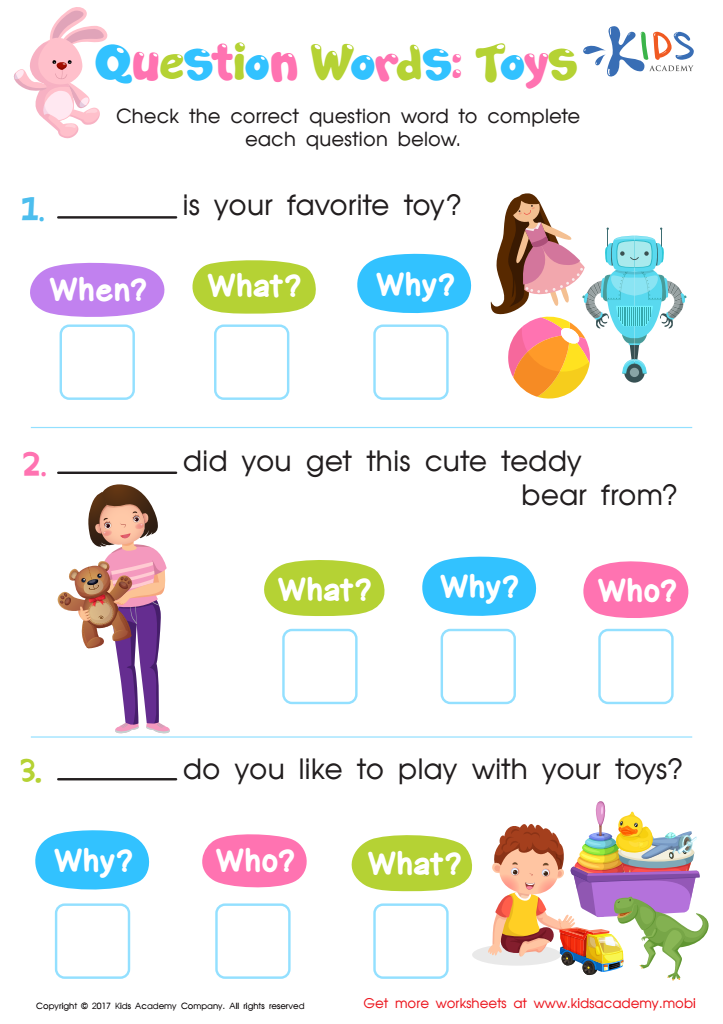
Question Words: Toys Worksheet
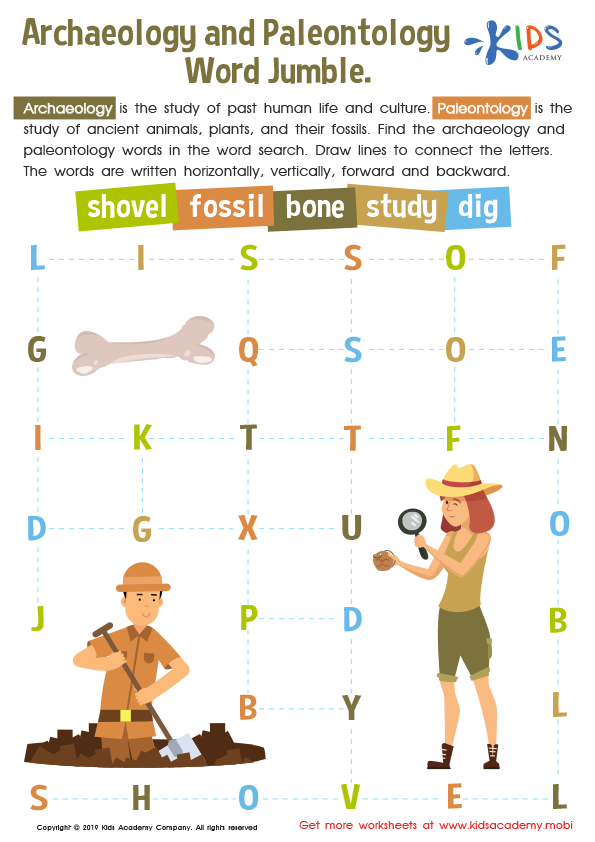
Archaeology and Paleontology Word Jumble Worksheet
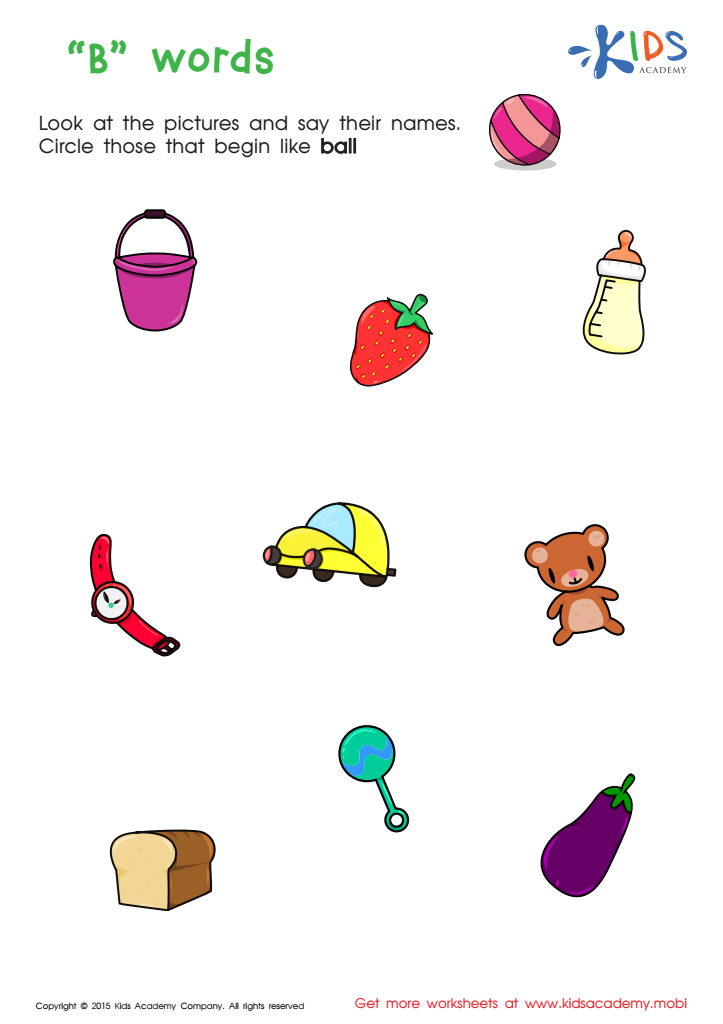
First Words Worksheet
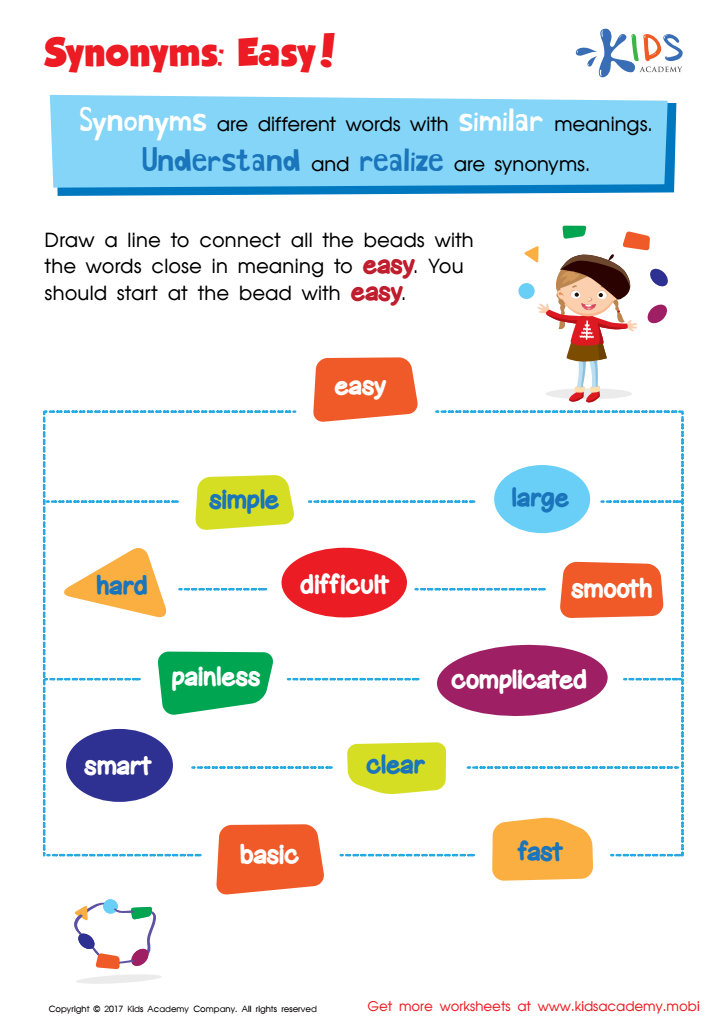
Free Synonym Worksheet
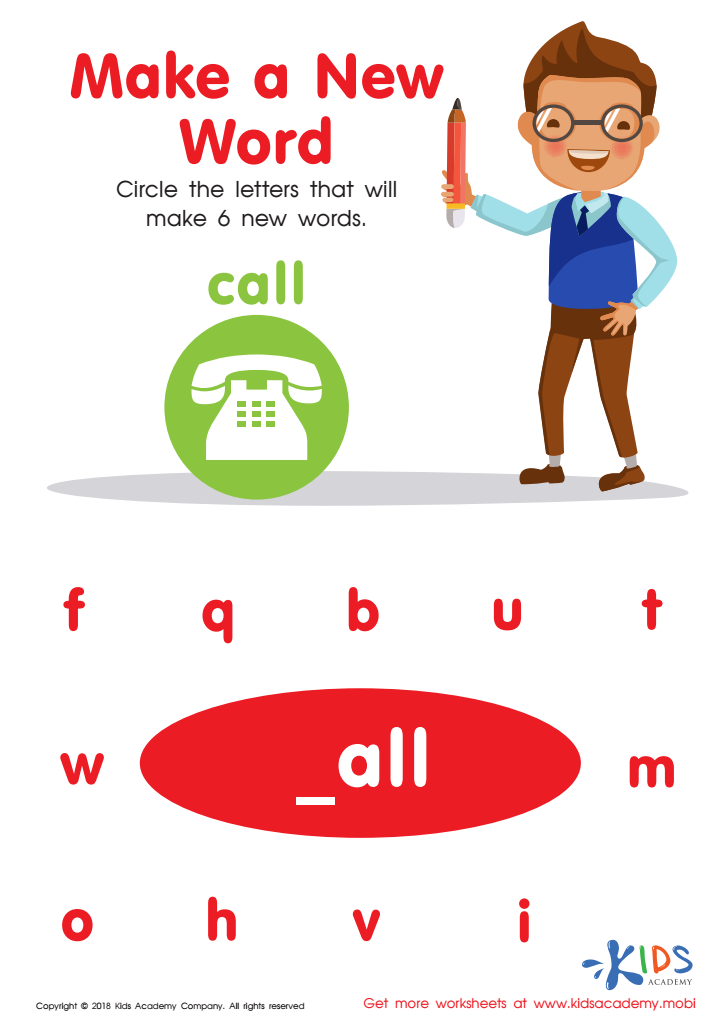
Make a New Word Worksheet
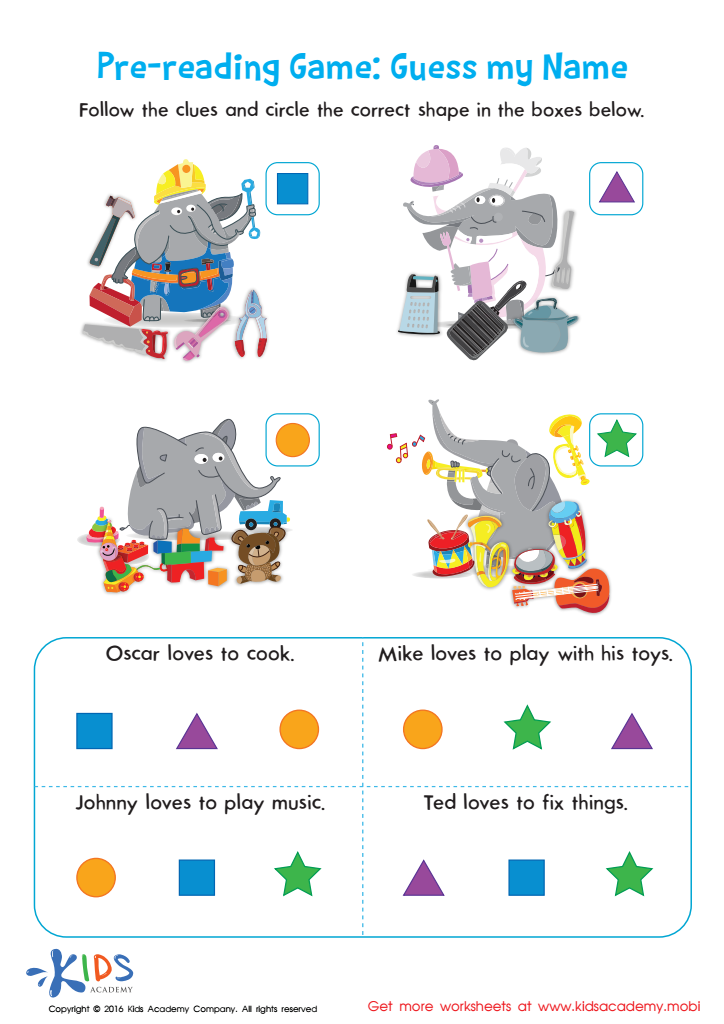
Pre Reading Worksheet Guess My Name




.jpg)


Building vocabulary in young children aged 3-8 is crucial for their overall development and future academic success. Vocabulary is the foundation of effective communication, enabling children to express their thoughts, feelings, and needs clearly. When parents and teachers prioritize vocabulary development, they equip children with the tools necessary for learning across all subject areas.
Additionally, a strong vocabulary enhances reading comprehension, allowing children to grasp the meanings of texts they encounter. Early exposure to a rich vocabulary prepares them for more complex language skills and promotes better performance in school as they progress. Engaging activities such as storytelling, songs, and interactive games can make vocabulary building enjoyable and impactful.
Furthermore, vocabulary development fosters cognitive growth by encouraging critical thinking and improved problem-solving abilities. It also nurtures social skills by facilitating meaningful conversations and connections among peers.
Neglecting vocabulary development, on the other hand, may lead to challenges in expression and comprehension, potentially hindering children's confidence and willingness to participate in classroom activities. By investing time and resources into building vocabulary, parents and teachers create a robust foundation for lifelong learning, ensuring that children are well-equipped for the challenges and opportunities ahead.