Enhance your child's literacy journey with our Phonics Skills Extra Challenge Alphabet Worksheets for ages 3-9. Specially designed for advanced learners, these worksheets provide a stimulating and fun approach to mastering phonics. Each activity reinforces alphabet recognition, phonemic awareness, and early reading skills through engaging exercises. Perfect for both classroom and at-home learning, they cater to various skill levels, ensuring every child is challenged and motivated. Nurture your young reader’s potential and watch them flourish with confidence as they tackle these extra challenge worksheets. Visit Kids Academy for a wealth of educational resources to support your child's growth.

Check out this FREE Trial Lesson on Alphabet for age 3-9!

The Short O Sound

Favorites
With answer key
Interactive
  • 3-9
  • Phonics Skills
  • Alphabet
  • Extra Challenge
The Long I Maze Reading Worksheet

The Long I Maze Reading Worksheet

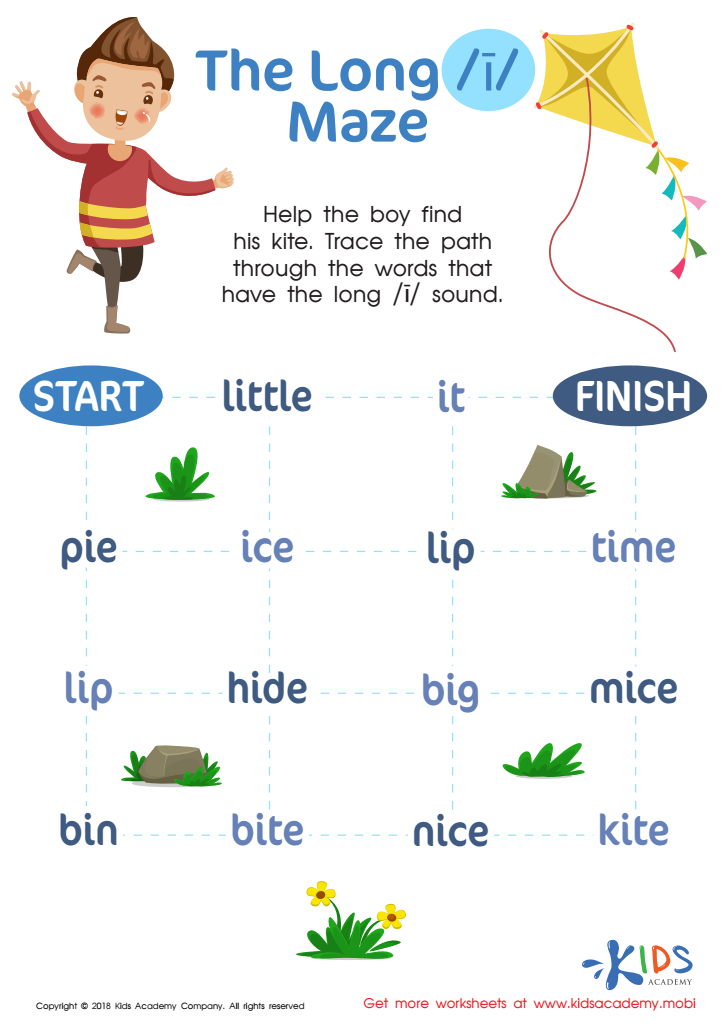
Help your child learn phonics to help them read. Show them the difference between long and short "i" sounds. Guide them as they use a pencil to trace words with the long "i:" sound in the "Help the Boy in the Picture" worksheet exercise. This will help them find the kite in the picture.
The Long I Maze Reading Worksheet
Worksheet
Phonics for Kids | Long Vowel Sound A | PDF Worksheet 1

Long Vowel Sound A Worksheet

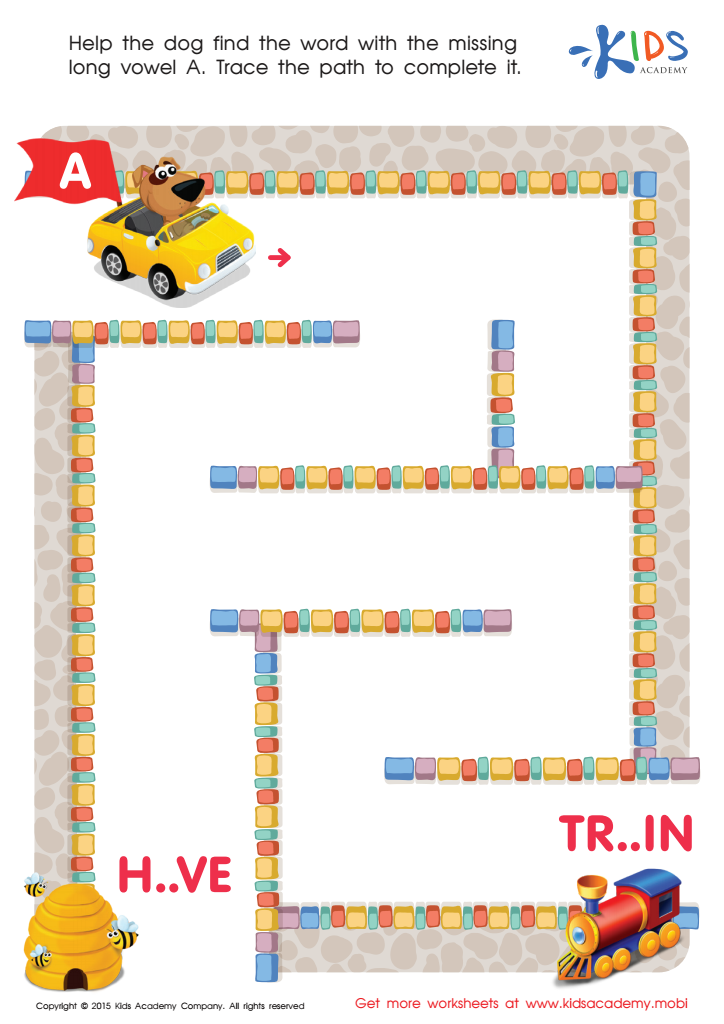
Teach your young learner about the long vowel A with this colorful free printable phonics worksheet. The long vowel A says its name while the short vowel A does not. Complete the worksheet by tracing the root to the toy train and helping the dog by filling in the missing letter A. Have them practice writing and spelling with phonics while having fun!
Long Vowel Sound A Worksheet
Worksheet
Phonics for Kids | Short Vowel Sound E | PDF Worksheet 1

Short Vowel Sound E Worksheet

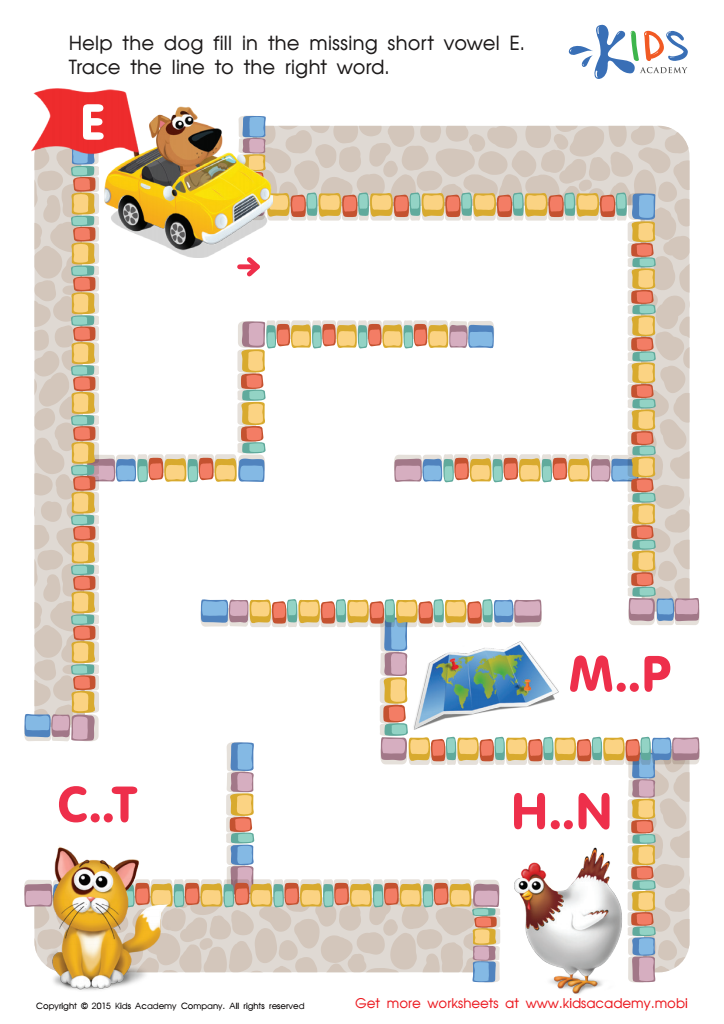
This free printable phonics worksheet helps kids learn the short vowel sound E. Kids need to help the dog complete the word “hen” by finding their way through a maze. It teaches kids to see the connection between letters and sounds and also strengthens their writing and spelling skills. Fun and educational, this phonics worksheet is great for kids. Want more? Check out here.
Short Vowel Sound E Worksheet
Worksheet
Phonics for Kids | Short Vowel Sound O | PDF Worksheet 1

Short Vowel Sound O Worksheet

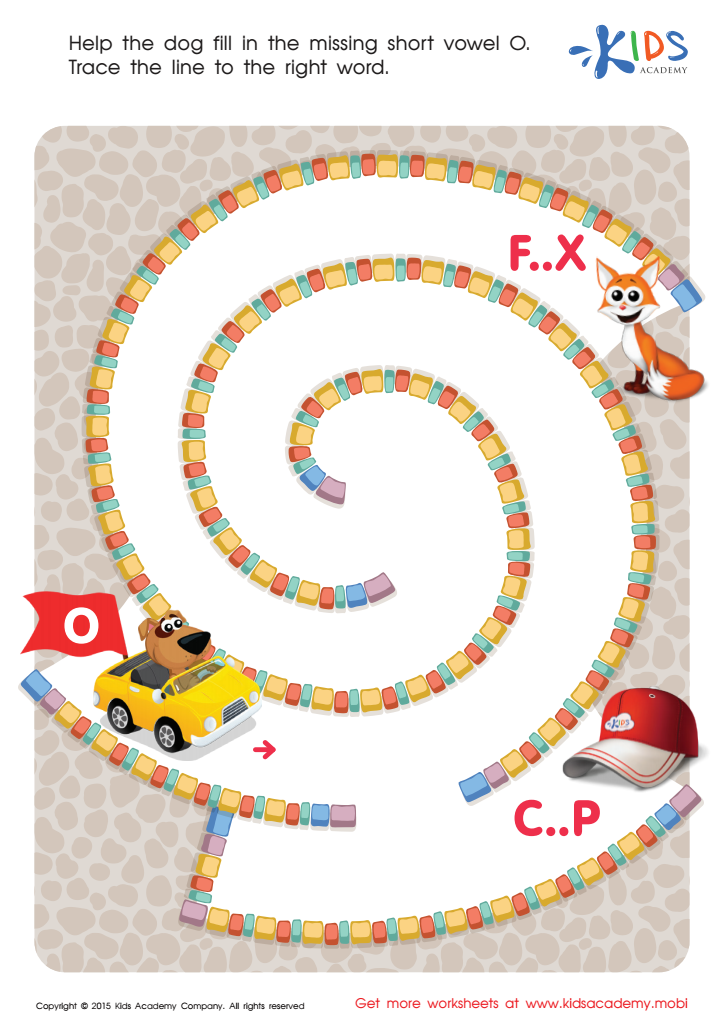
Help your child learn the short vowel sound O with this fun and free printable phonics worksheet! They'll need to complete the maze to help the dog finish the word "fox" with the missing letter O. Engage their fine motor muscles while they color or trace the maze with crayon or pencil. This educational activity is sure to bring a smile to your little learner's face! For more phonics worksheets, check here.
Short Vowel Sound O Worksheet
Worksheet
Phonics for Kids | Long Vowel Sound O | PDF Worksheet 1

Long Vowel Sound O Worksheet

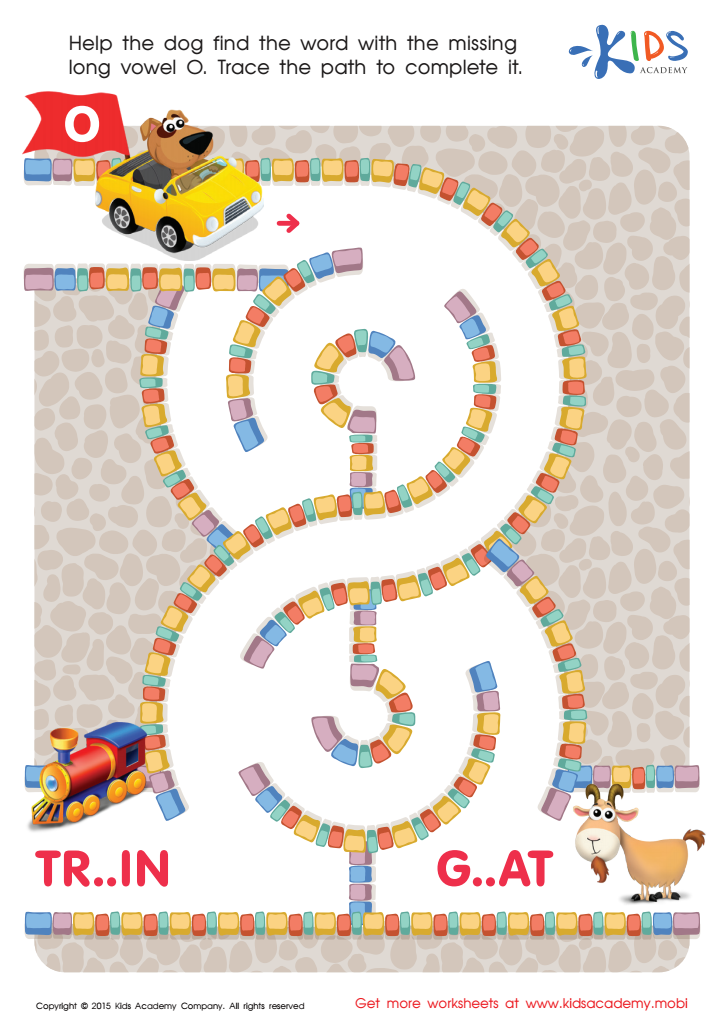
Help the goat find her missing O! Guide your little learner through this fun maze to help the goat get its vowel sound back. Make phonics learning engaging and enjoyable with this free printable worksheet.
Long Vowel Sound O Worksheet
Worksheet
Phonics for Kids | Long Vowel Sound I | PDF Worksheet 1

Long Vowel Sound I Worksheet

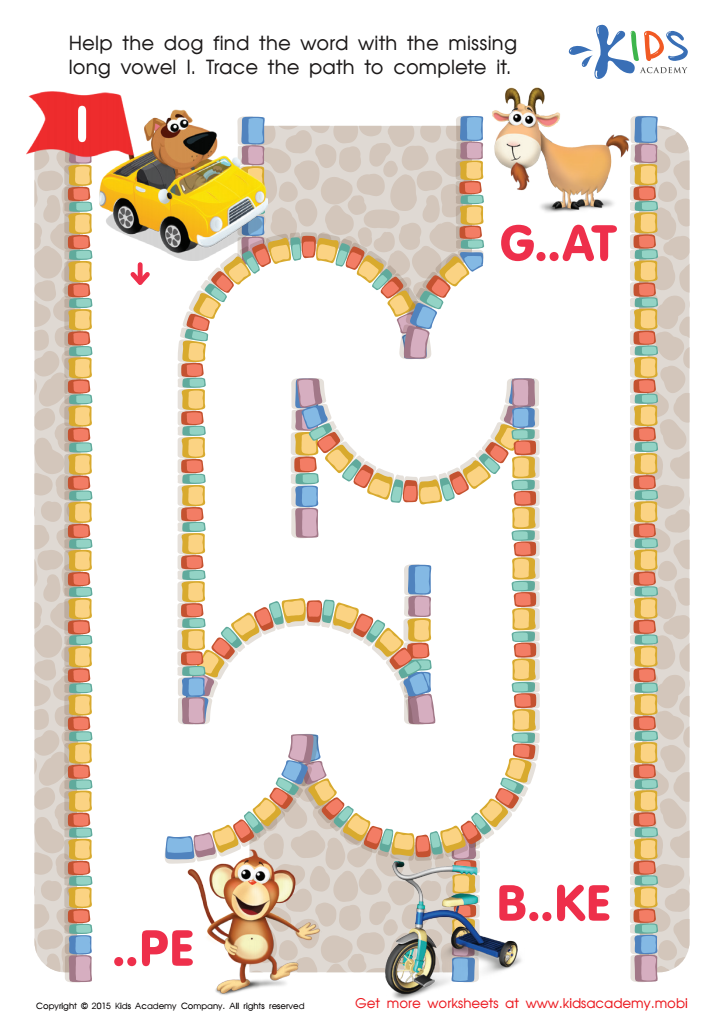
Learning long vowels is essential to becoming a good reader. Ask your child to distinguish between the long and short I vowel sounds. Remind them that the long I says its name, while the short I doesn't. With this fun printable phonics worksheet, your kid can practice writing and spelling while helping a dog find his way through a maze. Check out our phonics worksheets for more learning activities.
Long Vowel Sound I Worksheet
Worksheet


Phonics Skills Extra Challenge Alphabet for ages 3-9 is critical because it lays a strong foundation for reading and writing, essential skills for academic success. The early childhood years, especially between ages 3-9, are crucial for developing language abilities. Engaging with phonics at this stage helps children understand the relationship between letters and sounds, a key component in decoding words.

Phonics instruction enhances pronunciation, spelling, and comprehension. When children grasp these basics early, they become more proficient readers, enabling them to tackle challenging texts with confidence as they grow older. This confidence fosters a positive attitude toward learning and literacy.

For parents, investing time in phonics practice strengthens their child's cognitive and language development. It also offers a shared, engaging activity that reinforces bonding and support. For teachers, implementing phonics challenges into the curriculum ensures that every child receives a structured approach tailored to their individual progress, enhancing whole-class learning dynamics.

Moreover, incorporating extra challenges keeps advanced learners motivated and prevents them from becoming disengaged. Creative and interactive phonics exercises also cater to different learning styles, making literacy education more inclusive. Overall, prioritizing phonics skills sets children on a path to becoming lifelong readers and learners, equipped with the tools they need for academic achievement.