Basic Addition Skills Extra Challenge Worksheets for Ages 3-9
7 filtered results
-
From - To
Discover our engaging "Basic Addition Skills Extra Challenge Worksheets" designed specifically for children aged 3-9! These worksheets provide a fun and interactive way for young learners to enhance their addition skills through captivating exercises. Each activity is tailored to instill foundational math concepts while keeping students entertained and motivated. Whether practicing with pictures or solving simple problems, these extra challenges promote critical thinking and problem-solving abilities. Ideal for classroom use or at-home practice, our worksheets cater to various learning styles, ensuring that every child can excel. Start building a strong math foundation today with our thoughtfully crafted addition worksheets!
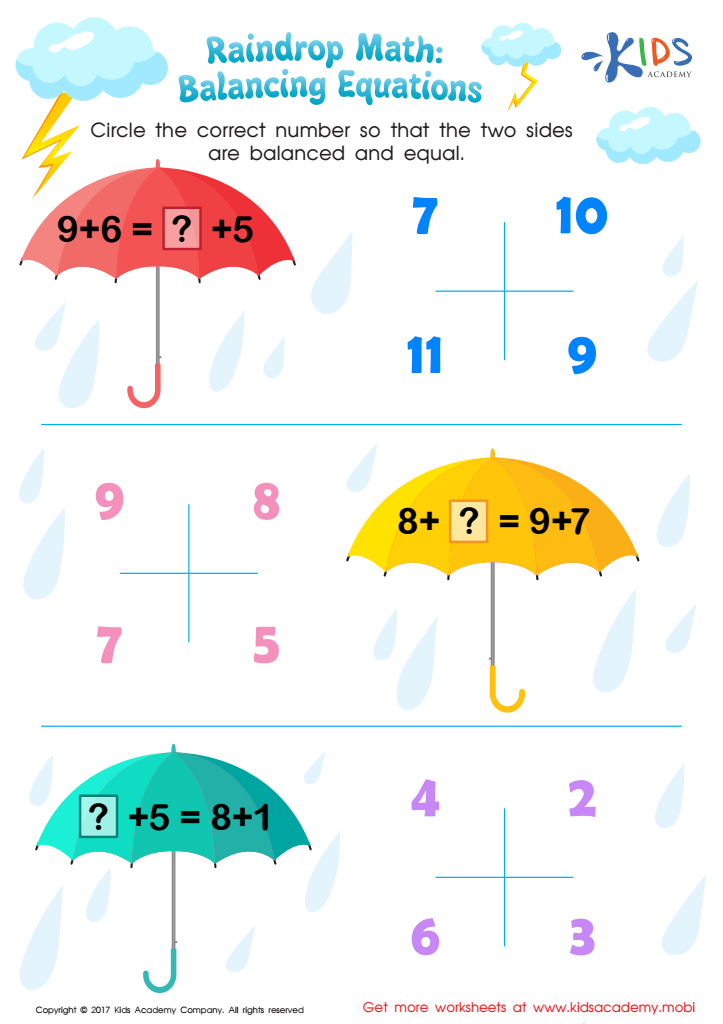
Raindrop Math Printable
 Assign to My Students
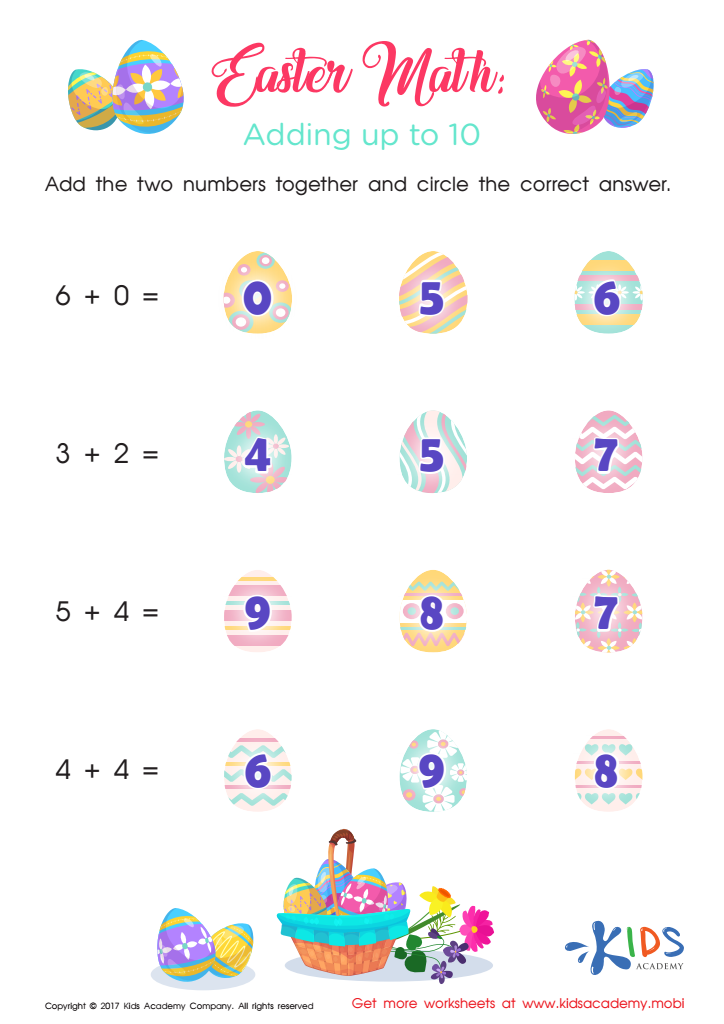
Addition Up To 10 Worksheet
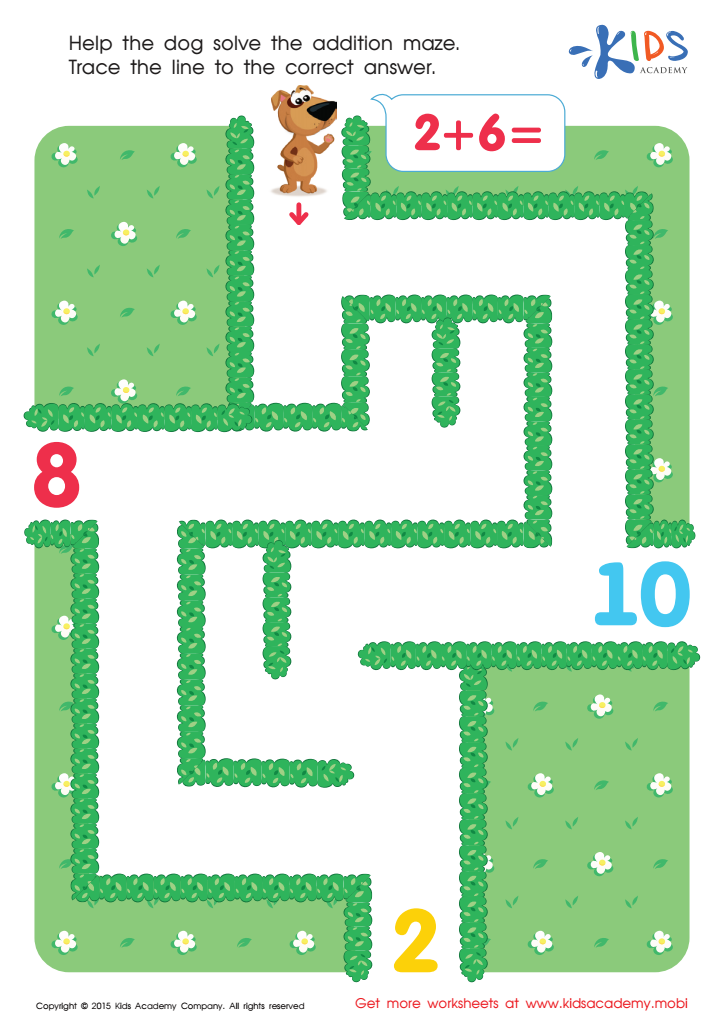
Two Plus Six Addition Worksheet
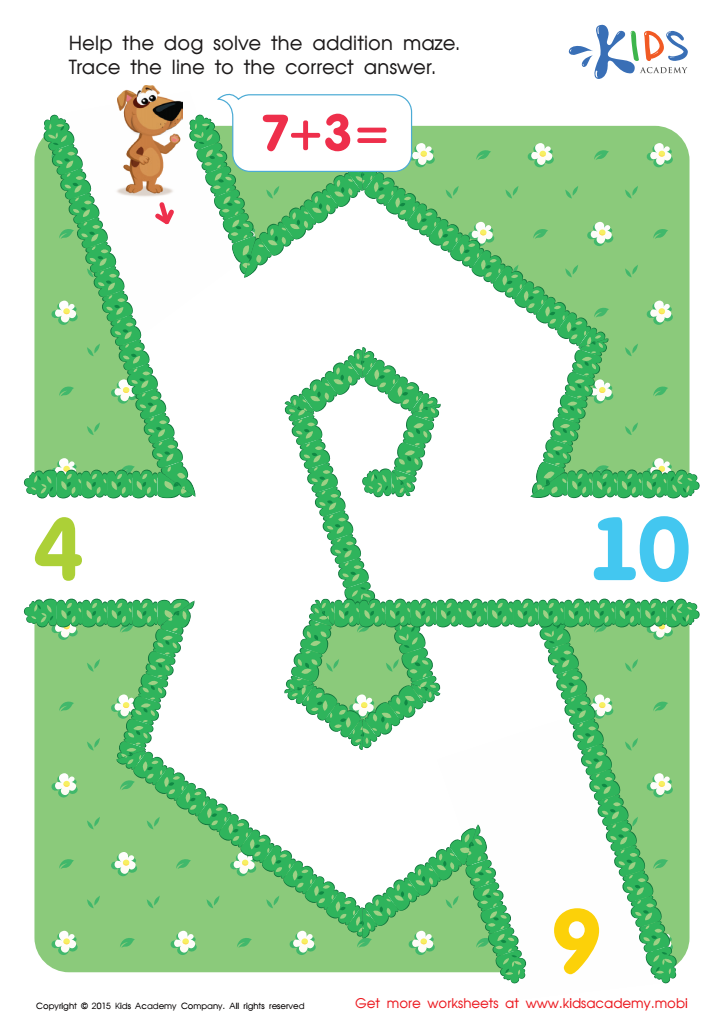
Seven Plus Three Worksheet
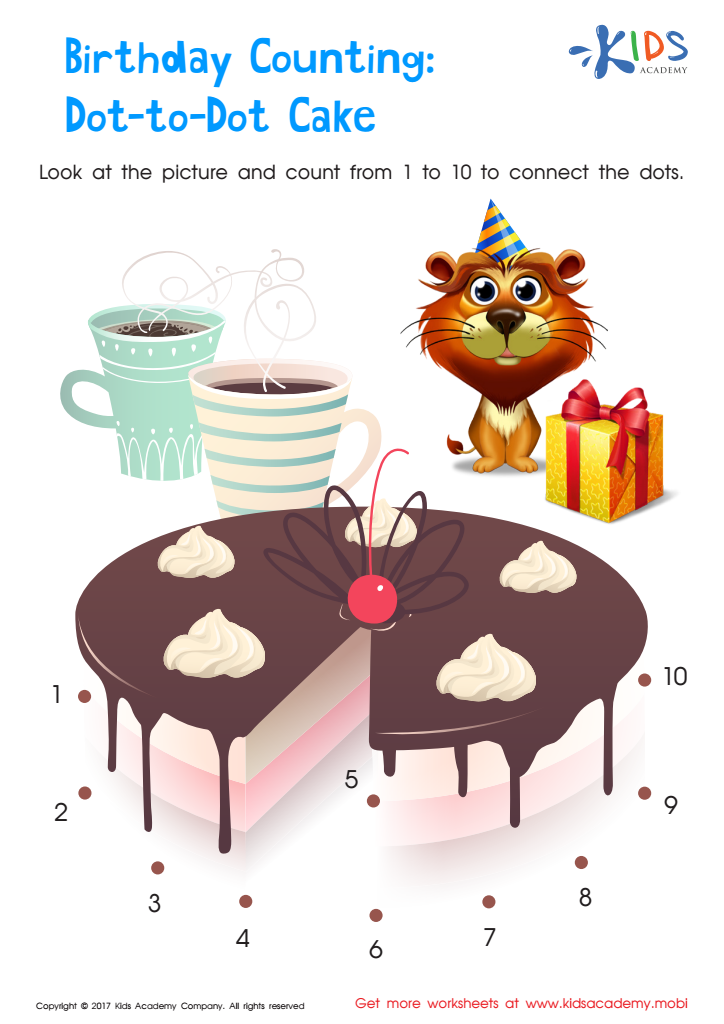
Birthday Counting Connect Dots Worksheet
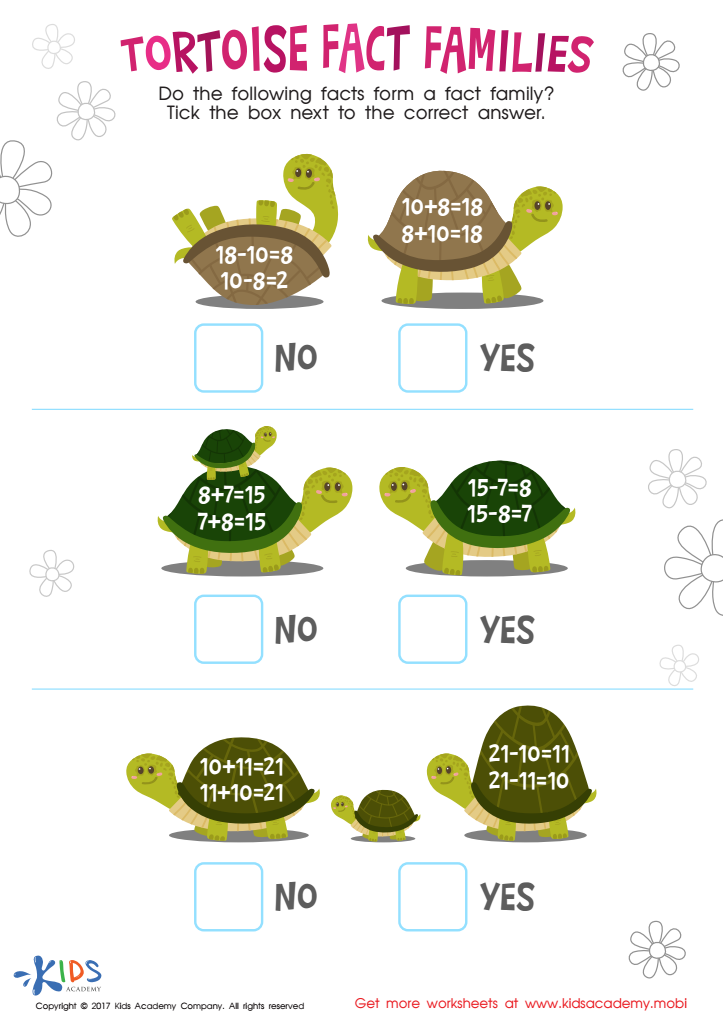
Tortoise Fact Families Printable
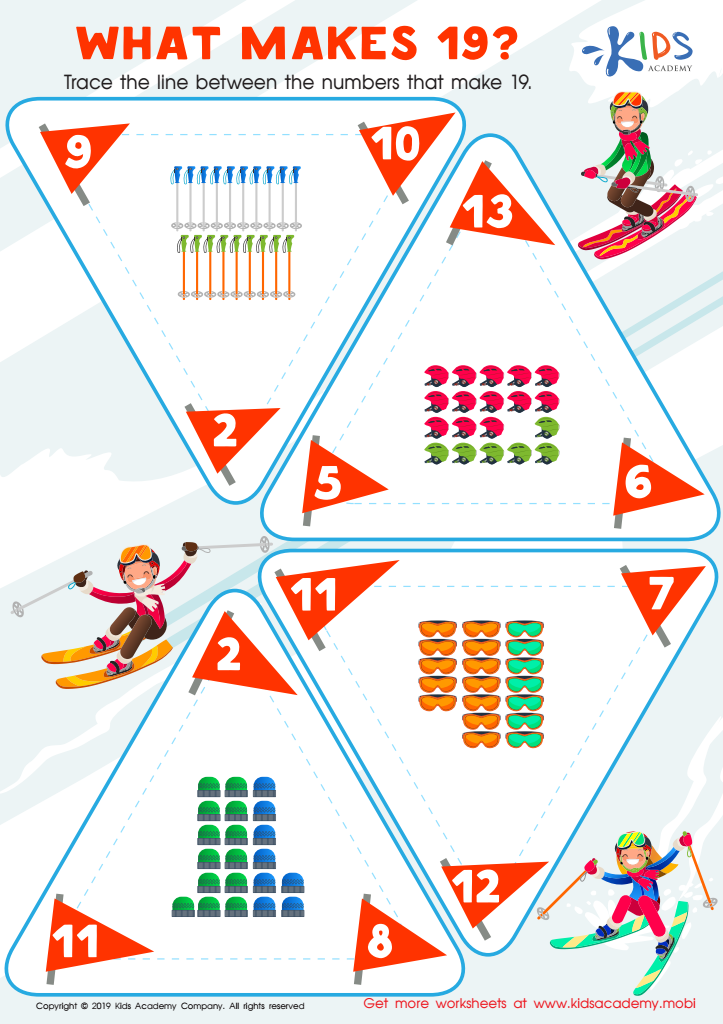
What Makes 19? Worksheet







Parents and teachers should prioritize Basic Addition Skills Extra Challenge for children aged 3-9 because these foundational mathematical skills are critical for overall cognitive development. Early exposure to addition not only fosters numerical fluency but also enhances problem-solving and critical-thinking abilities, which are essential throughout a child's educational journey.
Additionally, developing basic addition skills can significantly boost a child's confidence and motivation in mathematics. When children master concepts at an early age, they are less likely to experience anxiety about math later on. This understanding creates a positive feedback loop, encouraging further exploration and learning in mathematics.
Furthermore, engaging activities that challenge children's addition skills can promote social interaction and collaborative learning. Through group activities, children can learn from one another, share ideas, and develop communication skills.
From a practical standpoint, mastering basic addition helps children in everyday situations, like shopping or sharing treats, grounding their understanding of numbers in real-world contexts. Therefore, integrating extra challenges into early learning not only supports academic growth but also equips children with lifelong skills, preparing them for a successful transition into more complex mathematical concepts as they advance in their education.








