Cognitive Development Extra Challenge Worksheets for Ages 3-9 - Page 2
41 filtered results
-
From - To
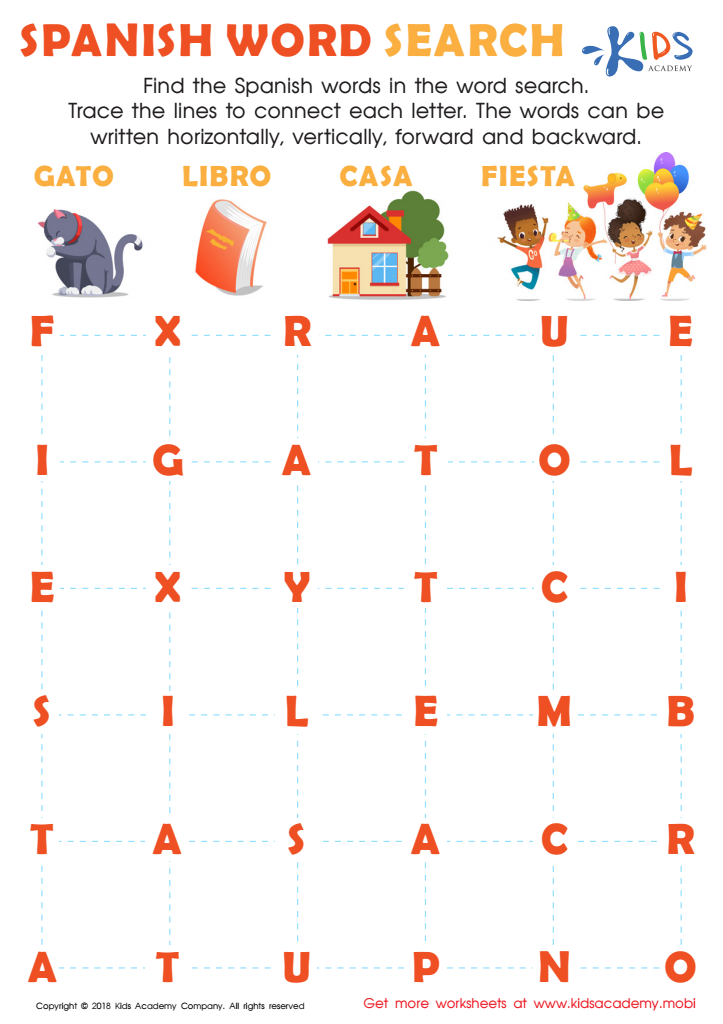
Spanish Word Search Worksheet
 Assign to My Students
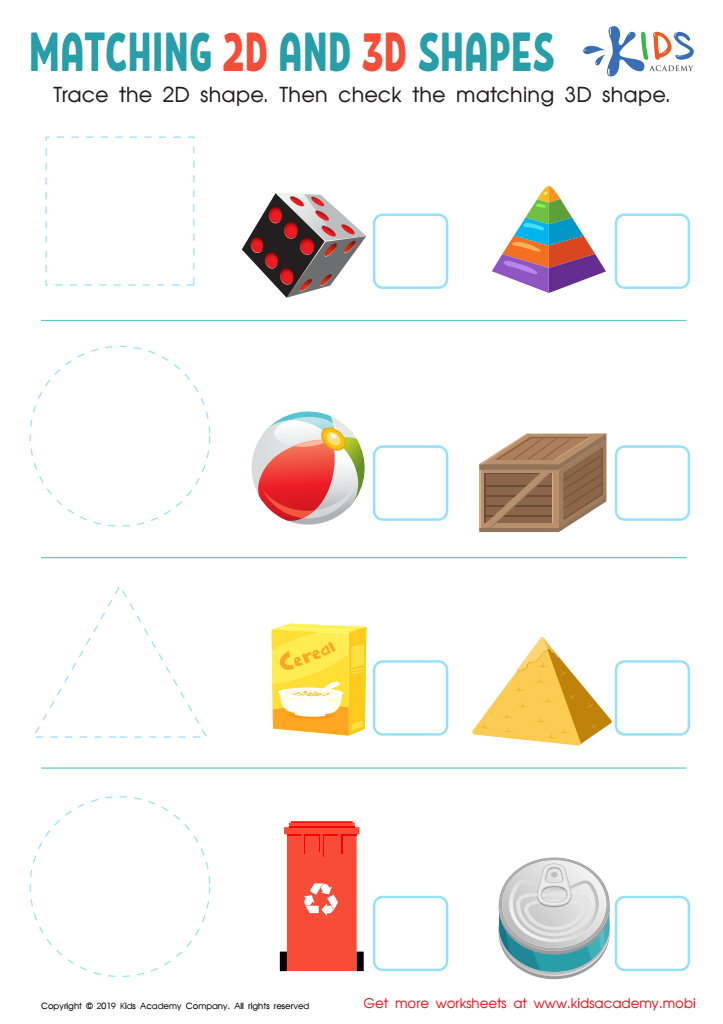
Matching 2D and 3D Shapes Worksheet
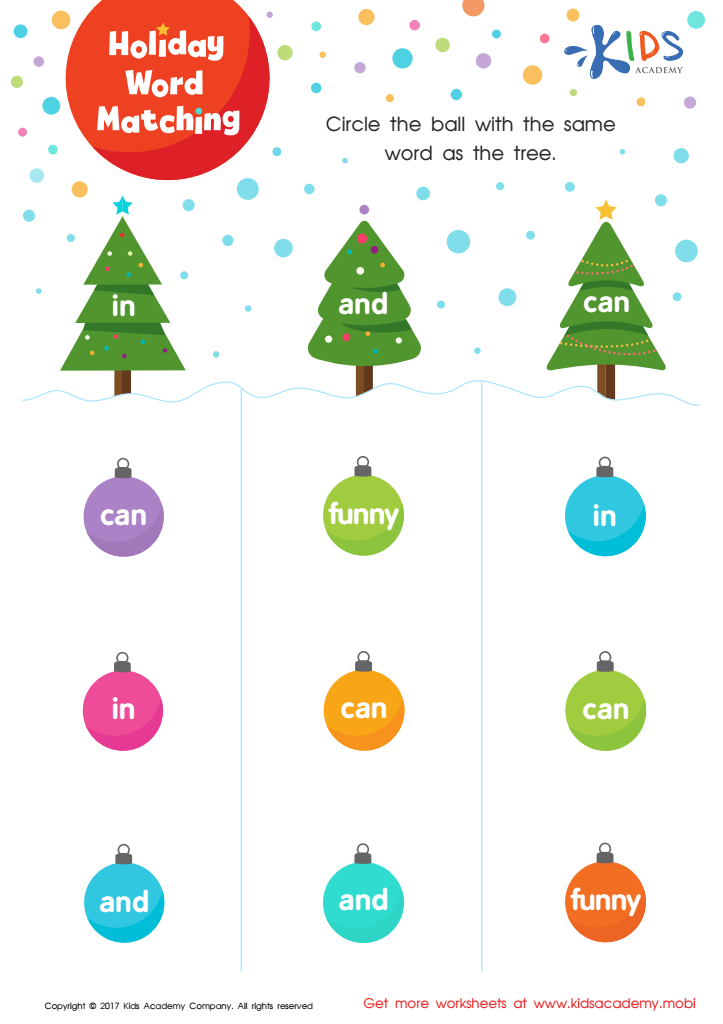
Holiday Word Matching Worksheet
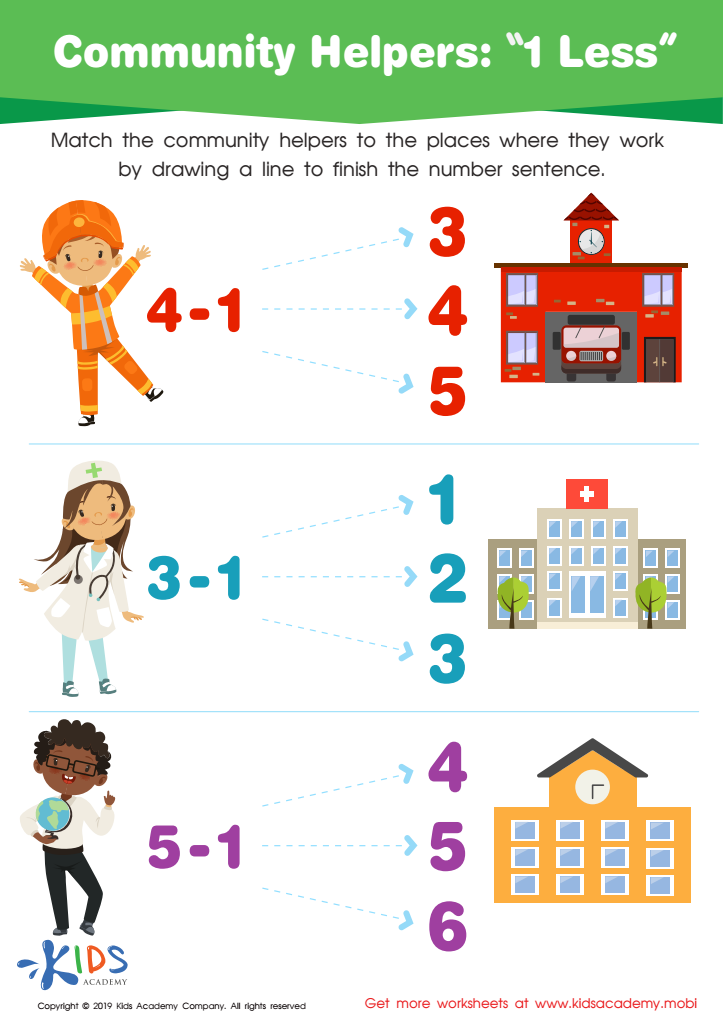
Community Helpers: 1 less Worksheet

Matching Family Members Worksheet

Pirate Ship Connect Dots Worksheet
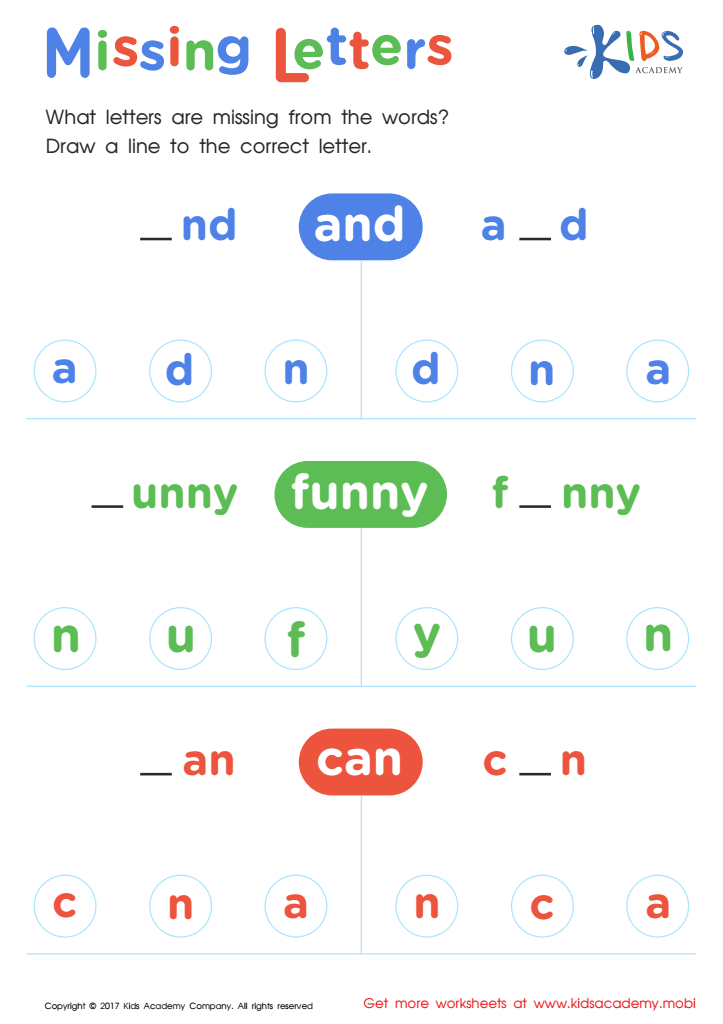
Missing Letters Worksheet
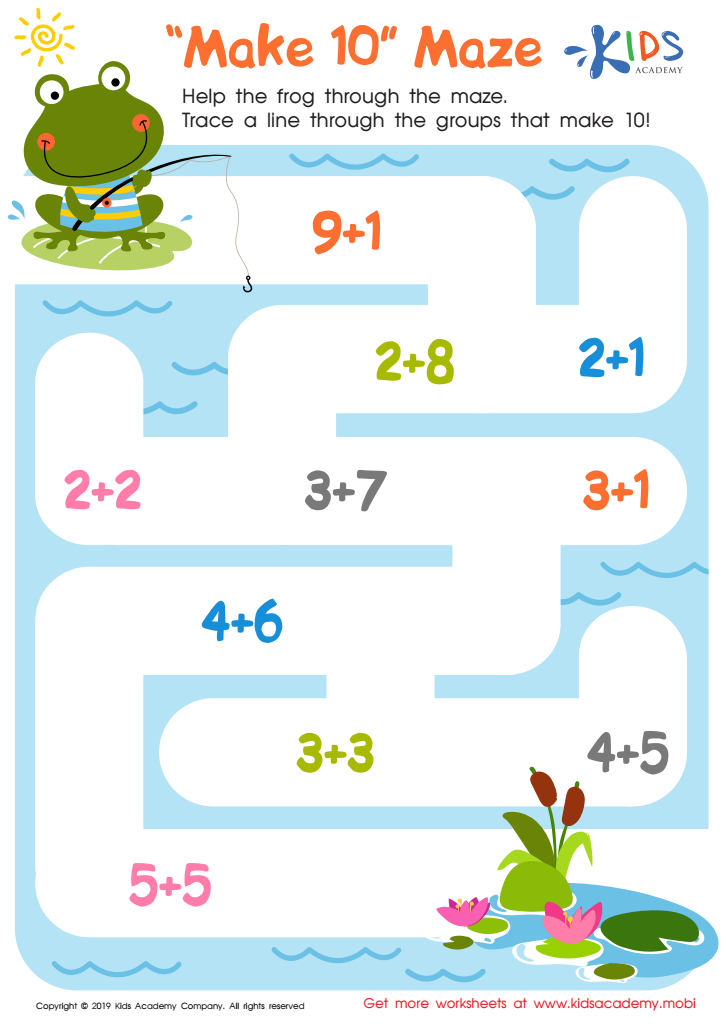
Make 10 Maze Worksheet
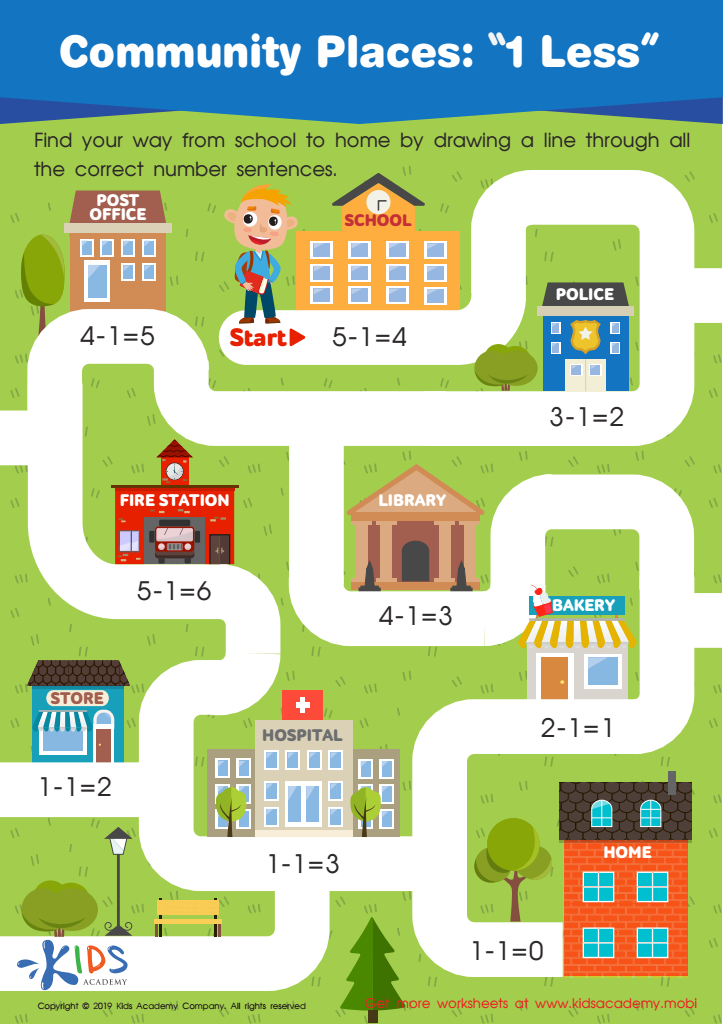
Community Places: 1 Less Worksheet

Jungle Counting Connect Dots Worksheet
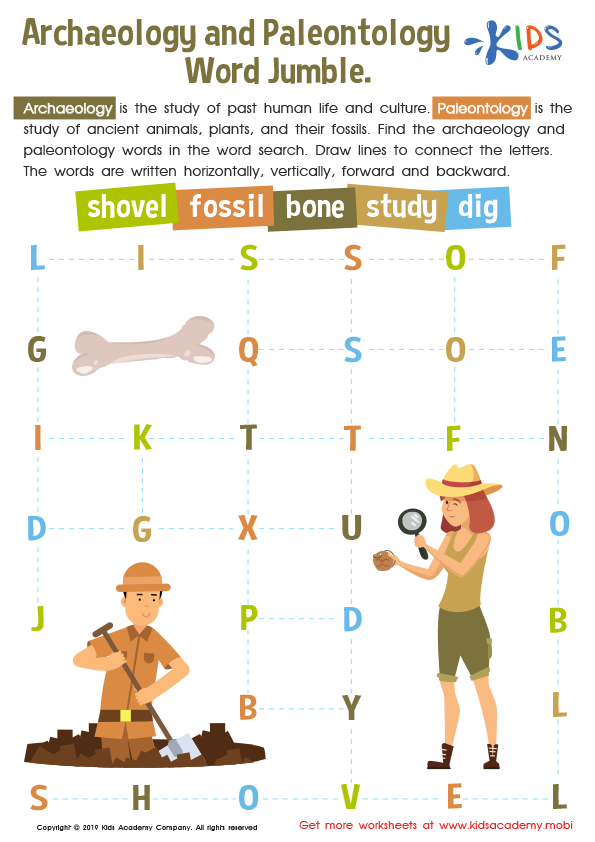
Archaeology and Paleontology Word Jumble Worksheet
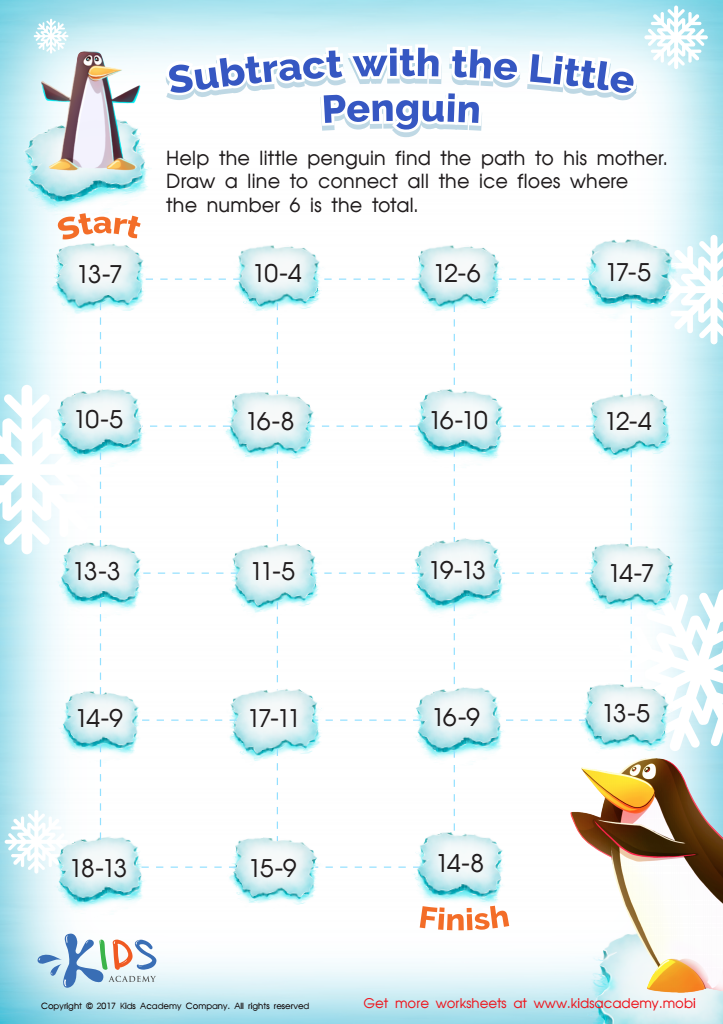
Subtract With The Little Penguin Substraction Worksheet
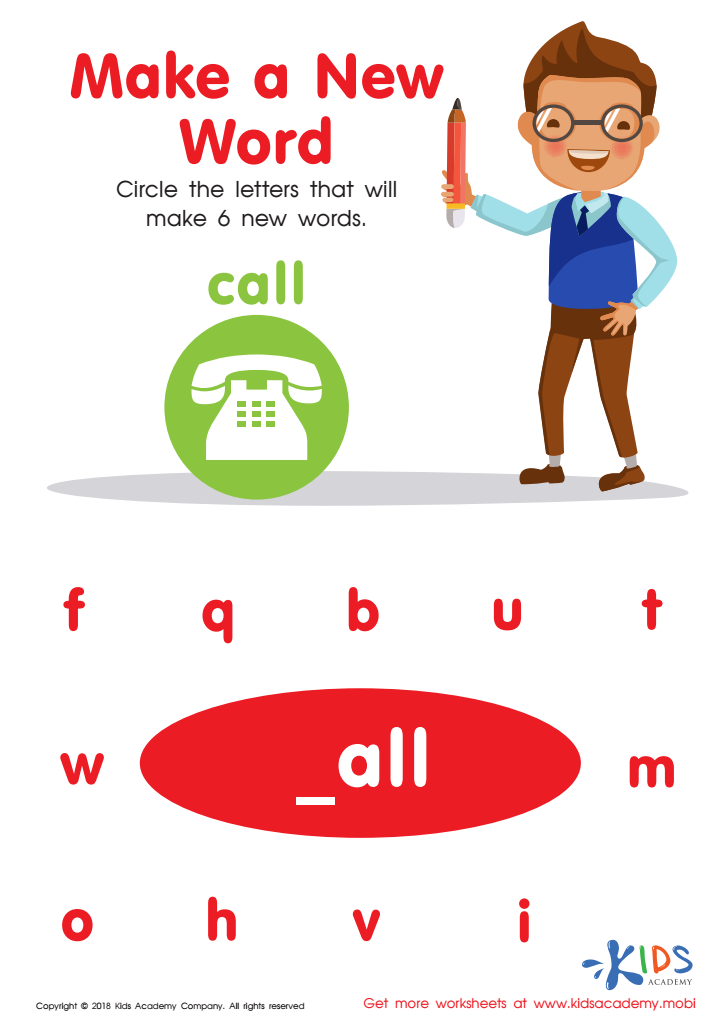
Make a New Word Worksheet
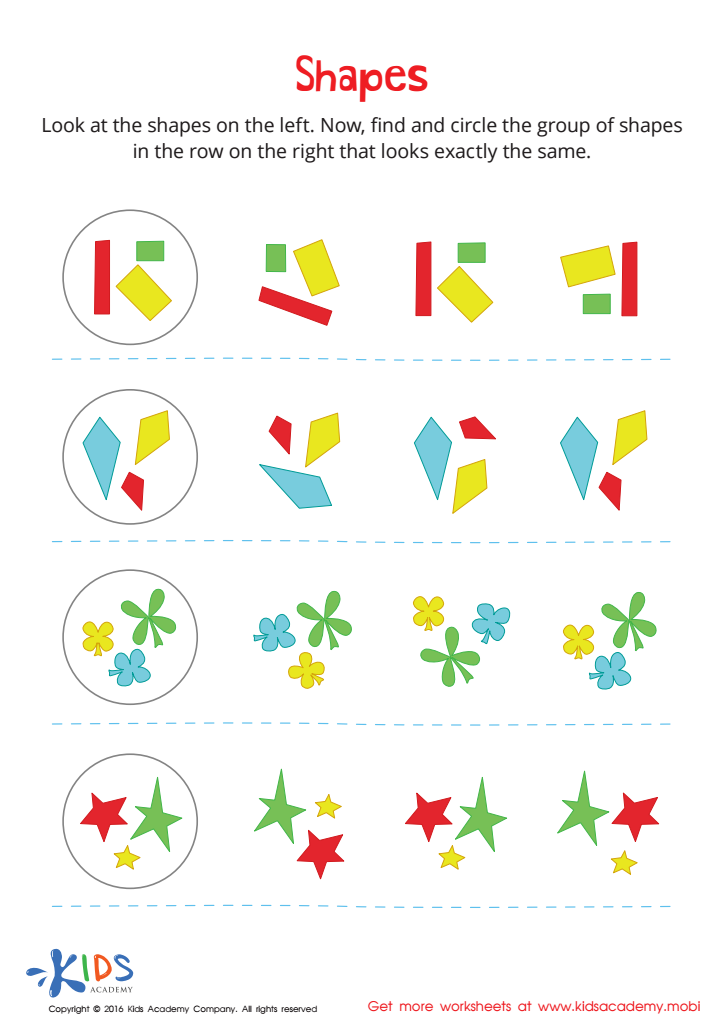
Shapes Worksheet
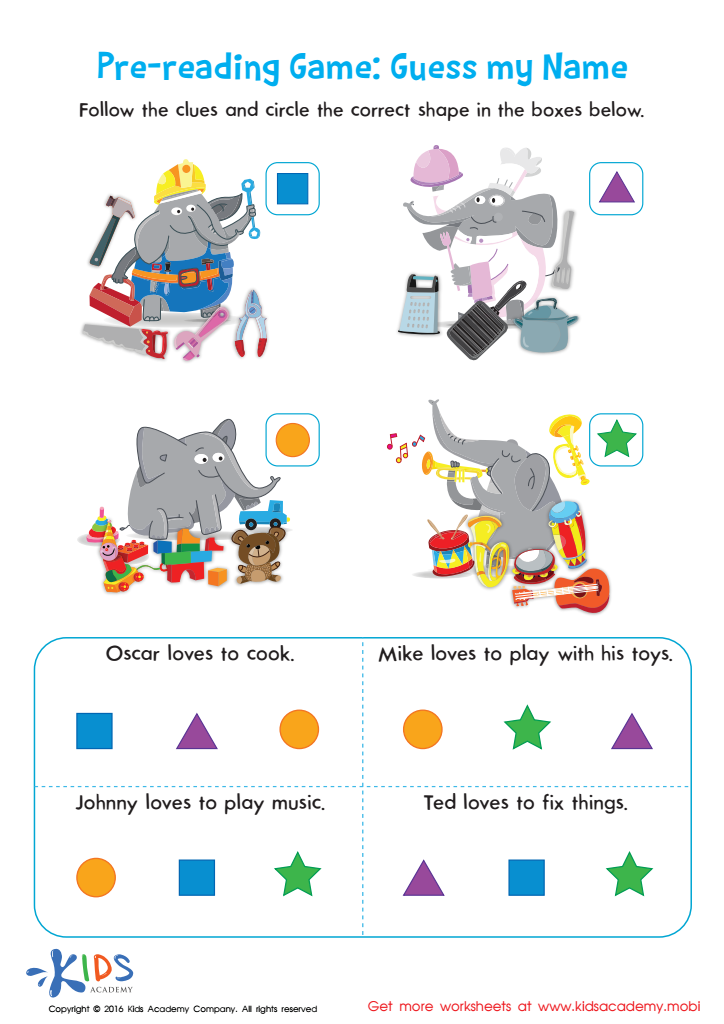
Pre Reading Worksheet Guess My Name
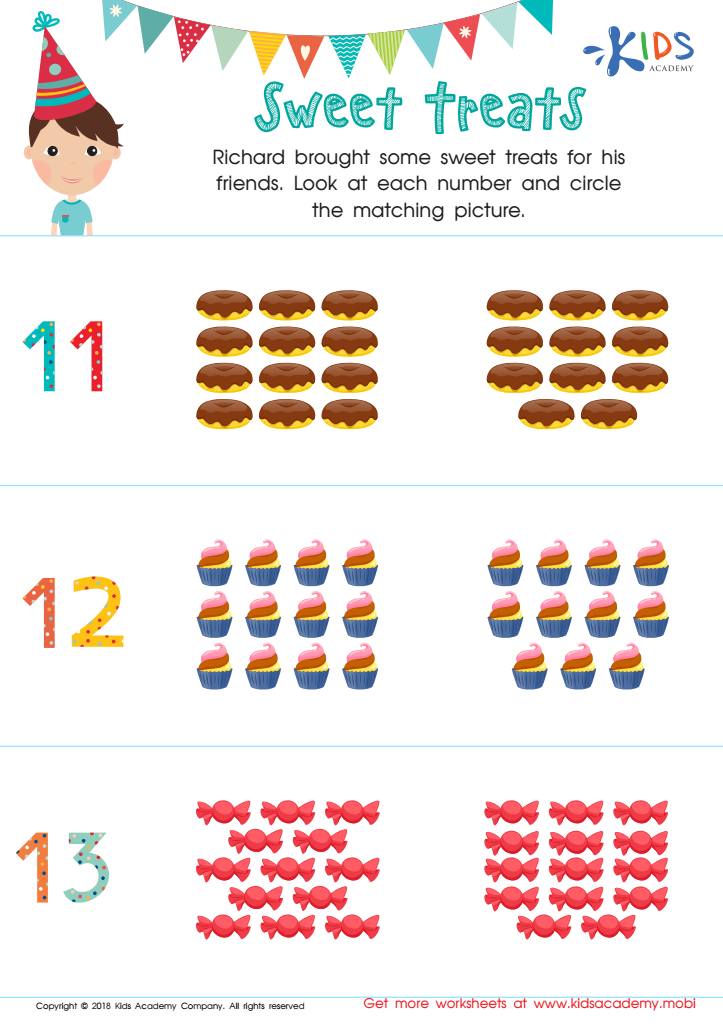
Kindergarten Math Worksheet Matching Numbers

Count and Match: Feed the Animals Worksheet



.jpg)




Parents and teachers should invest in Cognitive Development Extra Challenges for children ages 3 to 9 because these are crucial years for brain growth and foundational learning. During this period, children's brains are incredibly adaptive and capable of absorbing vast amounts of information. Engaging in cognitive challenges helps to stimulate brain development by nurturing critical thinking, problem-solving, and creativity—skills essential for lifelong learning and success.
Introducing extra challenges can help identify areas where a child excels as well as areas needing support. It keeps young minds engaged and encourages a positive attitude toward learning. Moreover, such challenges promote concentration, memory, and mental flexibility, enhancing children’s ability to adapt to new situations.
Cognitive development activities often involve interactive and hands-on experiences, which can also improve social skills and emotional regulation. Children learn how to collaborate with peers, develop patience, and build resilience against setbacks.
By prioritizing these activities, parents and teachers lay the foundation for strong academic skills, fostering a well-rounded individual ready to navigate the complexities of future educational environments. Essentially, it’s an investment not just in immediate cognitive gains but in the long-term ability for critical thinking and problem-solving that underpins future success.








