Matching skills Extra Challenge Worksheets for Ages 3-9
6 filtered results
-
From - To
Unlock your child's potential with our Matching Skills Extra Challenge Worksheets for Ages 3-9! Designed to boost cognitive development and enhance critical thinking, these worksheets offer engaging exercises that help young learners improve their matching abilities. Each sheet is filled with colorful activities, from matching objects and patterns to pairing related concepts. Perfect for honing attention to detail and developing visual discrimination skills, our printables ensure learning feels like playtime. Created by educational experts, they provide the perfect extra challenge for curious minds. Boost your child's learning journey and encourage their growth with these fun and effective worksheets!
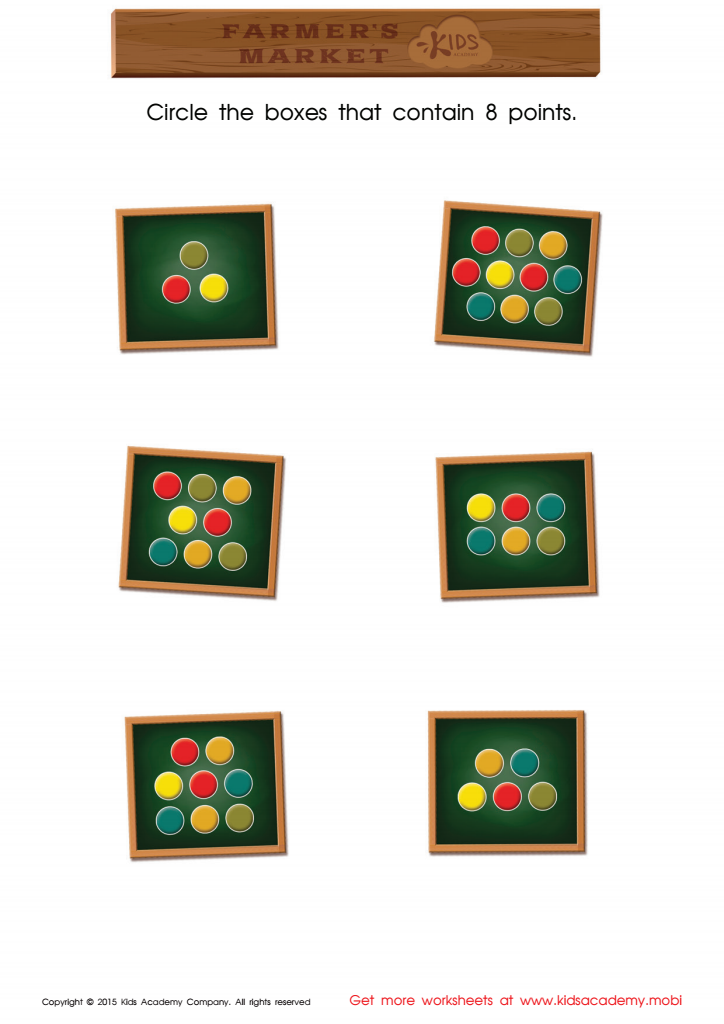
Count and Match Points 8 Math Worksheet
 Assign to My Students
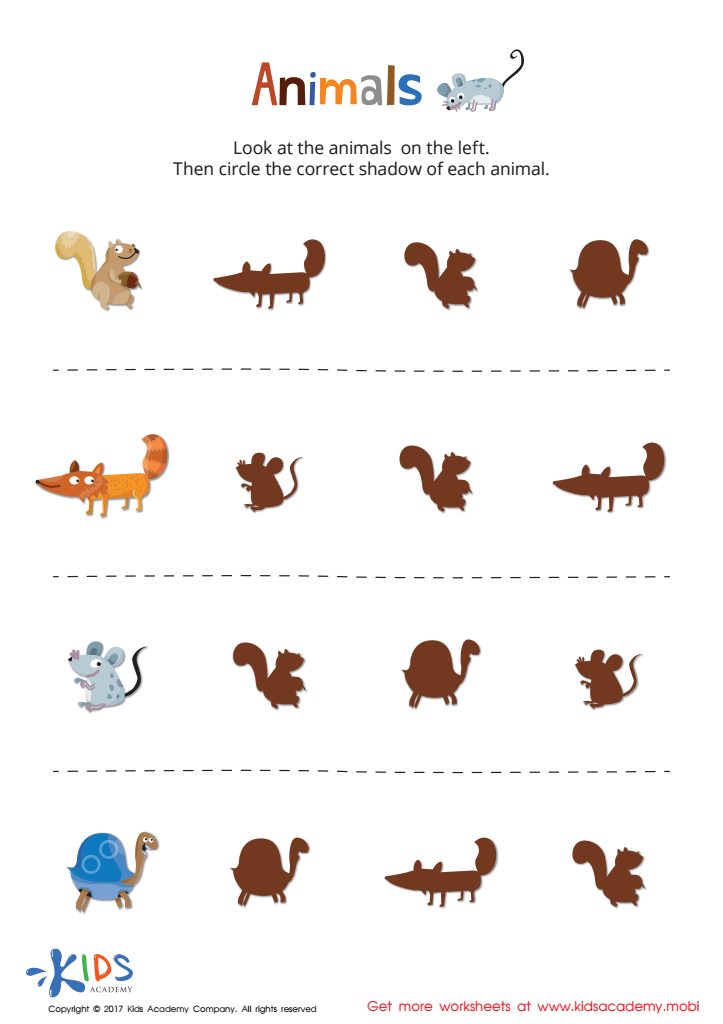
Animal Shadows Sorting Worksheet
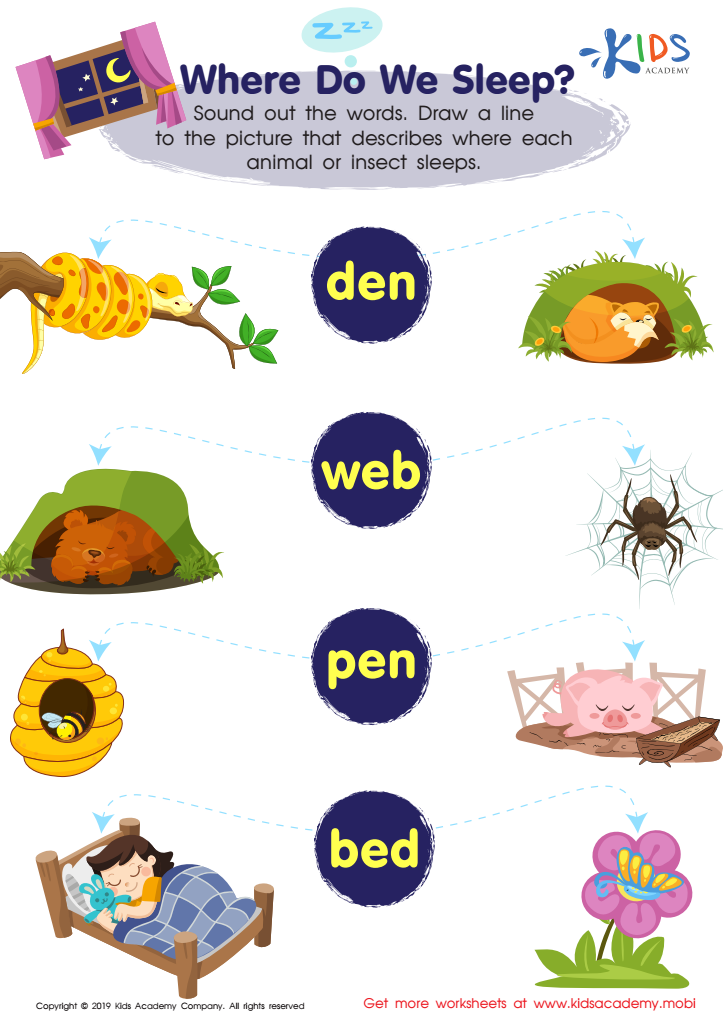
Where Do We Sleep Worksheet
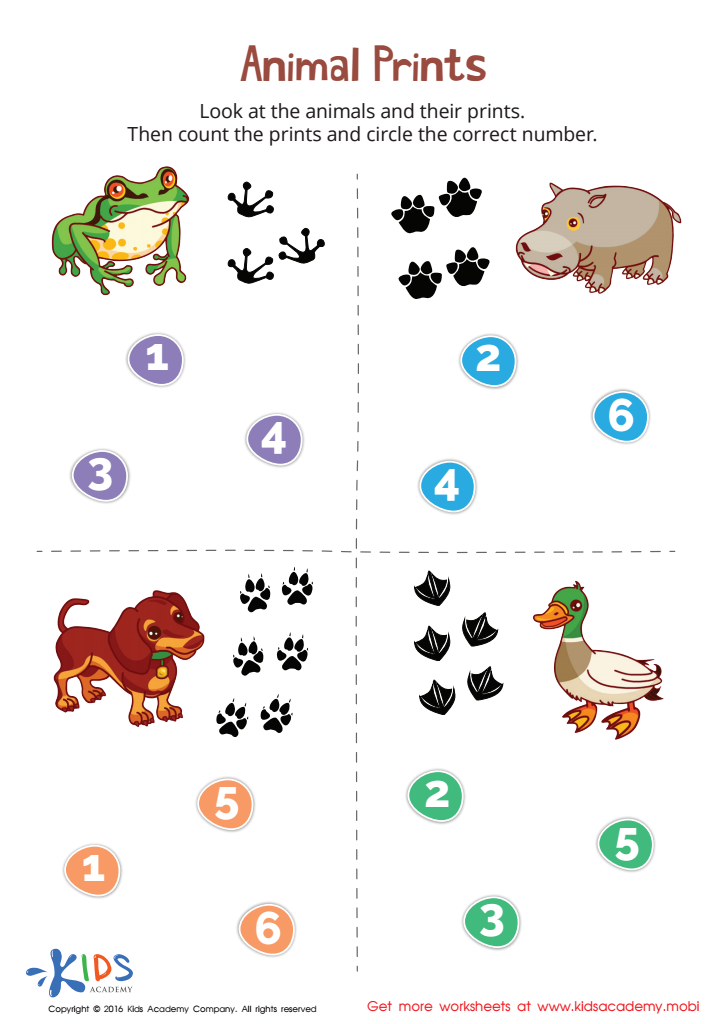
Animal Prints Match-Up Worksheet
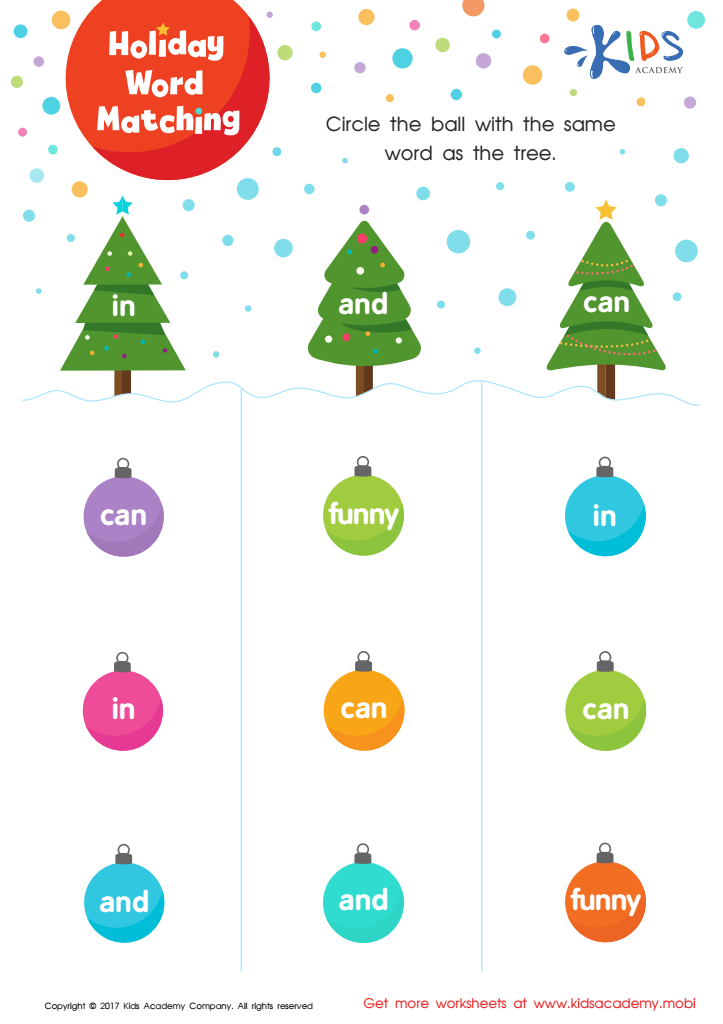
Holiday Word Matching Worksheet
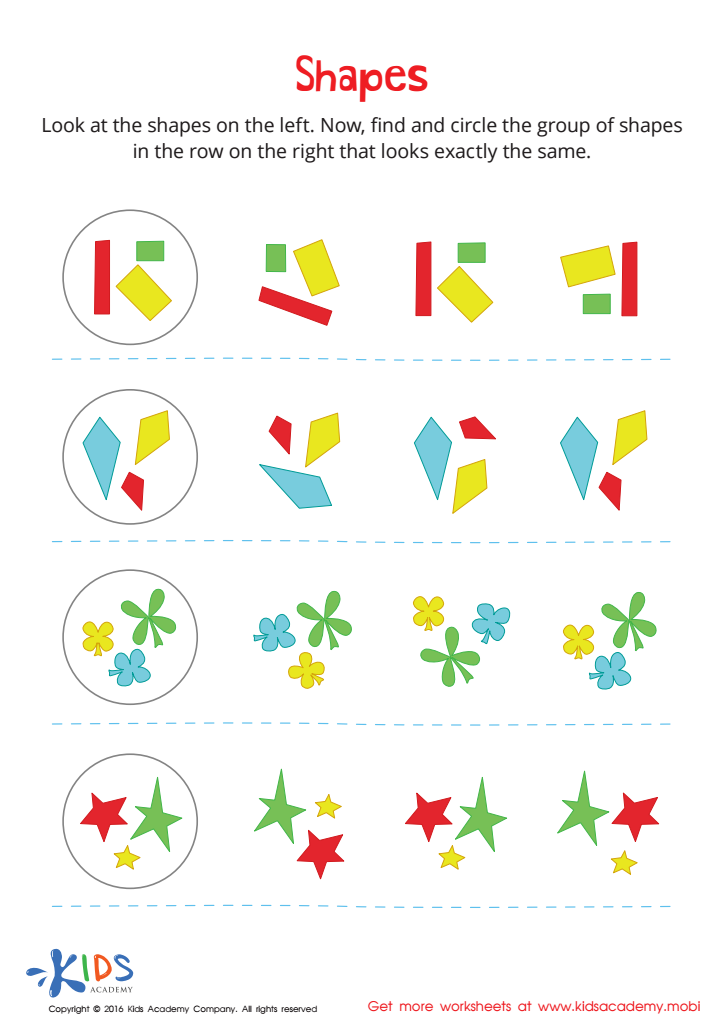
Shapes Worksheet







Matching skills play a crucial role in the cognitive development of children aged 3 to 9. This stage is pivotal as children learn to process and organize information, which lays the foundation for complex problem-solving and analytical thinking later in life. Engagement in extra challenges enhances these abilities by promoting critical thinking, improving memory, and reinforcing attention to detail.
Matching exercises require children to analyze, compare, and contrast different items, which bolsters their ability to recognize patterns and relationships. These skills are essential not only for academic success in subjects such as mathematics, science, and reading but also for everyday life, where making connections and recognizing sequences helps in decision-making and effective communication.
Moreover, matching activities encourage perseverance. Solving puzzles or matching items correctly hence extends their attention span and ability to stay focused on tasks. As children experience success in these activities, they build confidence and develop a growth mindset knowing that they can overcome challenges through effort and practice. These skills collectively foster emotional and social intelligence by enabling children to navigate social situations with greater ease and understanding.
In summary, parents and teachers should care about incorporating matching skills extra challenges because they are integral to developing a child's cognitive, social, and emotional capabilities, thus setting a foundational framework that supports lifelong learning and problem-solving skills.








