Logical Reasoning Extra Challenge Geometry Worksheets for Ages 3-9
3 filtered results
-
From - To
Unlock the power of logical reasoning with our Extra Challenge Geometry Worksheets, designed specifically for children aged 3-9! These engaging and interactive worksheets encourage young learners to think critically while exploring fundamental geometric shapes, patterns, and relationships. Each worksheet is thoughtfully crafted to enhance problem-solving skills and stimulate creativity in a fun and captivating way. Perfect for home or classroom use, these extra challenges are aligned with early learning standards, ensuring a solid foundation for future mathematical concepts. Help your child discover the beauty of geometry through thoughtful reasoning and inventive exercises that make learning enjoyable and effective!
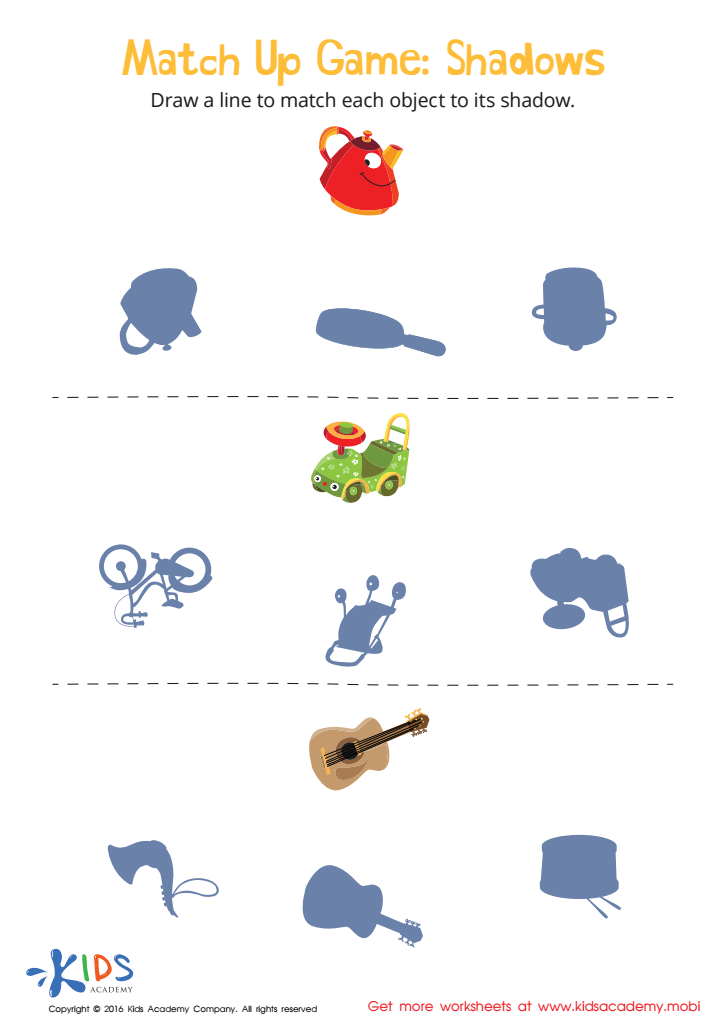
 Assign to My Students











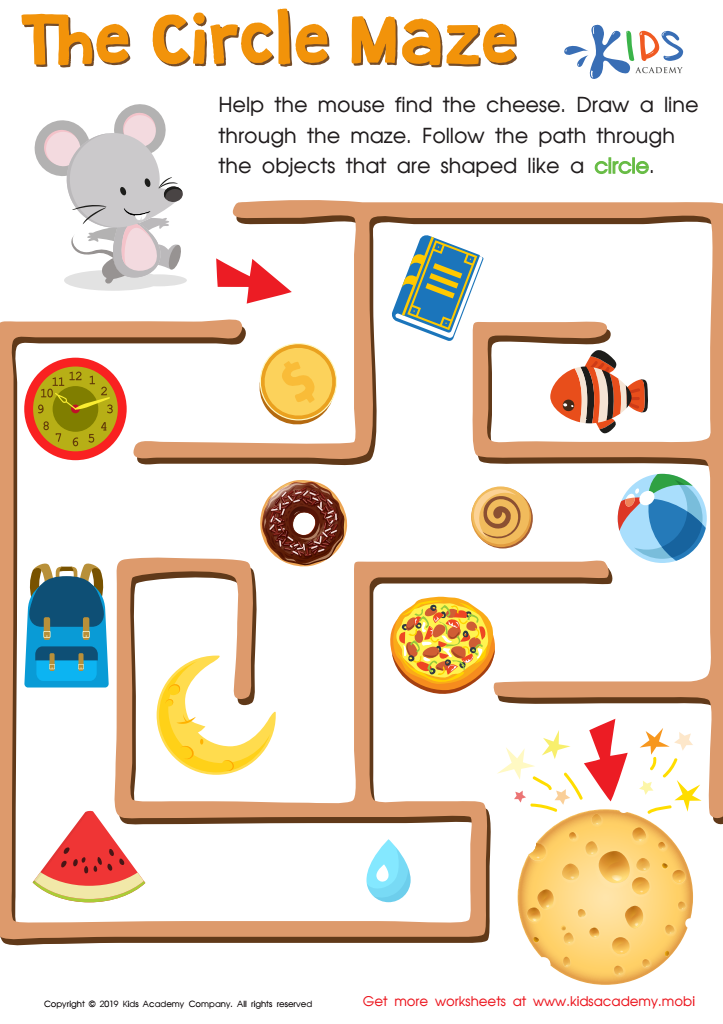
The Circle Maze Worksheet
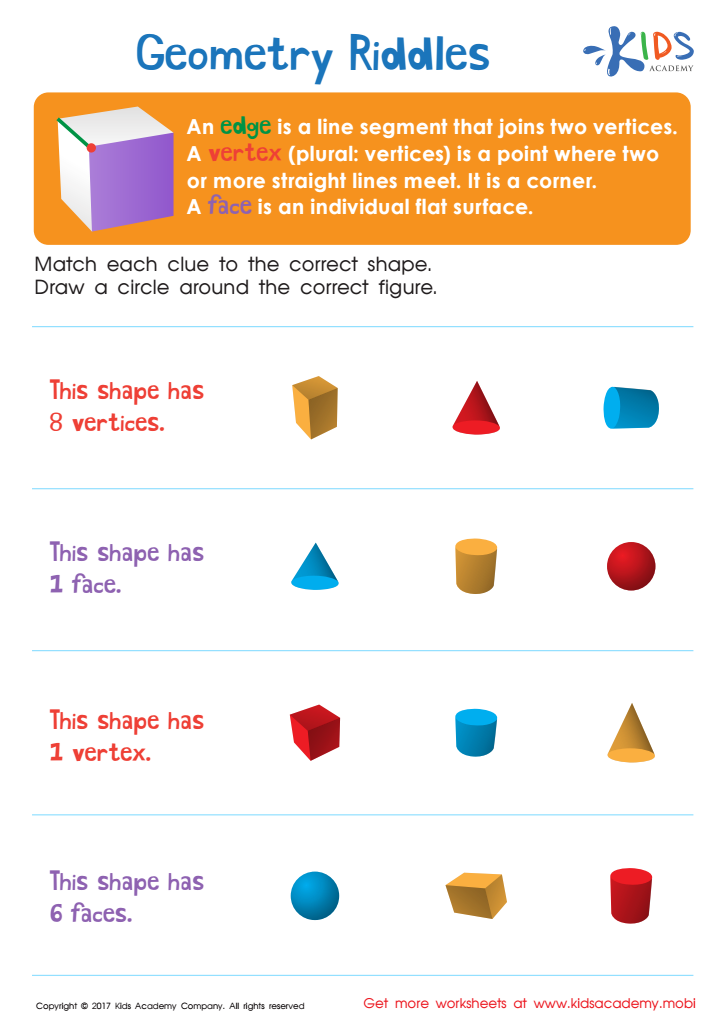
Geometry Riddles Printable








Parents and teachers should care about the Logical Reasoning Extra Challenge Geometry for Ages 3-9 because it plays a crucial role in developing essential cognitive skills in young learners. Geometry encourages children to explore shapes, spatial relationships, and patterns, which are foundational aspects of logical reasoning and critical thinking. By engaging with geometry concepts at a young age, children improve their problem-solving skills and gain confidence in their abilities to tackle complex tasks.
Furthermore, early exposure to geometry promotes mathematical fluency, which is vital for later academic success in subjects like mathematics and science. Activities centered around spatial reasoning help children visualize and manipulate objects in their mind, a skill that is not only important in math but also in everyday life, from navigating environments to understanding relationships in various subjects.
Additionally, Logical Reasoning Extra Challenge Geometry activities often involve interactive, hands-on learning. This keeps children engaged and motivated while fostering a love for learning. As they navigate challenges and discover geometric principles, they also learn perseverance and adaptability. Therefore, prioritizing logical reasoning through geometry in early childhood education equips children with skills not just for academic achievement but also for real-world applications.