Counting skills Extra Challenge Numbers Worksheets for Ages 3-9 - Page 2
30 filtered results
-
From - To
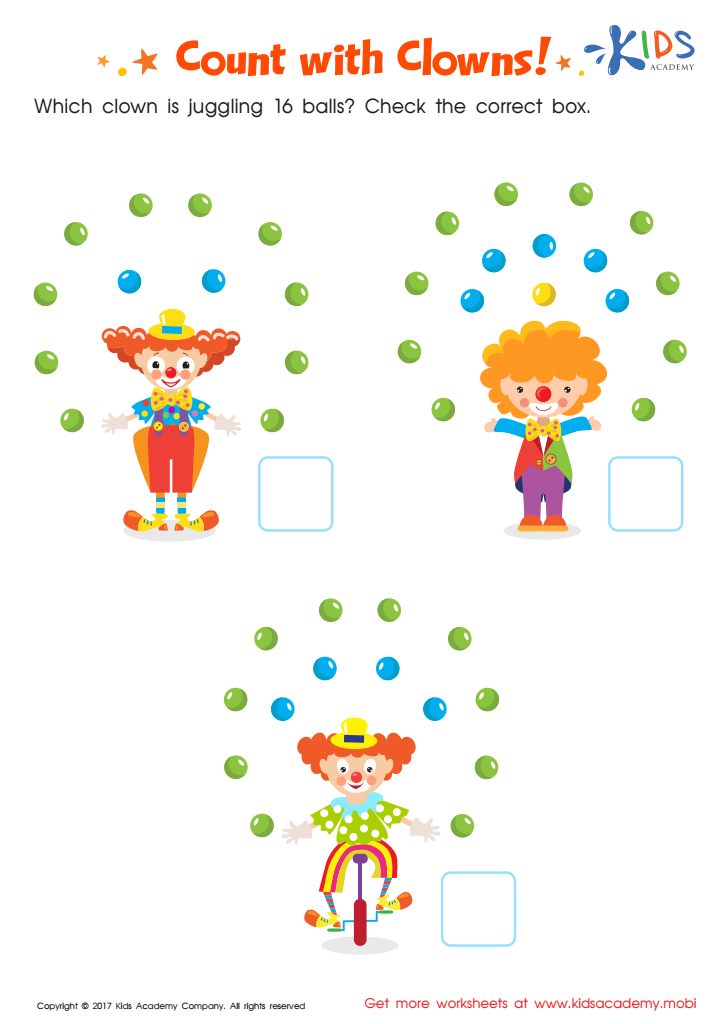
Count with Clowns Worksheet
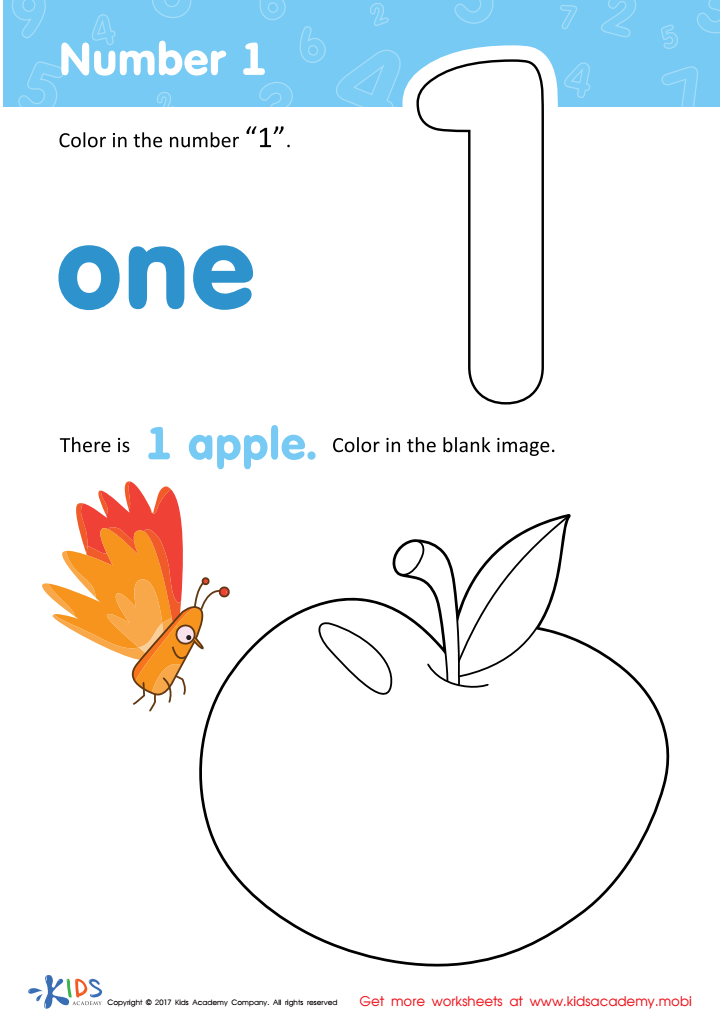
Number 1 Printable
 Assign to My Students
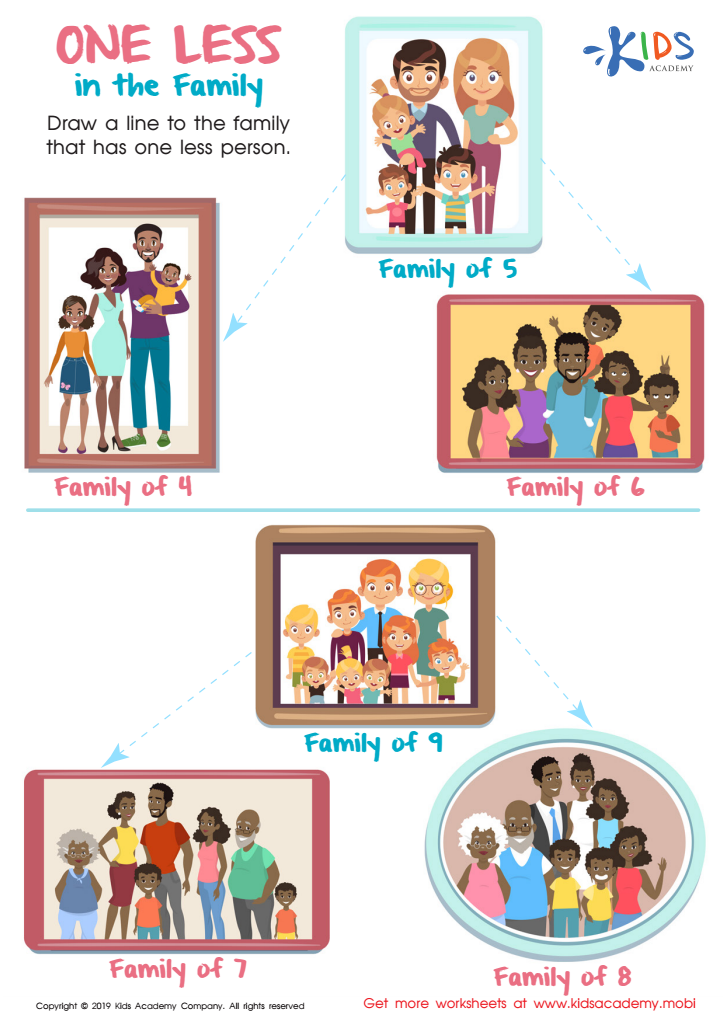
One Less in the Family Worksheet
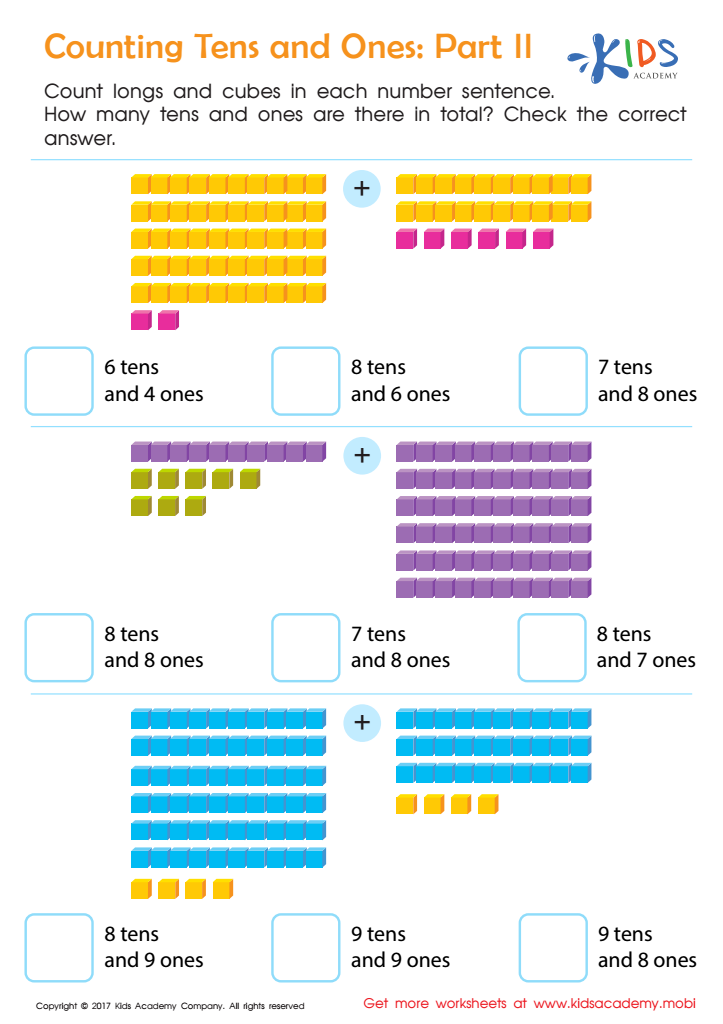
Counting Tens and Ones: Part 2 Worksheet
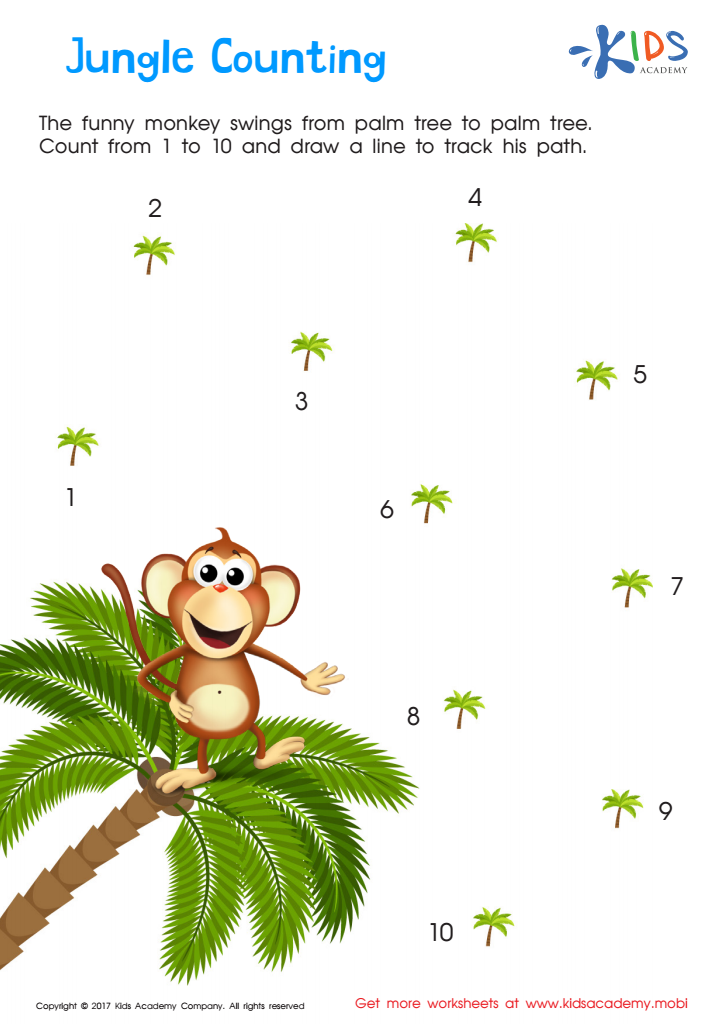
Jungle Counting Connect Dots Worksheet
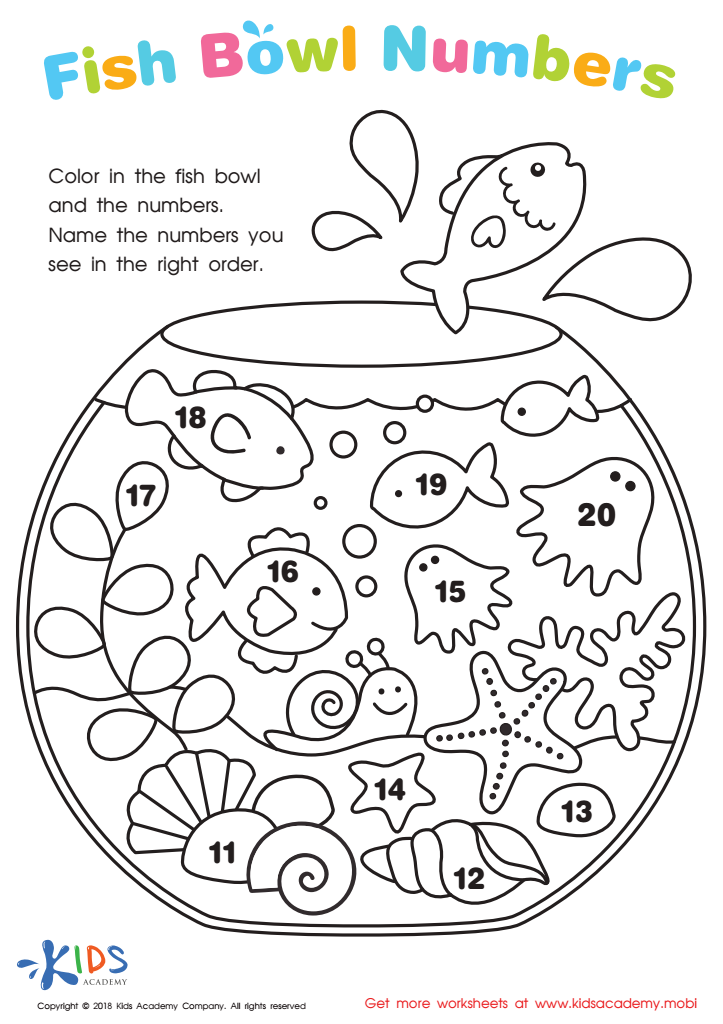
Fish Bowl Numbers Worksheet
Assign to My Students






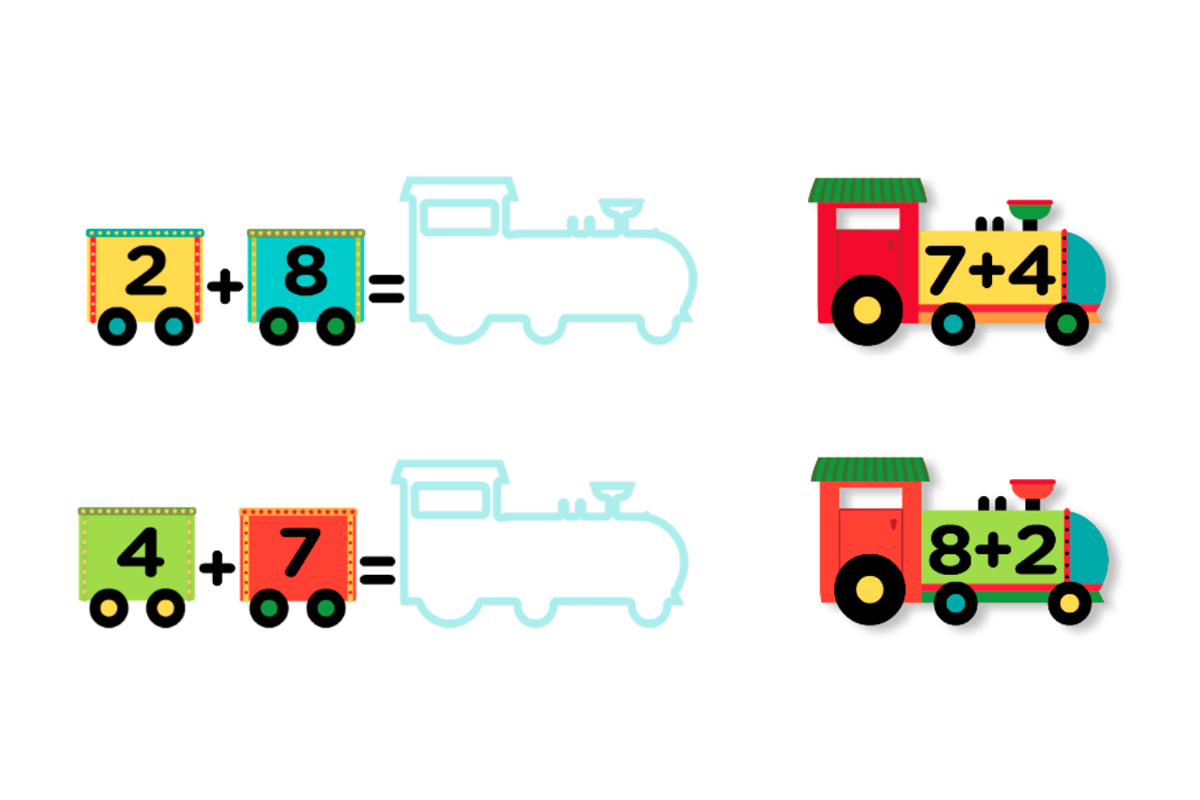

Developing strong counting skills in children ages 3-9 is fundamentally important for their overall mathematical understanding and future academic success. Parents and teachers should particularly focus on these skills, including providing extra challenges, because they form the foundation of basic numeracy.
Counting competence allows children to grasp more complex mathematical concepts such as addition, subtraction, and eventually multiplication and division. By extending counting challenges, such as counting by twos or tens or introducing early concepts of place value, it enhances cognitive development and problem-solving skills. These resources encourage critical thinking by prompting children to recognize patterns and sequences, thus strengthening their logical reasoning abilities.
Furthermore, enhancing counting skills has practical benefits. It helps children understand everyday activities such as measuring ingredients, telling time, and handling money. It builds their confidence as they become competent with numbers and sets a positive attitude towards math learning.
For parents and teachers, focusing on counting skills with extra challenges means engaging children with varied and stimulating activities that are age-appropriate yet thought-provoking, ensuring a robust early mathematics foundation. This, in turn, supports success in subsequent academic pursuits, providing a smoother transition to higher levels of education where intricate mathematical concepts emerge.