Visual perception Extra Challenge Math Worksheets for Ages 3-9
9 filtered results
-
From - To
Discover the joy of learning through our Visual Perception Extra Challenge Math Worksheets, specially designed for ages 3-9. These engaging activities sharpen visual discrimination and math skills in a fun, interactive way. With vibrant illustrations and challenging tasks, children can explore patterns, shapes, numbers, and more. Perfect for encouraging critical thinking and cognitive development, these worksheets cater to various skill levels, ensuring each child finds the right balance of challenge and support. Ideal for at-home practice or classroom enrichment, our math worksheets foster essential learning skills and a love for math. Start building brighter minds today!
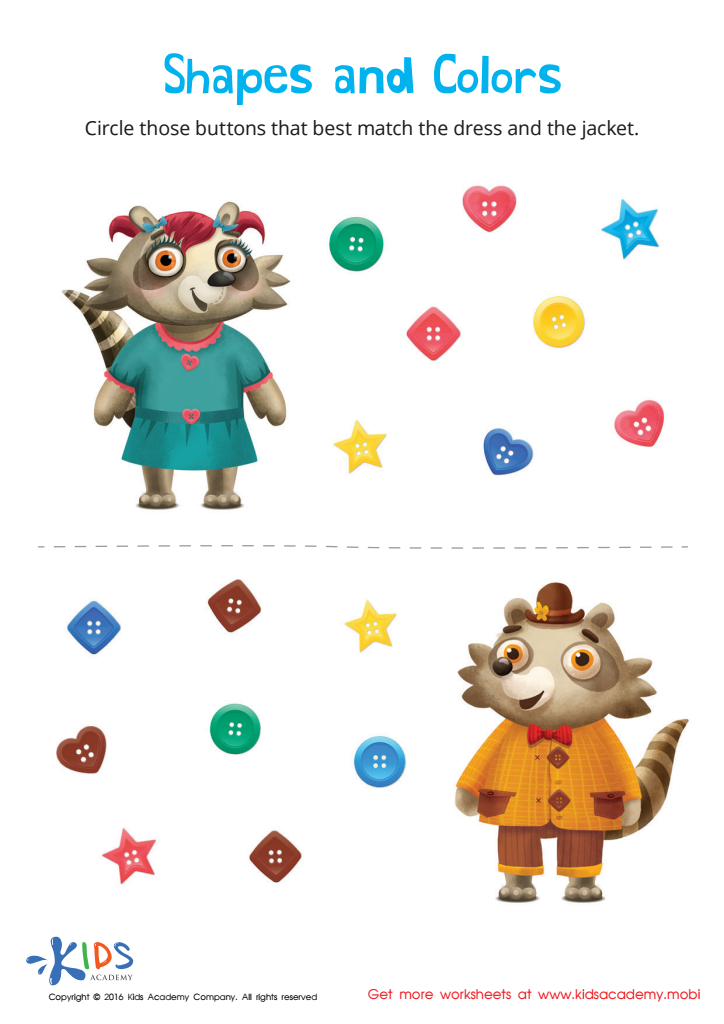
Matching: Shapes and Colors Worksheet
 Assign to My Students
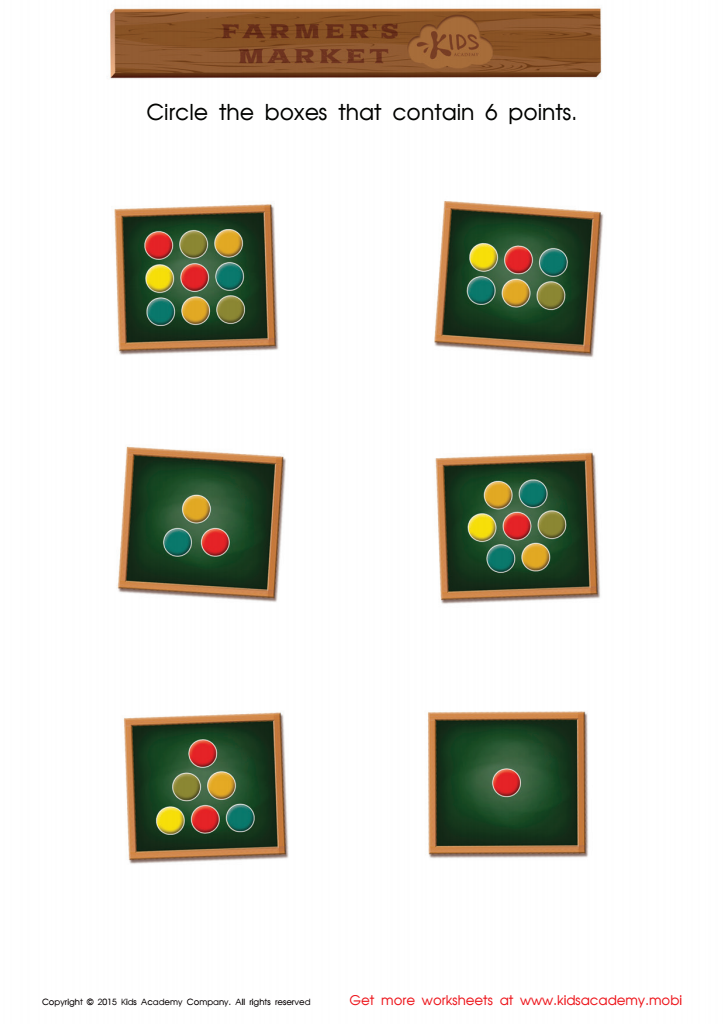
Count and Match Points 6 Math Worksheet
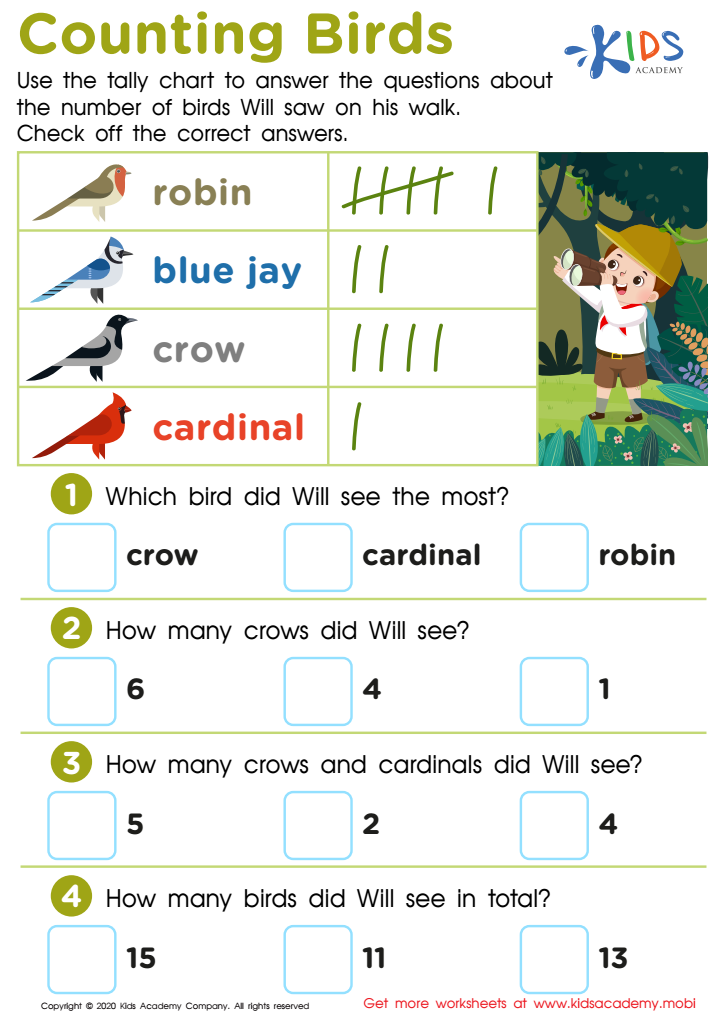
Counting Birds Worksheet
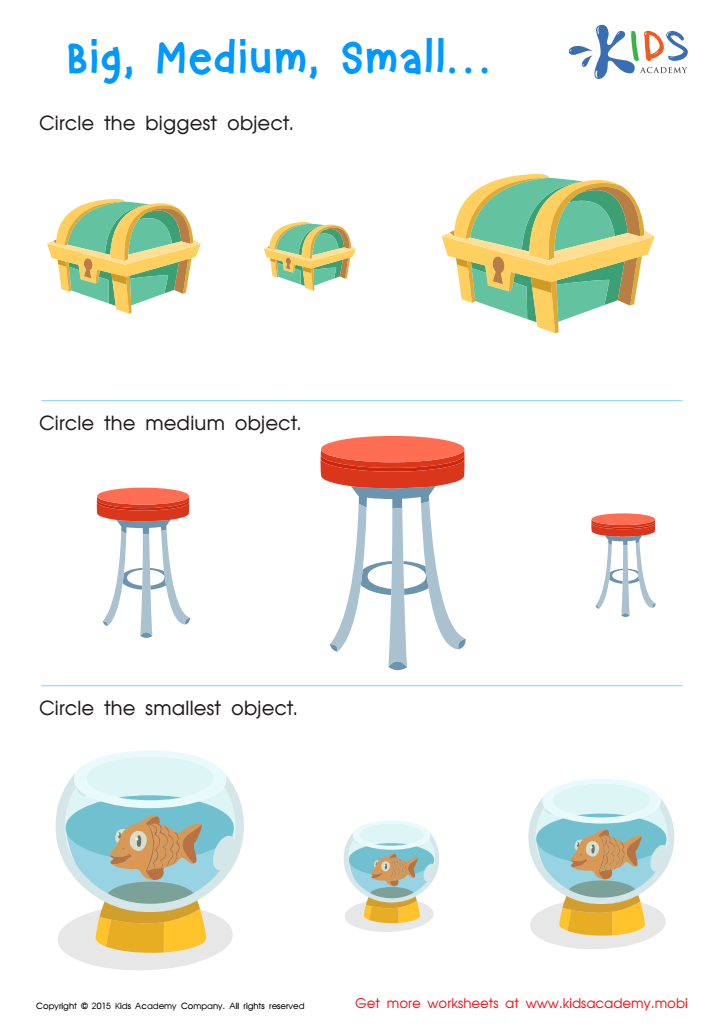
Big Medium Small Worksheet
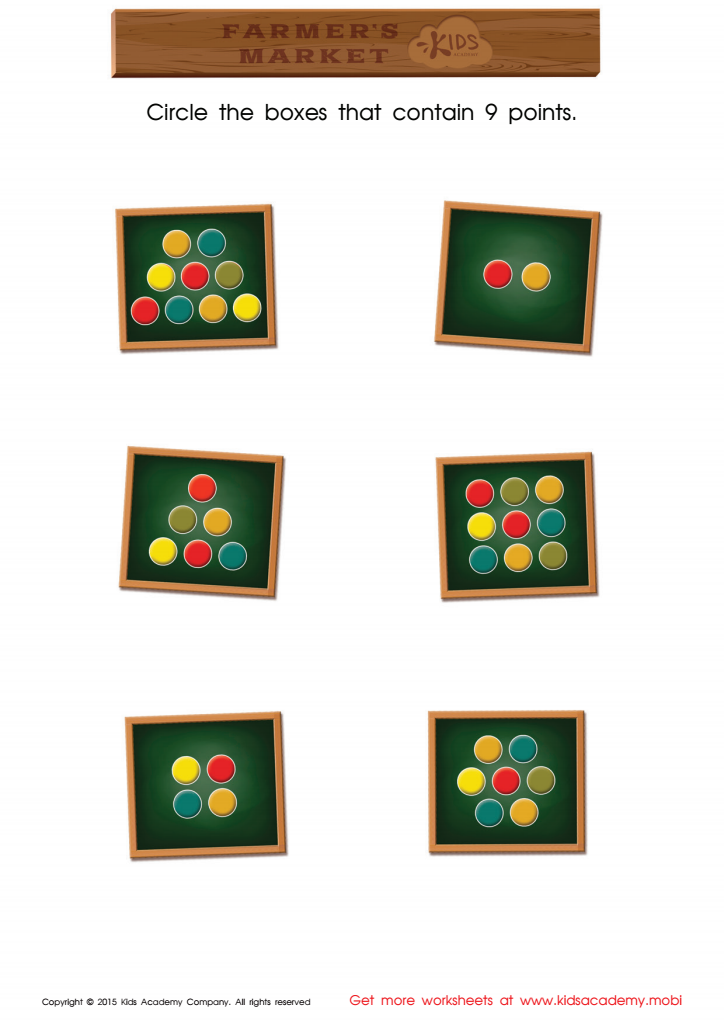
Count and Match Points 9 Math Worksheet
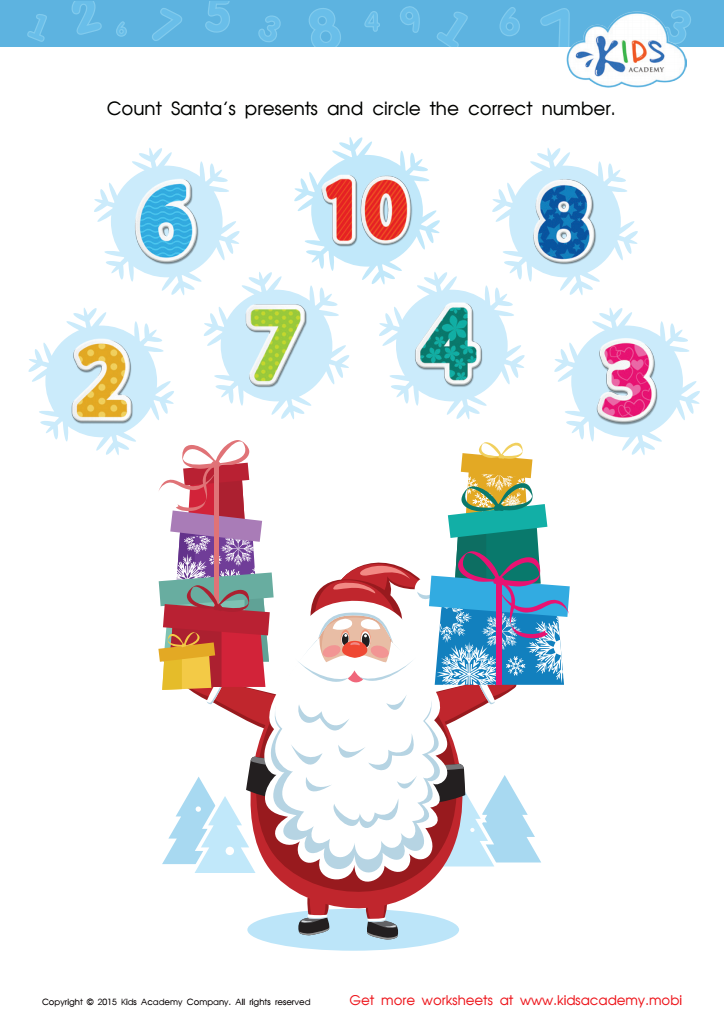
Count Santa's Presents Worksheet
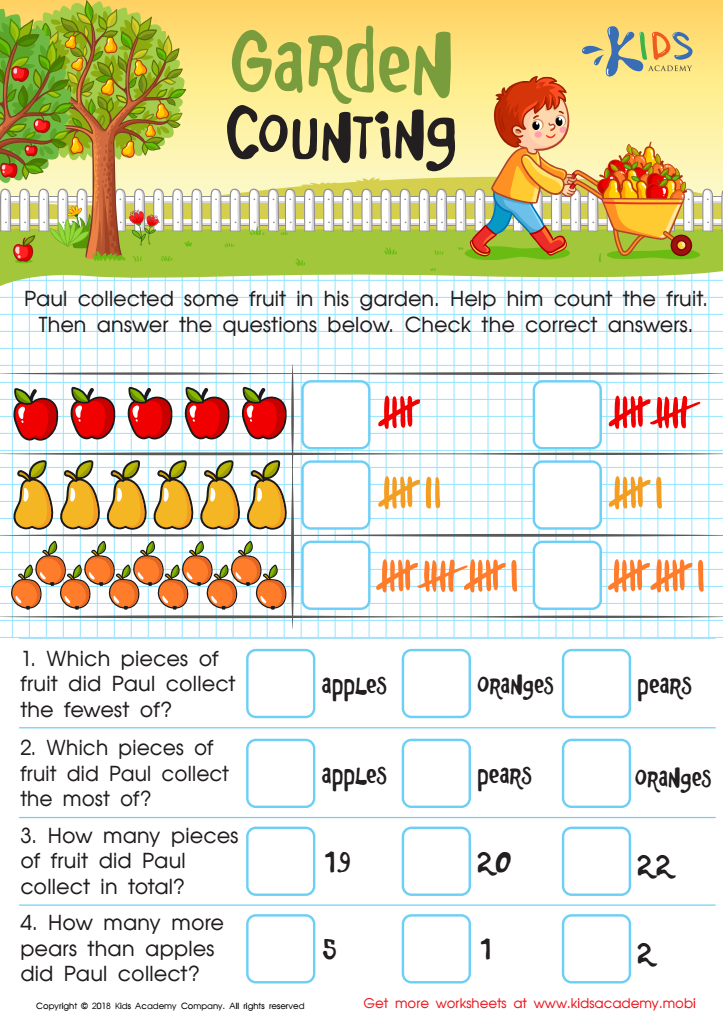
Garden Counting Worksheet
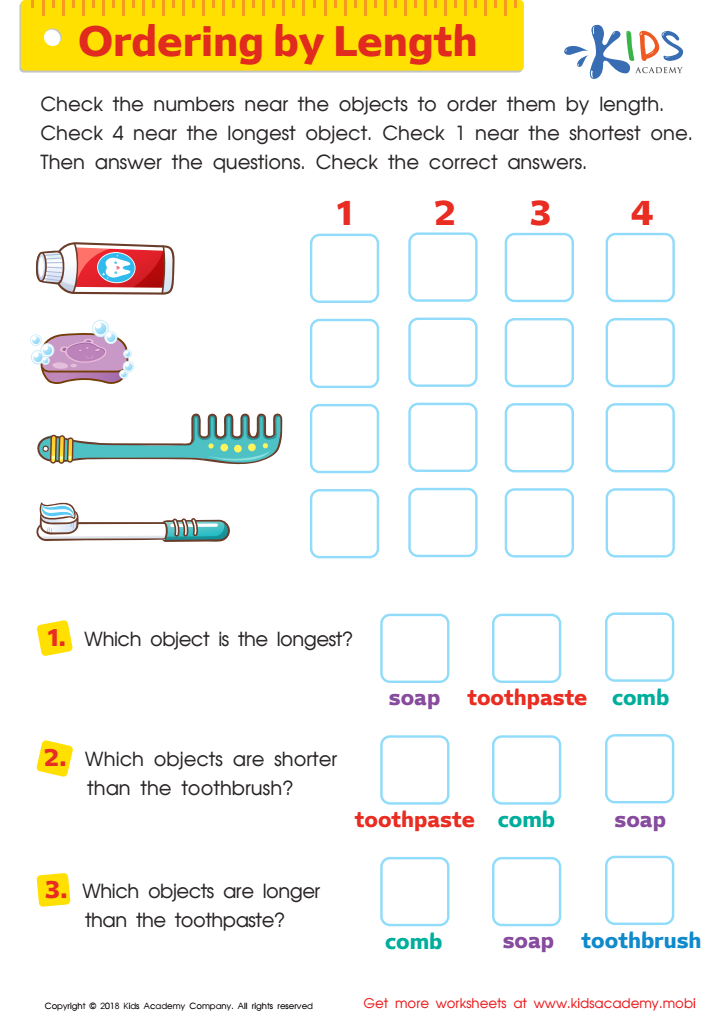
Ordering by Length Worksheet

Classifying by Size Sorting Worksheet








Visual perception is crucial for young learners as it enhances their ability to distinguish, process, and encode visual information from their environment. Introducing Extra Challenge Math for ages 3-9 that involves visual perception offers an array of compelling benefits for children.
Firstly, it sharpens cognitive skills essential for academic success. Ages 3-9 are formative years when children develop fundamental capacities like attention, memory, and problem-solving. Engaging in visual perception activities helps bolster these skills, laying a strong foundation for future learning and critical thinking.
Secondly, visual perception challenges in math can improve spatial awareness. Understanding and interpreting shapes, sizes, patterns, and the relationships between objects are foundational skills in geometry and various other mathematical domains. Early competence here can ease their later transitions to more complex mathematical concepts.
Moreover, integrating extra challenge math activities promotes adaptability and resilience. When children are presented with fun, yet challenging tasks, they learn to handle difficulties and develop a growth mindset. This builds their confidence and fosters a positive attitude towards learning.
Lastly, these activities support motor skills development, particularly fine motor coordination, as children manipulate objects and interact with visual displays. Hence, parents and teachers should prioritize visual perception math challenges to ensure a holistic approach to their developmental and educational journey.








