Fine Motor Skills Extra Challenge Alphabet Worksheets for 3-Year-Olds
8 filtered results
-
From - To
Introducing Fine Motor Skills Extra Challenge Alphabet Worksheets for 3-Year-Olds! These expertly crafted worksheets from Kids Academy are designed to enhance your child's alphabet recognition while simultaneously refining their fine motor skills. Ideal for little learners, each page offers unique, engaging activities that help strengthen hand-eye coordination, dexterity, and pencil control. From tracing letters to matching games, these challenging yet enjoyable exercises foster early literacy and motor abilities in a playful manner. Give your 3-year-old the extra boost they need for kindergarten readiness with these innovative, fun, and educational worksheets! Perfect for home or classroom use.
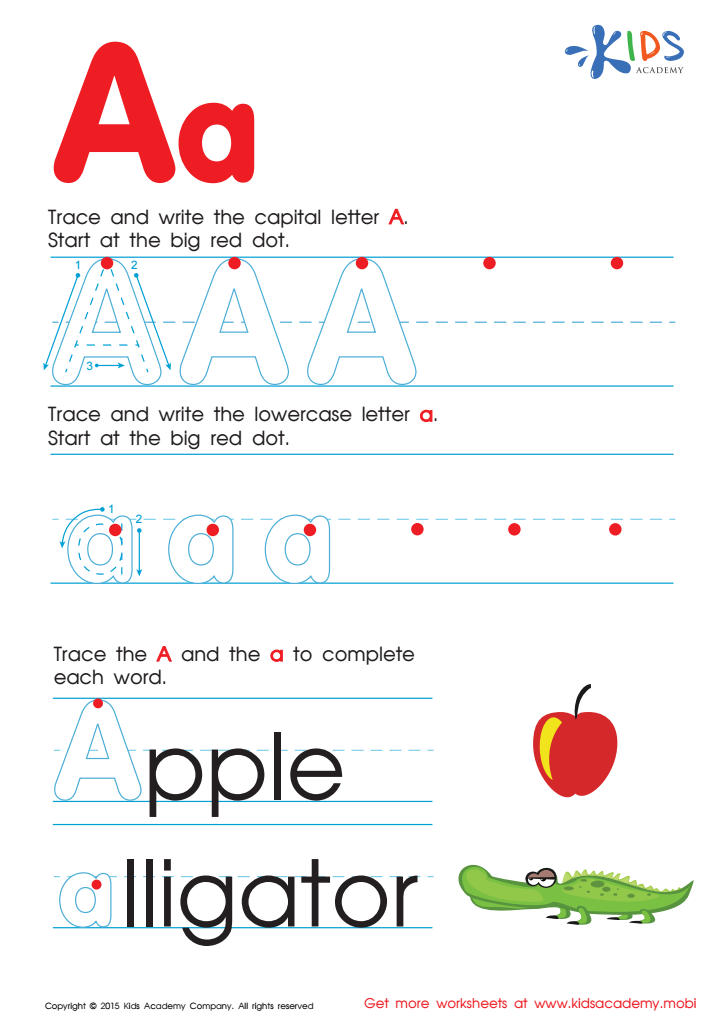
Letter A Tracing Page
 Assign to My Students
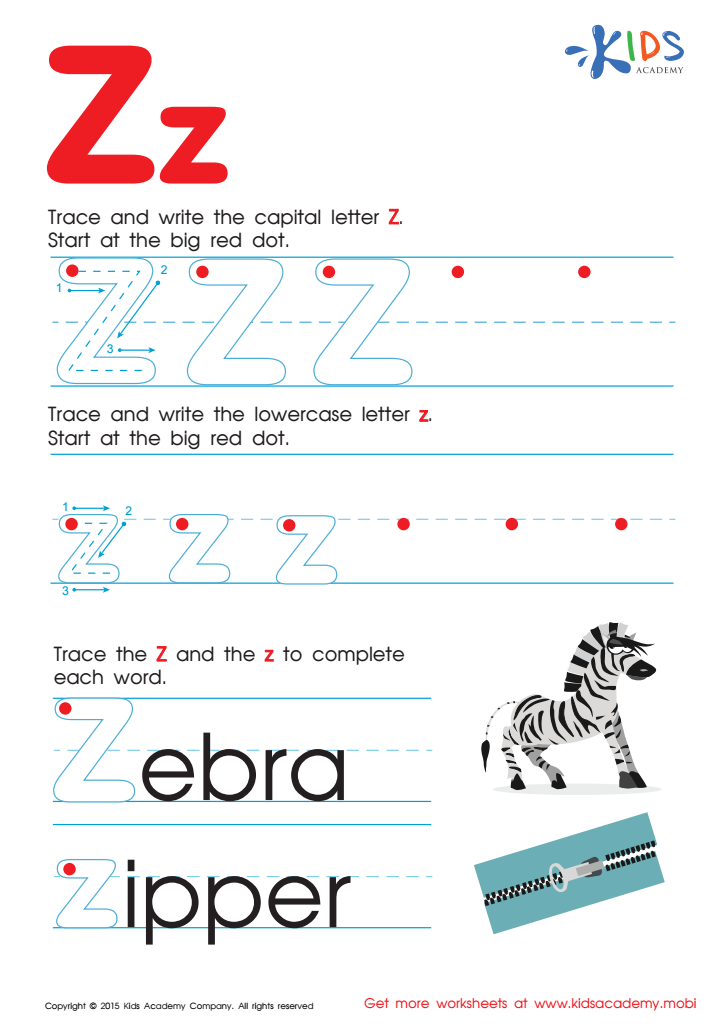
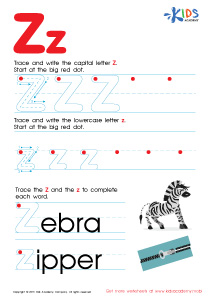
Letter Z Tracing Page

Baa Baa Black Sheep Printable
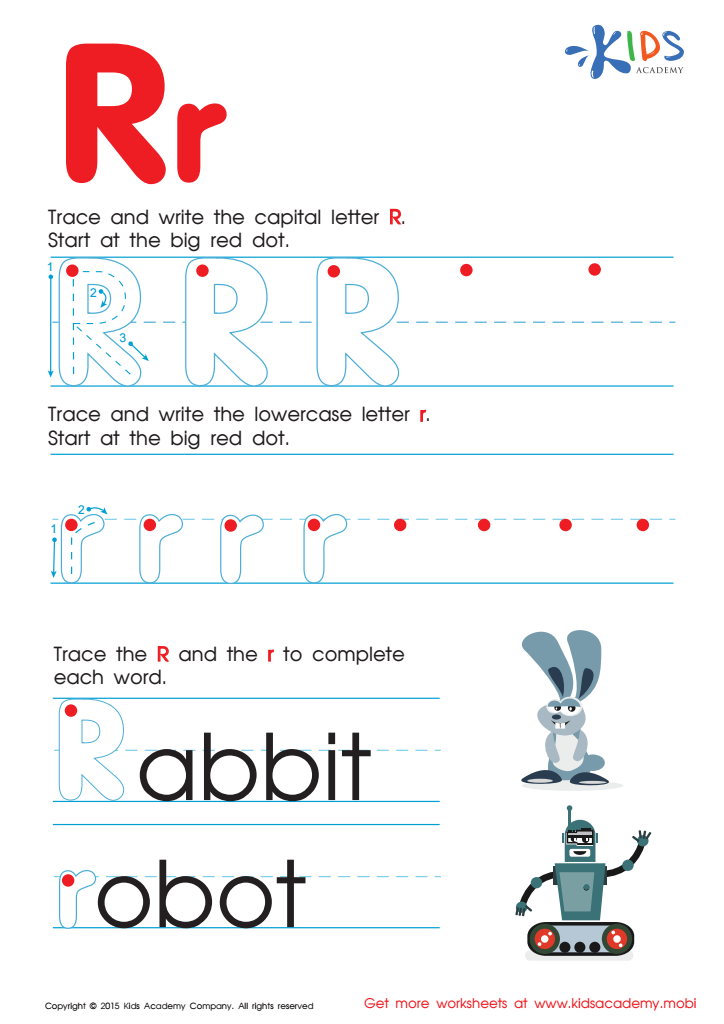
Letter R Tracing Page
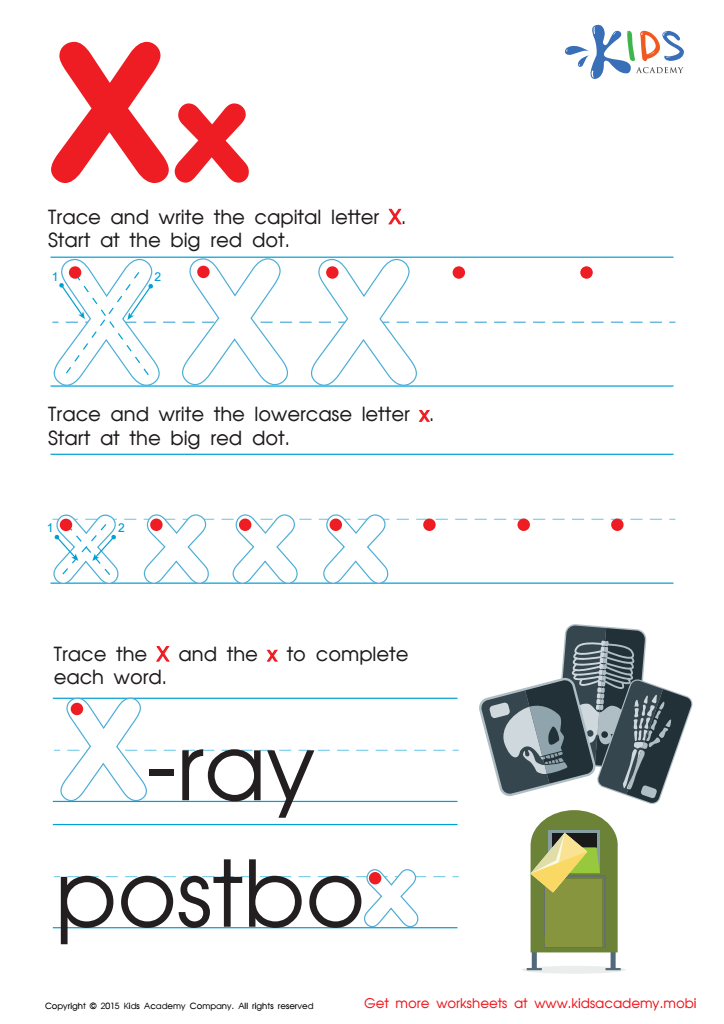
Letter X Tracing Page
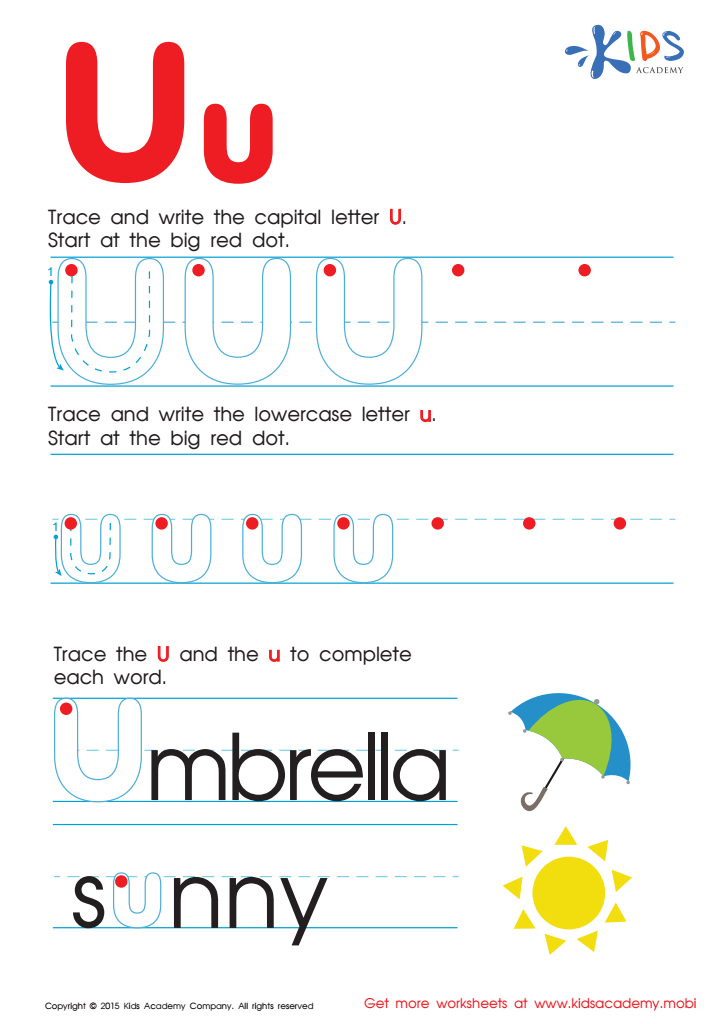
Letter U Tracing Page
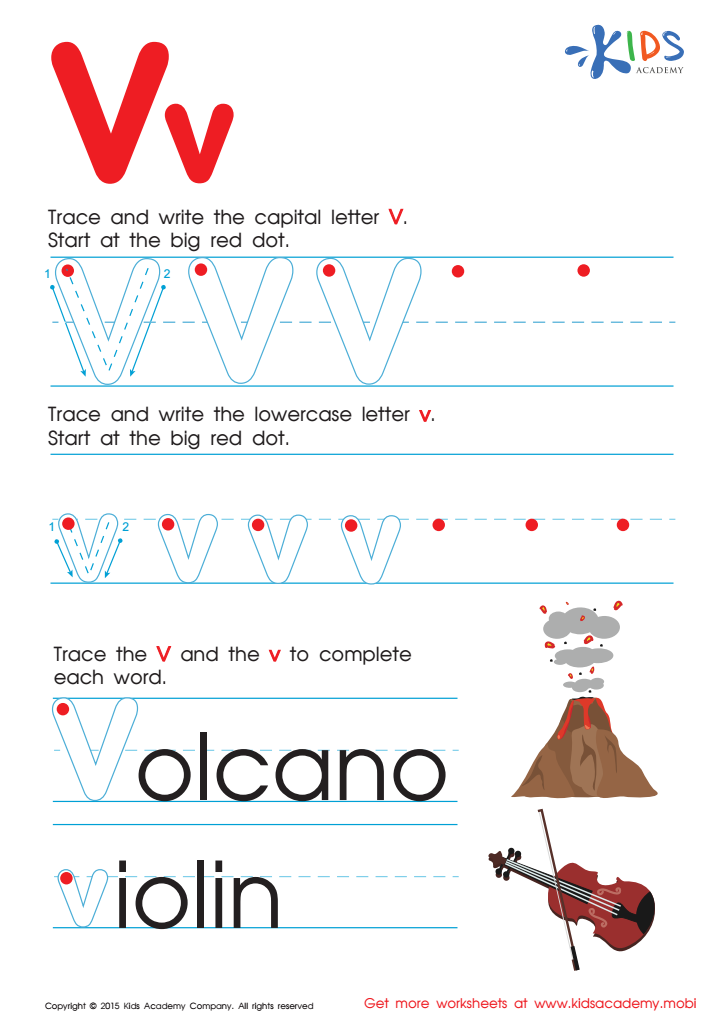
Letter V Tracing Page

Letter T Tracing Page







Parents and teachers should prioritize the development of fine motor skills in three-year-olds through activities like the Fine Motor Skills Extra Challenge Alphabet, as these skills are crucial for early childhood development and later academic success. Fine motor skills involve the coordination of small muscles in the hands and fingers, which are essential for tasks such as writing, buttoning clothes, and using utensils.
Implementing an alphabet-focused challenge provides dual benefits. First, it reinforces letter recognition and early literacy skills, laying a foundational understanding for reading and writing. Engaging with alphabet activities also sparks an early interest in learning, making education enjoyable and stimulating for young minds.
Second, these activities hone dexterity and hand-eye coordination. Drawing letters, threading beads shaped like letters, or tracing alphabets require precision and control, which strengthen the tiny muscles in a child’s hands. This preparation is crucial as children approach school age when fine motor skills become necessary for everyday classroom tasks.
Moreover, targeted activities can identify early on if a child has difficulties that may benefit from additional support, thereby addressing potential challenges before they become obstacles in later learning. By integrating alphabet-based fine motor activities, parents and teachers can foster a well-rounded development that enhances both cognitive and physical growth in young children.