Counting skills Extra Challenge Worksheets for 3-Year-Olds - Page 2
27 filtered results
-
From - To
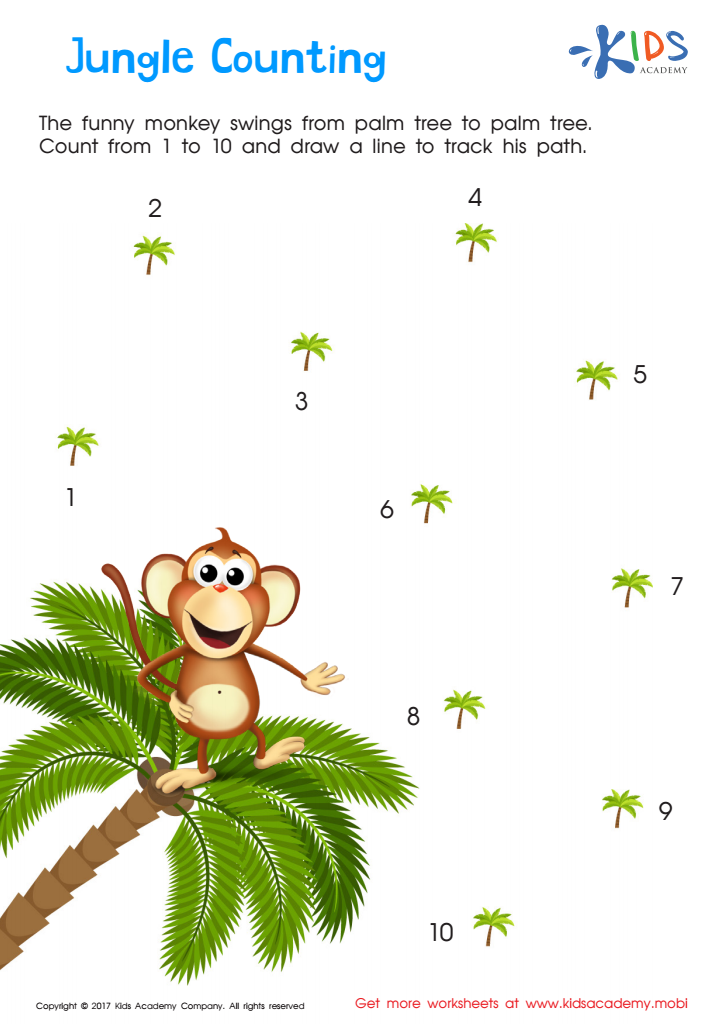
Jungle Counting Connect Dots Worksheet
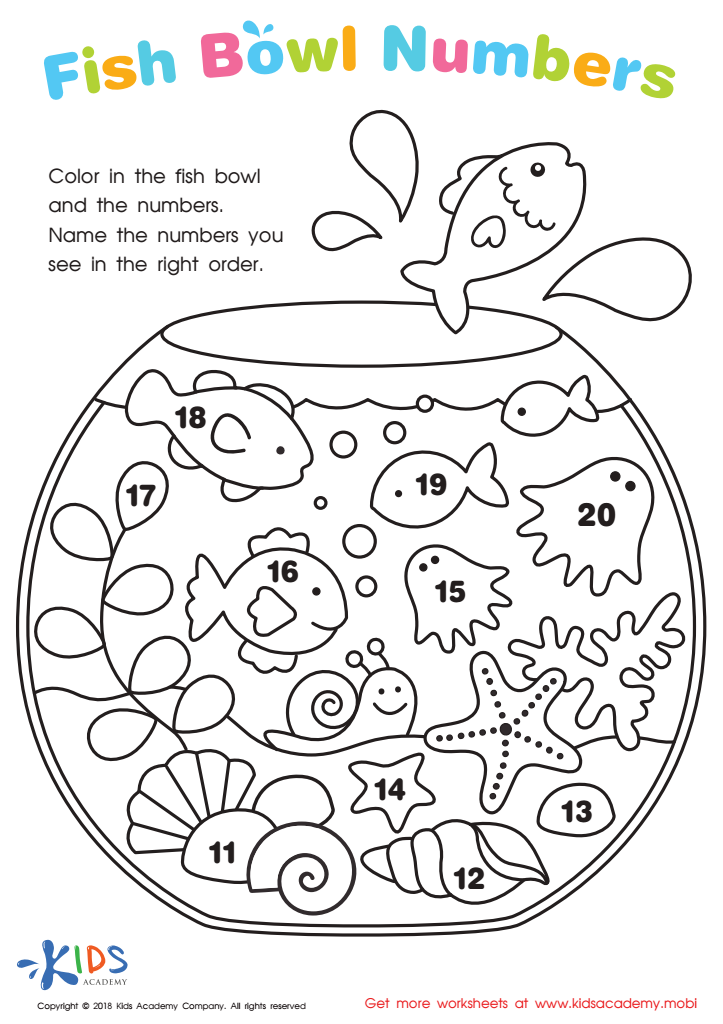
Fish Bowl Numbers Worksheet
 Assign to My Students
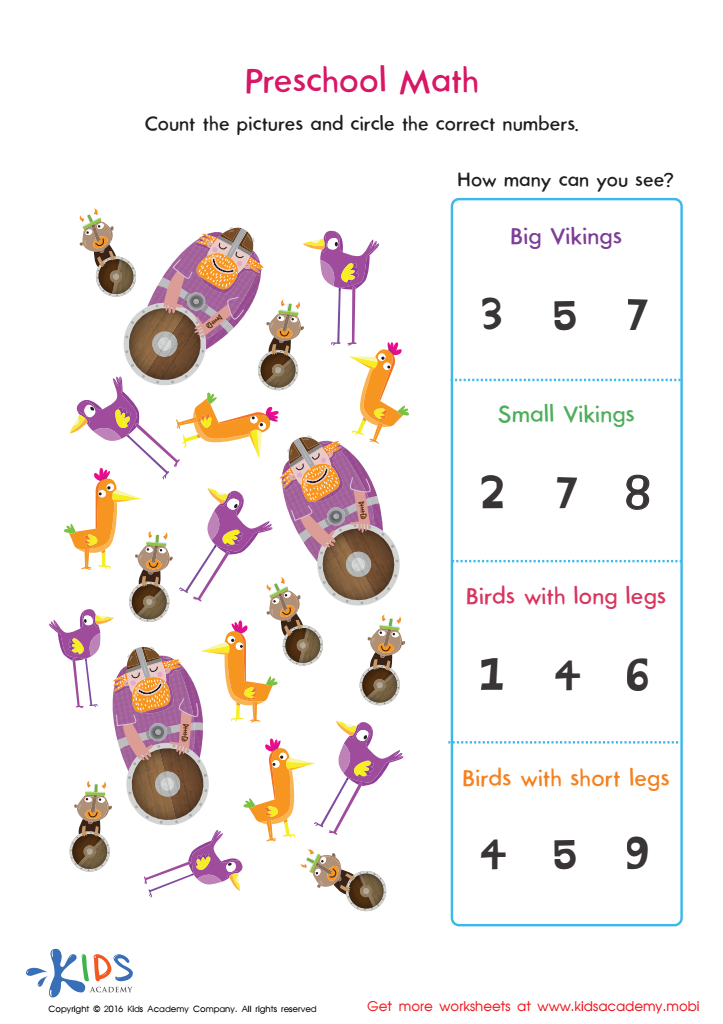




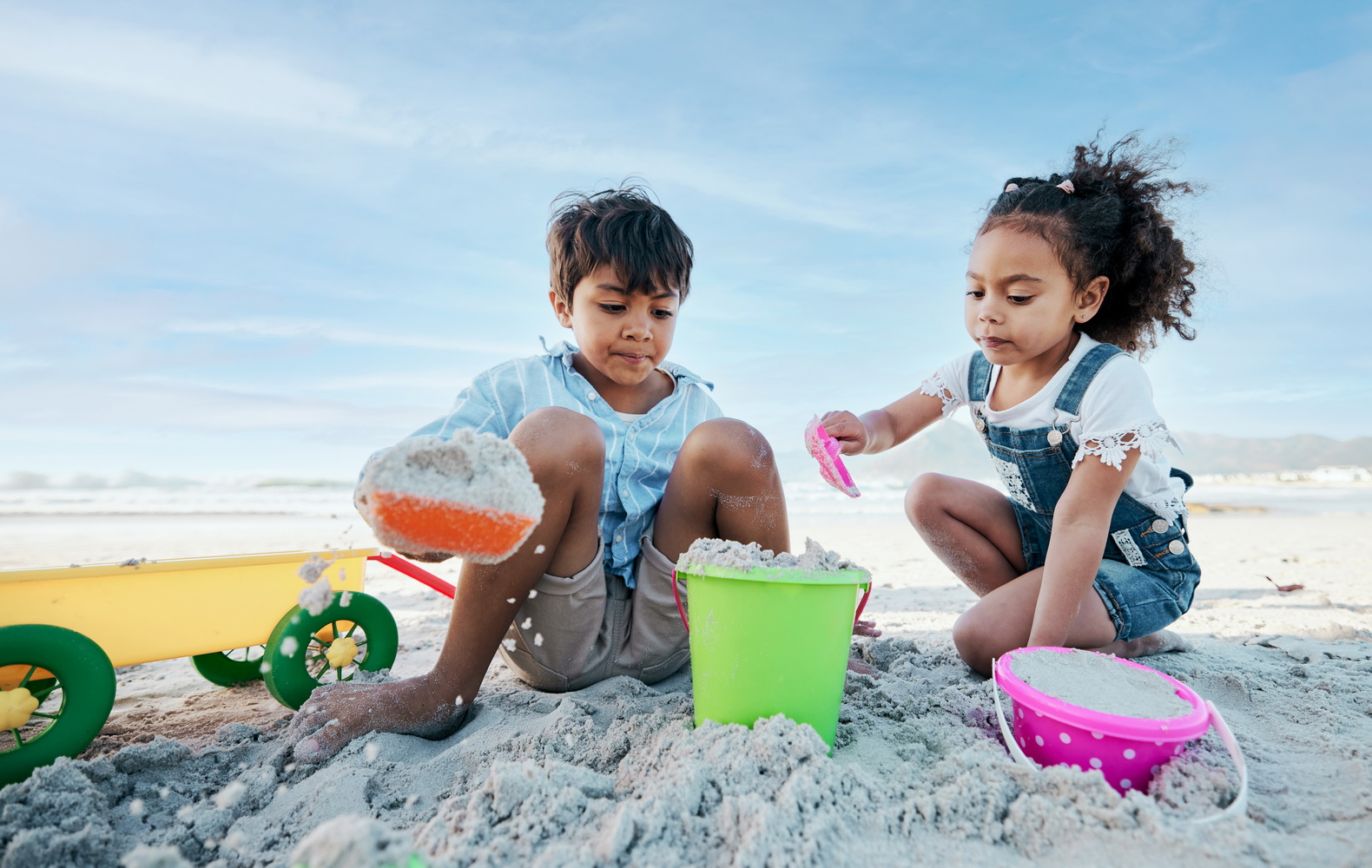


Counting skills are foundational for young learners, making it essential for parents and teachers to prioritize and nurture these abilities in 3-year-olds. At this age, children are naturally curious and eager to explore the world around them, which presents a crucial opportunity to introduce counting concepts. Early counting practice enhances cognitive development and builds strong numeracy skills that will benefit children across various academic subjects later in life.
Engaging children in counting activities fosters both mathematical understanding and critical thinking. When children count objects or actions in their environment, they develop one-to-one correspondence and basic number sense, which are vital for future math success. Furthermore, such skills promote pattern recognition and problem-solving abilities.
Introducing counting as a playful, interactive activity also supports children’s social and emotional development. It encourages collaboration and communication during group activities and facilitates turn-taking during counting games, reinforcing teamwork and patience.
In conclusion, investing time in developing counting skills sets the stage for lifelong learning and confidence in math. Parents and teachers should actively incorporate counting challenges into play and everyday routines, ensuring that children cultivate a positive relationship with numbers from a young age.








