Story sequencing Extra Challenge Reading Comprehension Worksheets for 3-Year-Olds
3 filtered results
-
From - To
Discover our "Story Sequencing Extra Challenge Reading Comprehension Worksheets for 3-Year-Olds," designed to enhance young children's understanding of narrative structure. These engaging worksheets encourage preschoolers to visualize and arrange story events in the correct order, fostering critical thinking and cognitive skills. With colorful illustrations and simple language, they captivate young learners while promoting literacy and creativity. Perfect for classrooms or home learning, our extra challenge worksheets provide an opportunity for children to dive deeper into storytelling, helping them connect ideas and enhance their comprehension. Make learning fun and interactive with these invaluable resources tailored for developing minds. Explore today!
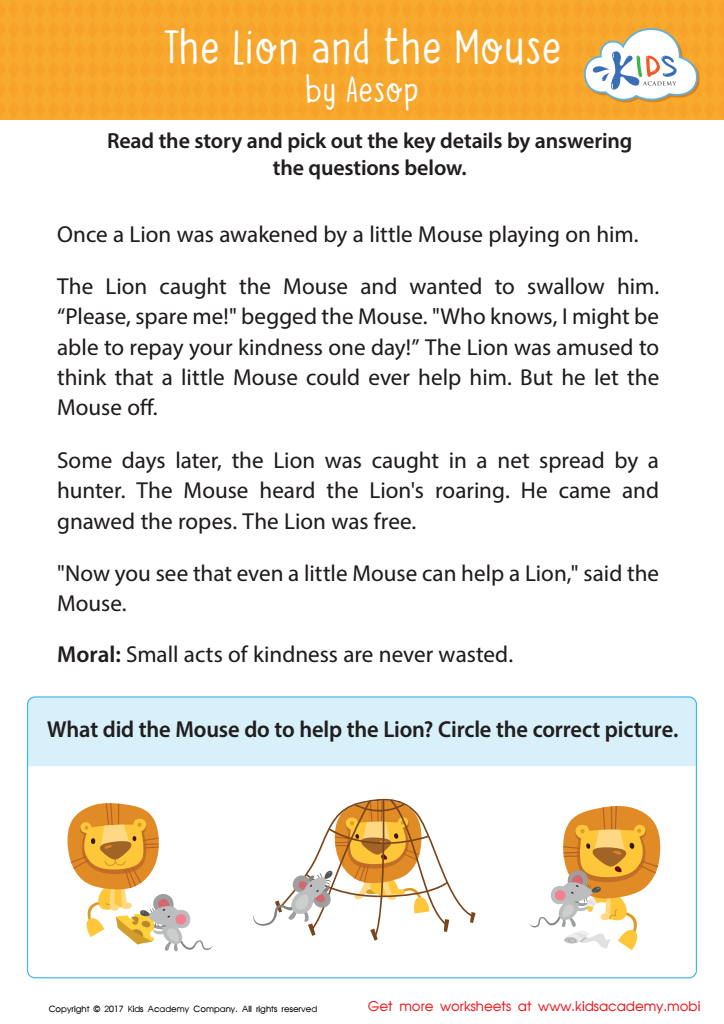
The Lion and The Mouse Sequencing Worksheet
 Assign to My Students
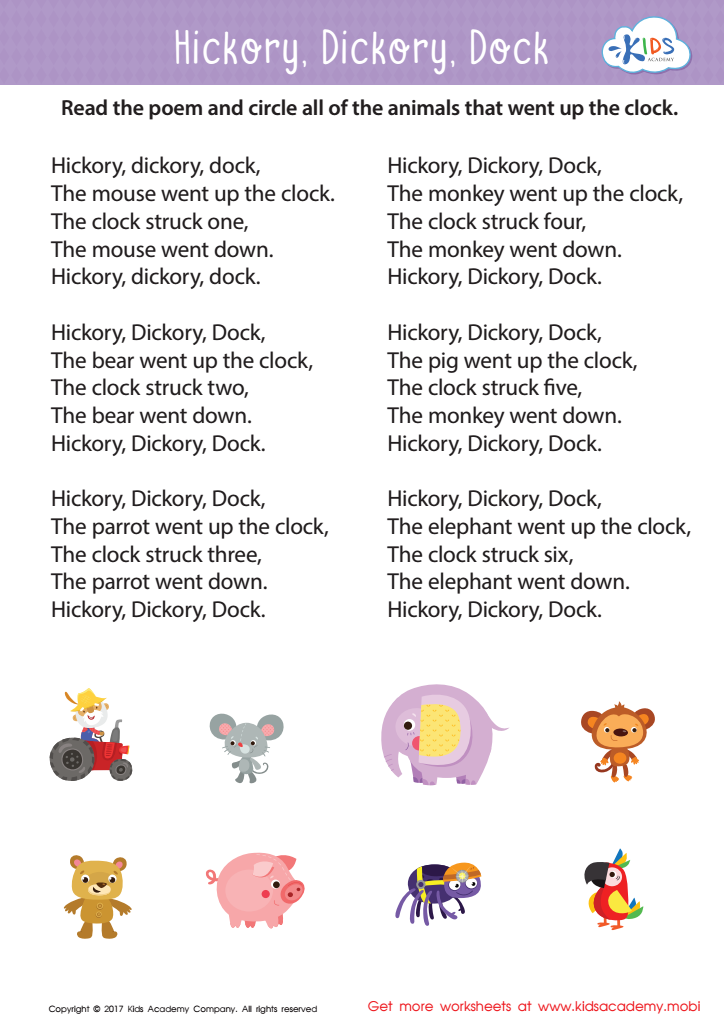
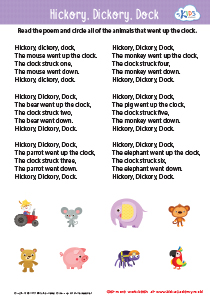
Hickory Dickory Dock Sequencing Worksheet
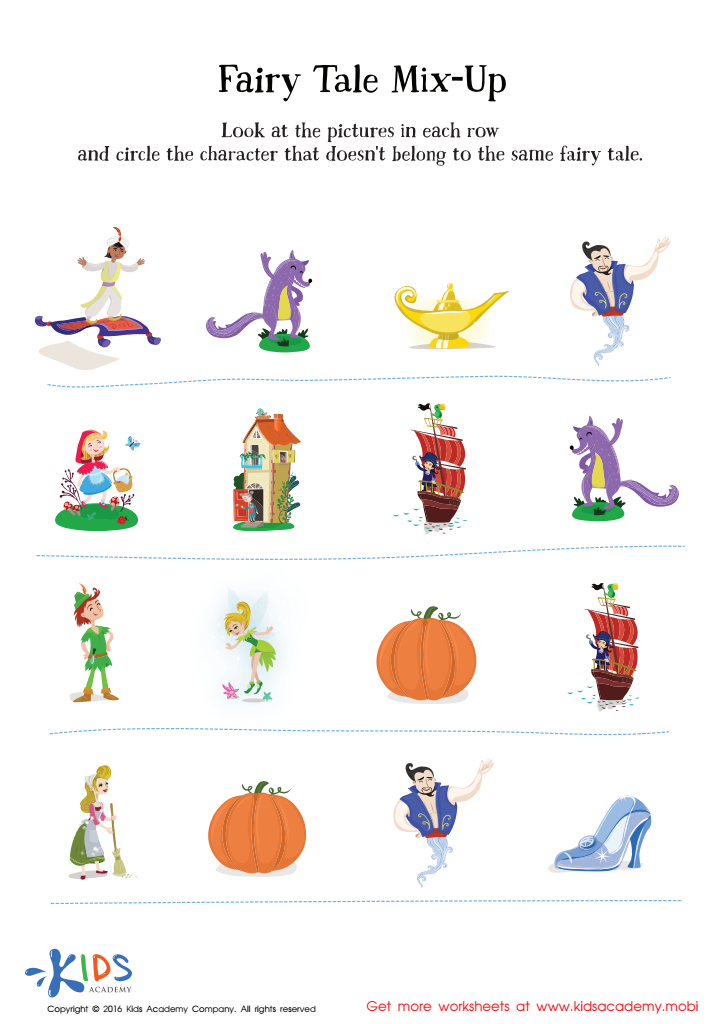
Fairy Tale Worksheet: Story Mix Up








Story sequencing is a crucial aspect of early reading comprehension, especially for 3-year-olds. Engaging in story sequencing activities enhances a child's ability to understand narrative structure, which is essential for coherent storytelling and comprehension. When parents and teachers focus on this skill, they help children recognize the order of events in a story, honing their cognitive skills and memory retention.
This activity encourages critical thinking, as children learn to identify main ideas and the relationships between events. It fosters language development, expanding vocabulary as children articulate their thoughts about what happens first, next, and last. Furthermore, story sequencing nurtures listening and verbal skills, as kids practice recounting stories and discussing them, essential for social interactions.
Early competence in sequencing lays the foundation for more complex literacy skills. Additionally, it's a fun and engaging way to promote literacy through play, helping to instill a love for reading from an early age.
When parents and teachers integrate story sequencing into daily activities, they enrich the learning experience, creating enthusiastic readers who can express themselves clearly and openly understand narratives. In doing so, they set children on a path to academic success and critical thinking, which benefits them well beyond the early years.