Visual perception Extra Challenge Worksheets for Ages 4-5
6 filtered results
-
From - To
Discover our "Visual Perception Extra Challenge Worksheets for Ages 4-5", designed to enhance your child's observational skills and cognitive abilities. Perfect for preschoolers, these engaging worksheets feature fun activities that encourage young learners to identify shapes, patterns, and colors, promoting visual discrimination. These challenges not only captivate your child's interest but also support crucial developmental milestones, preparing them for future learning environments. Each worksheet is thoughtfully crafted to make learning enjoyable while fostering critical thinking skills. Give your child the tools to thrive with our creative and stimulating visual perception worksheets, making screen-free time both educational and fun!
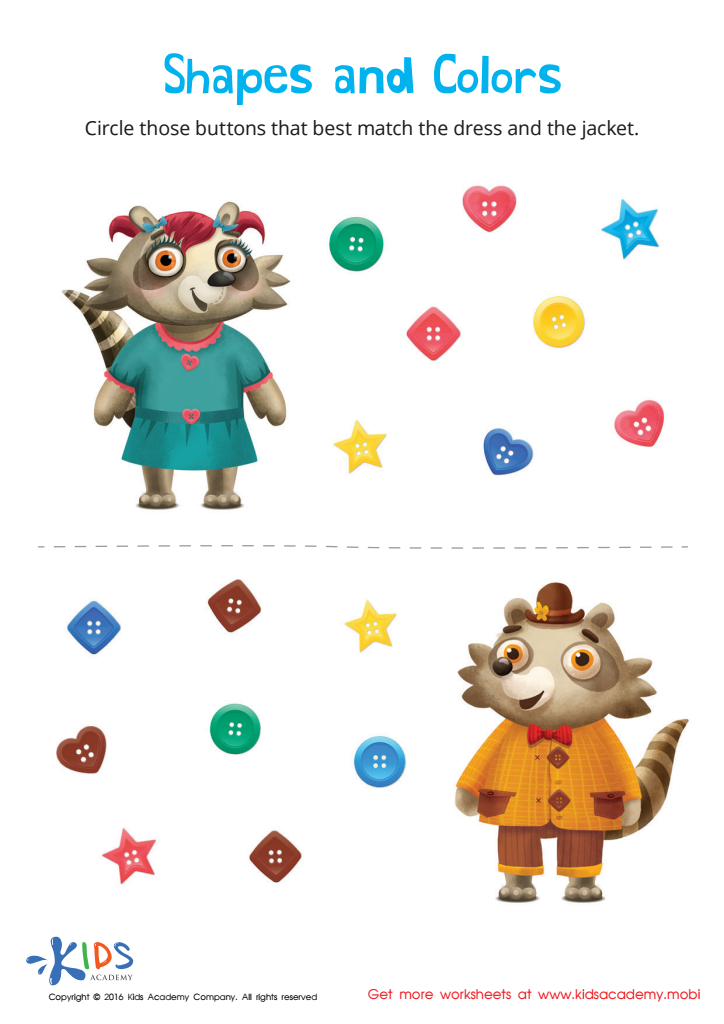
Matching: Shapes and Colors Worksheet
 Assign to My Students
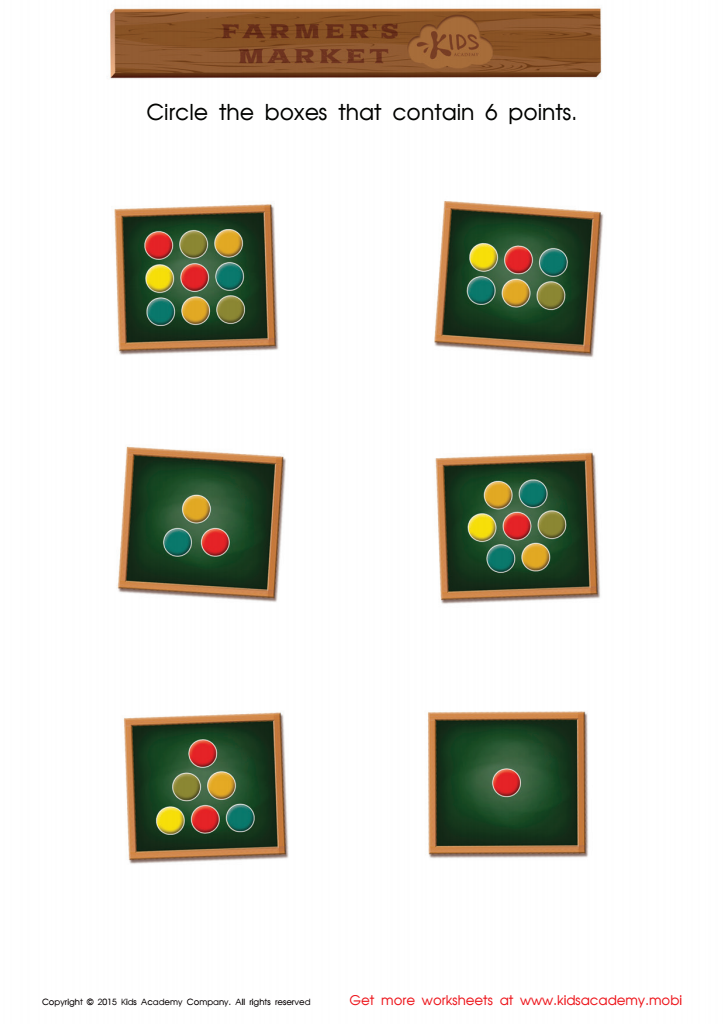
Count and Match Points 6 Math Worksheet
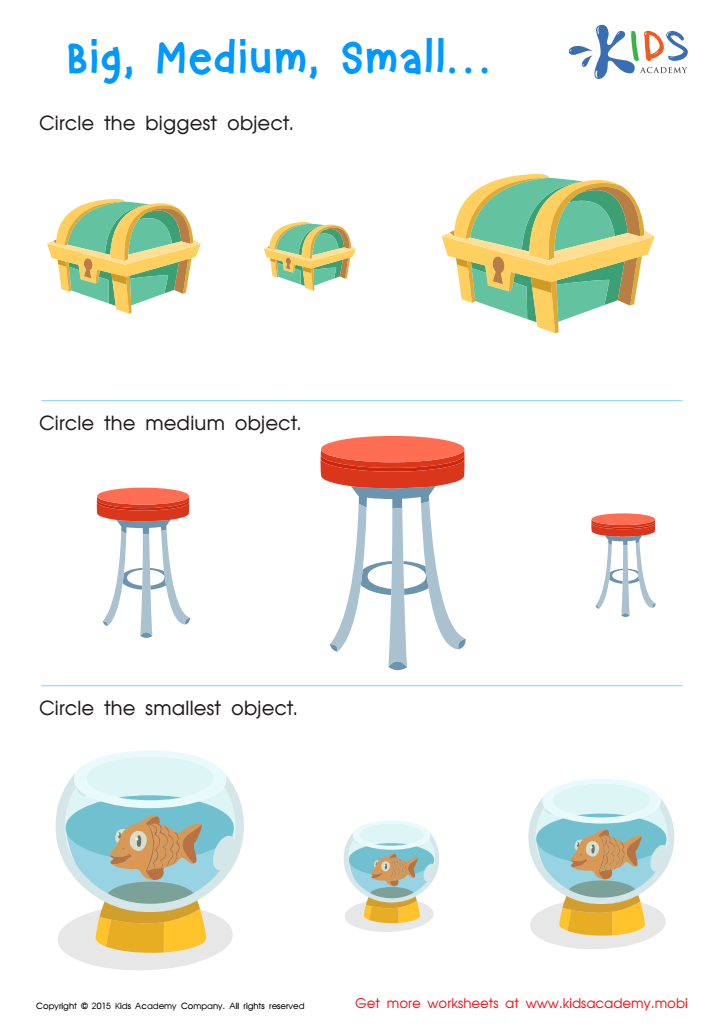
Big Medium Small Worksheet
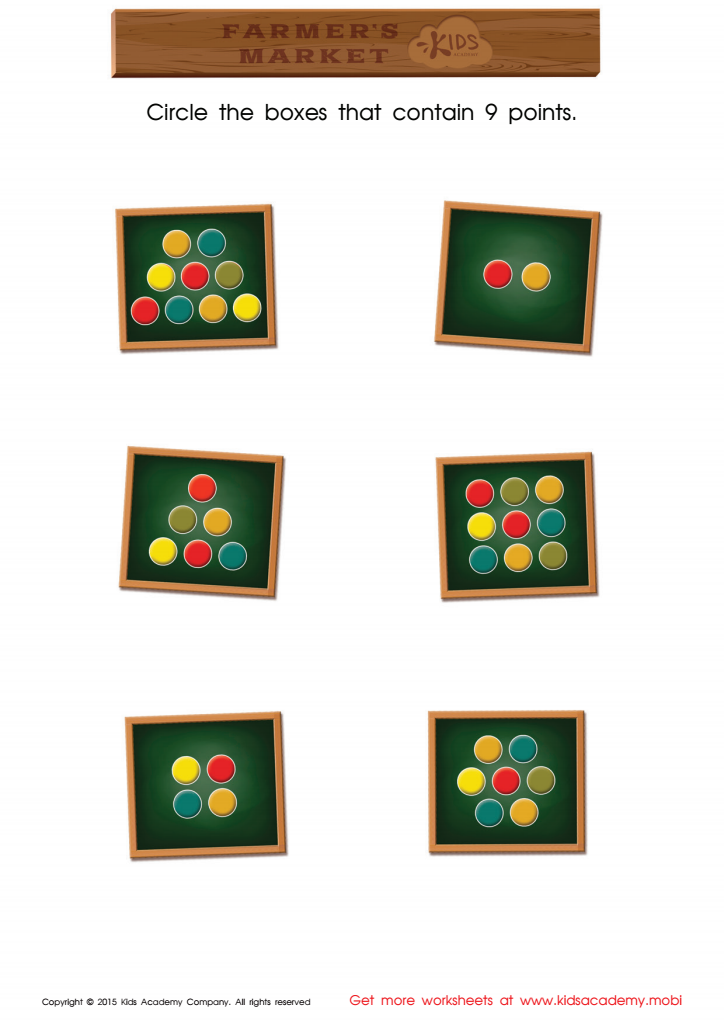
Count and Match Points 9 Math Worksheet
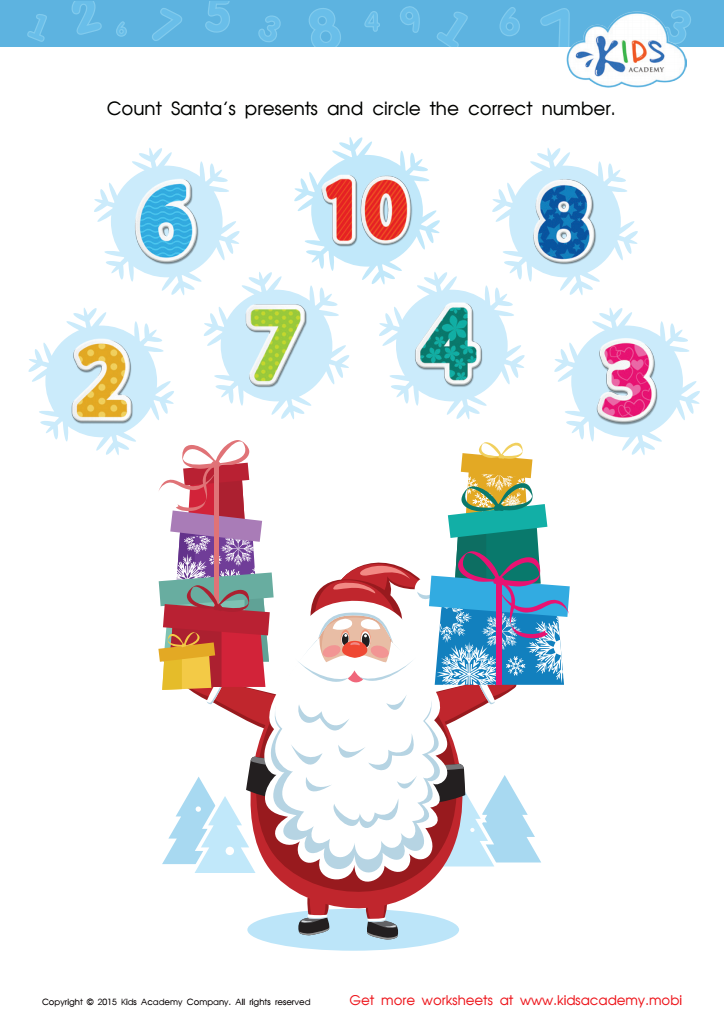
Count Santa's Presents Worksheet
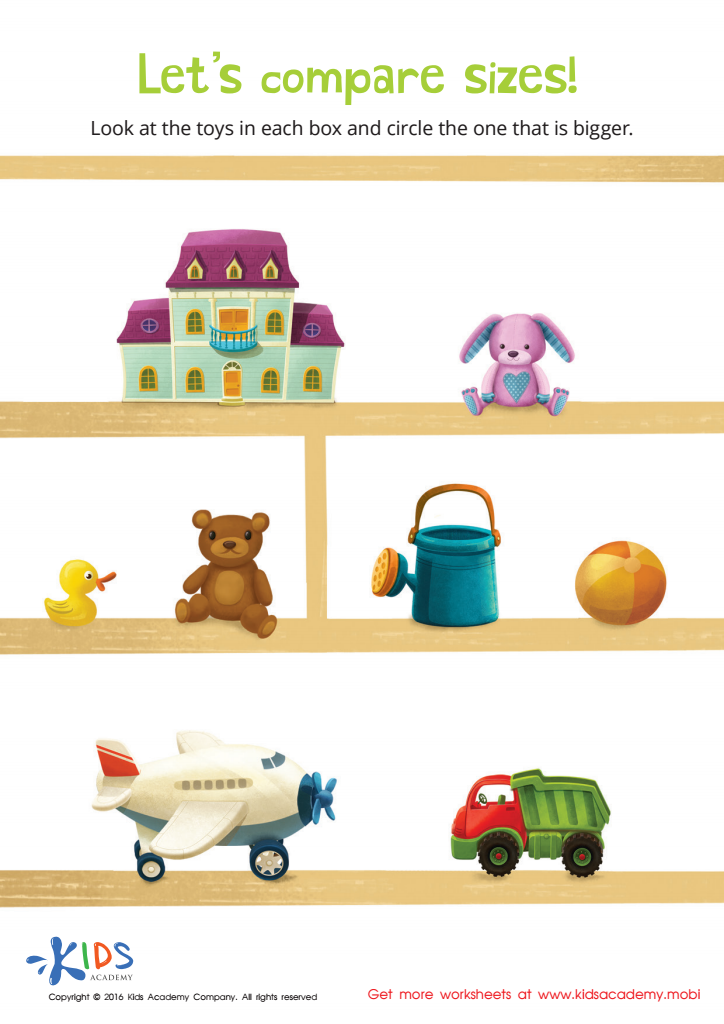
Classifying by Size Sorting Worksheet






Visual perception is a crucial skill for young children as it forms the foundation for their learning and development. For parents and teachers of children ages 4-5, understanding and nurturing visual perception skills is essential for several reasons.
Firstly, visual perception aids in recognizing and interpreting shapes, colors, and patterns, which are fundamental to early literacy and numeracy skills. When children can accurately identify visual details, they are better equipped to read letters, numbers, and understand spatial relationships.
Additionally, strong visual perception impacts a child’s ability to follow directions and complete tasks, both academically and socially. Activities that involve sorting, matching, and puzzle solving enhance cognitive abilities and encourage problem-solving skills.
Moreover, visual perception directly influences self-confidence. When children successfully complete tasks and engage in play, it fosters a sense of achievement and motivates them to participate in new learning experiences.
By incorporating extra challenges that stimulate visual perception—like finding differences in pictures or completing jigsaw puzzles—parents and teachers not only make learning engaging but also support children in developing critical thinking and fine motor skills. Ultimately, nurturing these skills sets a solid groundwork for lifelong learning and success.








