Matching skills Extra Challenge Math Worksheets for Ages 4-5
4 filtered results
-
From - To
Enhance your child's learning journey with our Matching Skills Extra Challenge Math Worksheets designed for ages 4-5. These worksheets provide engaging and educational activities to develop essential early math and matching skills through fun, challenging exercises. Perfect for young learners, each worksheet fosters critical thinking, attention to detail, and problem-solving abilities. Ideal for both classroom and at-home learning, these activities aim to improve pattern recognition, hand-eye coordination, and cognitive development. Give your preschooler or kindergartener the extra challenge they need to thrive with these carefully curated printable worksheets from Kids Academy.
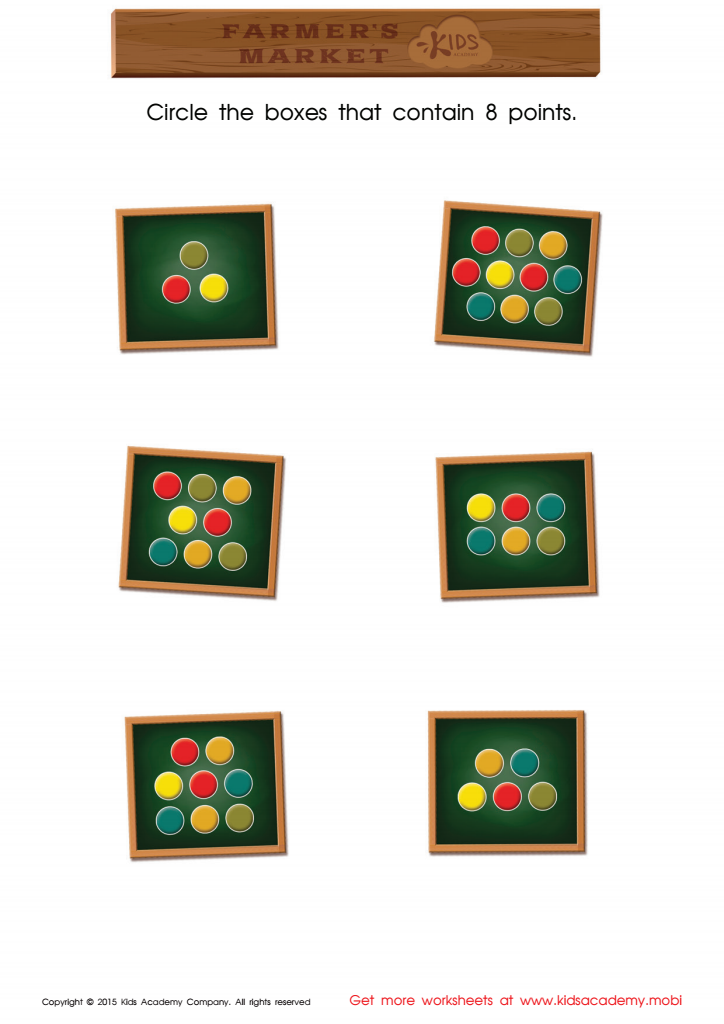
Count and Match Points 8 Math Worksheet
 Assign to My Students
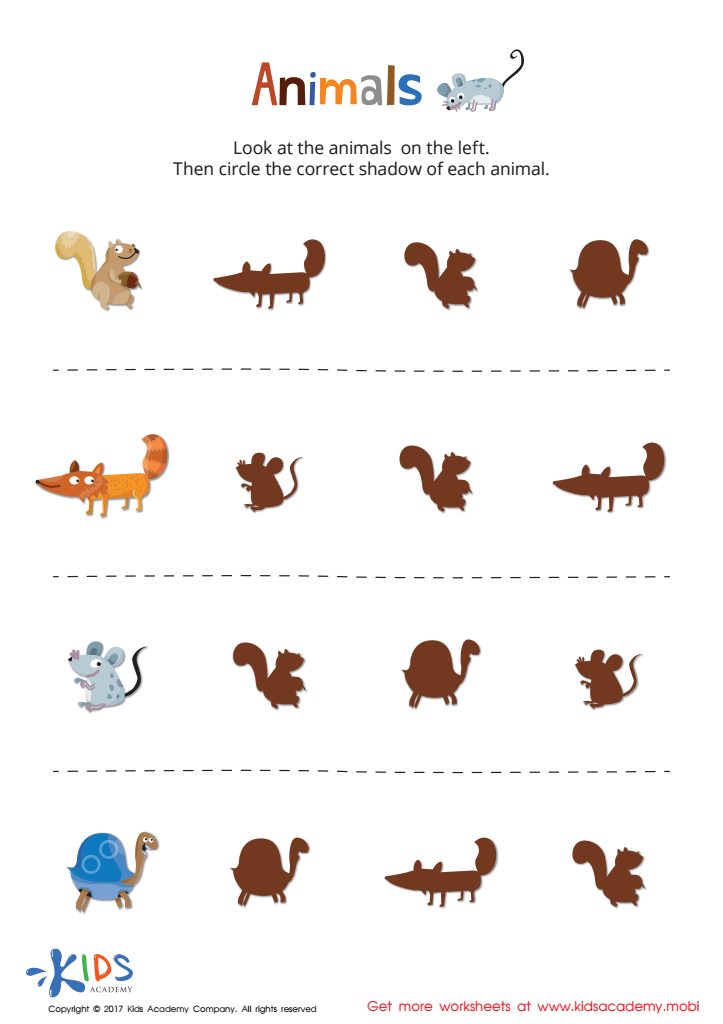
Animal Shadows Sorting Worksheet
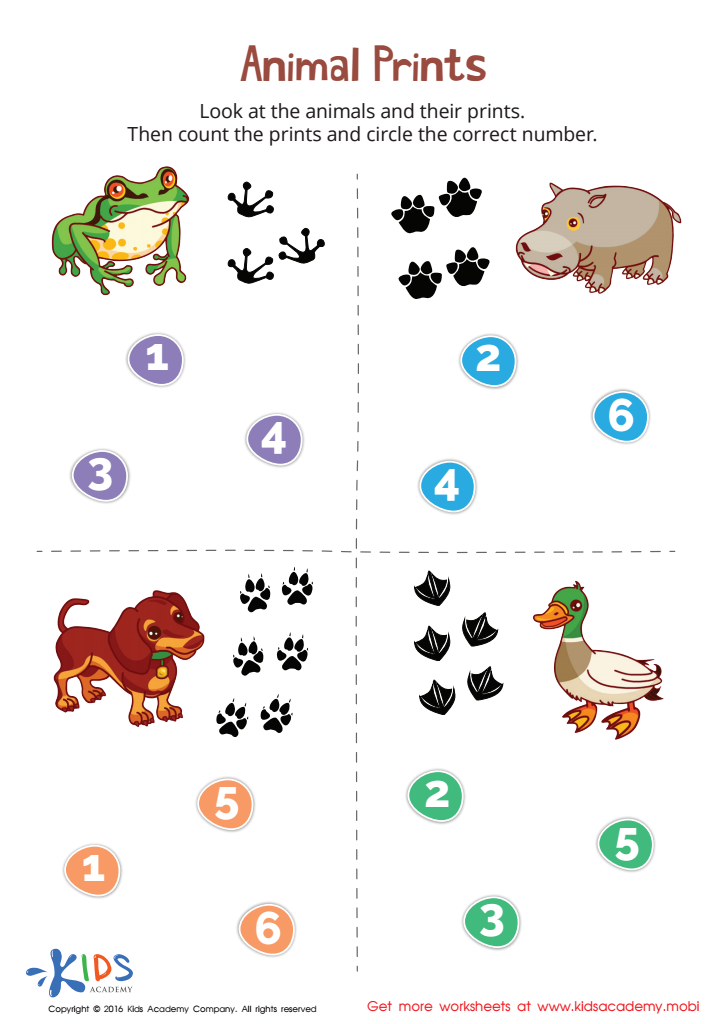
Animal Prints Match-Up Worksheet
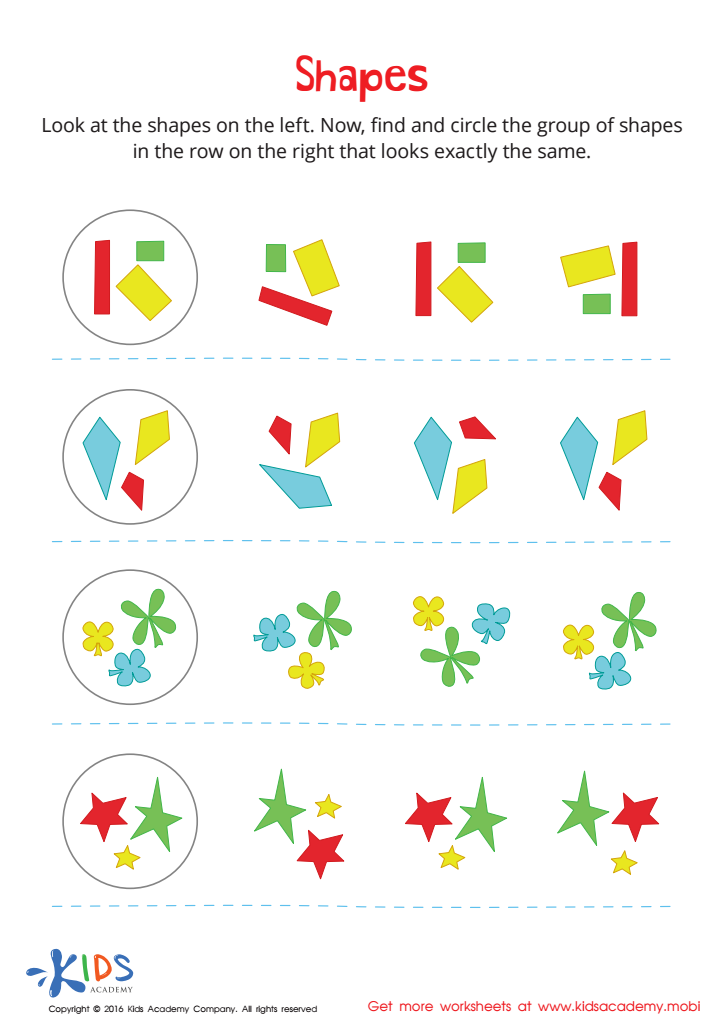
Shapes Worksheet





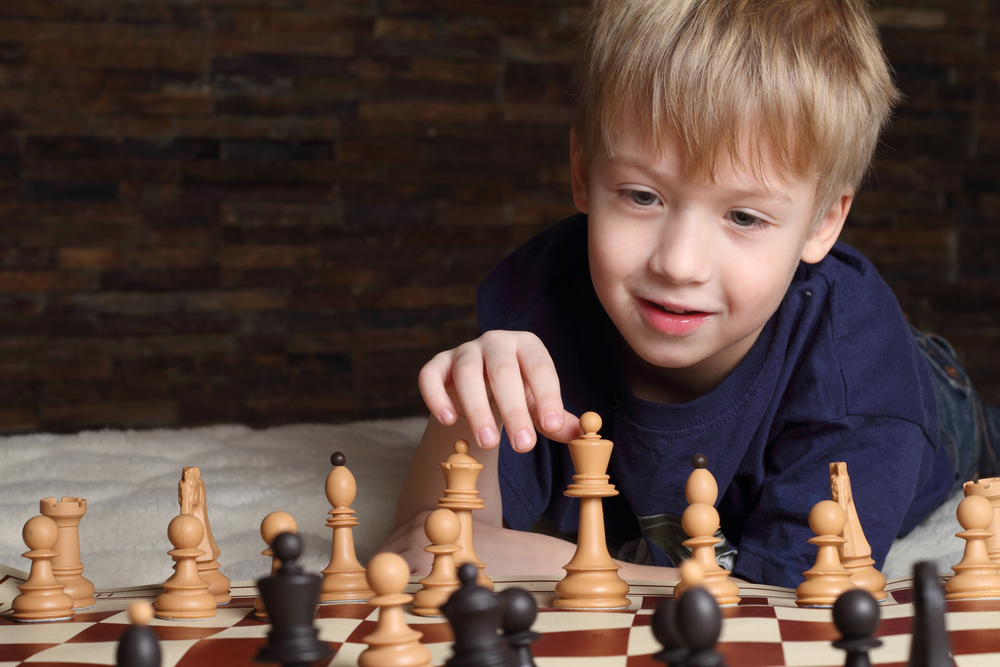


Parents and teachers play a crucial role in the early educational development of children, and engaging activities like Matching Skills Extra Challenge Math for ages 4-5 should be a priority. At this developmental stage, children are rapidly absorbing information and are ready to build foundational cognitive abilities. Matching skills activities enhance a child's ability to recognize patterns, relationships, and connections between concepts. This not only prepares them for more advanced mathematical concepts but also improves problem-solving skills, attention to detail, and concentration.
Through matching games, children learn to identify similarities and differences, which are critical thinking skills that benefit all areas of learning. Moreover, these activities can also aid in developing fine motor skills as they manipulate objects to match pairs, and they can significantly boost a child's confidence and independence when they successfully complete tasks. These early experiences can ignite a love for learning and build a resilient educational framework.
Participation in such interactive and enjoyable exercises helps foster a positive attitude towards learning mathematics. When supported by parents and teachers, children are not only learning mathematics but are also getting the valuable experience of gathering insights, making informed decisions, and exploring concepts in a structured yet playful environment.