Fine motor skills (drawing) Extra Challenge Worksheets for Ages 4-6
4 filtered results
-
From - To
Discover our Extra Challenge Worksheets designed to enhance fine motor skills in children aged 4-6. These engaging and fun activities help young learners develop their drawing abilities, hand-eye coordination, and precision. Each worksheet offers a variety of exciting tasks, from tracing shapes to intricate drawing exercises, ensuring kids remain challenged and motivated. Perfect for parents and educators seeking to promote essential developmental skills, our worksheets encourage creativity while strengthening the foundational skills needed for writing and other fine motor activities. Unlock your child's potential today with our expertly crafted fine motor skill worksheets!
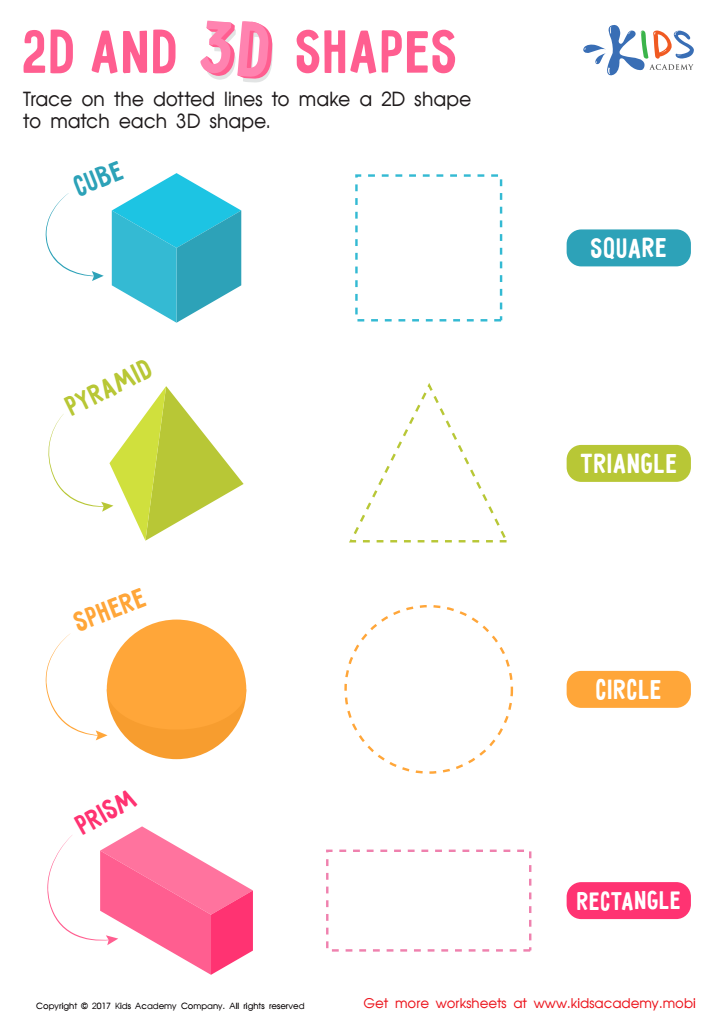
2D and 3D Shapes Worksheet
 Assign to My Students
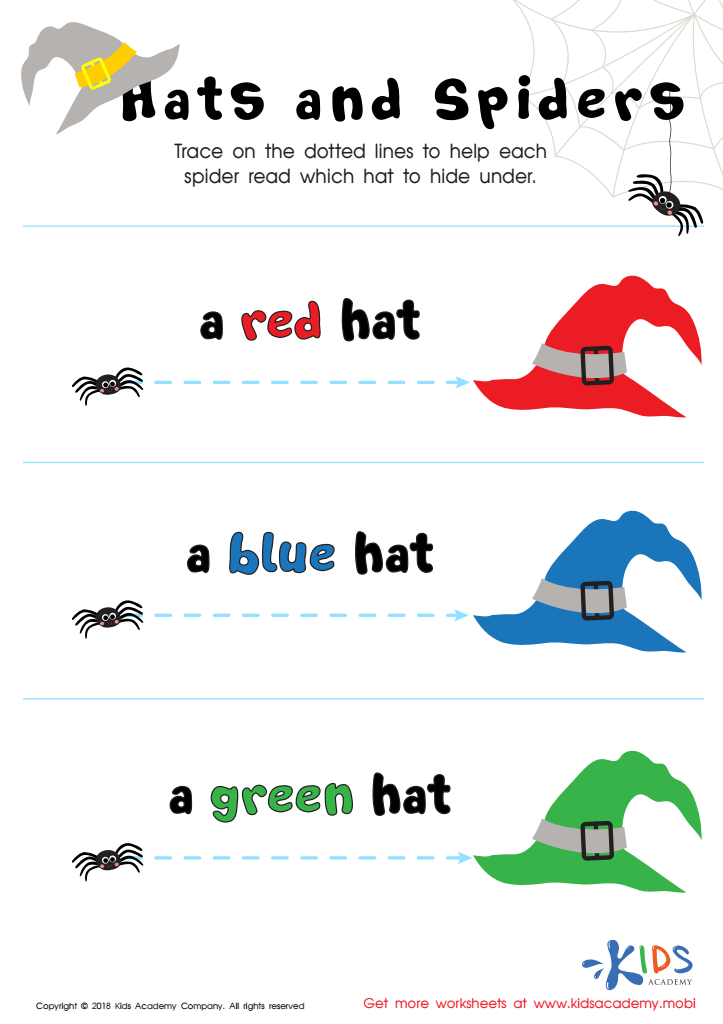
Read from Left to Right: Hats and Spiders Worksheet
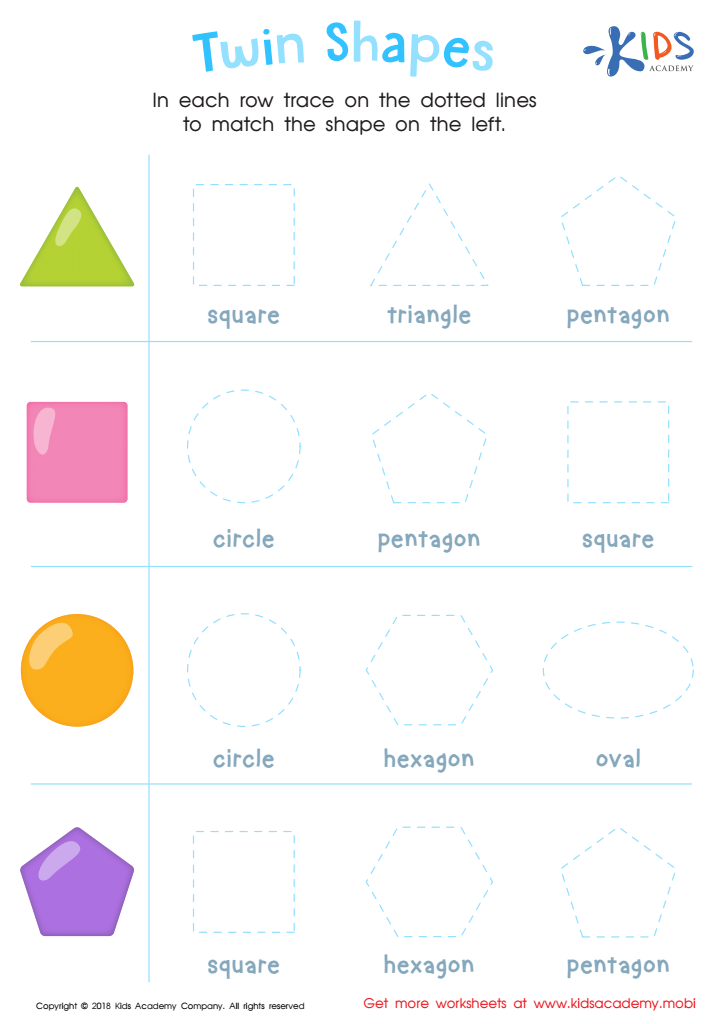
Twin Shapes Dot-to-Dot Worksheet
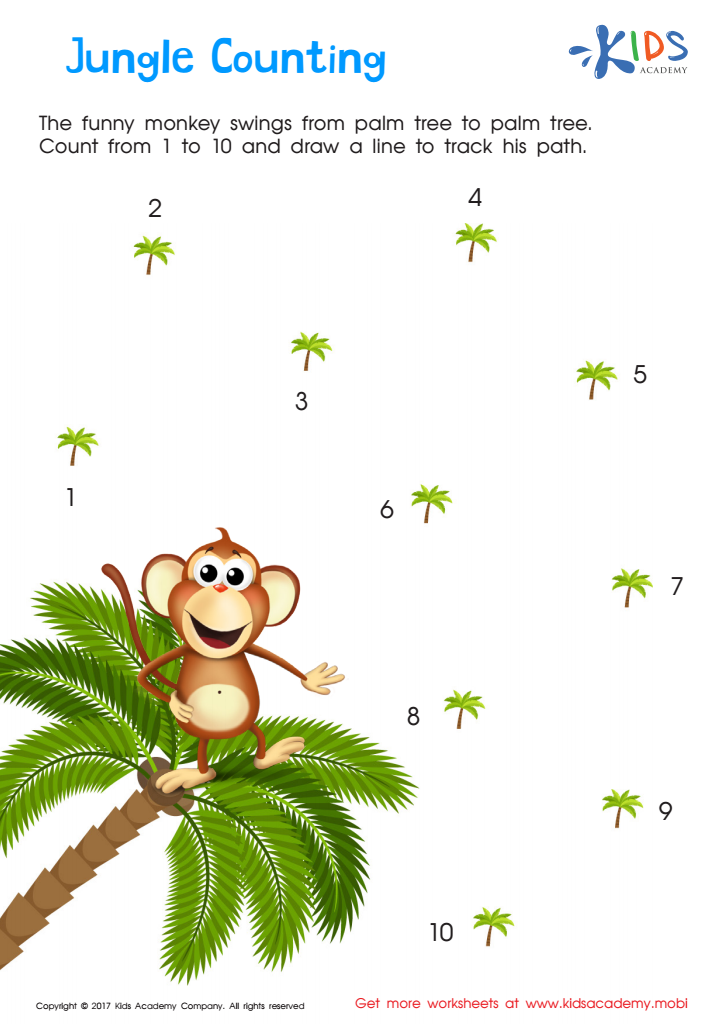
Jungle Counting Connect Dots Worksheet








Fine motor skills are crucial for young children, serving as the foundation for many essential tasks and developmental milestones. At ages 4-6, these skills include the precise movements of the hands and fingers, which are fundamental for writing, buttoning clothes, and tying shoelaces. Recognizing the importance of fine motor skills, parents and teachers should actively engage children in drawing activities that challenge and develop these capabilities.
Drawing, for instance, is more than just an artistic endeavor; it helps children improve their hand-eye coordination, dexterity, and control—skills necessary for more complex tasks in the future. When children draw, they exercise muscles in their hands and fingers, enhancing their strength and precision. This paves the way for better handwriting, which is essential for academic success.
Moreover, drawing promotes cognitive development and creativity. It allows children to express themselves, understand spatial relationships, and bring their imaginations to life. Offering extra challenges in drawing can further refine these skills by prompting kids to undertake more detailed and complex projects, thus pushing their boundaries and encouraging critical thinking.
Investing time in developing fine motor skills through drawing supports comprehensive development—cognitive, physical, emotional, and academic. Therefore, incorporating these activities into early childhood education should be a priority for both parents and teachers.








