Hand-eye Coordination Extra Challenge Worksheets for Ages 4-6
9 filtered results
-
From - To
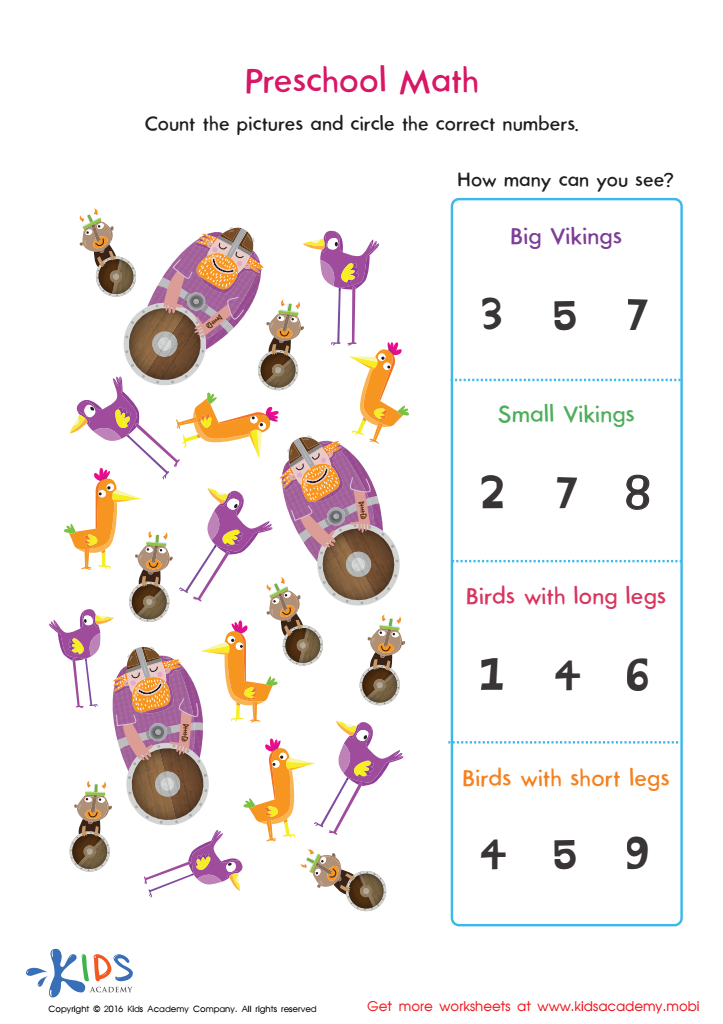
Enhance your child's motor skills with our Hand-eye Coordination Extra Challenge Worksheets for Ages 4-6. Designed by experts, these engaging printable activities focus on refining your preschooler's hand-eye coordination. Perfect for an advanced challenge, each worksheet encourages precision, focus, and fine motor development in a fun and interactive way. From tracing shapes to connecting dots and solving mazes, these exercises foster crucial early-learning skills. Ideal for home or classroom use, our worksheets are a valuable resource for preparing children for more complex tasks. Download now to provide your child with an extra edge in developing essential coordination skills.
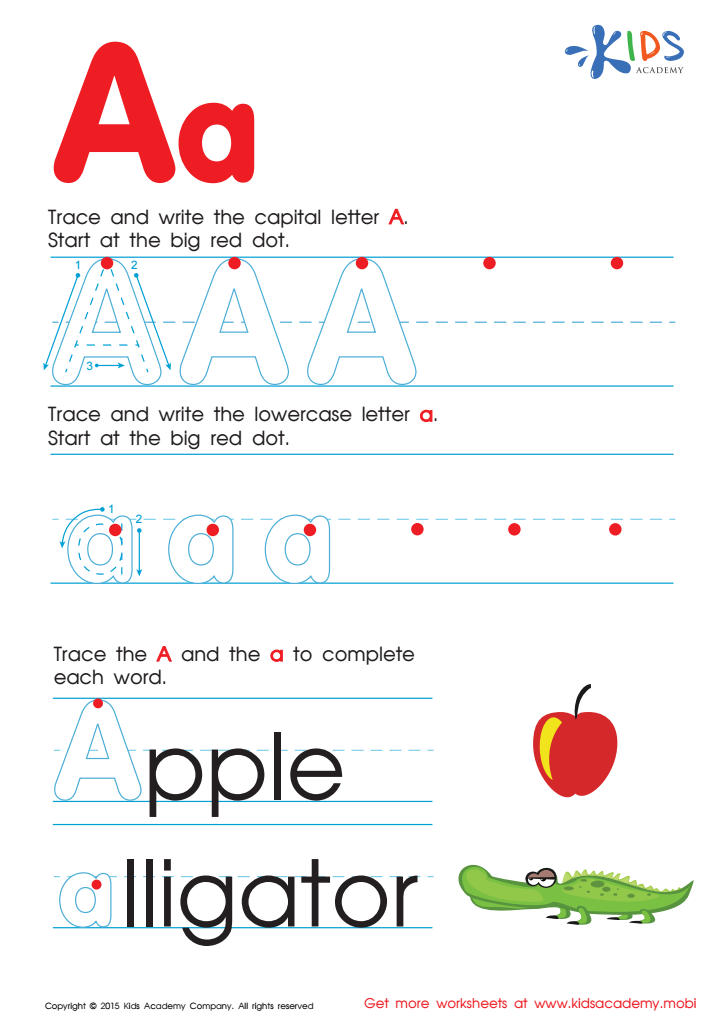
Letter A Tracing Page
 Assign to My Students
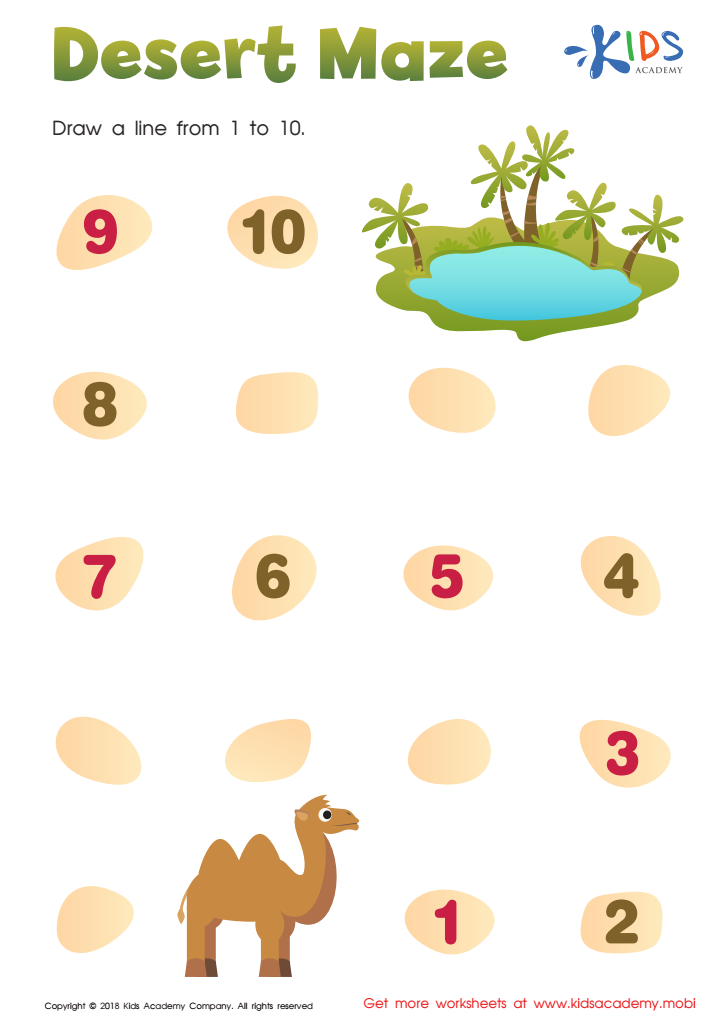
Desert Maze Worksheet
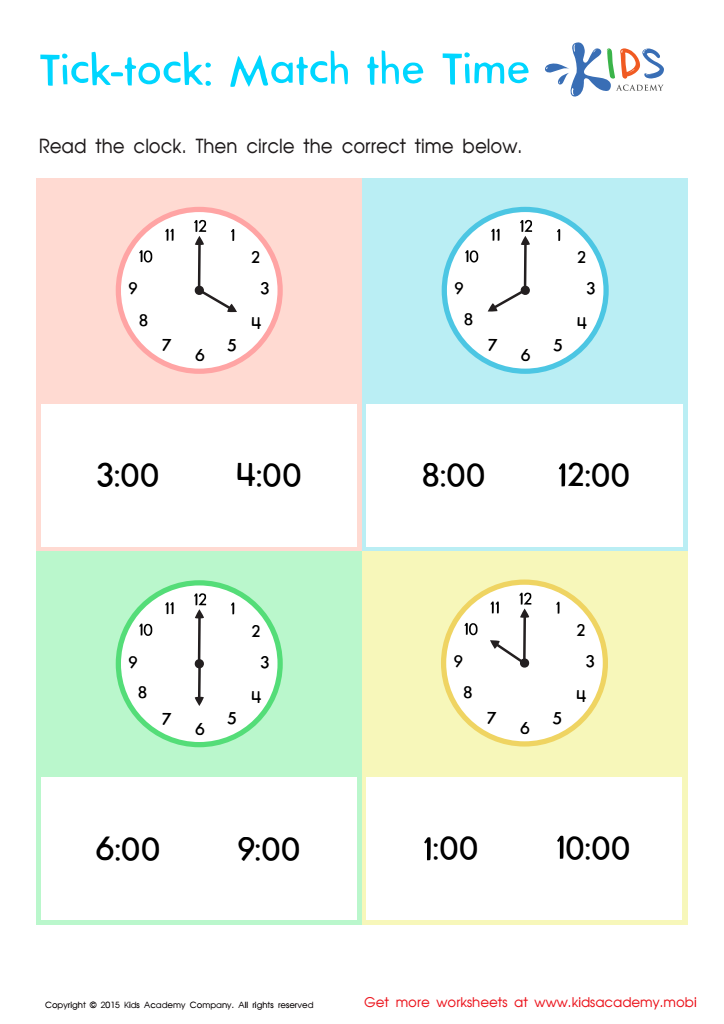
Telling The Time Worksheet: Part 4
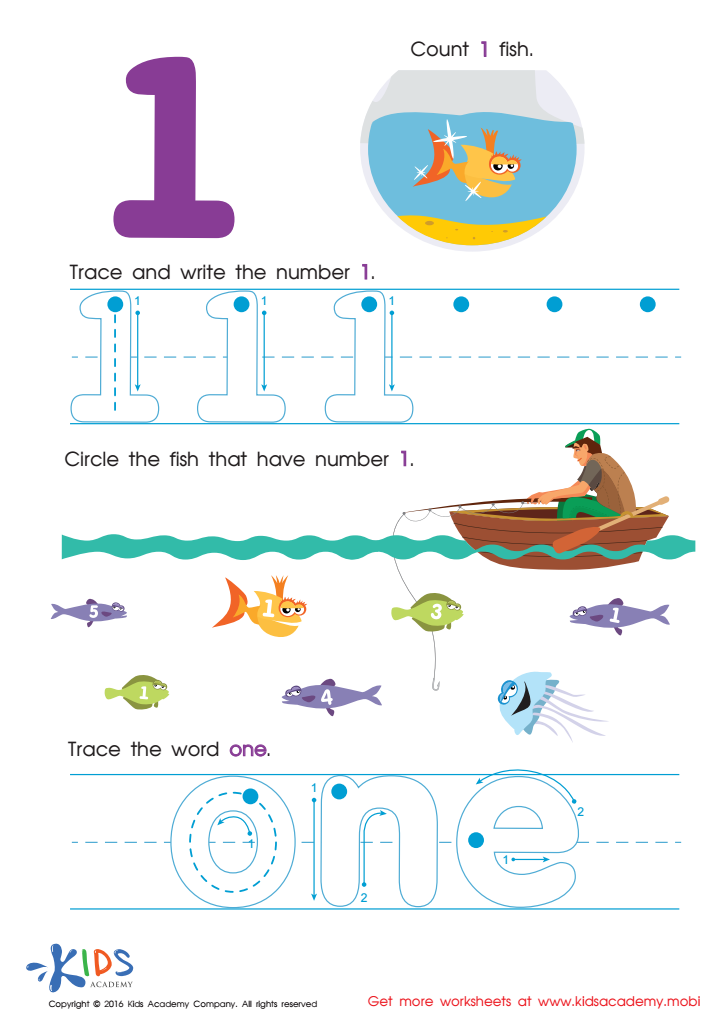
Learning to Write 1 Worksheet
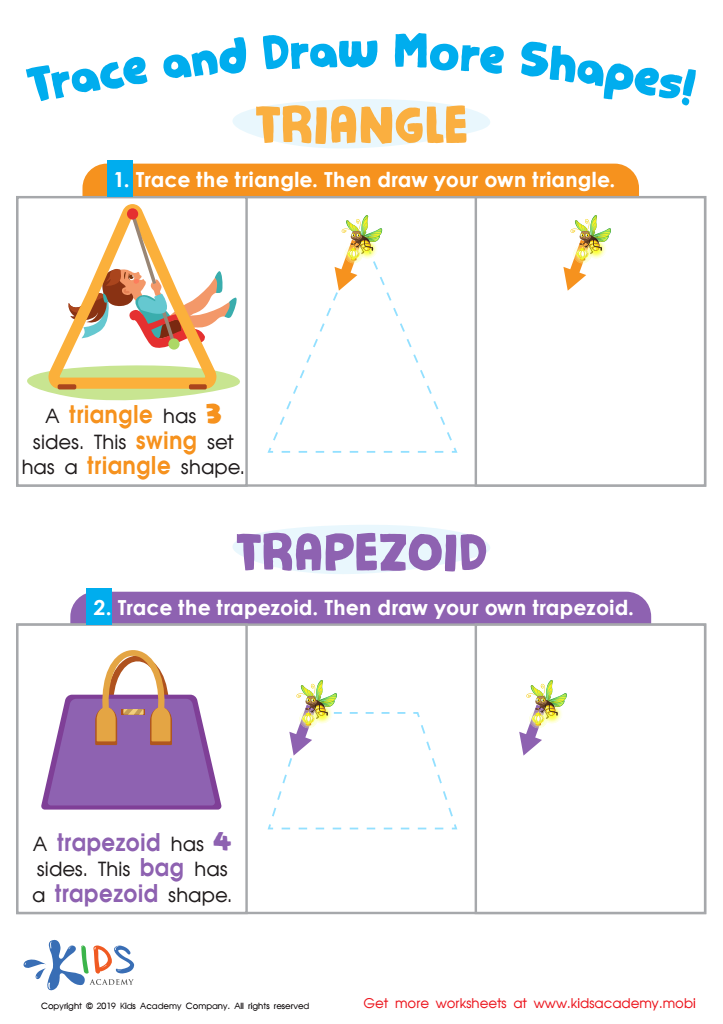
Trace and Draw More Shapes Worksheet
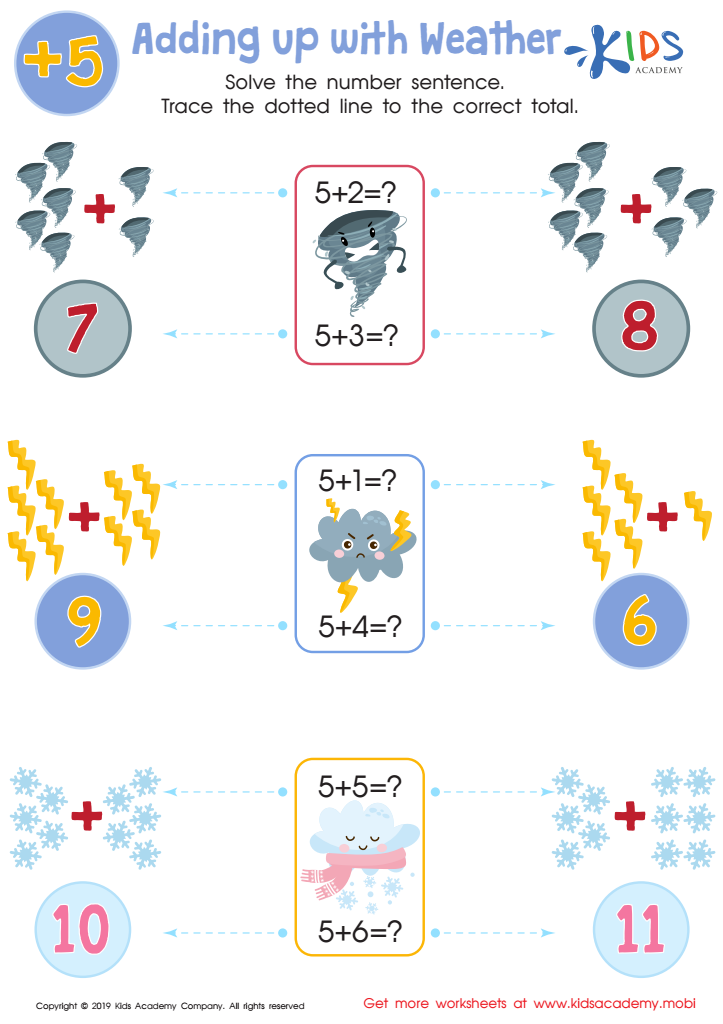
Adding up With Water Worksheet
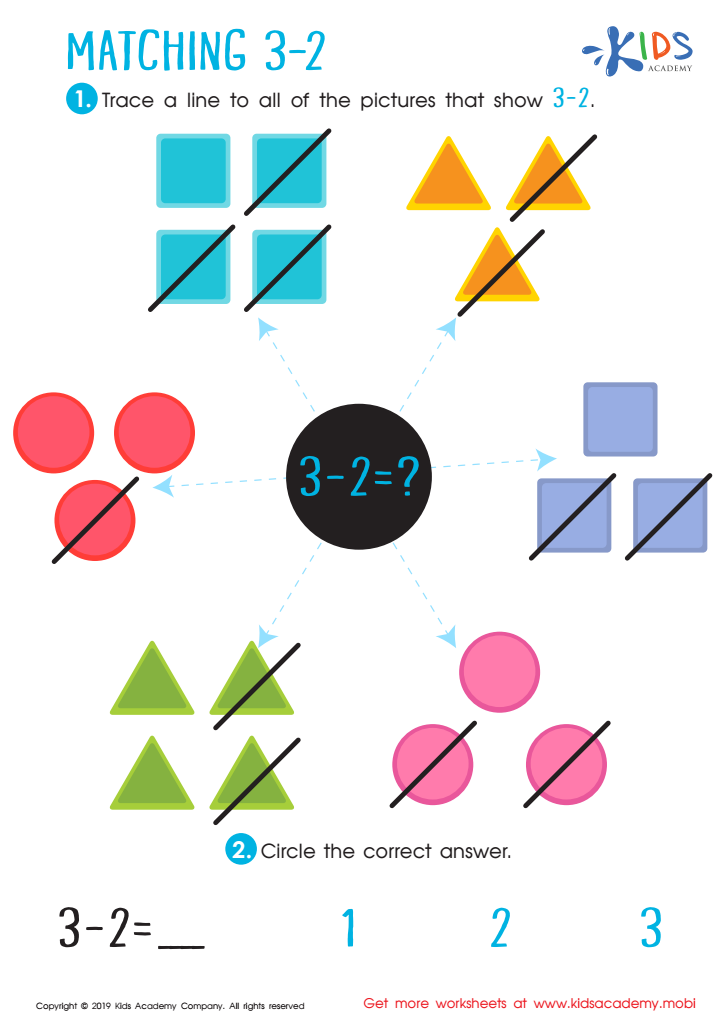
Matching 3-2 Worksheet
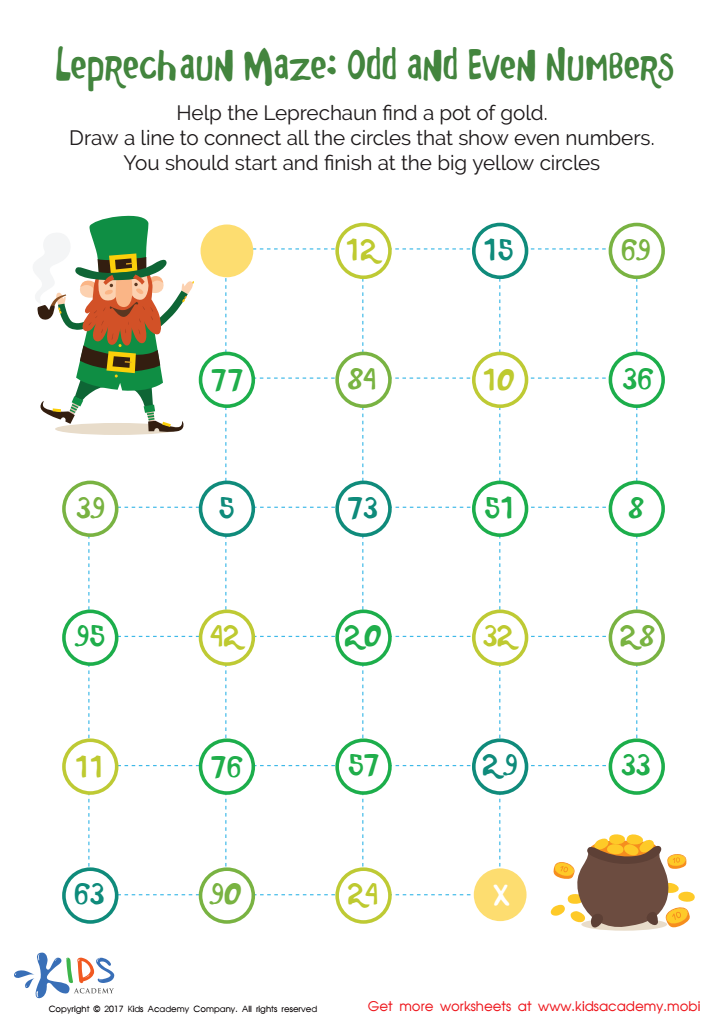
Leprechaun Maze Printable





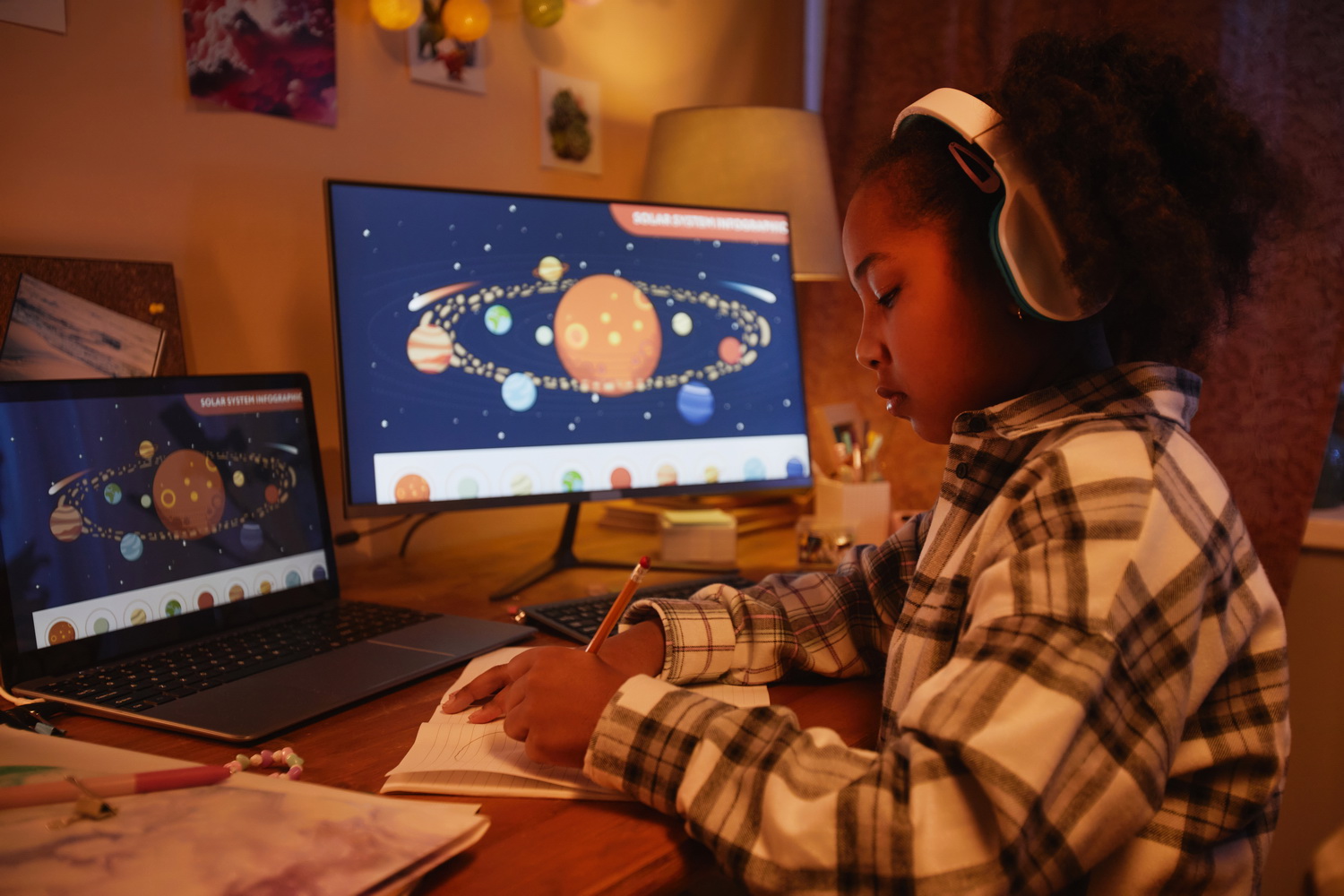
Hand-eye coordination is a critical skill that bridges visual information with physical movement, significantly impacting a child's ability to perform everyday tasks and participate in various activities. For children aged 4-6, this skill is particularly essential as it lays the foundation for numerous aspects of their development, from academic performance to physical health and even social interactions.
Fostering hand-eye coordination through extra challenges can substantially benefit children in academic settings. Activities that improve this skill, such as puzzles, drawing, or simple ball games, directly enhance a child’s writing abilities, as they rely on precise hand movements guided by visual cues. Strong hand-eye coordination also aids in mastering other fine motor tasks essential for learning, such as cutting with scissors and manipulating small objects.
Additionally, these exercises help children develop better concentration and focus, which are vital for success in structured learning environments. On a larger scale, improved hand-eye coordination promotes physical fitness and overall motor skills, setting children on a healthier path. Furthermore, engaging in coordinated activities fosters self-confidence and social interaction, as children gain skills that enable them to confidently and competently play with peers.
Thus, parents and teachers should prioritize hand-eye coordination practice as it equips children with foundational abilities crucial for their comprehensive growth, facilitating smoother transitions in both academic and social spheres.








