Improving reading comprehension Extra Challenge Worksheets for Ages 4-6
3 filtered results
-
From - To
Boost your child's reading skills with our "Improving Reading Comprehension Extra Challenge Worksheets for Ages 4-6." Specially designed for young learners, these engaging and fun worksheets focus on developing key reading comprehension abilities. Through a variety of captivating stories and exercises, children will enhance their understanding, vocabulary, and critical thinking skills. Each activity is carefully crafted to be both challenging and enjoyable, encouraging kids to think deeper and answer questions about the texts they read. Perfect for enhancing classroom lessons or additional practice at home, these worksheets are an essential tool for early readers.
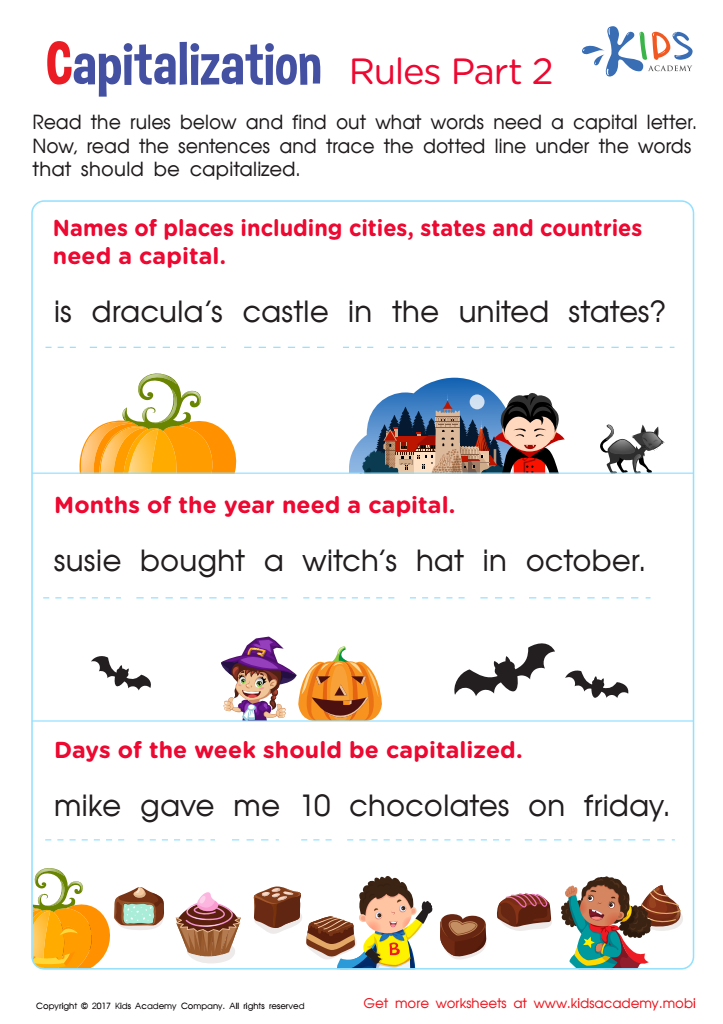
Capitalization Rules: Part 2 Worksheet
 Assign to My Students
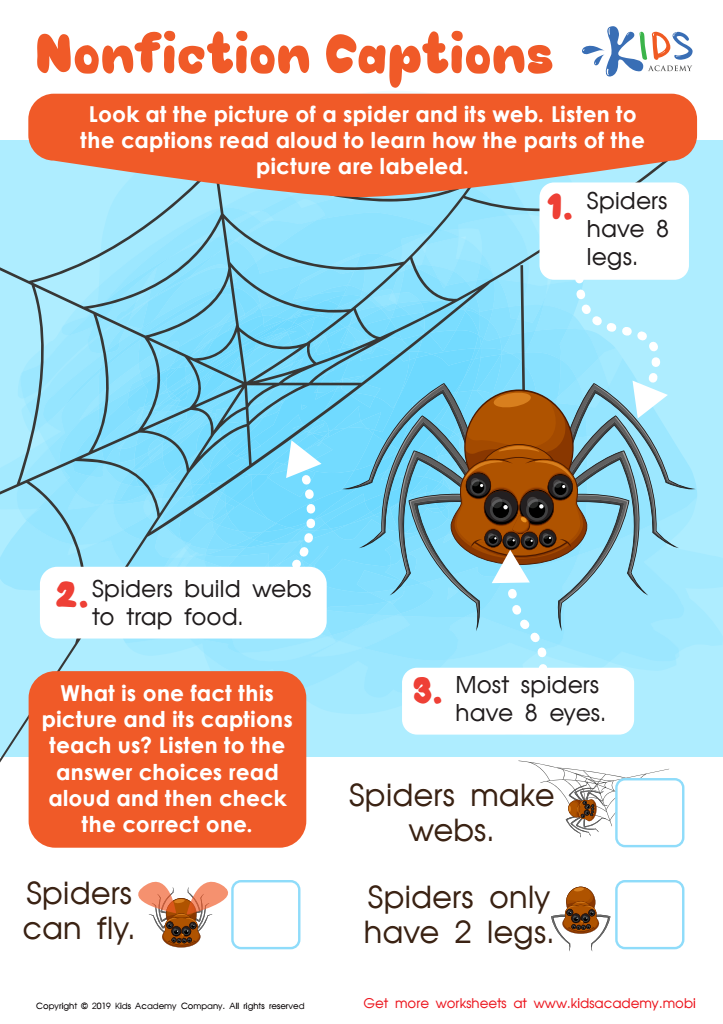
Nonfiction Captions Worksheet
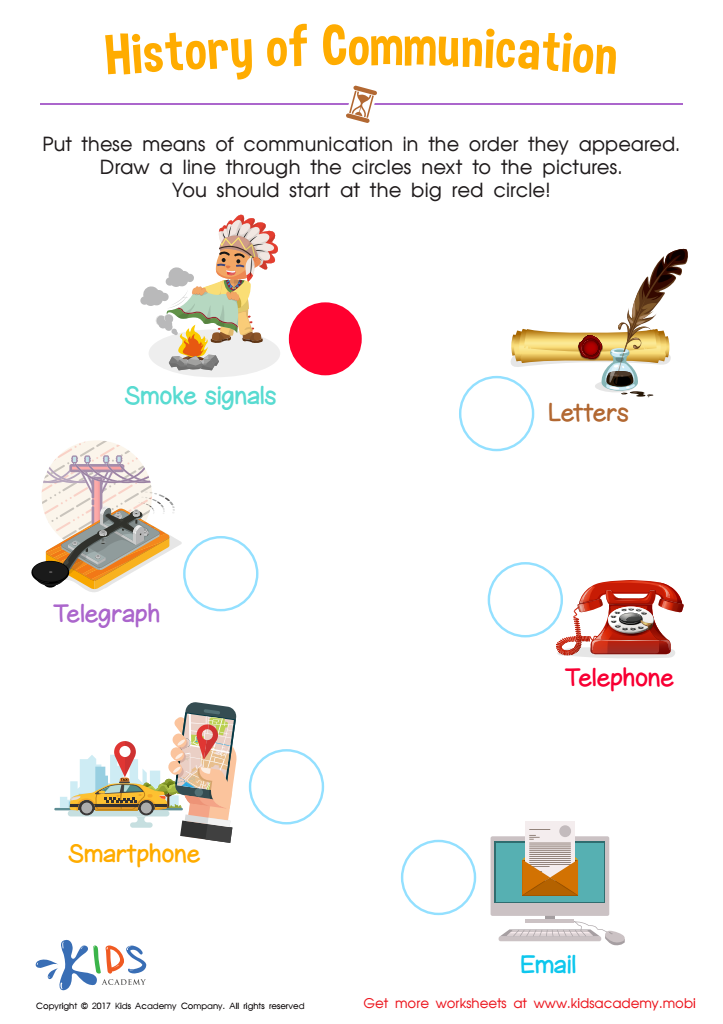
History of Communication Worksheet







Parents and teachers should prioritize improving reading comprehension for children aged 4-6 because these formative years are crucial for cognitive and language development. Enhancing reading comprehension at an early age can significantly impact a child's future academic success and overall language skills. During these years, children's brains are highly receptive, making it the perfect time to instill strong reading habits and comprehension abilities.
Strong reading comprehension skills foster a love for reading, which, in turn, promotes continuous learning and curiosity. Children who grasp the meaning behind words and sentences can engage better with the text, improving their ability to analyze, remember, and use the information effectively. This foundational skill is not only essential for literacy subjects but also for understanding instructions and content across all academic areas.
Furthermore, improving reading comprehension can boost self-esteem and confidence as children experience the joy of understanding stories and sharing them. This confidence often translates to greater participation in class, better communication skills, and a positive outlook towards learning challenges. Therefore, investing time and effort in enhancing young children's reading comprehension equips them with critical thinking and comprehension skills, setting them on a path to lifelong learning and success.








