Matching skills Extra Challenge Worksheets for Ages 4-6
6 filtered results
-
From - To
Unlock your child's potential with our "Matching Skills Extra Challenge Worksheets for Ages 4-6." Specially designed for early learners, these worksheets engage young minds through fun and interactive activities. Enhance critical thinking, improve visual and cognitive skills, and strengthen concentration as children match shapes, patterns, and colors. Perfect for reinforcing foundational abilities in a creative way, these challenging exercises help children build confidence and joy in learning. Give your child the head start they deserve with our expertly crafted matching skills worksheets, making learning both fun and effective. Discover endless educational adventures today!
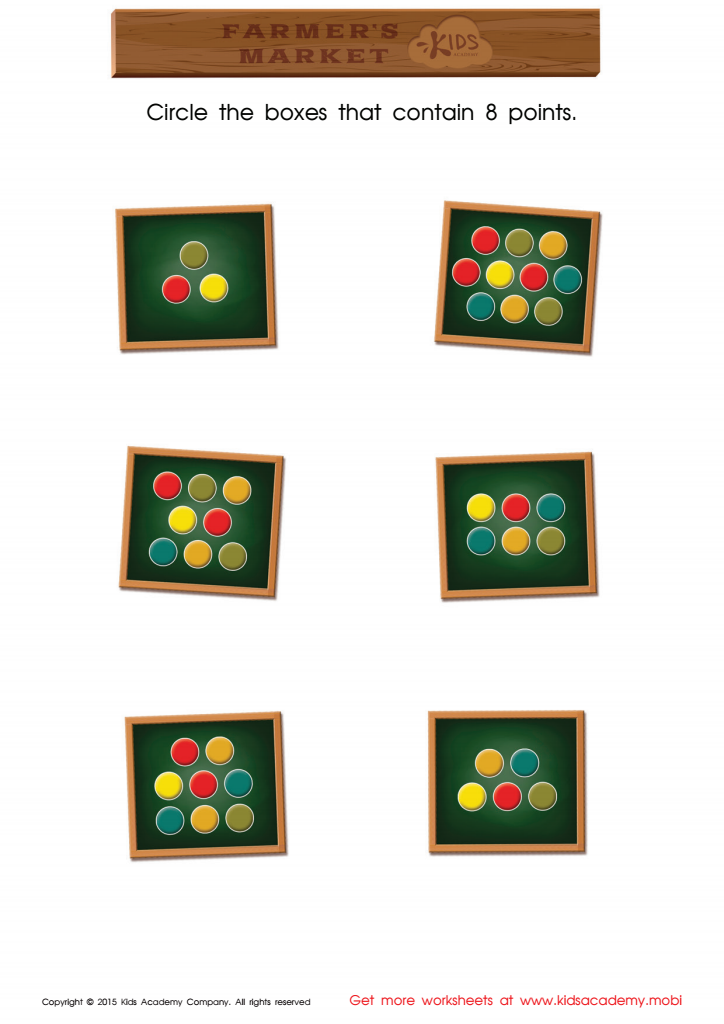
Count and Match Points 8 Math Worksheet
 Assign to My Students
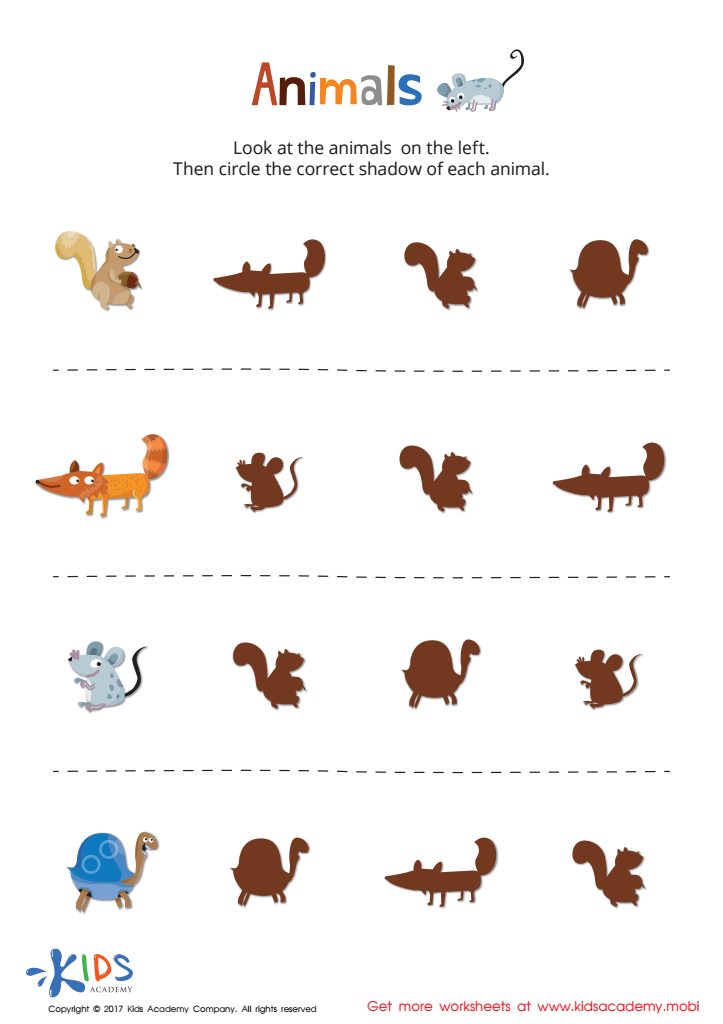
Animal Shadows Sorting Worksheet
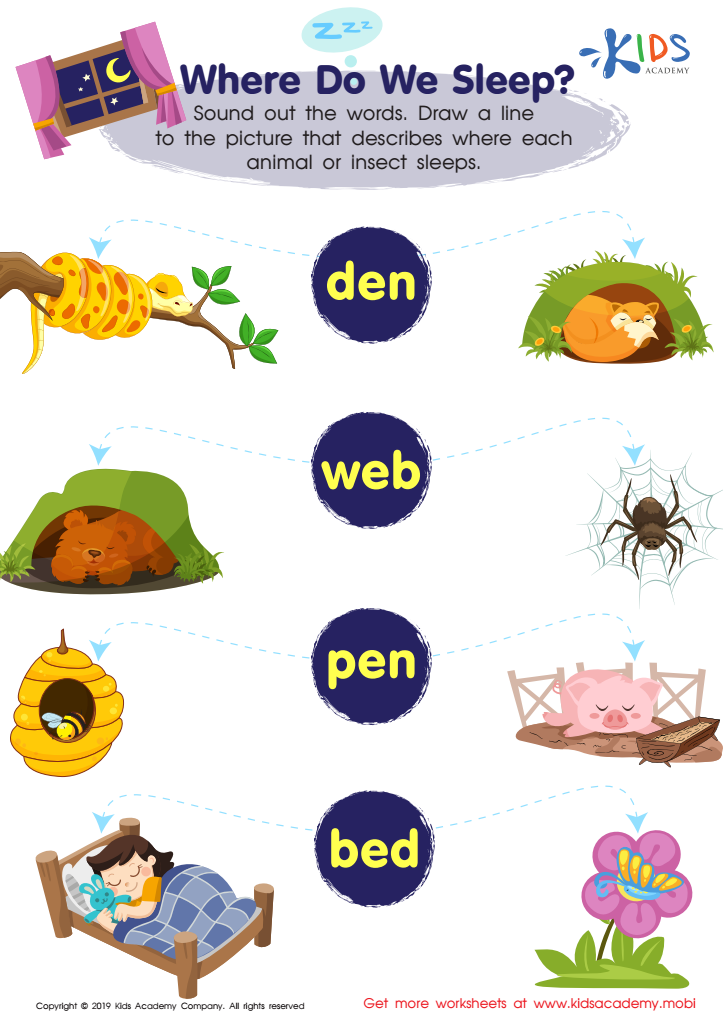
Where Do We Sleep Worksheet
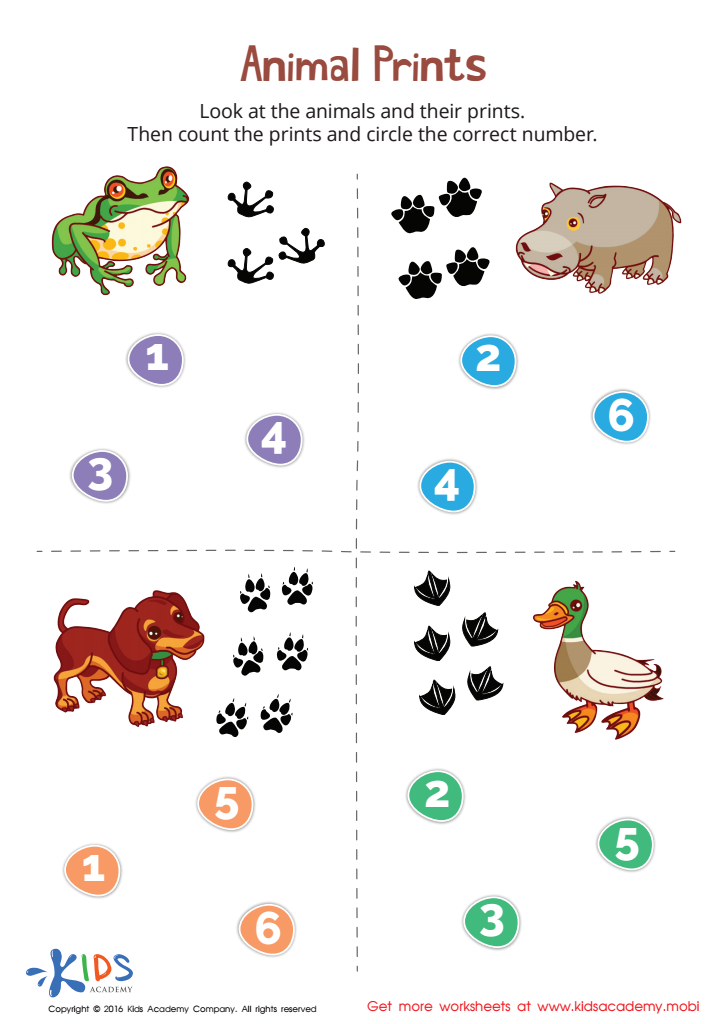
Animal Prints Match-Up Worksheet
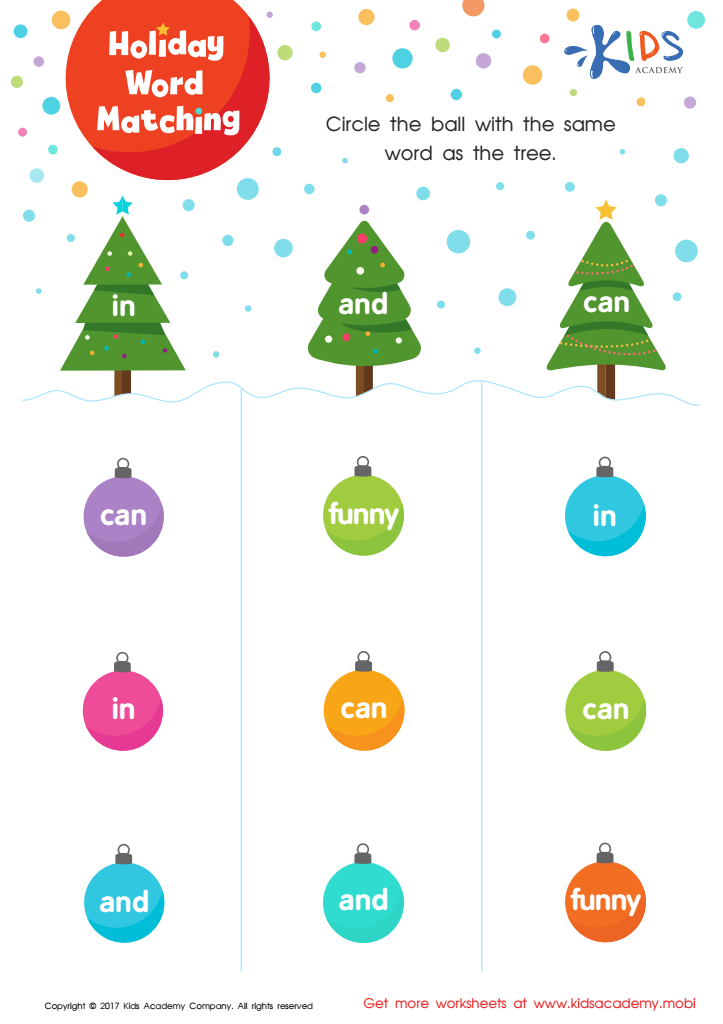
Holiday Word Matching Worksheet
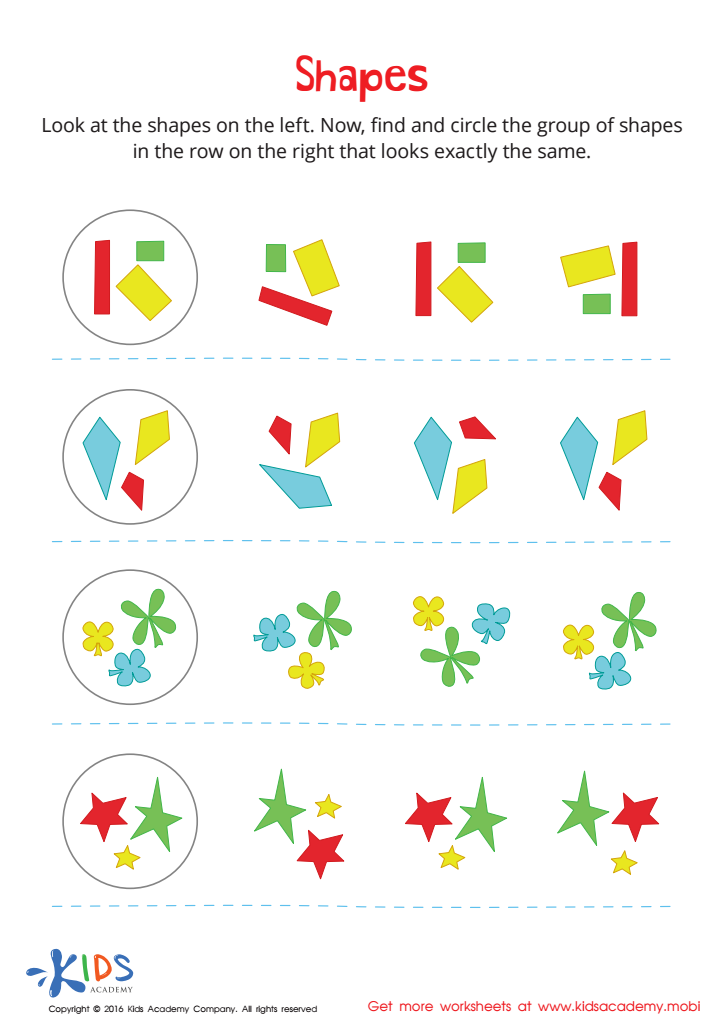
Shapes Worksheet








Parents and teachers should care about matching skills for ages 4-6 because these activities are foundational for cognitive development and early learning success. During the early childhood years, children's brains are rapidly developing, and matching games can significantly aid in sharpening a child's ability to recognize similarities and differences, a crucial aspect of logical thinking and later problem-solving skills.
By engaging in matching challenges, kids practice categorization, an essential skill needed for reading and math. For instance, matching games that involve sorting similar shapes, colors, or objects help young learners understand patterns and sequences, which lay the groundwork for more complex mathematical concepts. These activities also foster fine motor skills as children manipulate cards or objects to make matches, which aids in tasks that necessitate dexterity, like writing or cutting with scissors.
Moreover, matching activities bolster memory and concentration. As children focus on searching and determining which items go together, they extend their attention span and refine their recollective abilities. This enhancement in attention and memory is critical to their overall academic readiness.
Social-emotionally, participating in matching games can build confidence as young learners tackle and succeed in these tasks. Early triumphs with matching give them a sense of accomplishment, motivating them to engage in more complex activities and develop a positive attitude towards learning.
In summary, matching skills extras are a fun, impactful way to support a child's early academic journey and holistic development, ensuring they are prepared for future learning challenges.








