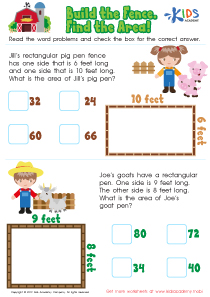
Cognitive Development Extra Challenge Numbers Worksheets for Ages 4-6
10 filtered results
-
From - To
Enhance your child's cognitive development with our Extra Challenge Numbers Worksheets designed specifically for ages 4-6! These engaging worksheets aim to bolster number recognition, counting skills, and problem-solving abilities, all while keeping learning fun. Tailored for early learners, our resources encourage imaginative thinking and logical reasoning through interactive exercises. With vibrant illustrations and creative tasks, kids will explore numbers in an engaging way, promoting foundational math skills essential for their educational journey. Ideal for both classroom and home use, these worksheets are perfect for parents and teachers looking to provide additional challenges that stimulate young minds. Unlock your child's potential today!
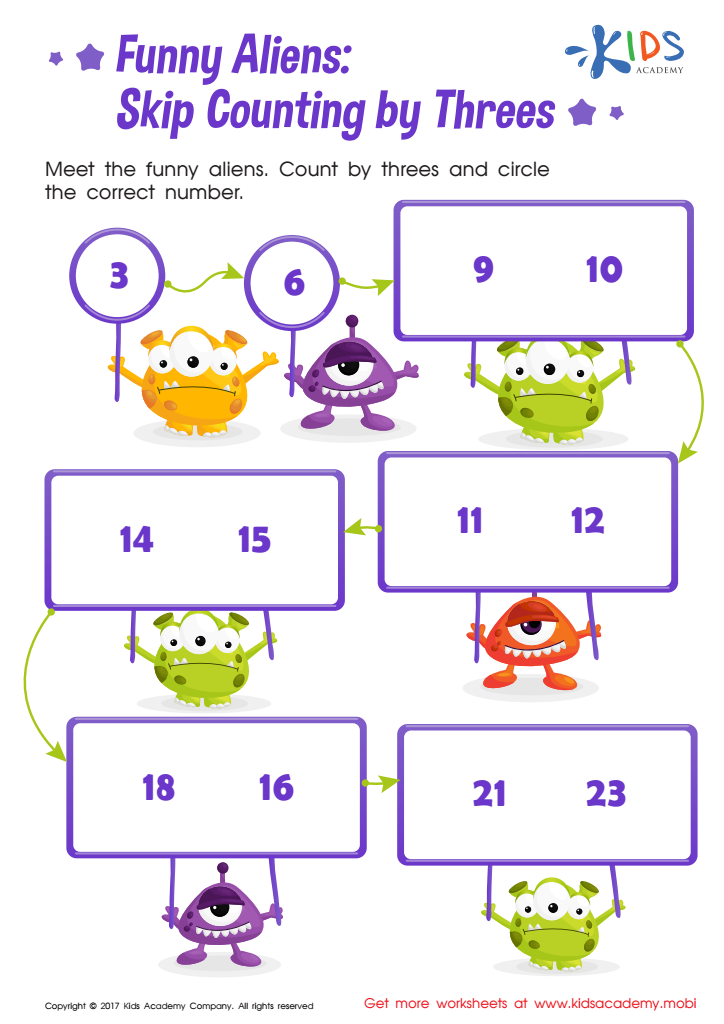
Skip Counting by 3s: Funny Aliens Printable
 Assign to My Students
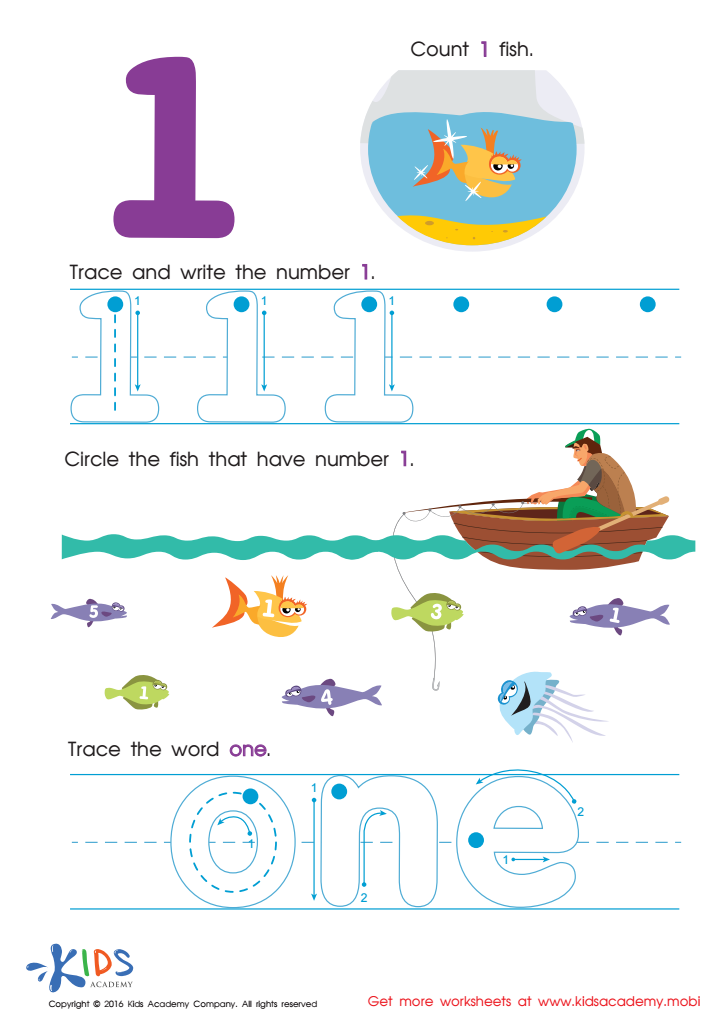
Learning to Write 1 Worksheet
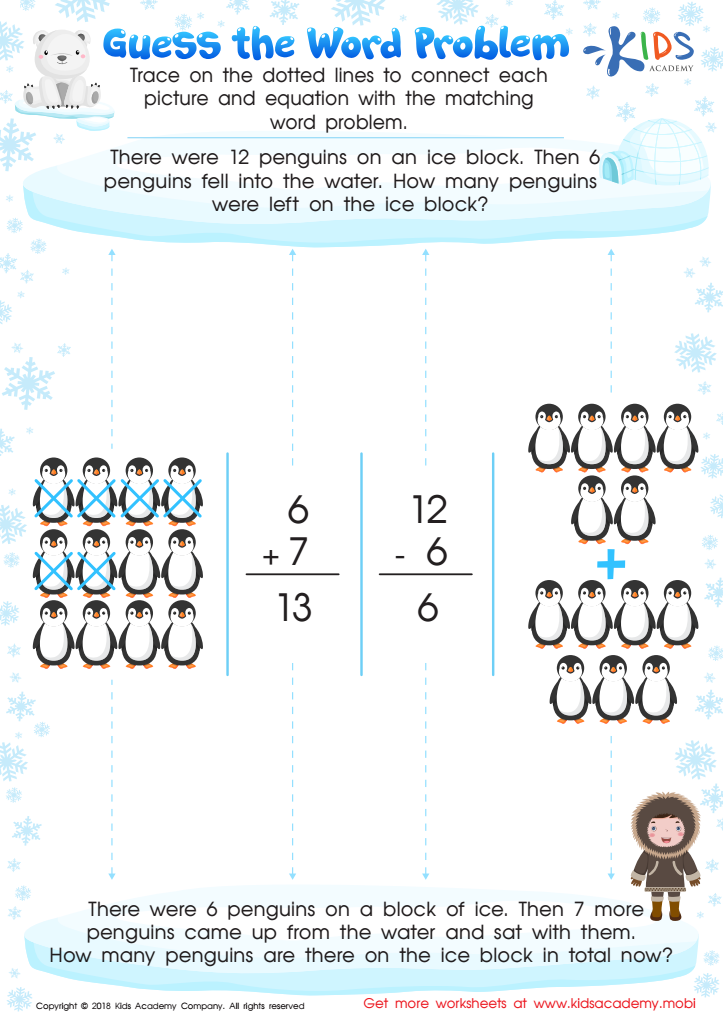
Guess the Word Problem Worksheet

Learn Number For Kindergarten Worksheet
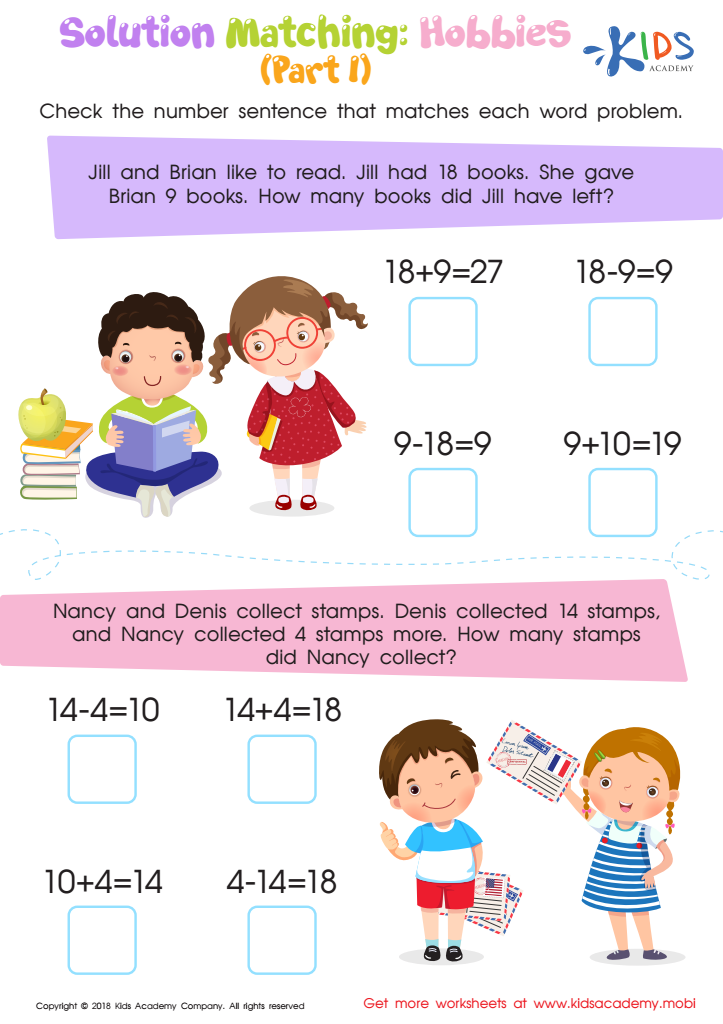
Solution Matching: Hobbies. Part 1 Worksheet
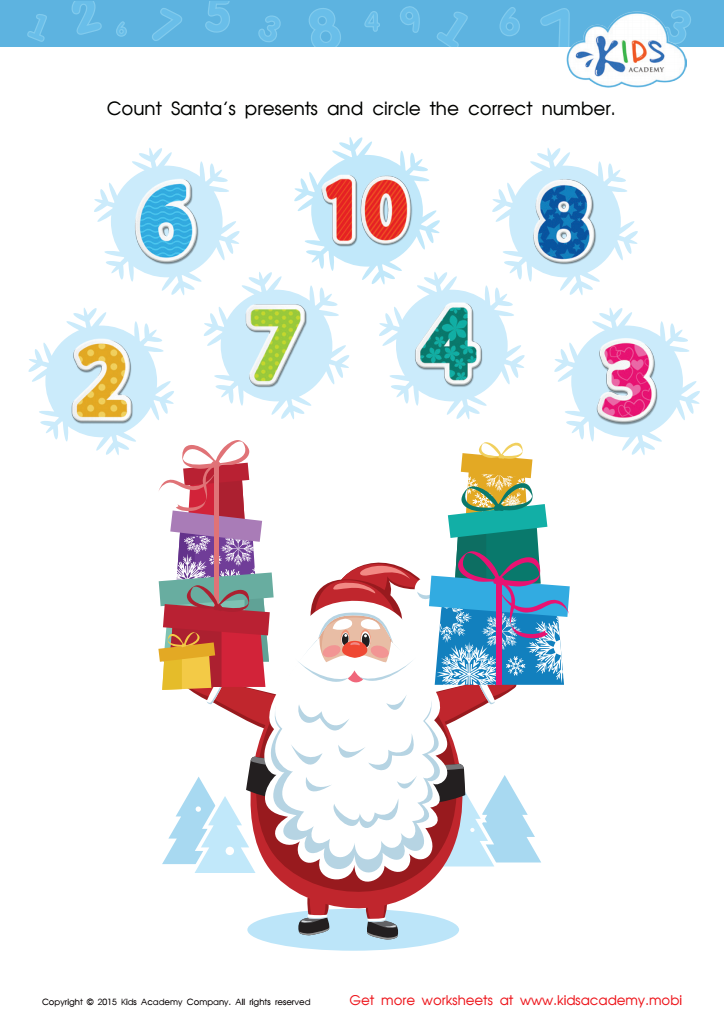
Count Santa's Presents Worksheet

Pirate Ship Connect Dots Worksheet

Jungle Counting Connect Dots Worksheet
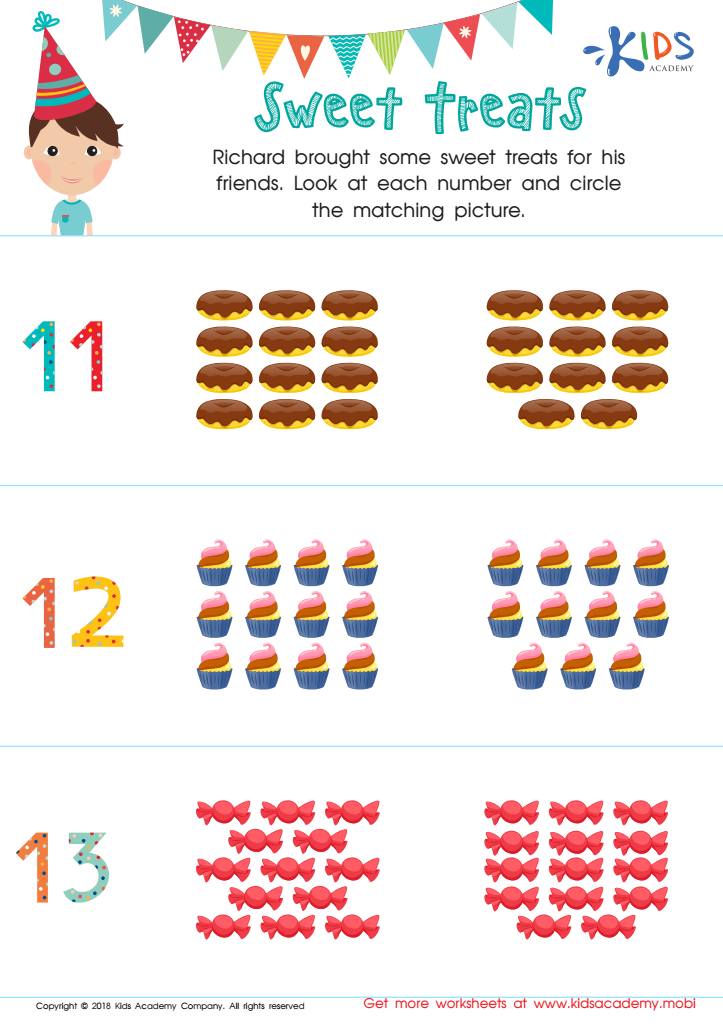
Kindergarten Math Worksheet Matching Numbers

Count and Match: Feed the Animals Worksheet








Cognitive development during early childhood, particularly between ages 4-6, is foundational for children's future learning and problem-solving skills. Engaging with extra challenge numbers and mathematical concepts in this phase can greatly enhance children’s cognitive abilities. These activities cultivate critical thinking, spatial reasoning, and number sense, which are crucial as children start to engage more complex math systems later in school.
When parents and teachers focus on cognitive challenges involving numbers, they are promoting a growth mindset that encourages children to embrace challenges and learn from mistakes. Extra challenges often include fun and stimulating activities that can foster a love for math while making learning enjoyable and interactive. Activities like puzzles, counting games, and manipulatives encourage children to explore mathematical concepts through play, significantly enhancing their ability to understand relationships between numbers and develop problem-solving skills.
Additionally, by valuing and supporting cognitive development in this way, caregivers set the stage for lifelong learning habits and a strong academic foundation. Together, parents and teachers play a crucial role in shaping not only children's numerical skills but also their overall cognitive growth, leading to improved attention spans, memory, and overall intellectual capabilities in later schooling and beyond.