
Critical Thinking Extra Challenge Math Worksheets for Ages 4-6
6 filtered results
Difficulty Level
Grade
Age
-
From - To
Subject
Activity
Standards
Encourage young minds to thrive with Critical Thinking Extra Challenge Math Worksheets, designed for ages 4-6! Our engaging, age-appropriate activities go beyond basic math skills to promote problem-solving, logical thinking, and creativity. These printable worksheets are crafted to captivate and challenge budding mathematicians, making learning fun and effective. Each worksheet progresses in complexity, ensuring learners stay motivated and gain confidence in critical thinking. Ideal for parents and educators striving to boost early learning and cognitive development. Turn everyday math practice into an exciting adventure for your child with our expertly designed worksheets!
Favorites
With answer key
Interactive
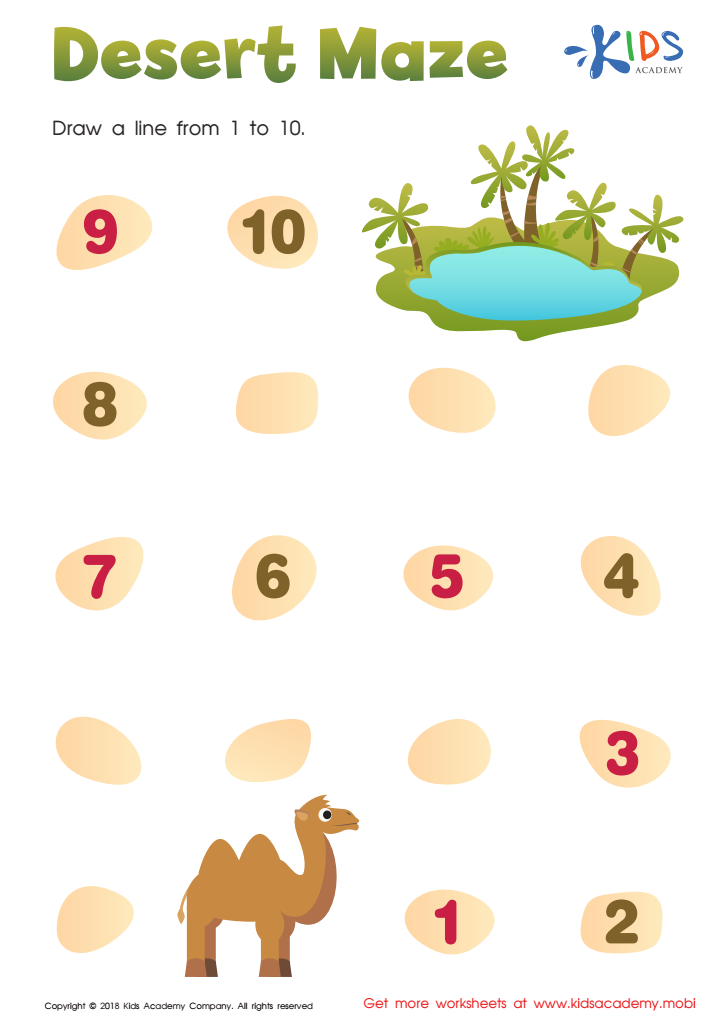
Desert Maze Worksheet
Introduce kids to deserts with videos or photos. Describe how, in deserts, camels are used for transportation due to their ability to go long distances without water. This worksheet gives kids the chance to help a camel cross the desert by drawing a line from 1 to 10.
 Assign to My Students
Desert Maze Worksheet
Worksheet
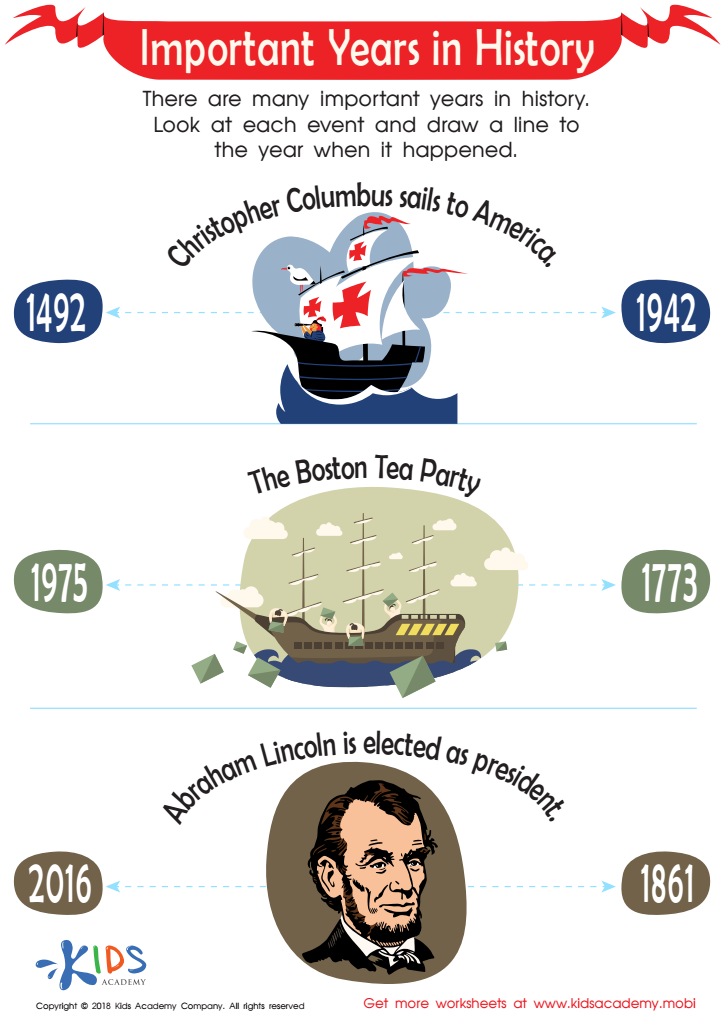
Important Years in History Worksheet
Ask your students if they can name any important dates in history. Then, look at the images in the worksheet with them. Read the sentences above each one to them and have them trace a line to the year when the event occurred.
Important Years in History Worksheet
Worksheet
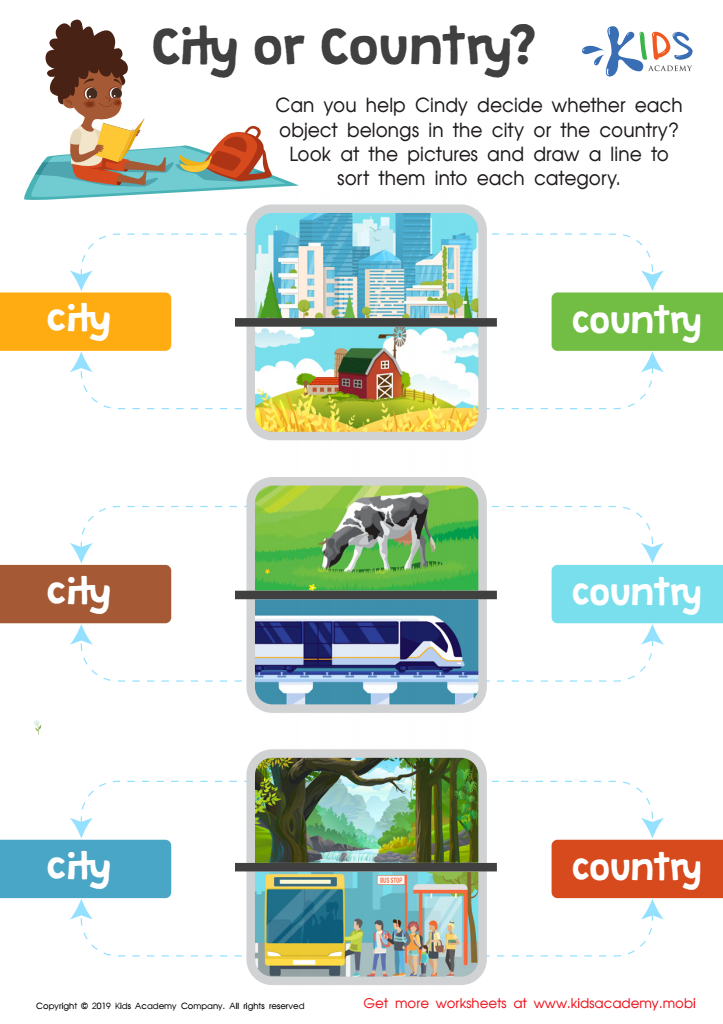
City or Country? Worksheet
Whether city or country, both have distinct attributes. Cities have skyscrapers, public transport, and many business people, whereas the countryside is rural and full of nature, often farms. Download this PDF to help your child and Cindy use traced lines to decide which picture fits city or country.
City or Country? Worksheet
Worksheet
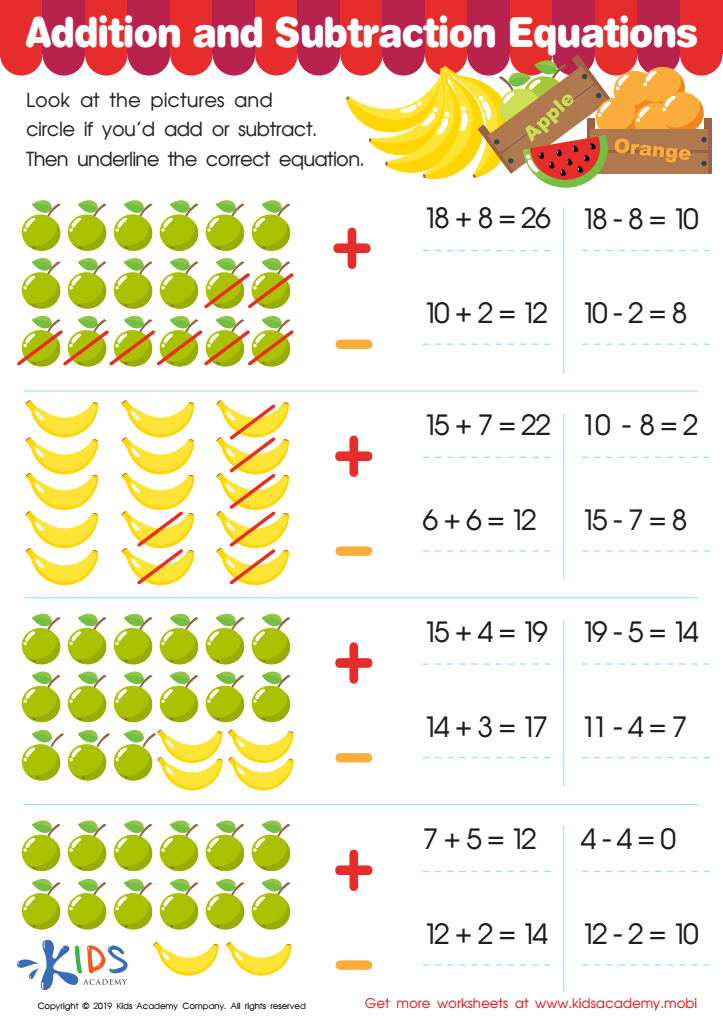
Addition and Subtraction: Equations Worksheet
This worksheet sharpens your child's visual processing, math equation solving and order of operations skills. It features colorful pictures to help them add and subtract, and traceable lines to identify the correct equation. A great way to practice these skills! (80 words)
Addition and Subtraction: Equations Worksheet
Worksheet
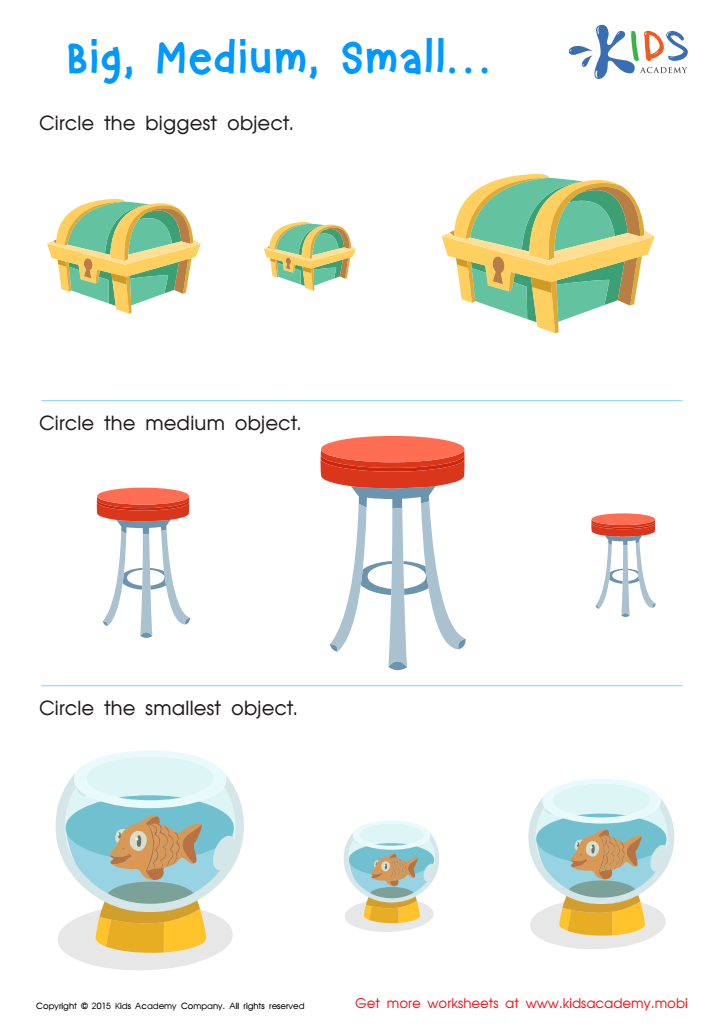
Big Medium Small Worksheet
Kids practice size words as they spot big, medium, and small objects. It's an entertaining way to help children describe the world around them.
Big Medium Small Worksheet
Worksheet
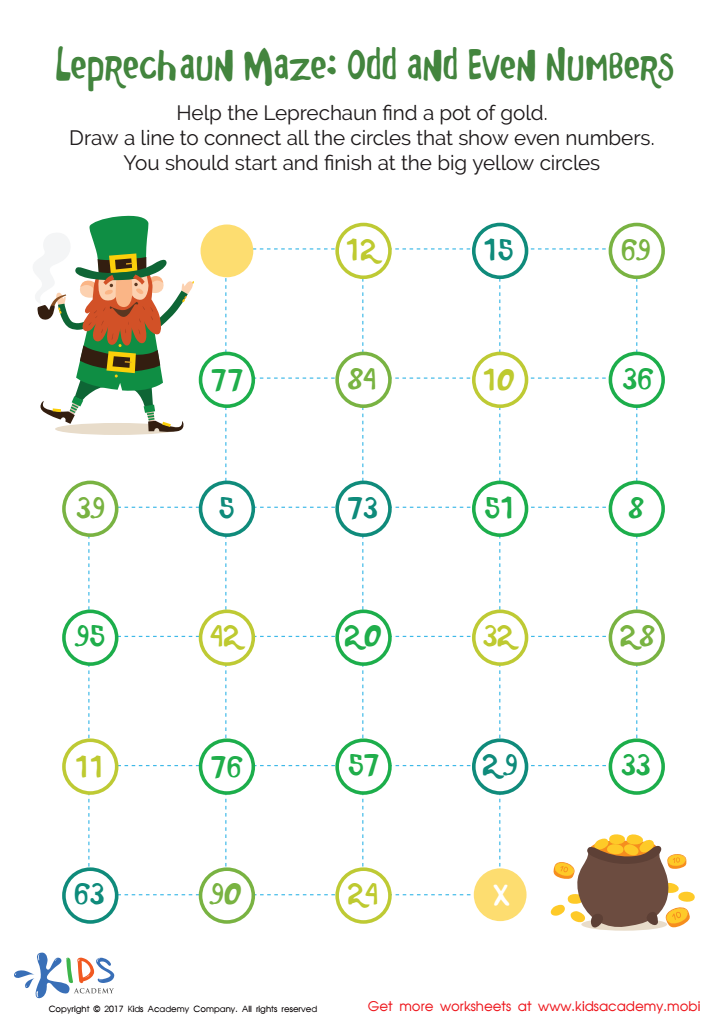
Leprechaun Maze Printable
Help the leprechaun find his pot of gold! Challenge your learner with this St. Patrick's Day worksheet. Let them identify odd or even numbers in the maze and connect the dots. It will be a fun way to celebrate St. Patrick's Day!
Leprechaun Maze Printable
Worksheet
Join Kids Academy for Free
Who is primarily going to use this learning content?







.jpg)
Critical Thinking Extra Challenge Math activities for ages 4-6 are essential for fostering young children's cognitive development. At this formative stage, children's brains are exceptionally receptive to new information and skills. Introducing critical thinking and complex problem-solving tasks through math helps cultivate their analytical abilities, logical reasoning, and creative thinking.
Firstly, early exposure to challenging math activities nurtures a positive attitude towards learning and problem-solving. When children solve puzzles and engage with challenging tasks, they build confidence in their abilities and develop a growth mindset. This mindset encourages persistence, resilience, and a love for learning.
Secondly, these activities enhance foundational skills that are crucial for academic success. Critical thinking in math involves understanding patterns, sequencing, and the relationships between numbers, which are vital for higher-level math and other subjects. Engaging in such activities strengthens their ability to follow multi-step processes and boosts their executive functioning skills, such as working memory and cognitive flexibility.
Lastly, incorporating critical thinking math challenges provides a fun and interactive way for children to learn. Through playful and stimulating tasks, children remain engaged and enthusiastic about learning. This playful learning environment fosters curiosity and promotes a lifelong interest in exploring and understanding the world around them. By prioritizing these activities, parents and teachers ensure that children develop holistically, preparing them for future academic and personal success.








