Phonics Skills Extra Challenge Alphabet Worksheets for Ages 4-7
6 filtered results
-
From - To
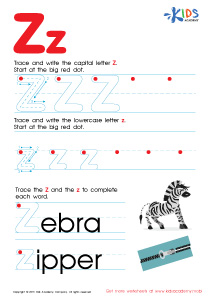
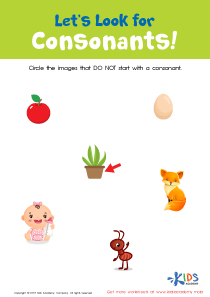
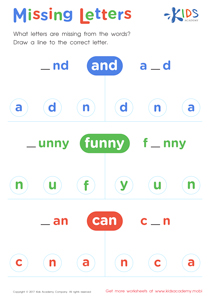
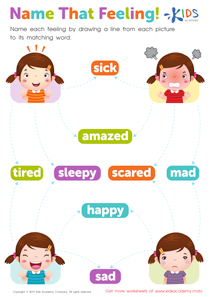
Boost your child’s reading abilities with our Phonics Skills Extra Challenge Alphabet Worksheets designed for ages 4-7. These engaging and educational worksheets are crafted to help young learners master letter recognition, sounds, and early word formation. Perfect for both classroom and home use, each worksheet offers exciting activities that make learning the alphabet fun and interactive. Encourage independent learning and build a strong literacy foundation with our age-appropriate challenges. Whether tracing letters or identifying phonetic sounds, these worksheets are an excellent resource for enhancing your child’s phonics skills and setting them on the path to reading success.
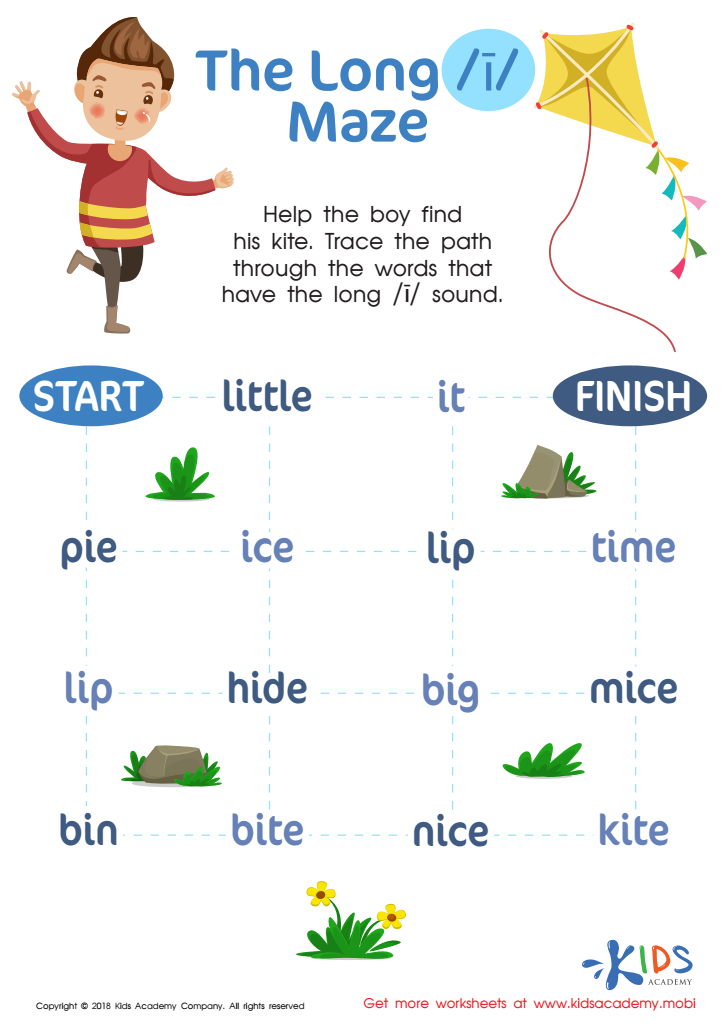
The Long I Maze Reading Worksheet
 Assign to My Students
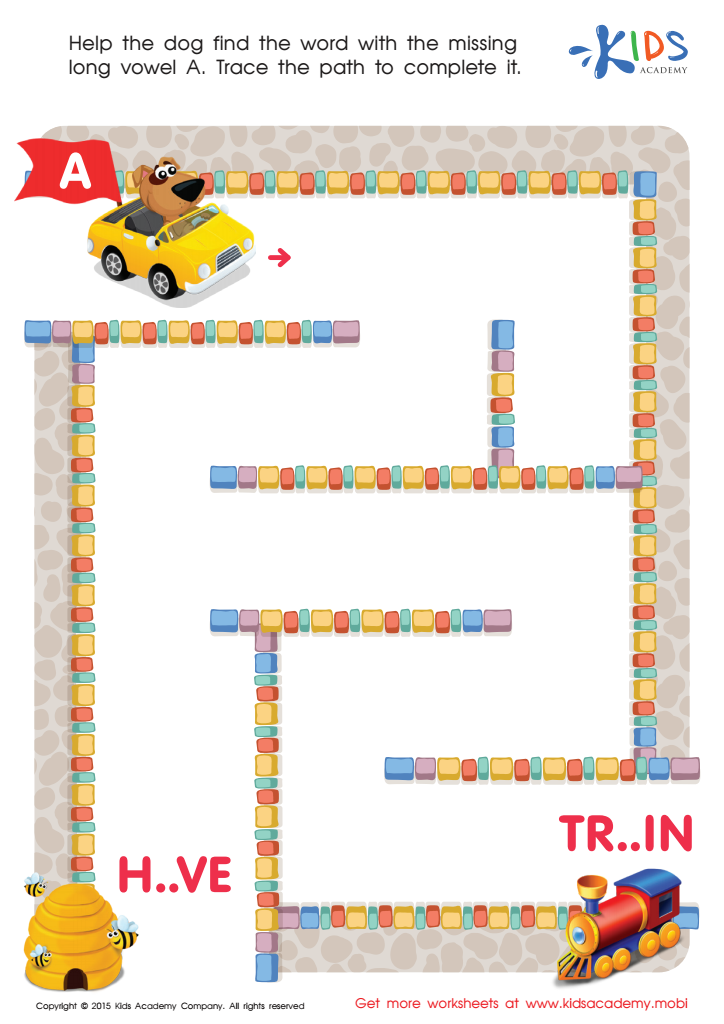
Long Vowel Sound A Worksheet
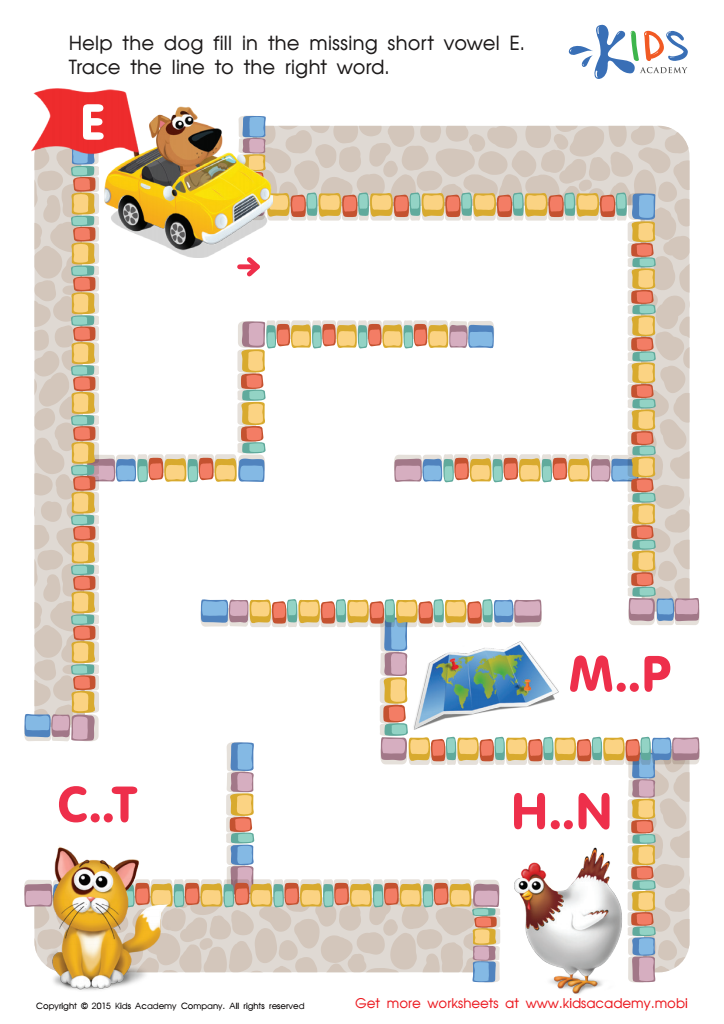
Short Vowel Sound E Worksheet
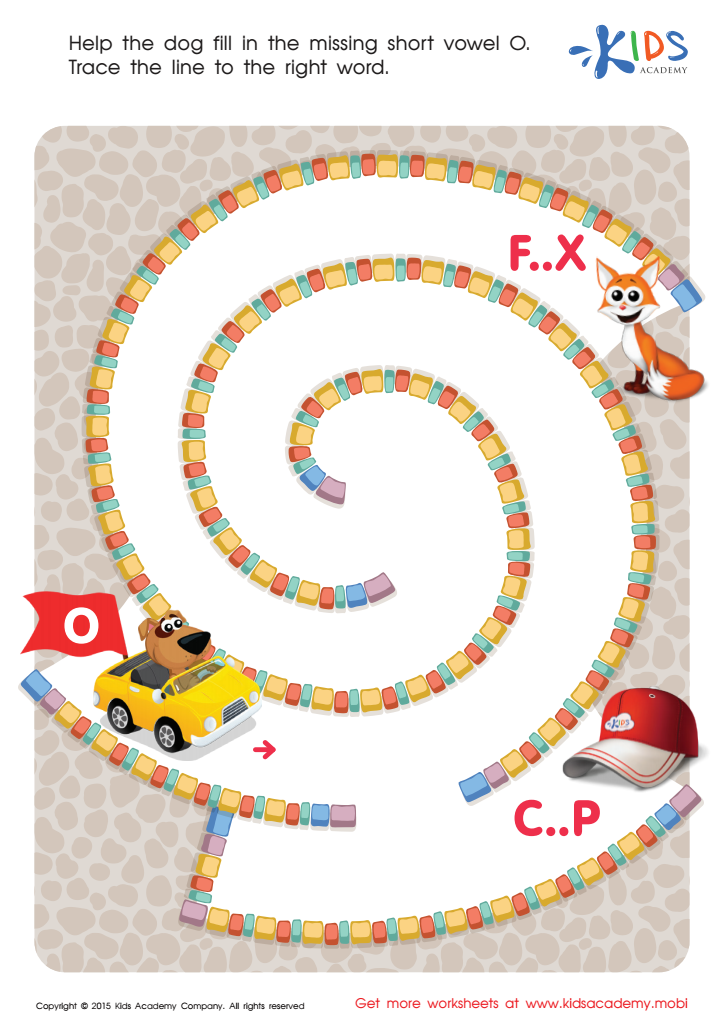
Short Vowel Sound O Worksheet
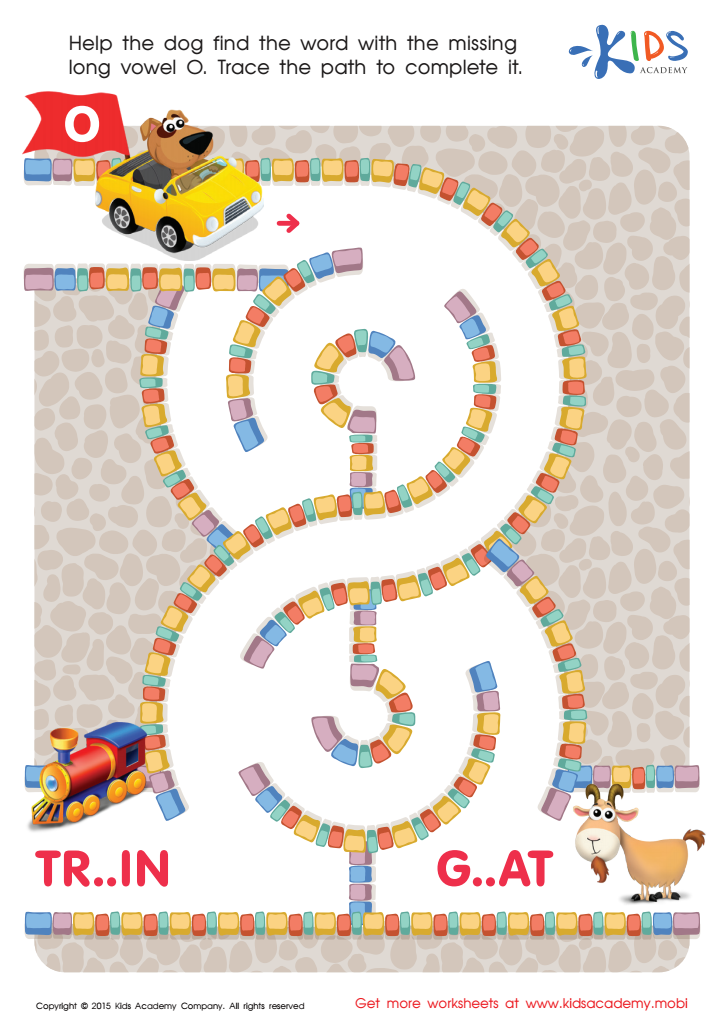
Long Vowel Sound O Worksheet
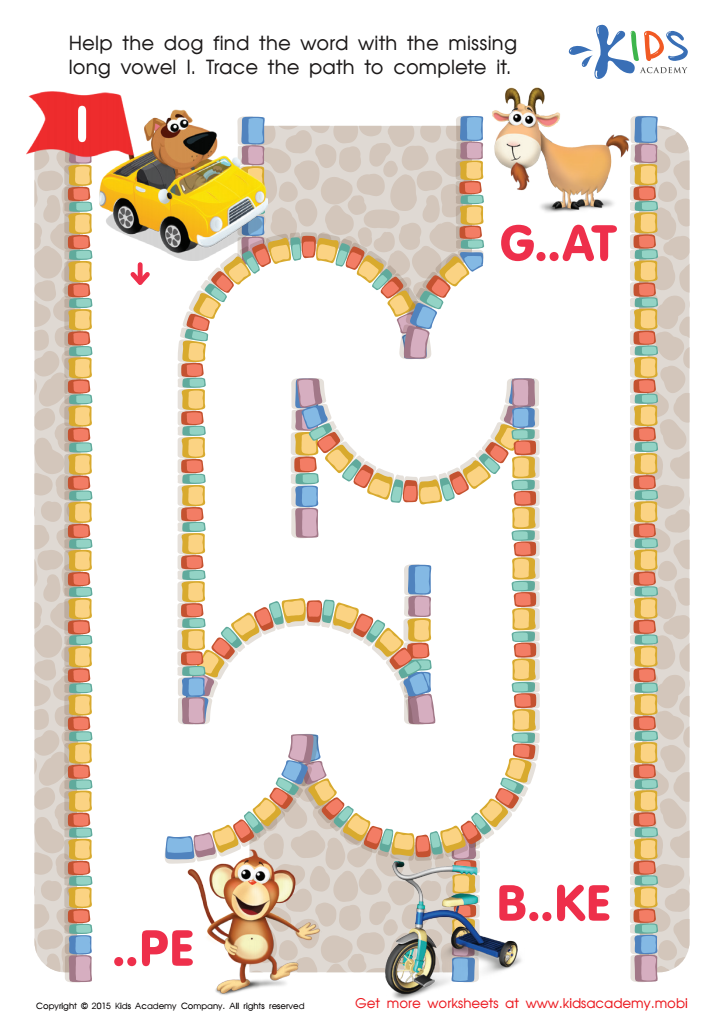
Long Vowel Sound I Worksheet








Phonics Skills Extra Challenge Alphabet for ages 4-7 is essential as it forms the foundation of early literacy and reading proficiency. At this critical developmental stage, young children are rapidly expanding their vocabulary and learning the basic mechanics of reading. By engaging with phonics activities, children learn to connect sounds with letters and letter combinations, a vital skill for decoding words.
Phonics instruction helps children understand the systematic relationship between spoken sounds and written letters, reinforcing their ability to read fluently and comprehend text. By focusing on each letter and its corresponding sound, phonics challenges ensure children can break down and understand simple to complex words.
Moreover, children who receive phonics instruction typically demonstrate higher reading ability and better informed cognitive skills as they progress through school. For parents and teachers, incorporating supplemental activities like Phonics Skills Extra Challenge Alphabet can provide tailored reinforcement of in-class lessons, ensuring students who might struggle with reading receive the practice needed to join their peers.
For advanced learners, these challenges present an opportunity to deepen and extend their skills, keeping them engaged and pushing their learning boundaries. This proactive engagement helps in building language competency, promoting a lifelong love for reading, and establishing a robust foundation for future academic success.