Extra Challenge Vowels Worksheets for Ages 4-7
10 filtered results
-
From - To
Discover our "Extra Challenge Vowels Worksheets for Ages 4-7," designed to enhance literacy skills through engaging and interactive activities. These worksheets provide an excellent way for young learners to explore vowels in a fun and stimulating environment. Featuring a variety of exercises such as identifying vowels, filling in missing letters, and matching activities, your child will develop essential reading and writing skills. Ideal for early learners looking for an extra challenge, our printable worksheets ensure a comprehensive understanding of vowel sounds and their importance in language development. Boost your child's confidence and literacy with our vibrant and educational worksheet collection today!
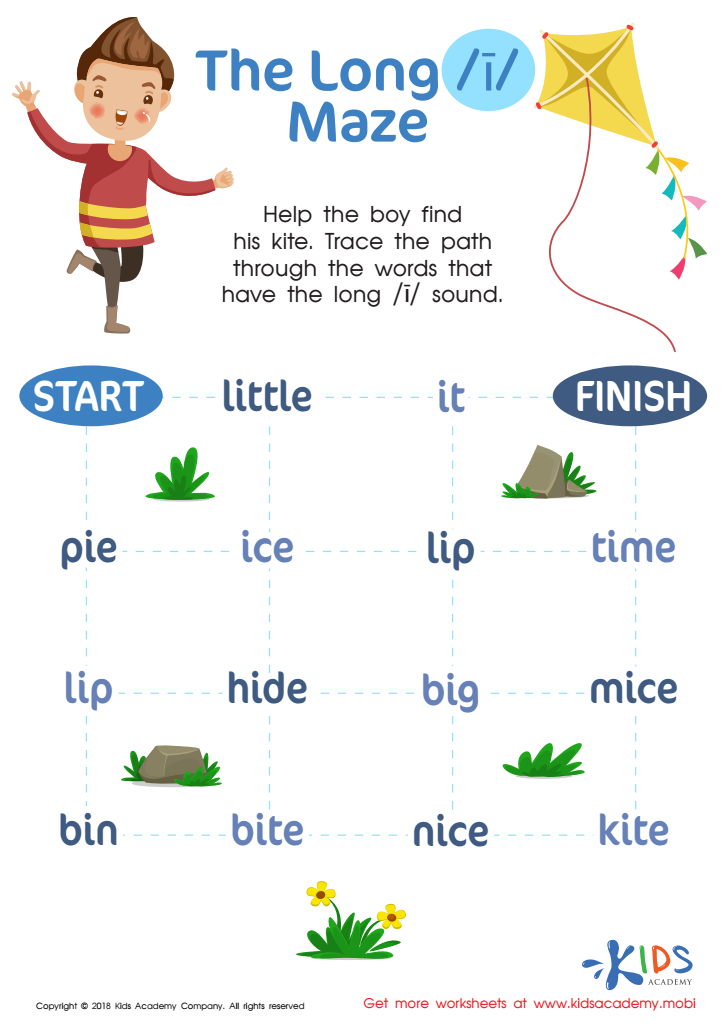
The Long I Maze Reading Worksheet
 Assign to My Students
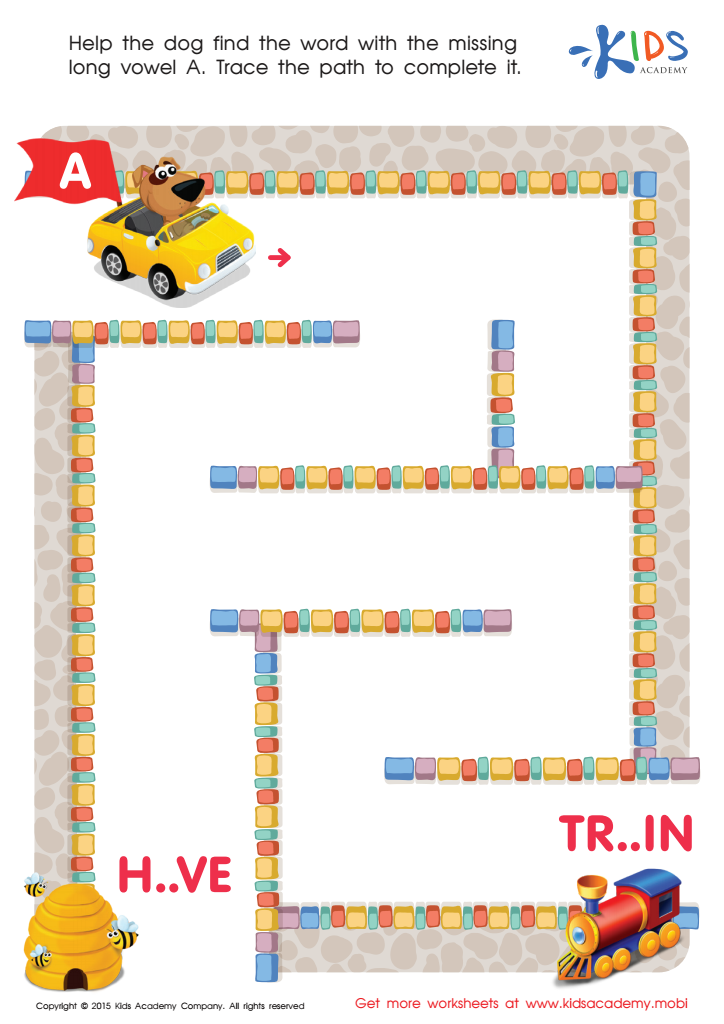
Long Vowel Sound A Worksheet
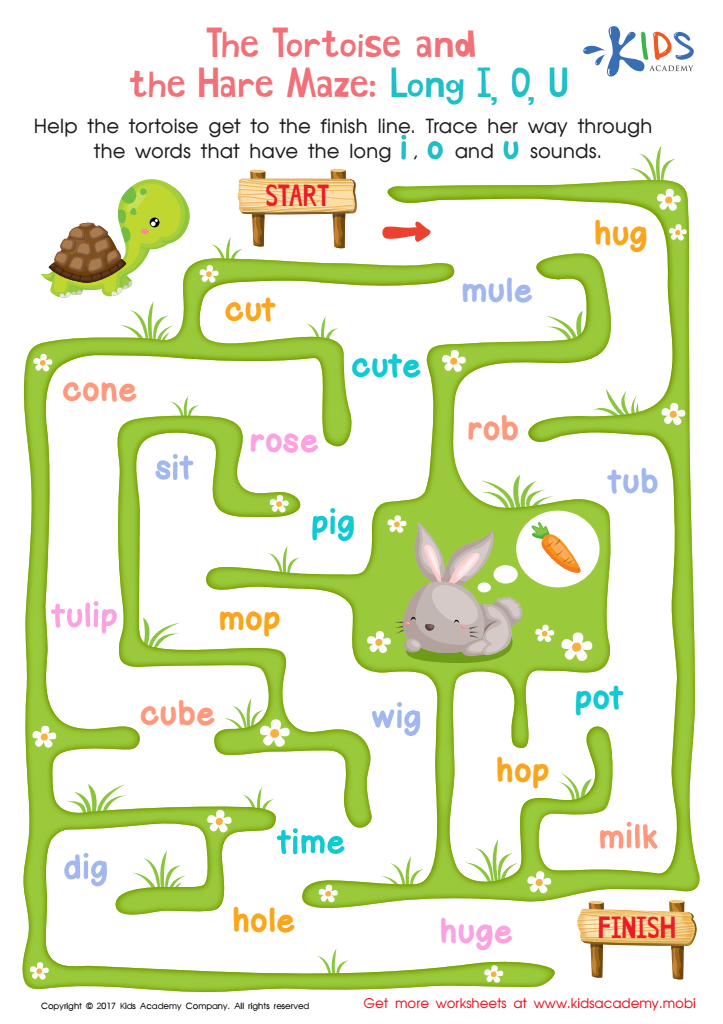
Long I, O, U Words Worksheet
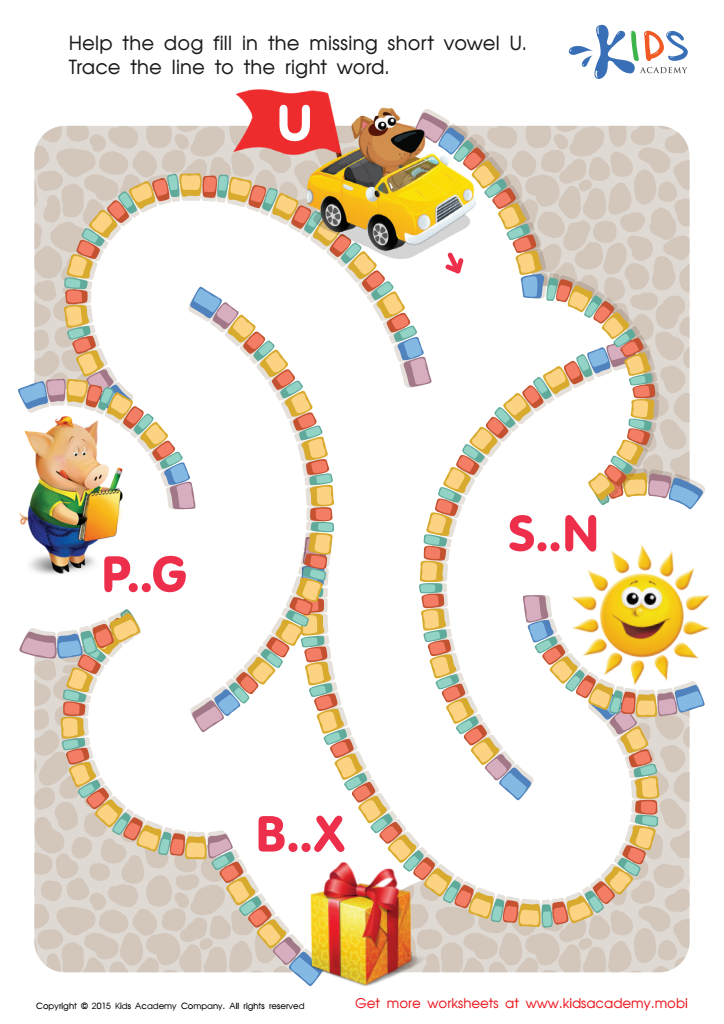
Short Vowel Sound U Worksheet
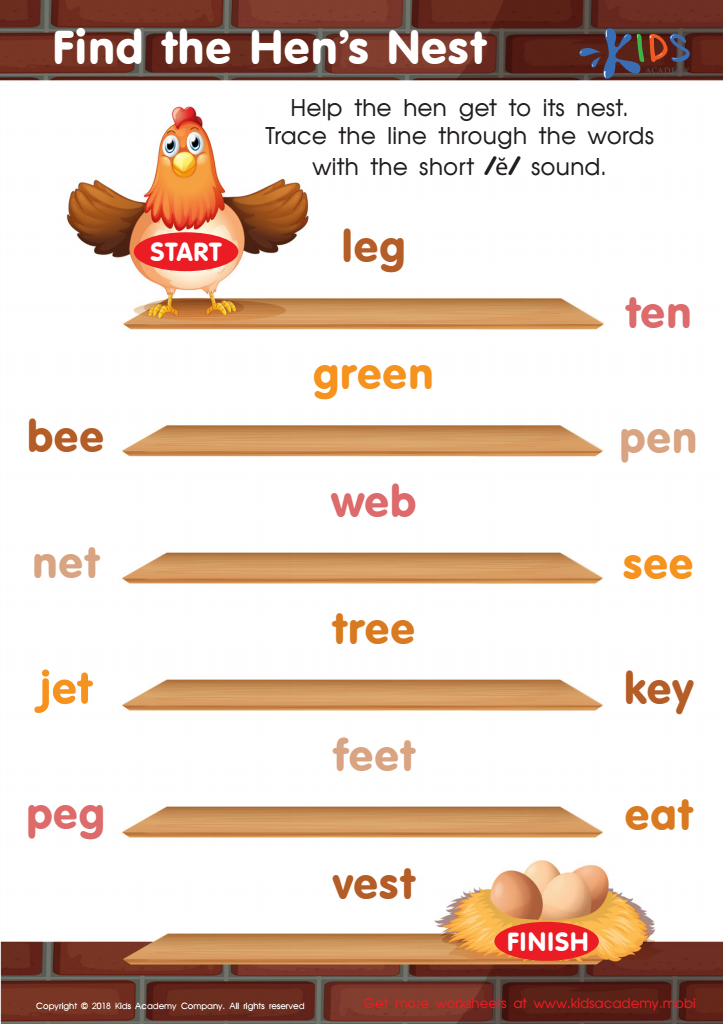
Find Hens Nest Reading Worksheet
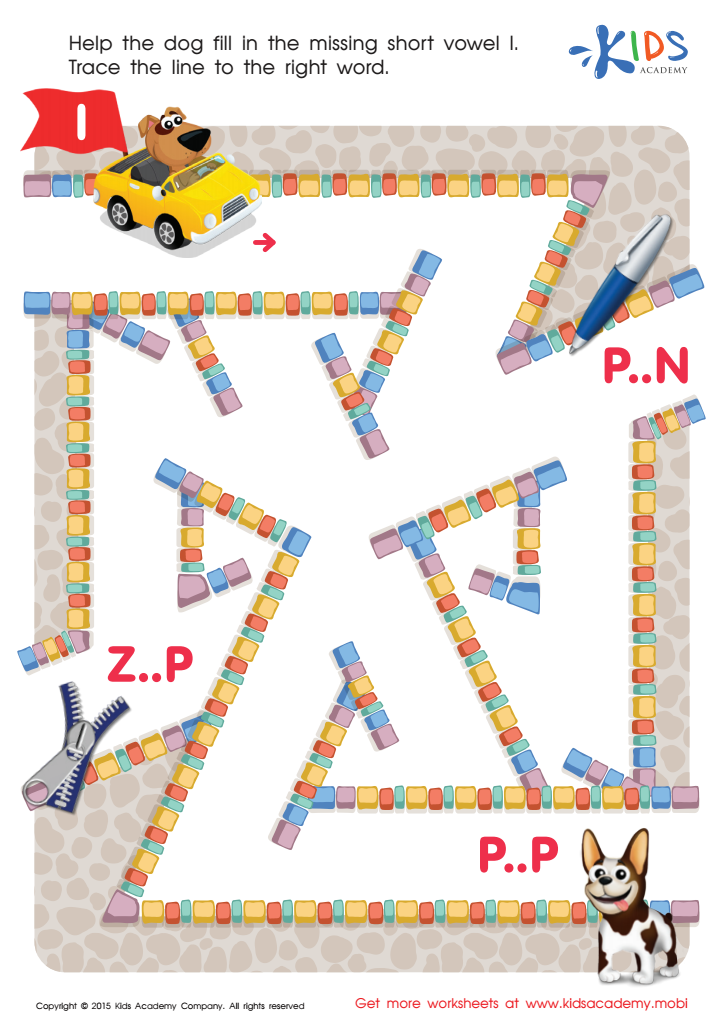
Short Vowel Sound I Worksheet
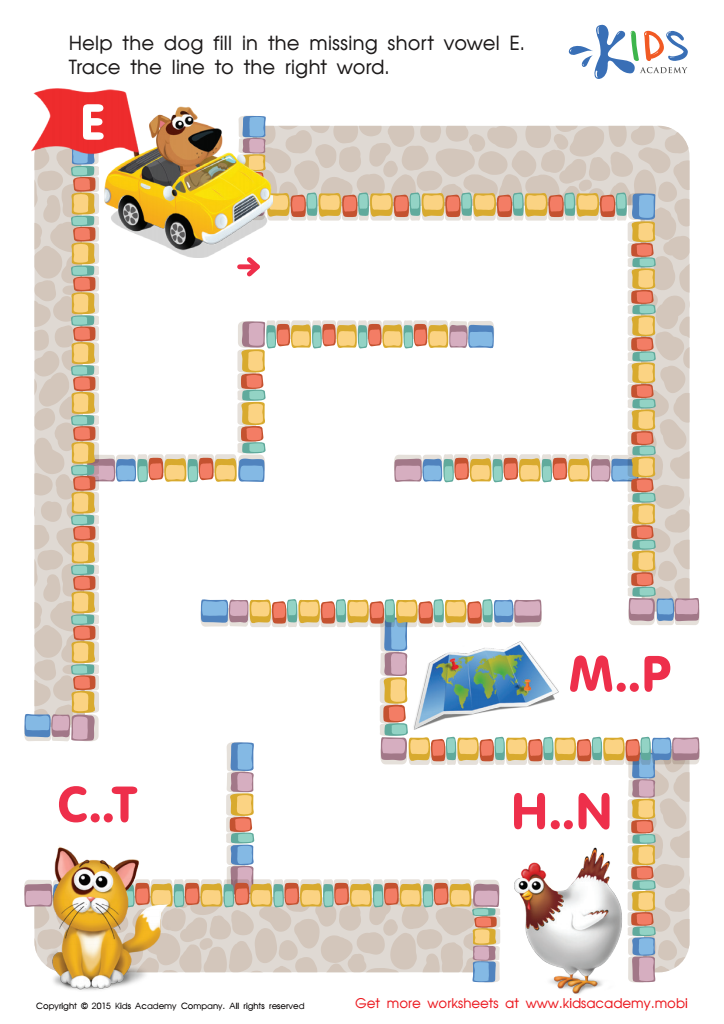
Short Vowel Sound E Worksheet
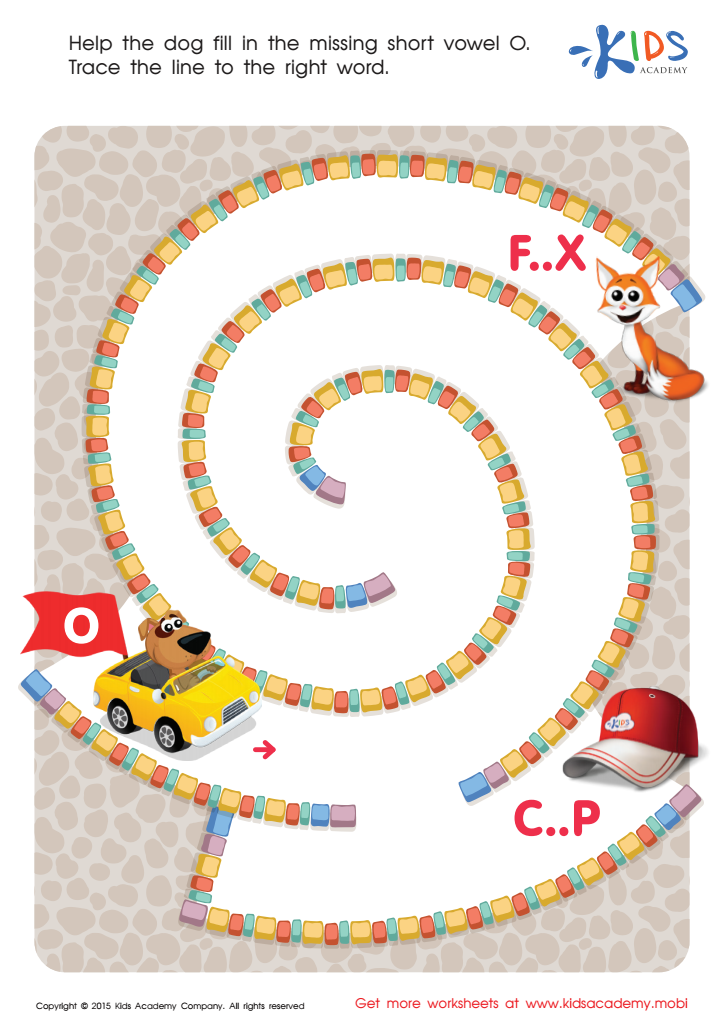
Short Vowel Sound O Worksheet
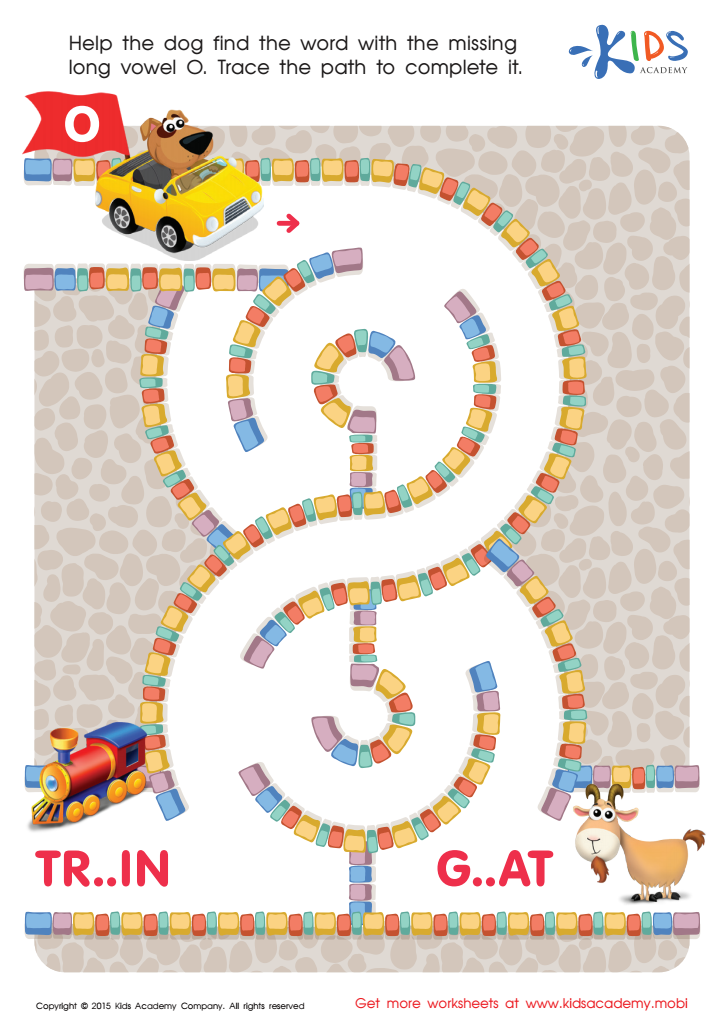
Long Vowel Sound O Worksheet
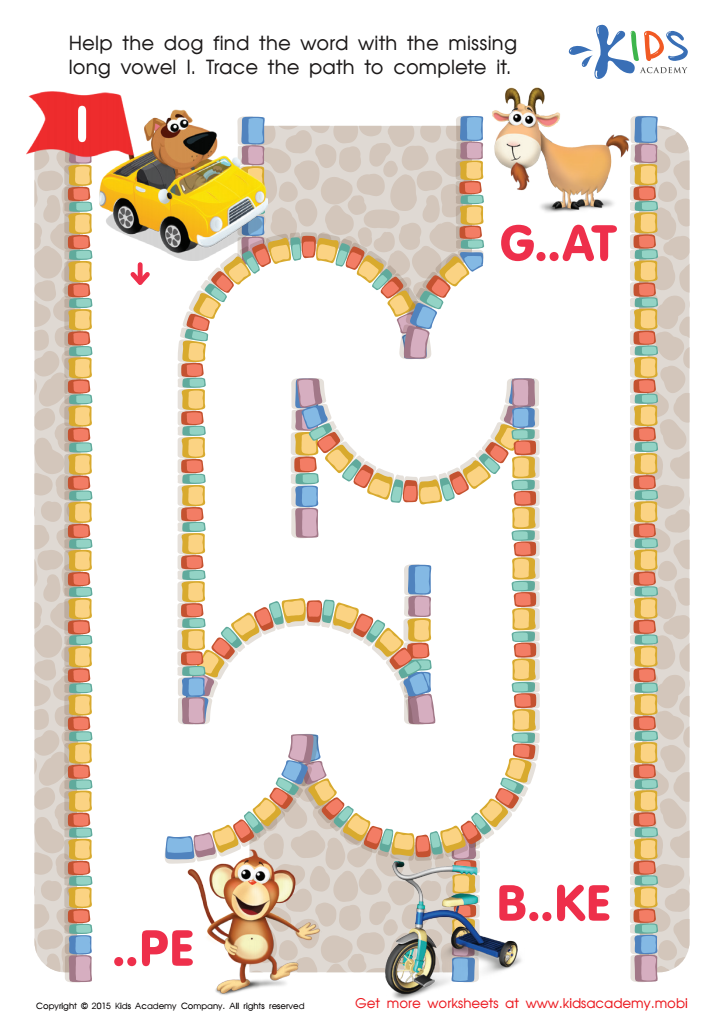
Long Vowel Sound I Worksheet





Extra Challenge Vowels for ages 4-7 is a valuable resource that can significantly enhance early literacy skills in young learners. This age is crucial for developing foundational reading abilities, and incorporating specific challenges with vowels can provide numerous benefits for children.
Firstly, vowels are the building blocks of language, and understanding them is essential for decoding words. Engaging in activities that focus on vowels helps children recognize patterns and sounds, fostering phonemic awareness. This awareness is central to reading fluency and comprehension.
Moreover, Extra Challenge Vowels promotes critical thinking and problem-solving skills. By encouraging children to explore different vowel sounds and their usages, it helps build flexibility in language use. This not only aids in spelling but also enriches their vocabulary, enhancing overall communication.
In addition, these activities can be tailored to individual learning paces, making it easier for educators and parents to keep children motivated and engaged. Instilling a love for learning and language at this age will not only set a strong foundation for future academic success but can also enhance a child’s confidence in their reading abilities. Investing time in Extra Challenge Vowels is an effective way to support each child’s literacy development at an early stage.