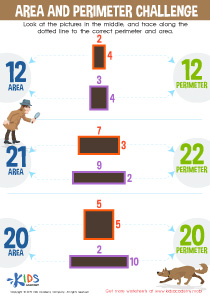
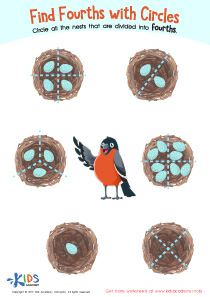
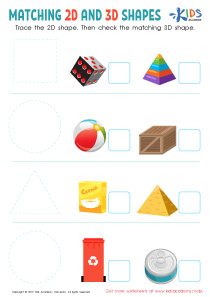
Shape identification Extra Challenge 2D Shapes Worksheets for Ages 4-7
3 filtered results
-
From - To
Introducing our "Shape Identification Extra Challenge 2D Shapes Worksheets" designed specifically for children ages 4-7! These engaging worksheets provide a fun and interactive way for young learners to master their understanding of basic two-dimensional shapes. Each activity is thoughtfully crafted to challenge their critical thinking skills, enhance shape recognition, and promote fine motor skills through cutting, drawing, and coloring exercises. Perfect for both classroom and home use, these worksheets include vibrant illustrations and varied challenges that keep kids motivated while learning. Encourage your child’s creativity and cognitive development with our extra challenge worksheets today!
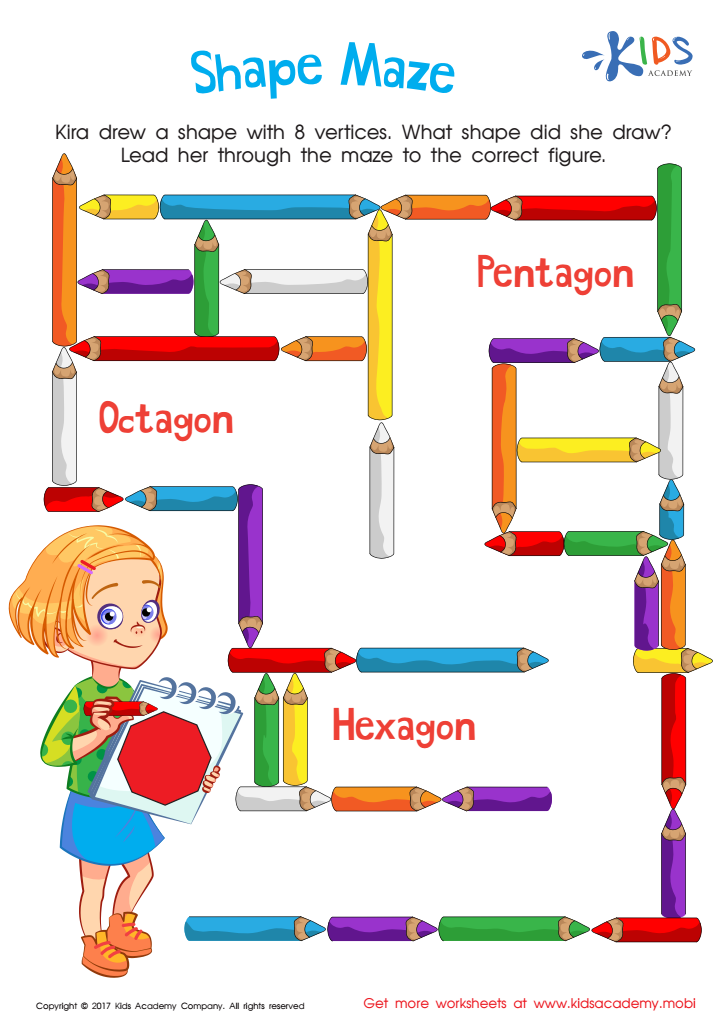
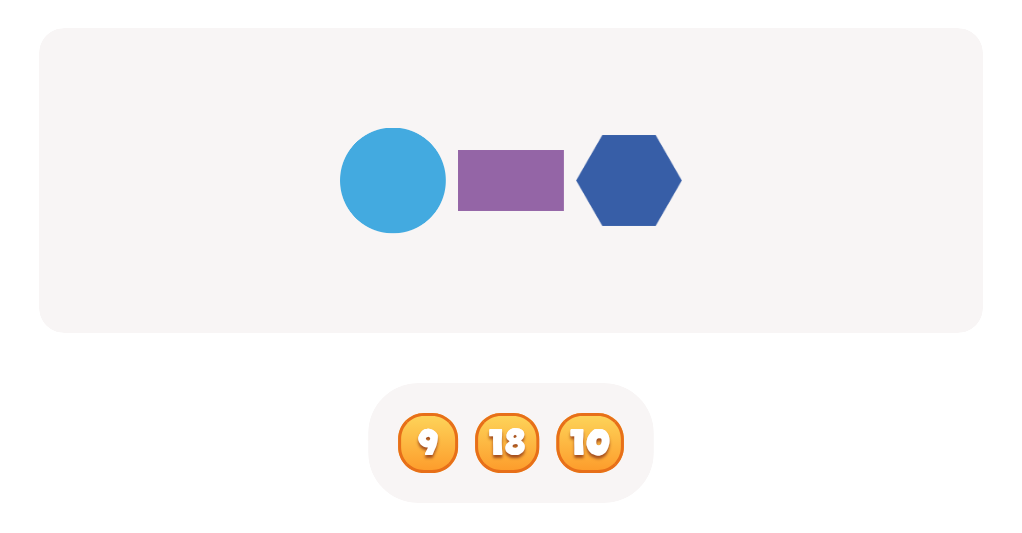
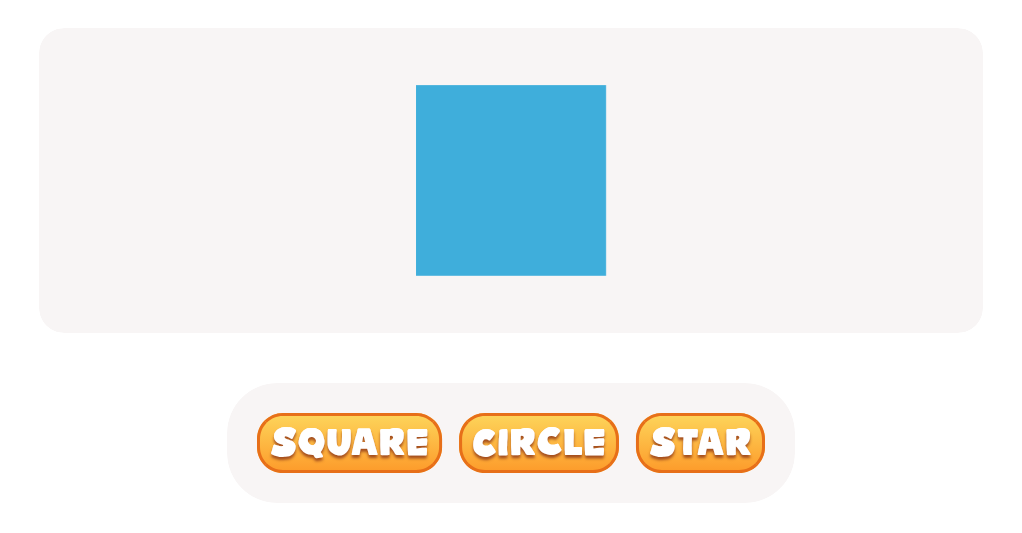
Shape Maze Worksheet
 Assign to My Students

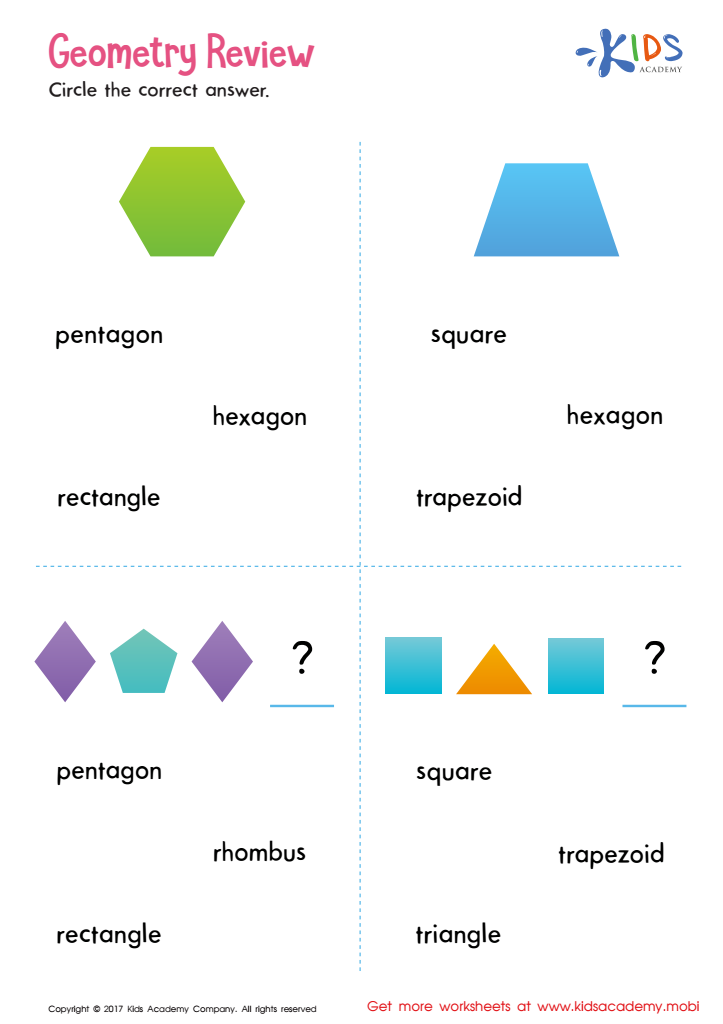
Geometry Review Printable
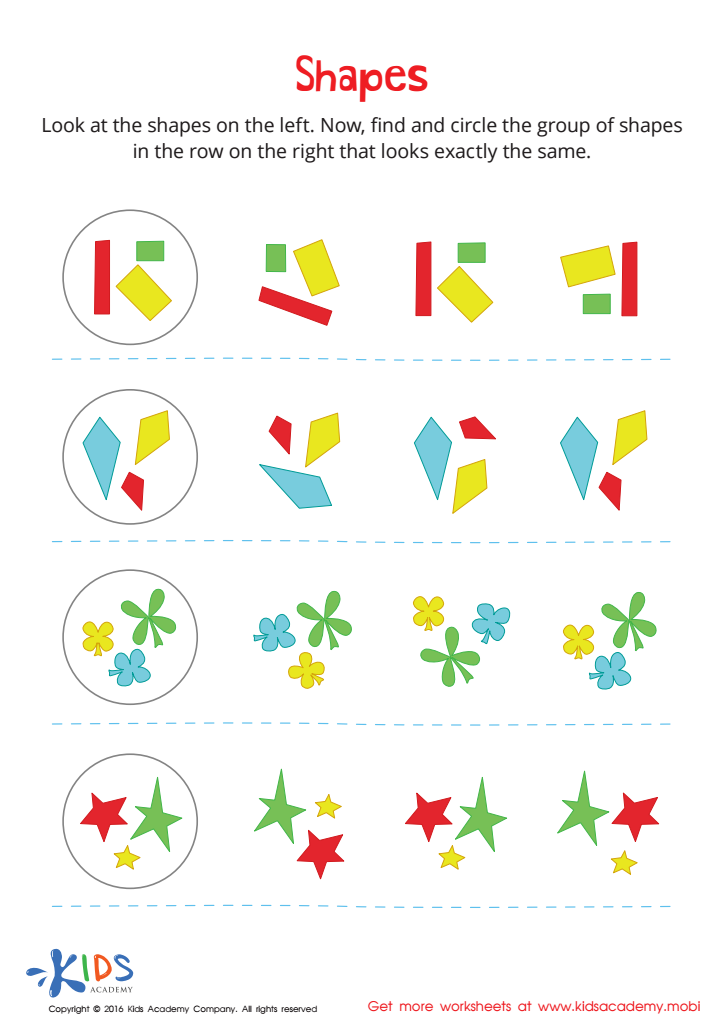
Shapes Worksheet








Shape identification plays a crucial role in the cognitive and social development of children aged 4-7. This foundational skill lays the groundwork for advanced math concepts such as geometry, spatial reasoning, and measurement. When parents and teachers engage children in activities focused on shape identification, they foster critical thinking and problem-solving abilities. Recognizing shapes enables children to categorize and compare objects, which is essential for their analytical skills.
Furthermore, mastering 2D shapes enhances spatial awareness and visualization, aiding in real-world applications such as reading maps or understanding architectural designs. Shape identification also intersects with art and creativity, motivating children to express themselves and think outside the box.
Additionally, these activities contribute to language development. As children learn to describe shapes using appropriate terminology, they expand their vocabulary and communication skills, crucial for effective interpersonal relationships. Parents and teachers who focus on these challenges not only engage students in playful learning but also promote enthusiasm for learning itself.
Encouraging shape identification can set a child on a path to academic success and lifelong learning, which is why it's an essential area of focus for parents and educators alike.