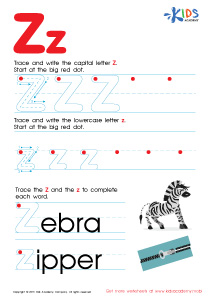
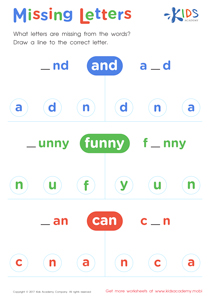
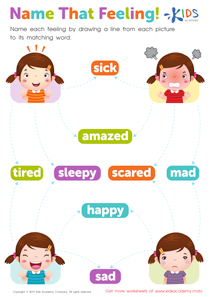
Handwriting practice Extra Challenge Letter Recognition Worksheets for Ages 4-8
5 filtered results
-
From - To
Boost your child's confidence and handwriting skills with our "Handwriting Practice Extra Challenge Letter Recognition Worksheets for Ages 4-8". Perfectly designed for young learners, these engaging worksheets combine fun activities with targeted practice to improve letter identification and penmanship. Each worksheet offers variety and repetition to reinforce proper letter formation while keeping children entertained. Ideal for both classroom learning and at-home practice, our extra challenge worksheets encourage active participation and enhance early literacy skills. Empower your child to achieve handwriting proficiency with these expertly crafted, easy-to-use resources. Visit today and watch their skills flourish!
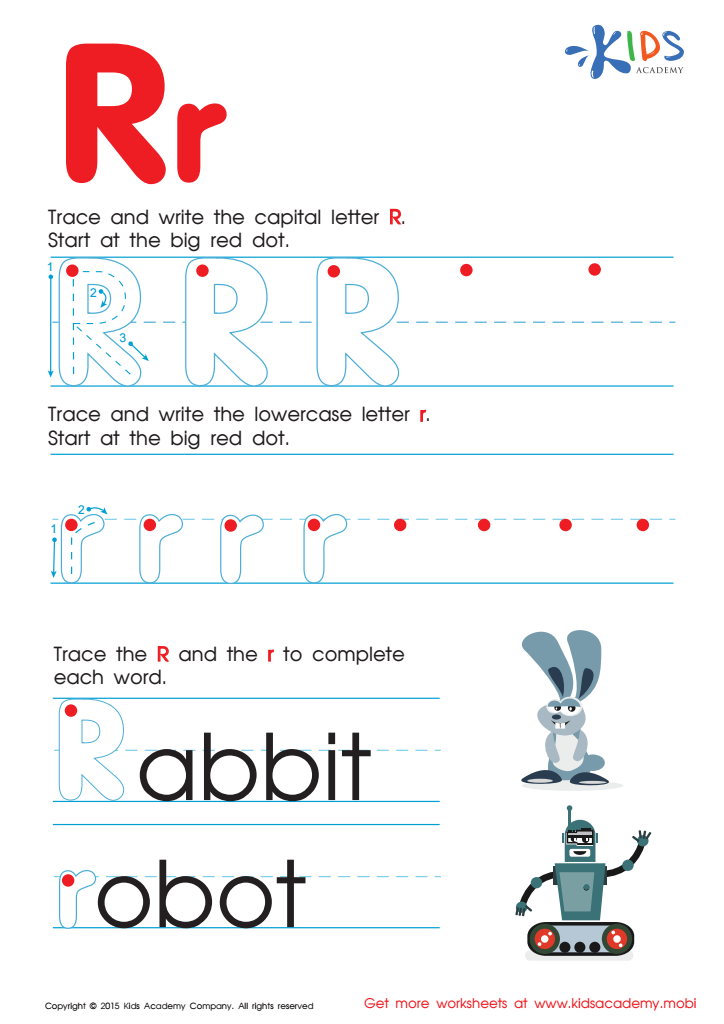
Letter R Tracing Page
 Assign to My Students
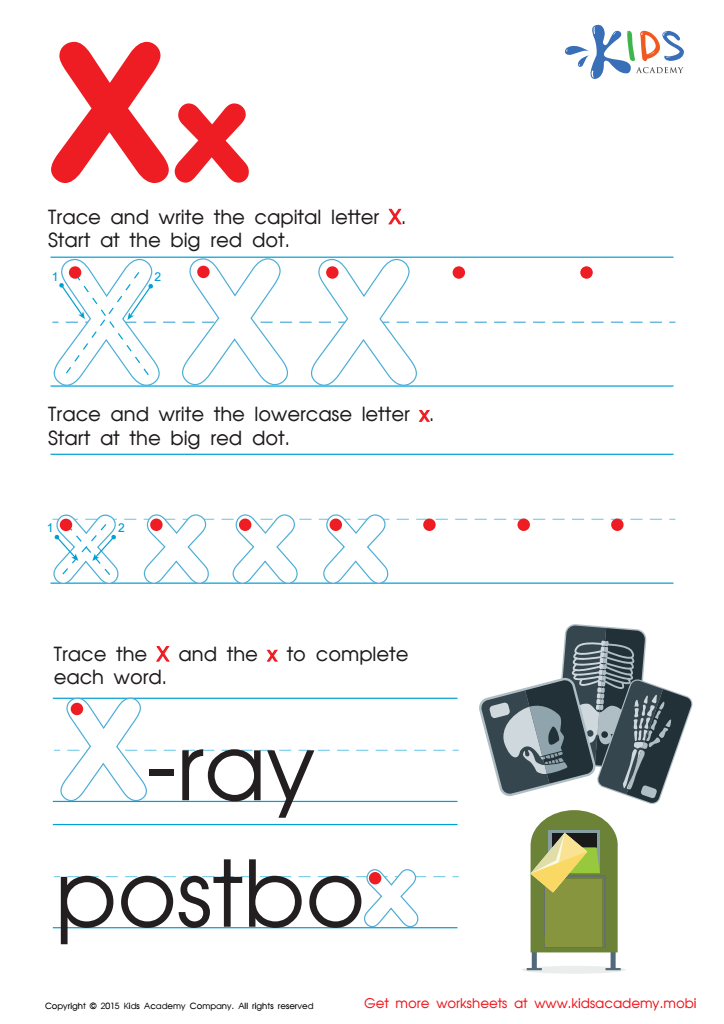
Letter X Tracing Page
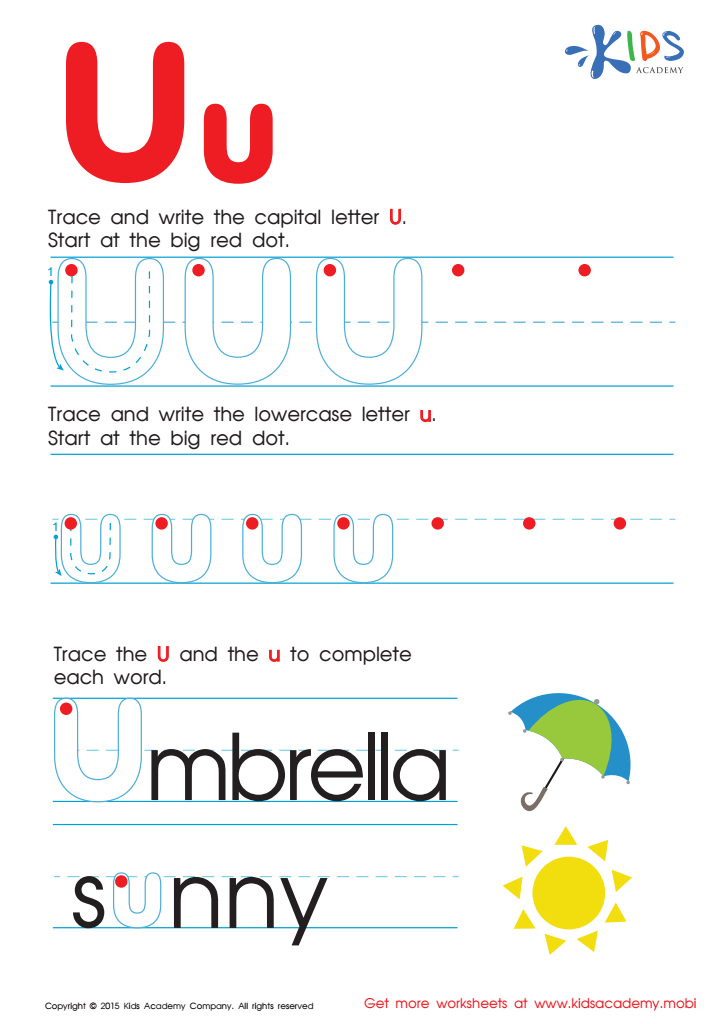
Letter U Tracing Page
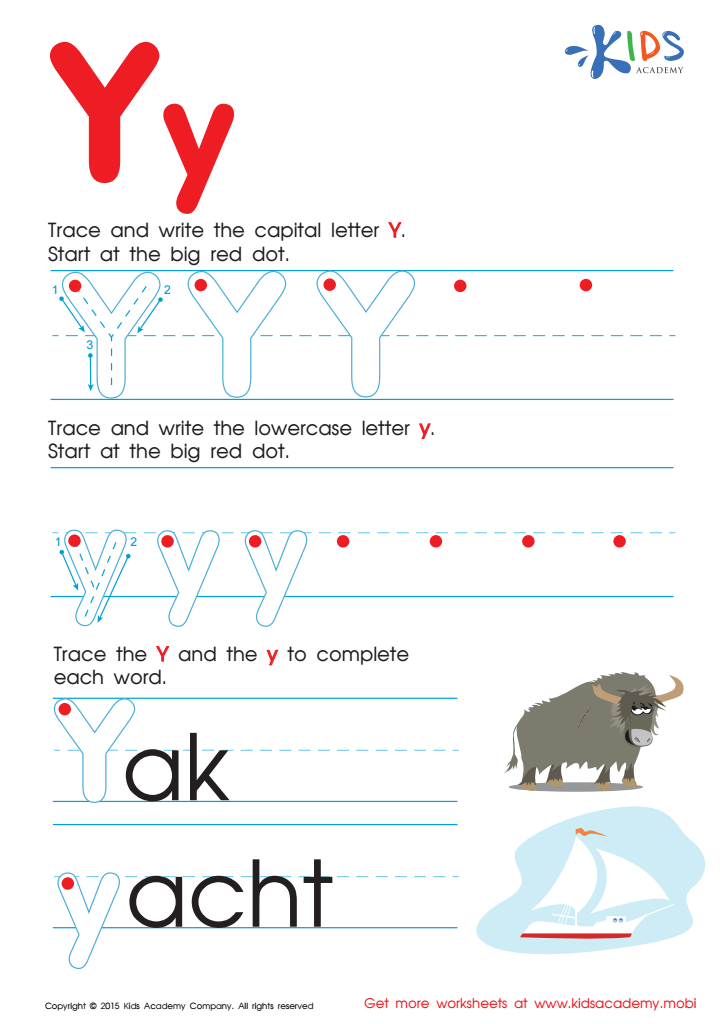
Letter Y Tracing Page
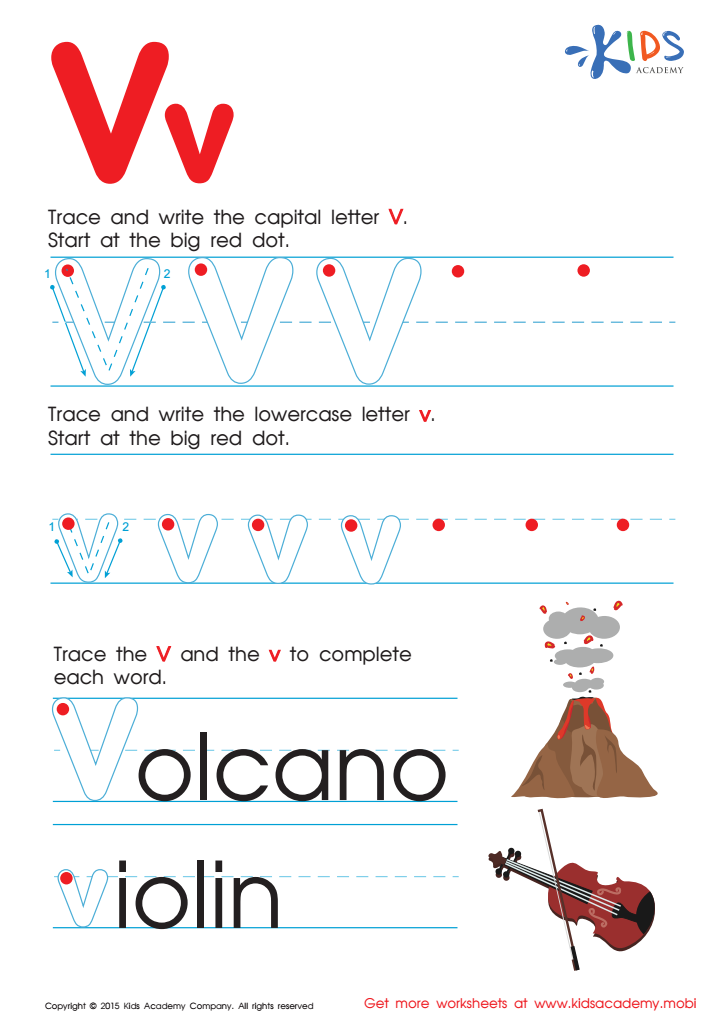
Letter V Tracing Page








Handwriting practice and letter recognition are foundational skills for young learners aged 4–8, and parents and teachers should prioritize them. At this critical developmental stage, children's brains are rapidly developing, and early literacy activities can lay a solid groundwork for future educational success.
Firstly, handwriting practice enhances fine motor skills. By learning to grip a pencil and form letters, children refine their hand muscles and coordination, which are essential for tasks beyond writing, such as buttoning clothes or using scissors. Additionally, the act of writing helps reinforce letter recognition. When children repeatedly form letters, they not only remember their shapes but also learn their sounds, fostering early reading skills.
Neurological studies also show that handwriting activates brain areas associated with learning and memory. This tactile experience can enhance a child's ability to process and retain information, making them more efficient learners in the long run. Equally important is that handwriting practice can foster a sense of accomplishment and boosts self-esteem, which is significant for young learners’ emotional development.
Finally, these early literacy skills serve as predictors for academic success. Children proficient in handwriting and letter recognition are more likely to excel in reading, writing, and other subject areas, setting them on a path to lifelong learning.
In summary, focusing on handwriting practice and letter recognition for children aged 4-8 has multifaceted benefits, from fine motor skills and cognitive development to emotional growth and academic success.