Cognitive Development Extra Challenge Phonics Worksheets for Ages 4-8
3 filtered results
-
From - To
Enhance your child's learning with our Cognitive Development Extra Challenge Phonics Worksheets, designed specifically for ages 4-8. These engaging worksheets are crafted to stimulate young minds and boost phonics skills through fun, educational activities. Covering everything from letter recognition to blending sounds, our worksheets offer an advanced challenge to support cognitive development and critical thinking. Perfect for both classroom and home use, these resources help build strong foundational literacy skills while keeping learning exciting and interactive. Give your child the extra edge in mastering phonics with our expertly designed challenge worksheets.
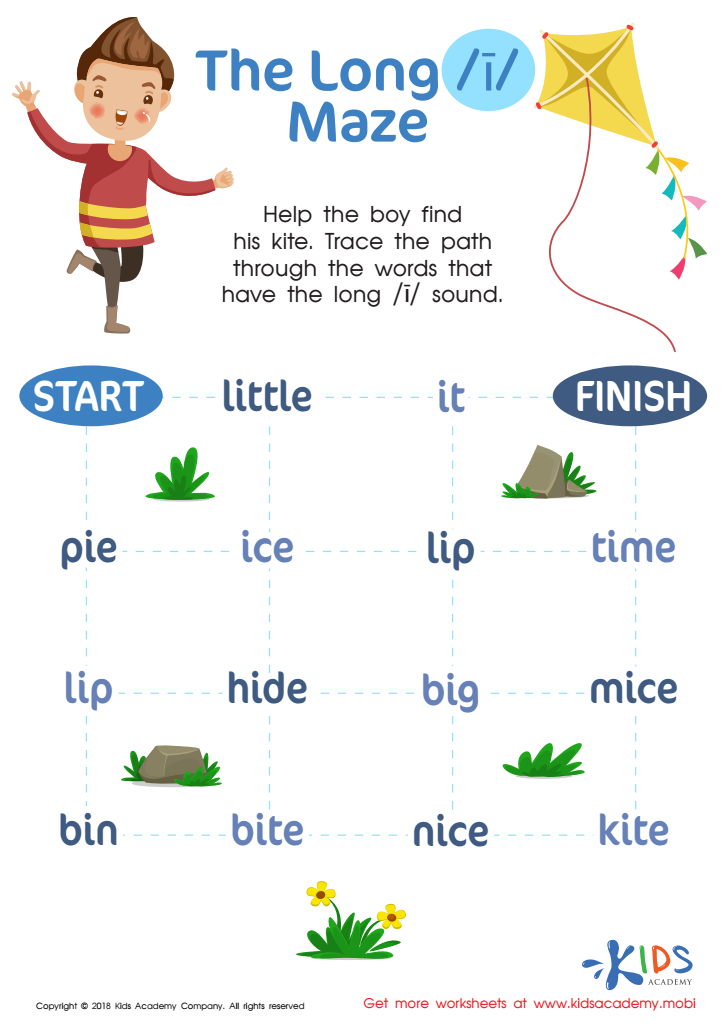
The Long I Maze Reading Worksheet
 Assign to My Students

Find Hens Nest Reading Worksheet
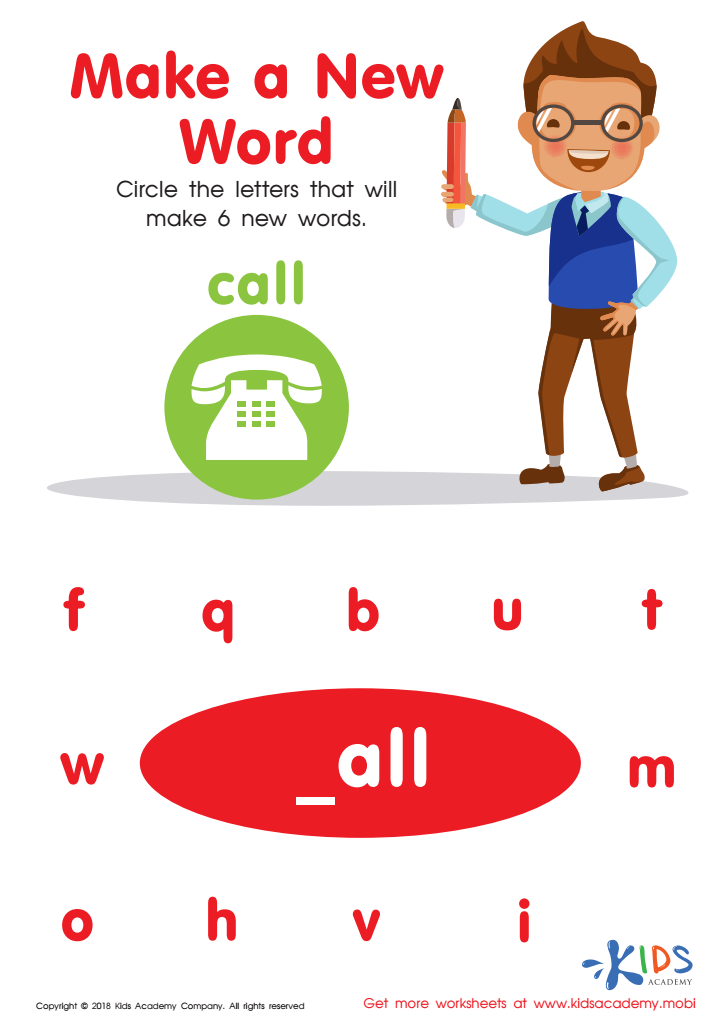
Make a New Word Worksheet








Caring about Cognitive Development Extra Challenge Phonics for ages 4-8 is crucial for parents and teachers because these early years form the foundation for a child’s lifelong learning abilities. At this stage, children's brains are incredibly receptive and capable of rapid growth. Ensuring that children are exposed to extra challenges in phonics supports their cognitive development in reading, spelling, and language comprehension.
Phonics, the method of teaching reading based on sound-symbol relationships, is particularly effective for young learners. When children master phonics skills, they become better at decoding words, which enhances their reading fluency and confidence. This ability to read smoothly and understand text allows children to engage more deeply with educational material, fostering a love for learning.
Extra challenges or activities in phonics further stimulate cognitive growth by pushing the limits of what children are accustomed to, enhancing critical thinking, memory, and problem-solving skills. Engaging with more advanced or intricate phonics exercises encourages children to think critically, make connections, and recognize patterns—all essential academic skills.
Moreover, promoting cognitive development at this early age not only benefits academic achievement but also supports overall brain development, equipping children with the essential skills needed throughout their lives. Parents and teachers have a pivotal role in creating a rich, supportive environment that promotes these developmental milestones, ensuring children are on a path to success.