Letter recognition Extra Challenge Tracing Letters Worksheets for Ages 4-8
7 filtered results
-
From - To
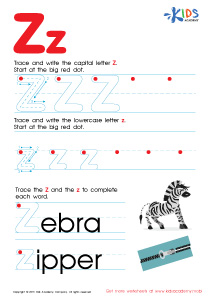
Boost your child's literacy skills with our "Letter Recognition Extra Challenge Tracing Letters Worksheets" designed for ages 4-8. These engaging worksheets offer an exciting way to help young learners master letter recognition through tracing activities. Each worksheet combines fun designs with educational value, encouraging children to practice upper and lower case letters while improving fine motor skills. As they trace, children will develop confidence in letter identification, setting a strong foundation for future reading and writing success. Perfect for teachers and parents alike, these worksheets provide an effective and enjoyable way for kids to enhance their learning experience. Download now and spark their love for letters!
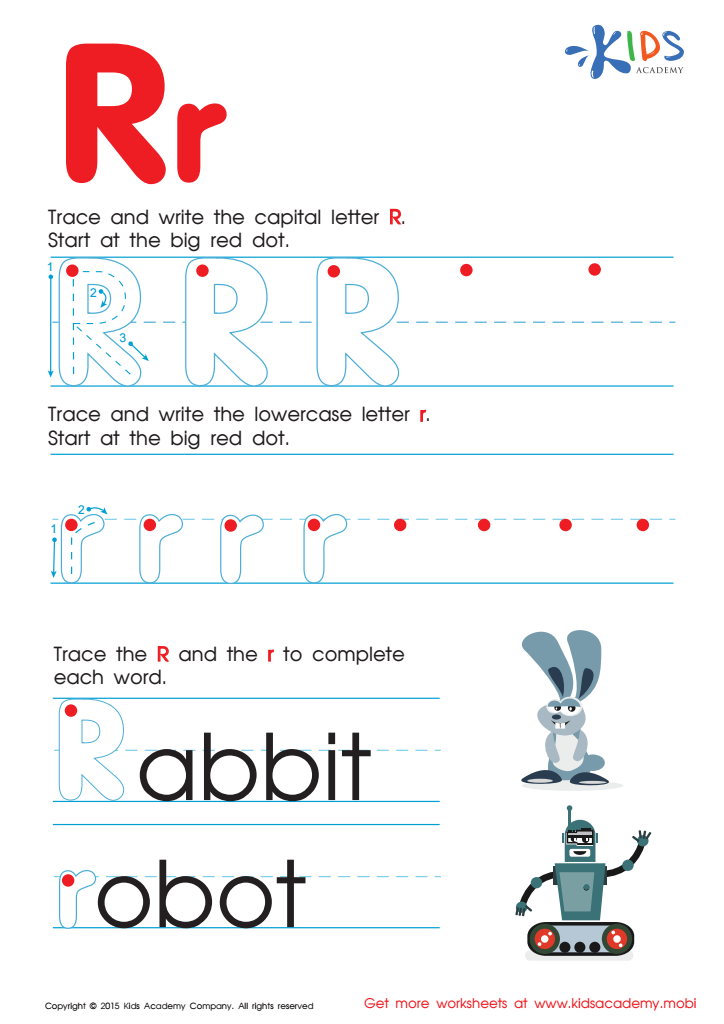
Letter R Tracing Page
 Assign to My Students
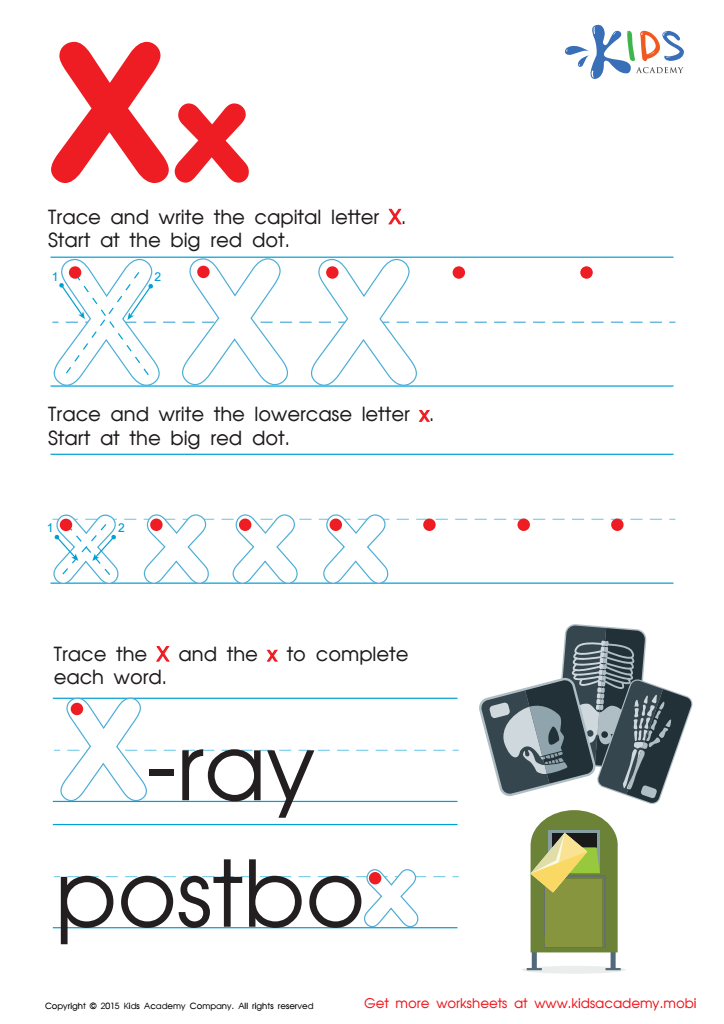
Letter X Tracing Page
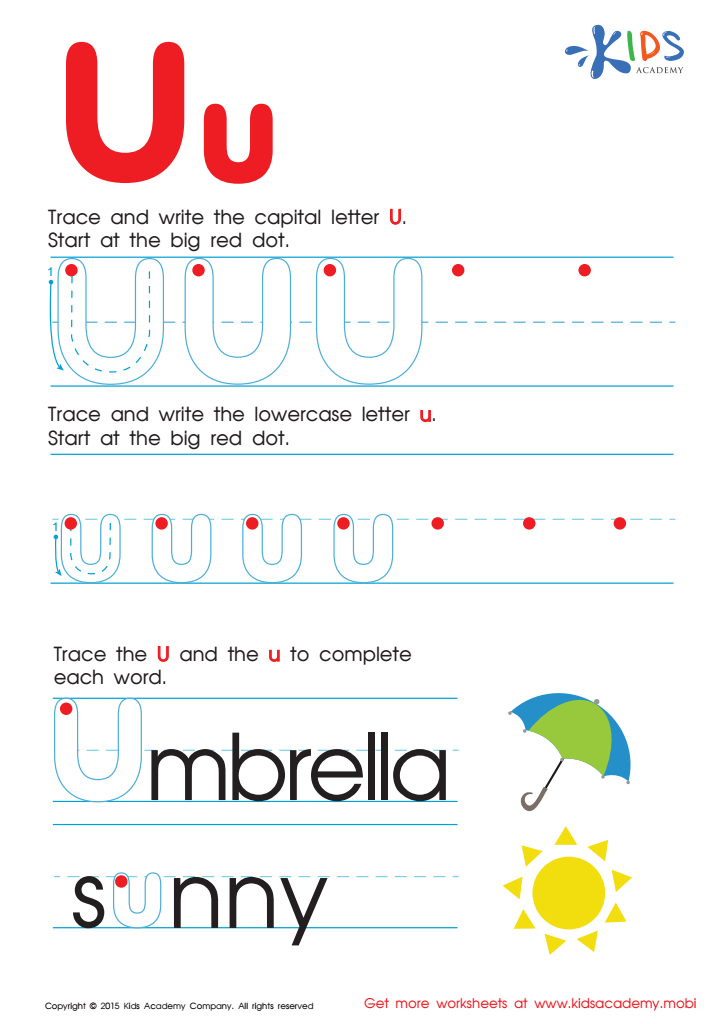
Letter U Tracing Page
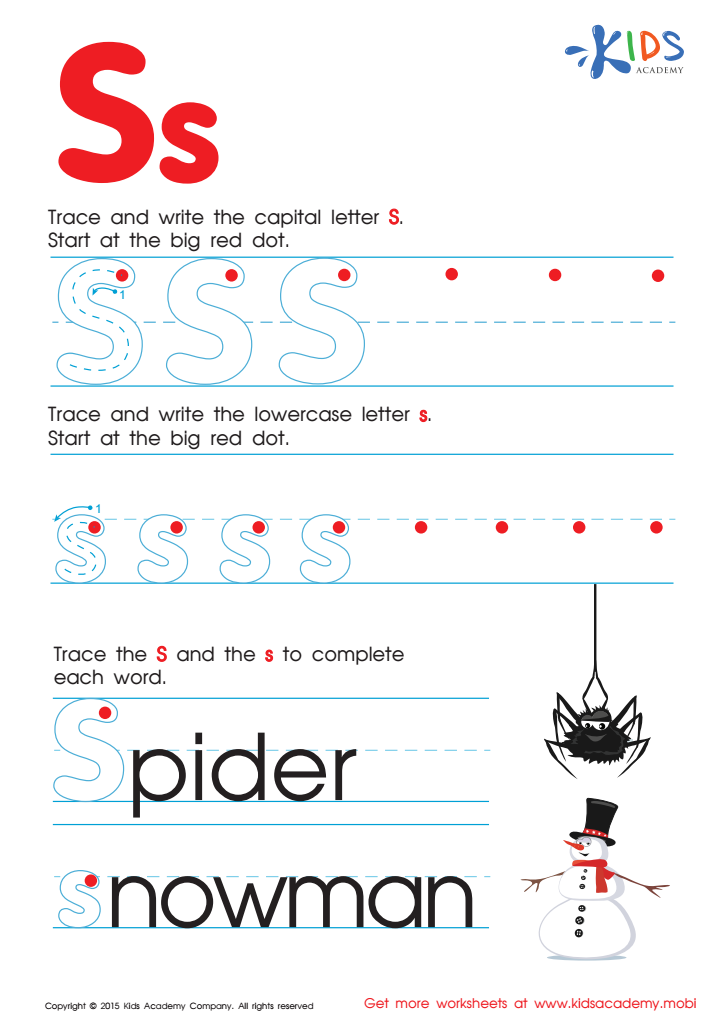
Letter S Tracing Page
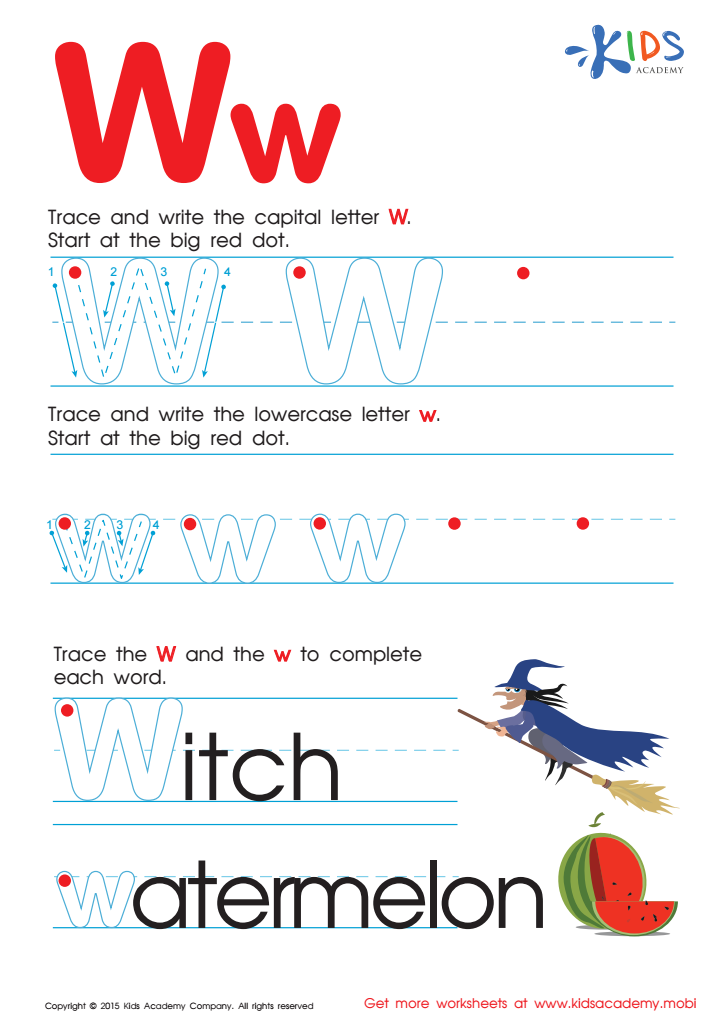
Letter W Tracing Page
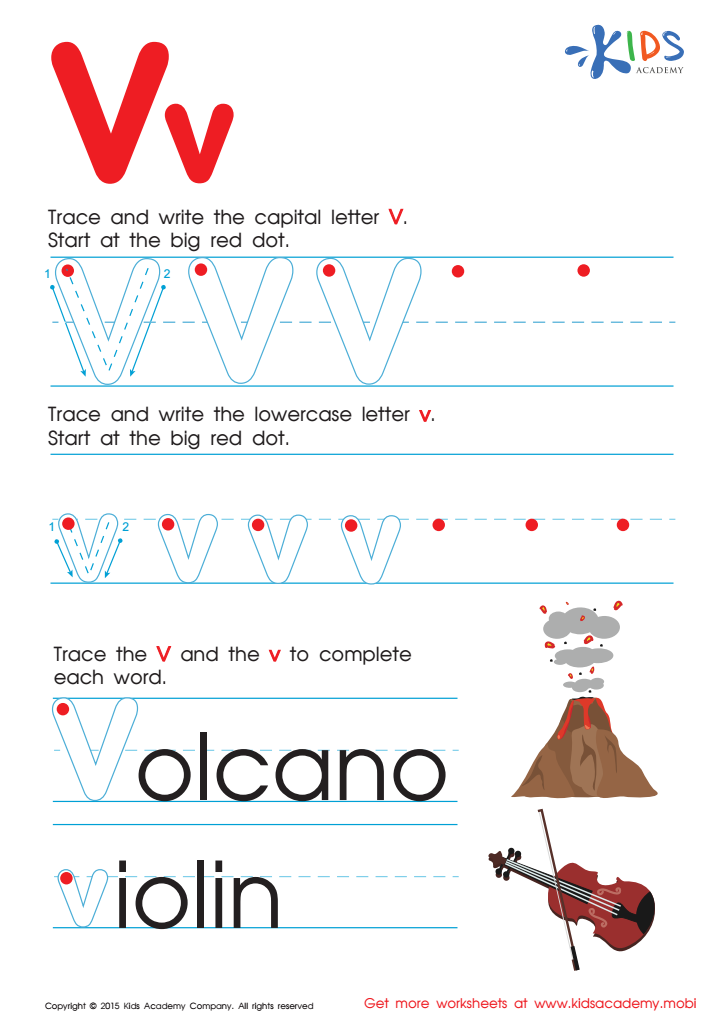
Letter V Tracing Page
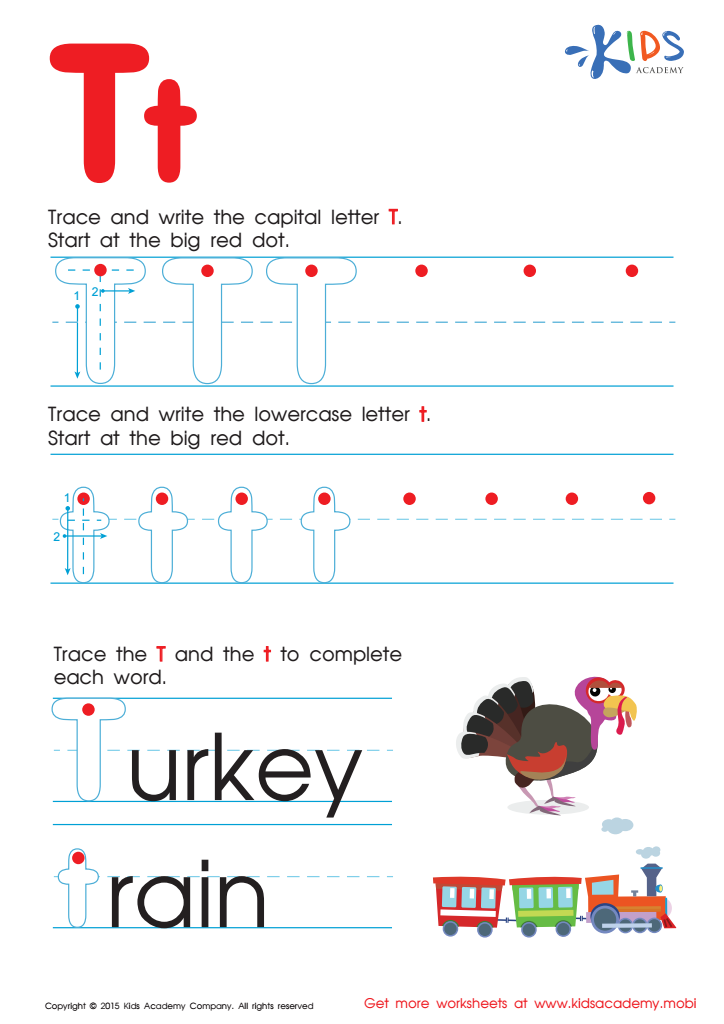
Letter T Tracing Page







Letter recognition is a cornerstone of literacy development, particularly for children aged 4-8. When parents and teachers emphasize this skill through activities like tracing letters, they foster a range of cognitive and motor abilities vital for early learners. Understanding the alphabet unlocks the world of reading and writing, making it essential for children's future academic success.
Tracing letters provides a tactile experience that engages multiple senses, reinforcing letter shapes and sounds while enhancing fine motor skills. This hands-on approach allows children to gain confidence in their writing abilities, as they visualize and physically recreate each letter. The practice not only improves their grip and control but also helps solidify connections between letters and their corresponding phonetic sounds.
Moreover, incorporating such engaging challenges into learning can capture children's interests, making education more enjoyable. This early determination can lead to a lifelong love for reading and writing. Parents and teachers who support letter recognition initiatives therefore play a crucial role in shaping children's literacy journey, leading to improved reading comprehension, enhanced vocabulary, and greater overall academic achievement. Ultimately, fostering letter recognition through tracing paves the way for a brighter, more literate future for our children.