Alphabet Recognition Extra Challenge English for Beginners Worksheets for Ages 4-8
3 filtered results
-
From - To
Discover the ultimate resource for young learners: Alphabet Recognition Extra Challenge English for Beginners Worksheets for Ages 4-8. Designed to engage and challenge early readers, these worksheets from Kid's Academy boost alphabet recognition skills. Perfect for children and ESL students, they offer a fun and educational experience with vibrant illustrations and interactive activities. Enhance your child's language development with exercises that focus on letter identification, matching, and tracing. Whether for classroom use or homeschooling, these worksheets provide a brilliant start to your child's literacy journey. Explore today and watch your young learners excel and enjoy learning!
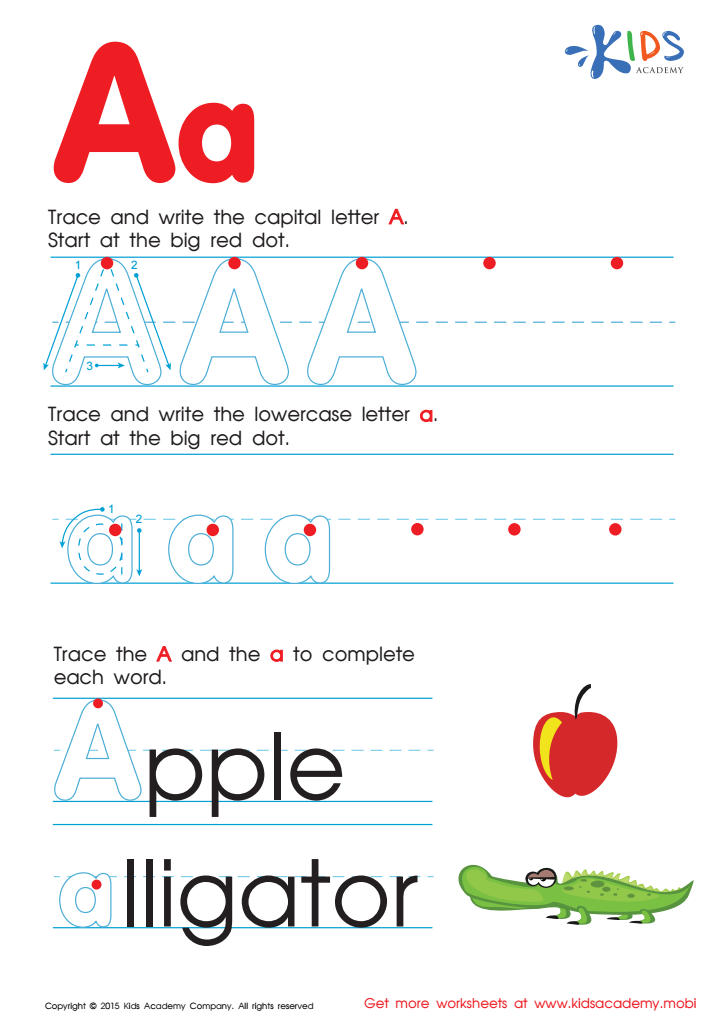
Letter A Tracing Page
 Assign to My Students
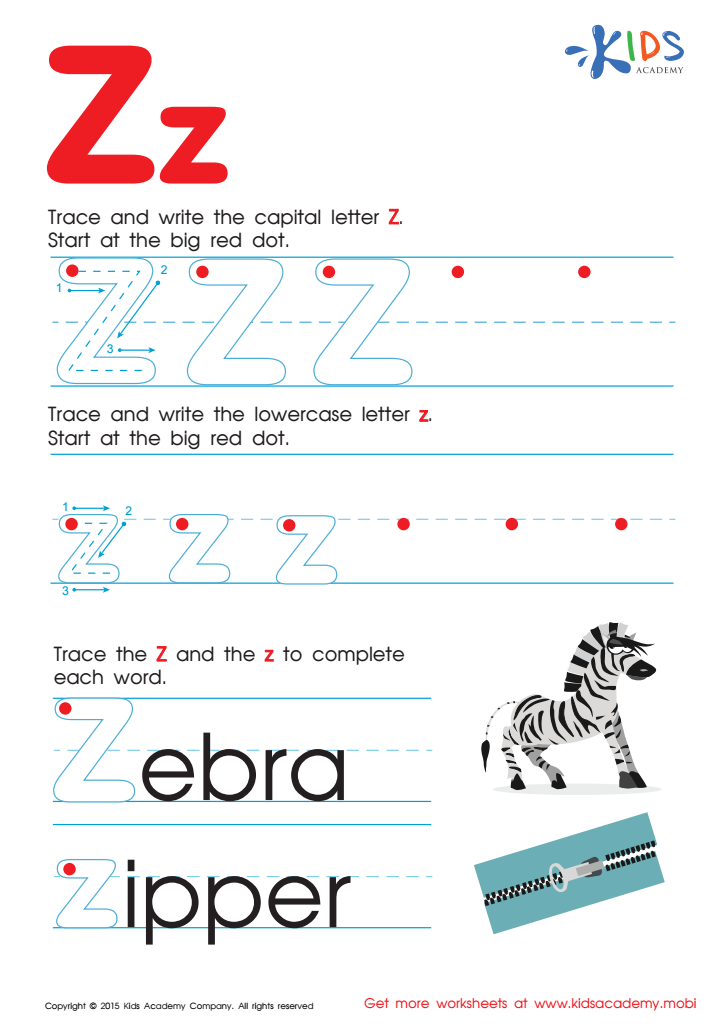
Letter Z Tracing Page
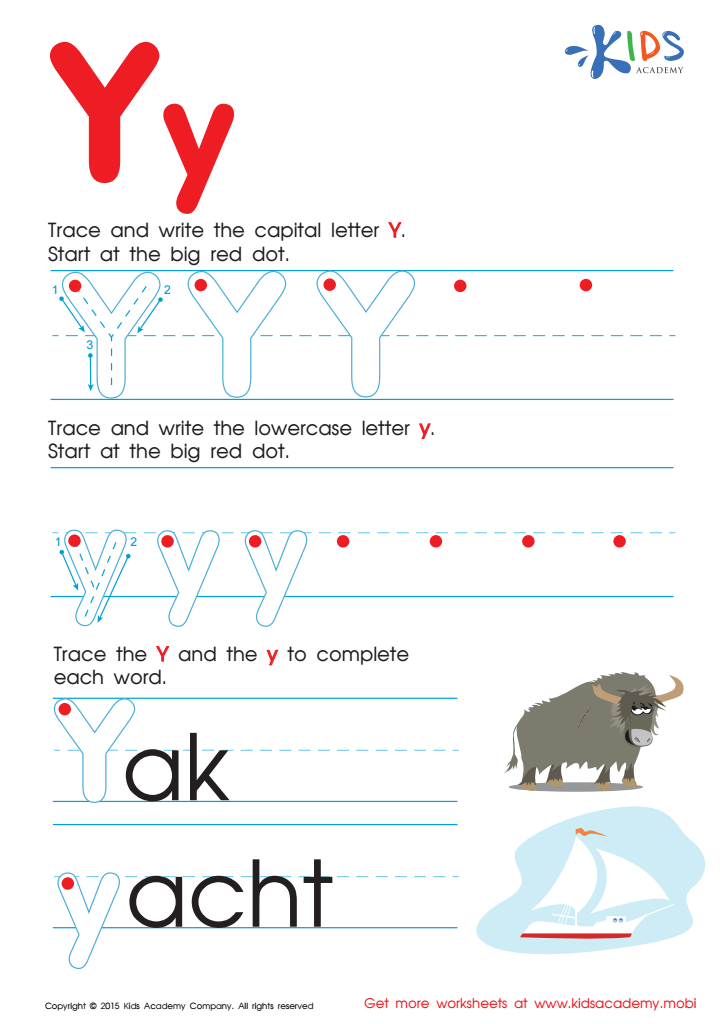
Letter Y Tracing Page





Alphabet Recognition Extra Challenge activities for kids aged 4-8 hold tremendous importance for both parents and teachers. Early childhood is a critical time for cognitive development, and mastering the alphabet forms the foundation for literacy.
Firstly, recognizing letters is the first step towards reading fluency. Knowing the alphabet enables children to make the connection between letters and sounds, a pivotal skill in decoding new words and thus, aiding in reading comprehension. This early literacy skill is directly linked to later academic success.
Secondly, engaging in alphabet recognition practices enhances a child’s visual and auditory memory. These activities often involve looking at letters, saying them aloud, and listening to their sounds, which reinforces neural connections in the brain—aiding not just in literacy, but in general cognitive development.
Additionally, these activities can help foster a love for learning. Interactive and enjoyable alphabet challenges make learning fun, setting a positive tone for future educational endeavors.
For teachers, these activities provide a structured way to assess and support each child’s progress, ensuring no one is left behind. For parents, they offer an opportunity to be actively involved in their child’s education, creating strong familial support for learning. Ultimately, these extra challenges lay the groundwork for lifelong learning and academic readiness.








